What a Self-Aligning Idler Bracket Does
A self-aligning idler bracket is the pivot-mounted support that lets a conveyor idler roller steer the belt back toward the center line. Unlike a fixed bracket, which holds the roller in a set position, this bracket allows a small amount of rotation around a vertical axis. When the belt drifts, it contacts the idler and creates a turning moment that swings the bracket, angling the roller so the belt is guided back. This makes the self-aligning idler bracket a practical tracking component on longer conveyors and in plants where belt misalignment causes spillage or edge damage.
Construction and Mounting
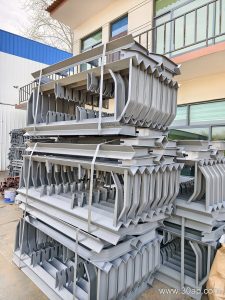
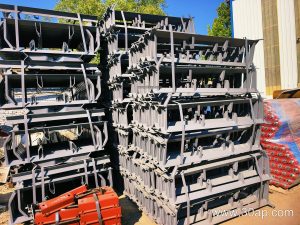
Most self-aligning idler brackets are fabricated from angle steel, channel steel, or folded steel plate. The pivot assembly usually includes a vertical pin or bearing that permits rotation, while the roller support arms are welded or bolted to the rotating frame. The bracket is installed on the conveyor stringer or cross beam, typically on the carrying side for troughed idlers or on the return side for flat and V-return idlers. Installation hole spacing and beam length vary with belt width and trough angle, so they are determined by design rather than fixed values.
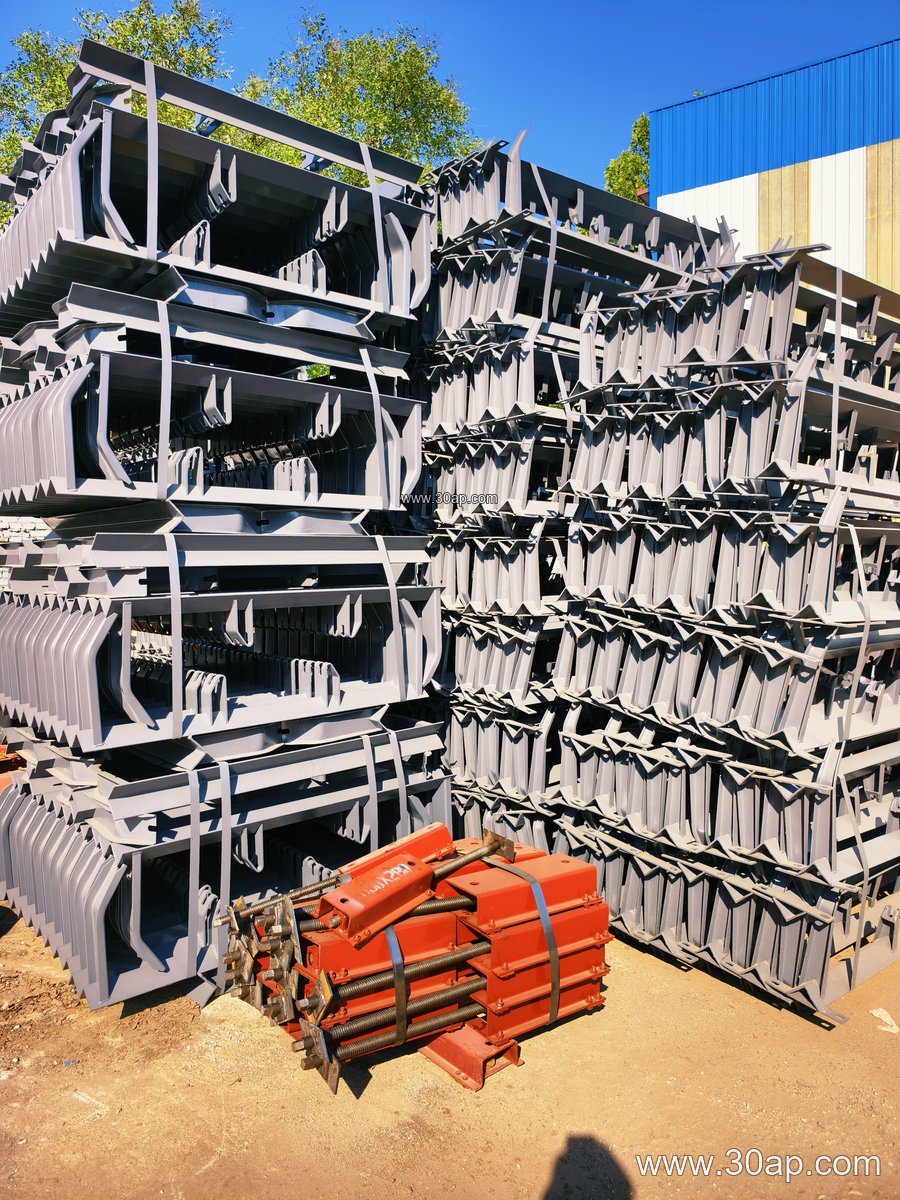
Common bracket forms
- Pivot-type self-aligning bracket for carrying idlers
- Return-side self-aligning bracket for flat or V-return idlers
- Adjustable bracket that allows trough angle changes between 20, 30, 35, and 45 degrees
Materials and surface treatment should suit the environment. In a limestone quarry or a cement plant, dust and moisture are constant, so pivot points need protection from buildup. In a coal handling system, flame retardant conveyor belt and anti-static properties are often specified for the belt, and the bracket should be selected with compatible clearances and corrosion protection.
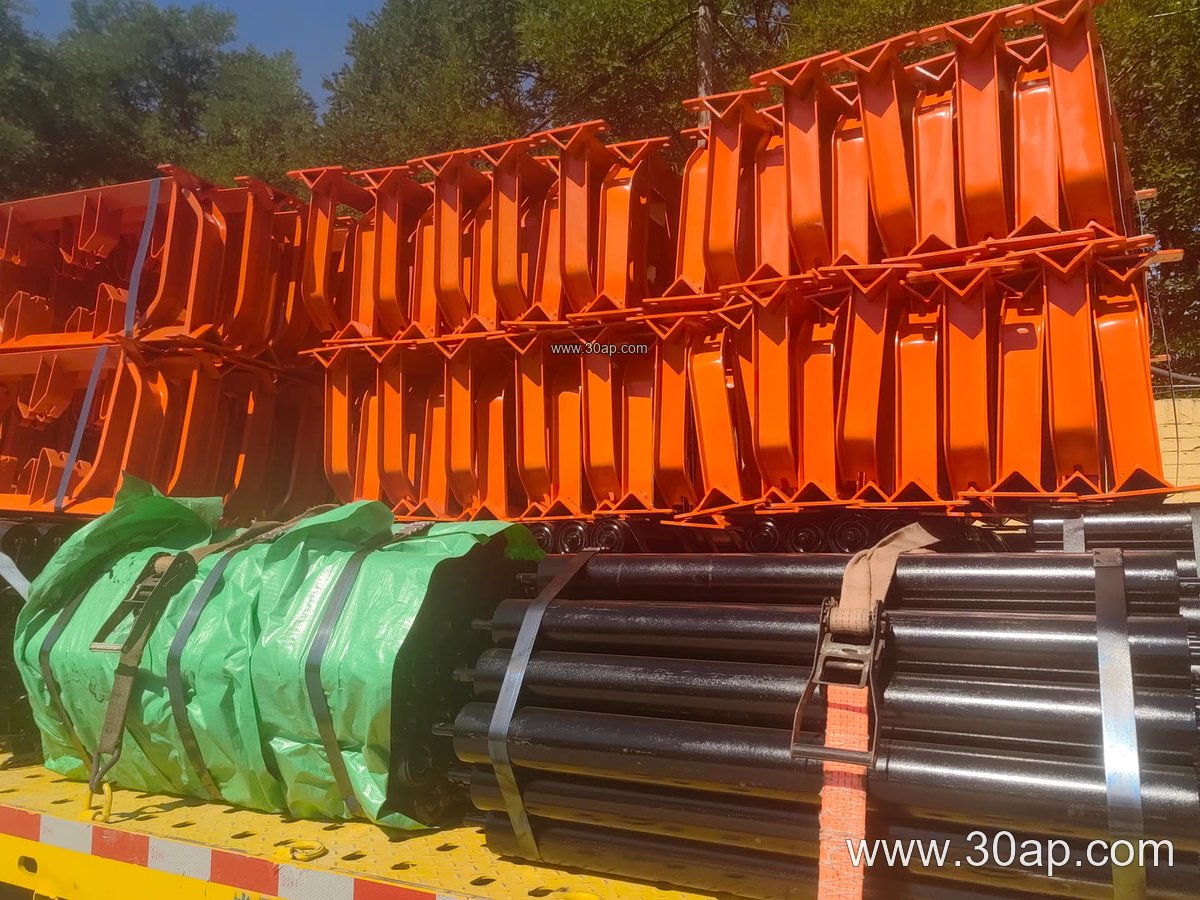
Where It Fits in the Conveyor Line
Self-aligning idler brackets are used where belt tracking is critical: long overland conveyors, transfer points, curved sections, and inclined runs. They appear in aggregate plants, iron ore operations, power plant coal yards, and port ship-loading systems. On a quarry conveyor belt line, a self-aligning bracket placed after a crusher discharge helps control the belt after impact and off-center loading. In a coal mining conveyor system, the same bracket type may be used on the return side to keep the belt centered before it enters the tail pulley area.
The bracket works together with the idler roller and the conveyor bracket system as a whole. It does not replace a drive pulley, tail pulley, or bend pulley; those components serve different functions. The self-aligning idler bracket is strictly a tracking aid for the idler station.
Matching Belt Width, Trough Angle, and Roller Diameter
Selection starts with the conveyor belt width and the required trough angle. Common belt widths include B500, B650, B800, B1000, B1200, B1400, B1600, B1800, B2000, B2200. Trough angles are often 20, 30, 35, or 45 degrees, and adjustable brackets can be set within that range. Roller diameters commonly used with these brackets include Ø89, Ø108, Ø133, Ø159, and Ø194. A typical combination might be B800, 35 degrees, Ø108, or B1200, 45 degrees, Ø133. These are examples, not fixed pairings; the same belt width can work with different trough angles and roller diameters depending on load and belt stiffness.
| Parameter | Common options |
|---|---|
| Belt width | B500, B650, B800, B1000, B1200, B1400, B1600, B1800, B2000, B2200 |
| Trough angle | 20°, 30°, 35°, 45° (adjustable brackets cover a range) |
| Roller diameter | Ø89, Ø108, Ø133, Ø159, Ø194 |
| Material | Angle steel, channel steel, folded steel plate |
For high-abrasion conditions, such as a hard rock conveyor belt or an iron ore conveyor belt, the bracket should be robust enough to handle vibration and occasional impact. In food or chemical plants, washdown and corrosion resistance may matter more than heavy-duty construction.
Buyer Checklist
- Confirm the belt width and the existing idler roller diameter before ordering.
- Check whether the bracket is for the carrying side or return side.
- Decide between fixed and adjustable trough angles; adjustable brackets offer more flexibility during commissioning.
- Review pivot design for dust and moisture protection in the intended environment.
- Verify mounting hole spacing against the conveyor stringer or cross beam.
- Consider the belt type in use, such as EP conveyor belt, steel cord conveyor belt, or flame retardant conveyor belt, because belt stiffness affects tracking behavior.
A well-chosen self-aligning idler bracket reduces edge damage and spillage, but it works best when the entire idler station is aligned and the belt is correctly tensioned. Regular inspection of the pivot and roller is part of good conveyor maintenance.