The Role of a Heavy-Duty Conveyor Pulley
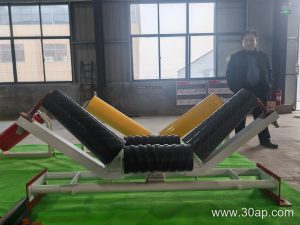
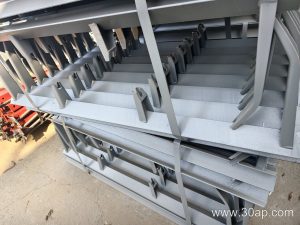
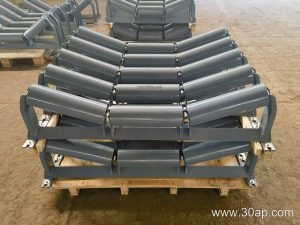
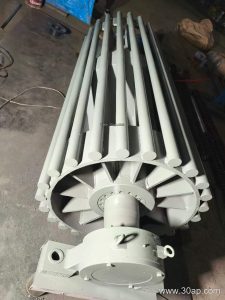
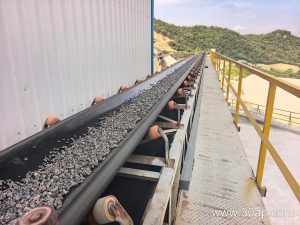
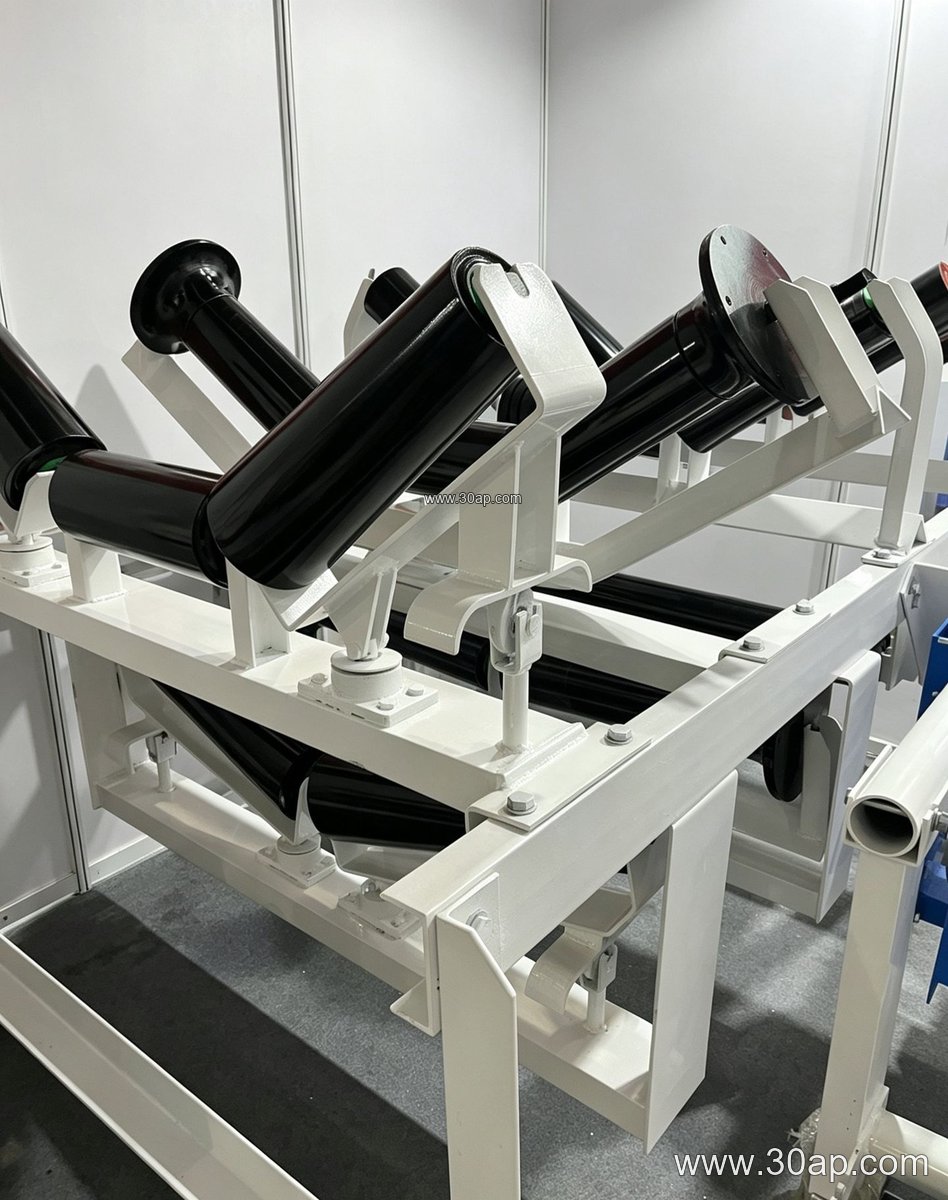
A heavy-duty conveyor pulley is the power transmission and direction-changing component at the heart of a belt conveyor system. It is built to withstand continuous high tension, abrasive dust, and heavy impact loads in demanding environments such as iron ore mines, coal preparation plants, and cement clinker lines. Unlike standard pulleys, this heavy-duty variant uses thicker shells, reinforced hubs, and larger shafts to handle the stresses of moving bulk materials like crushed rock, ore, and aggregate. The pulley works in tandem with the conveyor belt, idler rollers, and conveyor brackets to keep material flowing efficiently.
Construction and Surface Options
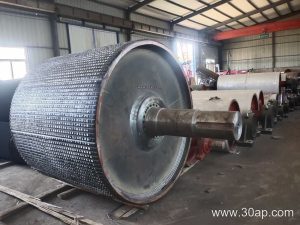
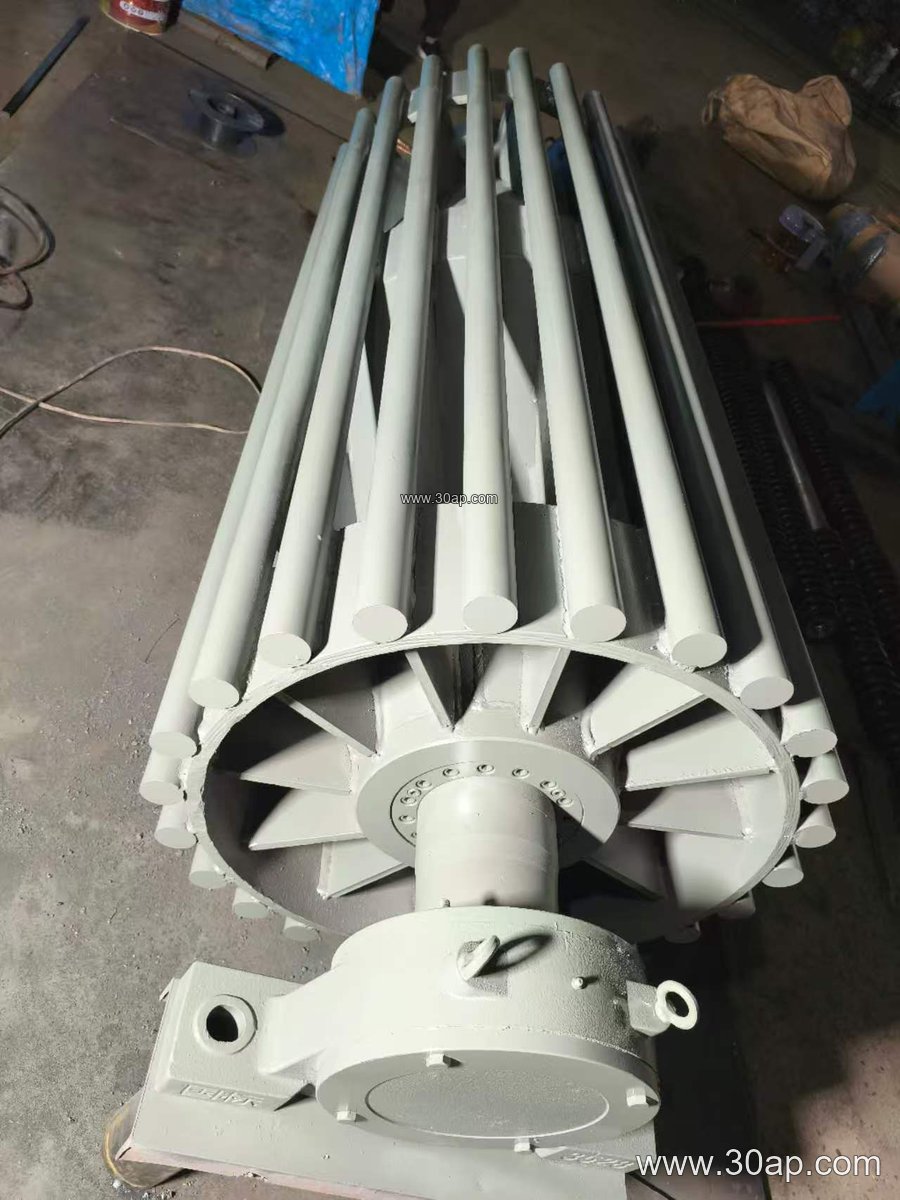
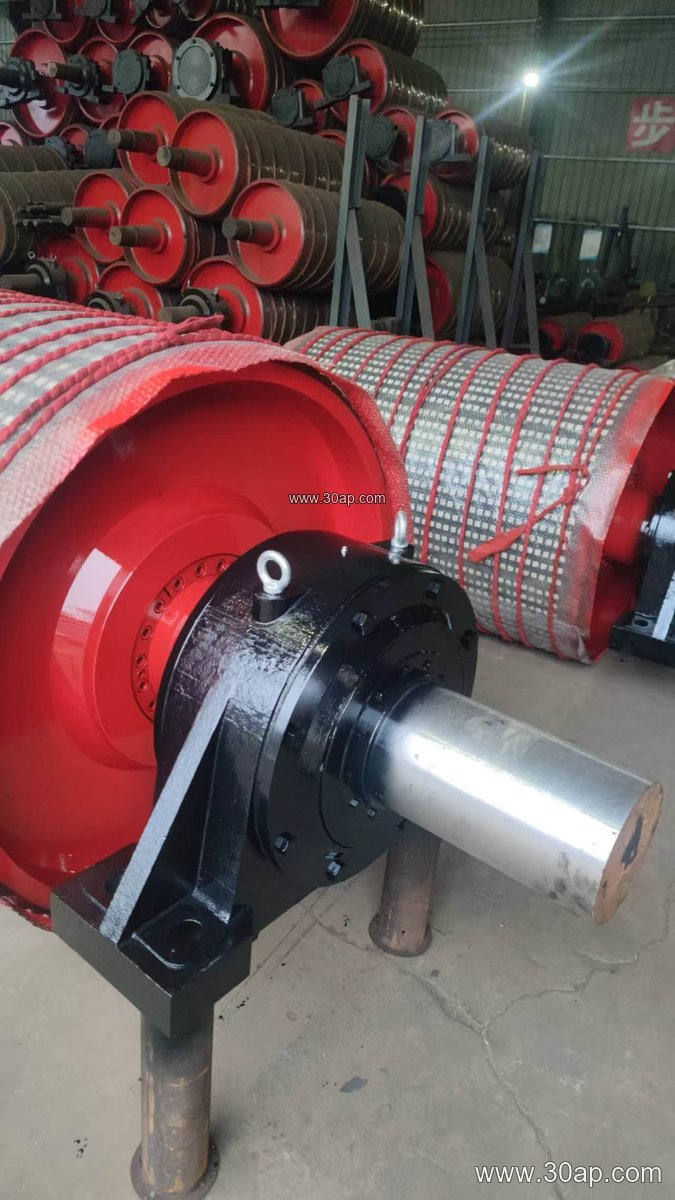
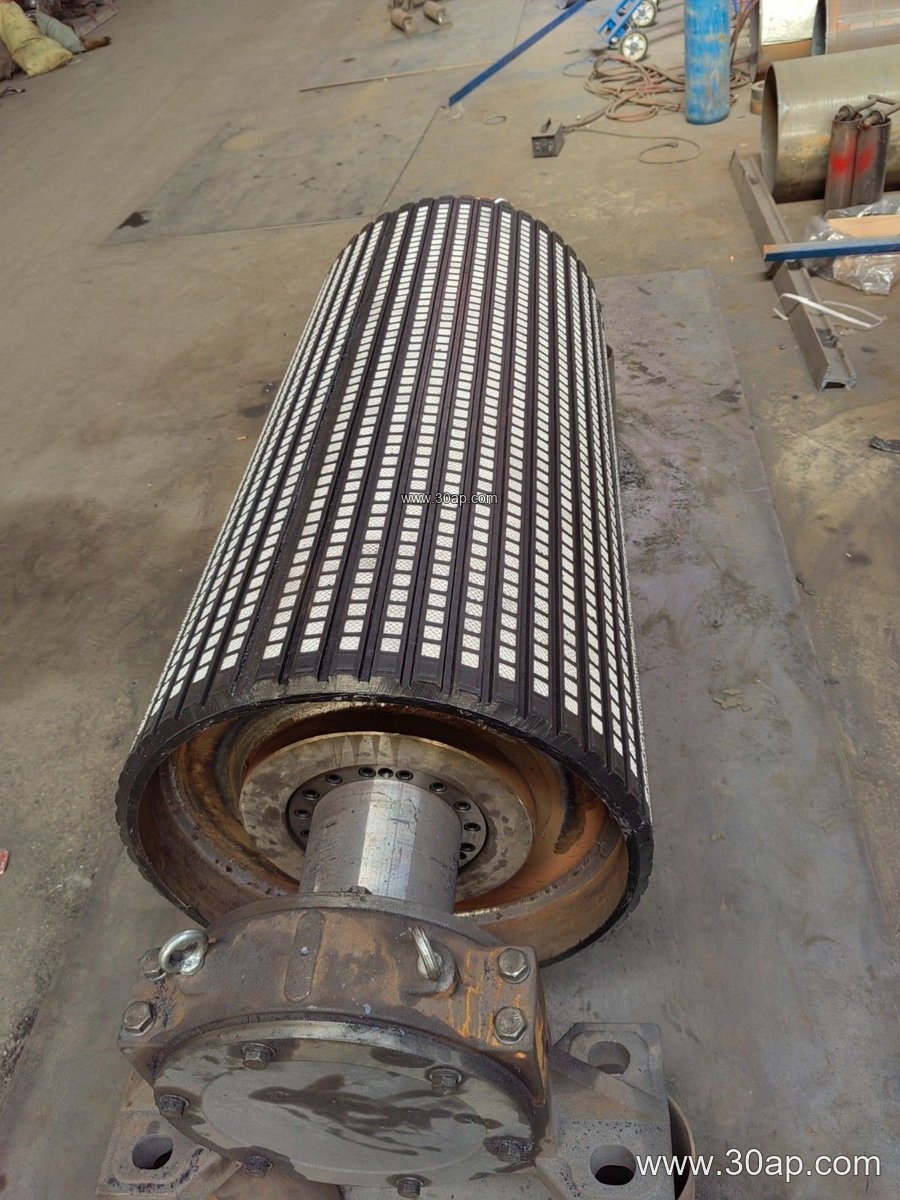
The construction of a heavy-duty conveyor pulley focuses on durability. The shell is typically made from rolled steel with a thickness suited to the belt width and load. End discs are welded or bolted to the shell, and the shaft is machined to precise tolerances. Surface treatment is critical for grip and wear resistance. Common options include plain steel, rubber lagging applied by cold bonding or hot vulcanization, and ceramic lagging for high-traction applications. Diamond and herringbone patterns are also used to improve traction and shed material. Lagging thickness often ranges from 8 mm to 20 mm, depending on the duty. For example, a B1200 × Ø1000 pulley with 15 mm diamond lagging might be used in a primary crushing circuit, while a B800 × Ø500 pulley with 10 mm plain rubber lagging could serve a transfer point in a sand and gravel plant.
Key Parameters and Sizing Considerations
Specifying a heavy-duty conveyor pulley requires attention to belt width, pulley diameter, shaft diameter, and face width. The pulley face width is usually slightly larger than the belt width to accommodate mistracking. Common combinations include B650 with a face width around 750 mm, B1000 with about 1150 mm, and B1400 with about 1600 mm. Diameter selection depends on belt tension, speed, and the required wrap angle. Shaft diameter is determined by torque and bending loads, not by belt width alone; typical shaft sizes range from Ø50 to Ø200 mm. The table below lists some reference dimensions for heavy-duty pulleys, but final specifications should always be confirmed by engineering calculation.
| Belt Width (mm) | Pulley Face Width (mm) | Common Diameter Range (mm) | Typical Shaft Diameter (mm) |
|---|---|---|---|
| B500 | 600 | Ø250–Ø400 | Ø50–Ø80 |
| B800 | 950 | Ø400–Ø630 | Ø80–Ø120 |
| B1000 | 1150 | Ø500–Ø800 | Ø100–Ø160 |
| B1200 | 1400 | Ø630–Ø1000 | Ø120–Ø180 |
| B1400 | 1600 | Ø800–Ø1250 | Ø140–Ø200 |
| B1600 | 1800 | Ø1000–Ø1400 | Ø160–Ø200 |
Note that these are reference ranges; a heavy-duty conveyor pulley for a specific project must be sized according to the actual belt tension, load profile, and safety factors. For instance, a B1800 conveyor carrying high-abrasion iron ore may require a Ø1250 pulley with 20 mm ceramic lagging and a Ø200 shaft, while a B650 unit in a fertilizer plant might use a Ø400 pulley with 8 mm rubber lagging and a Ø70 shaft.
Where Heavy-Duty Pulleys Are Used
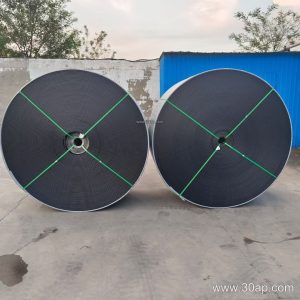
These pulleys are essential in industries where conveyors operate under severe conditions. In underground coal mining, flame retardant conveyor belts and heavy-duty pulleys work together to transport coal safely. In quarry and aggregate operations, they drive crusher feed belts and handle sharp, abrasive rock. Cement plants use them in clinker and raw material handling, often with heat resistant conveyor belts. Power plants rely on them for coal delivery, while steel mills use them in sinter and ore transport. Ports and ship loading facilities also employ heavy-duty pulleys to move bulk cargo at high capacities. In each case, the pulley must match the belt type—whether it is an EP conveyor belt, steel cord conveyor belt, or a specialized rubber conveyor belt—to ensure reliable performance.
Buyer Checklist for Heavy-Duty Conveyor Pulleys
When purchasing a heavy-duty conveyor pulley, consider the following:
- Verify the pulley type needed: drive, tail, bend, or take-up. Each has a distinct function and should not be interchanged without engineering review.
- Confirm the belt width and pulley face width to ensure proper belt tracking.
- Check the lagging material and thickness for the environment: rubber for general use, ceramic for high abrasion, and heat-resistant compounds for hot materials.
- Review the shaft diameter and bearing selection based on the calculated loads.
- Ensure the pulley is compatible with the conveyor belt specification, such as an abrasion resistant conveyor belt or a flame retardant conveyor belt.
- Consider the maintenance schedule and accessibility for lubrication and lagging replacement.
For more information on matching pulleys with conveyor belts and idler rollers, visit our site at www.example.com/conveyor-pulley or www.example.com/heavy-duty-pulley. Proper selection of a heavy-duty conveyor pulley extends the life of the entire conveyor system, from the belt to the smallest idler roller.