What a 650mm Conveyor Belt Is
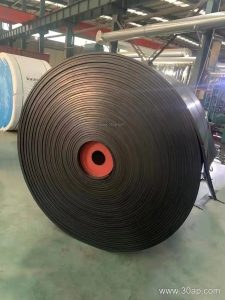
A 650mm conveyor belt is a belt with a nominal width of 650 millimeters, commonly written as B650. It sits in the middle of the light-to-medium width range, wider than a 500mm or 600mm belt and narrower than an 800mm or 1000mm unit. In practice, this width is a working compromise: it carries a useful bulk load without demanding the structural size of a wide conveyor frame, so it appears on main haulage lines in smaller mines and on transfer, screening and stockpile circuits in larger plants.
The width alone does not define the belt. Buyers should think of the 650mm figure as the dimensional envelope, then specify carcass, cover grade and surface form around it.
Construction and Common Configurations
Most belts at this width use a fabric core. An EP conveyor belt (polyester warp, nylon weft) is a frequent choice because it stretches little and keeps good troughability. An NN conveyor belt with nylon warp and weft is softer and suited to impact-heavy loading points. Multi-ply fabric core construction of two to five plies is typical, and heavier carcasses such as EP200 or EP400 are common where the duty is severe.
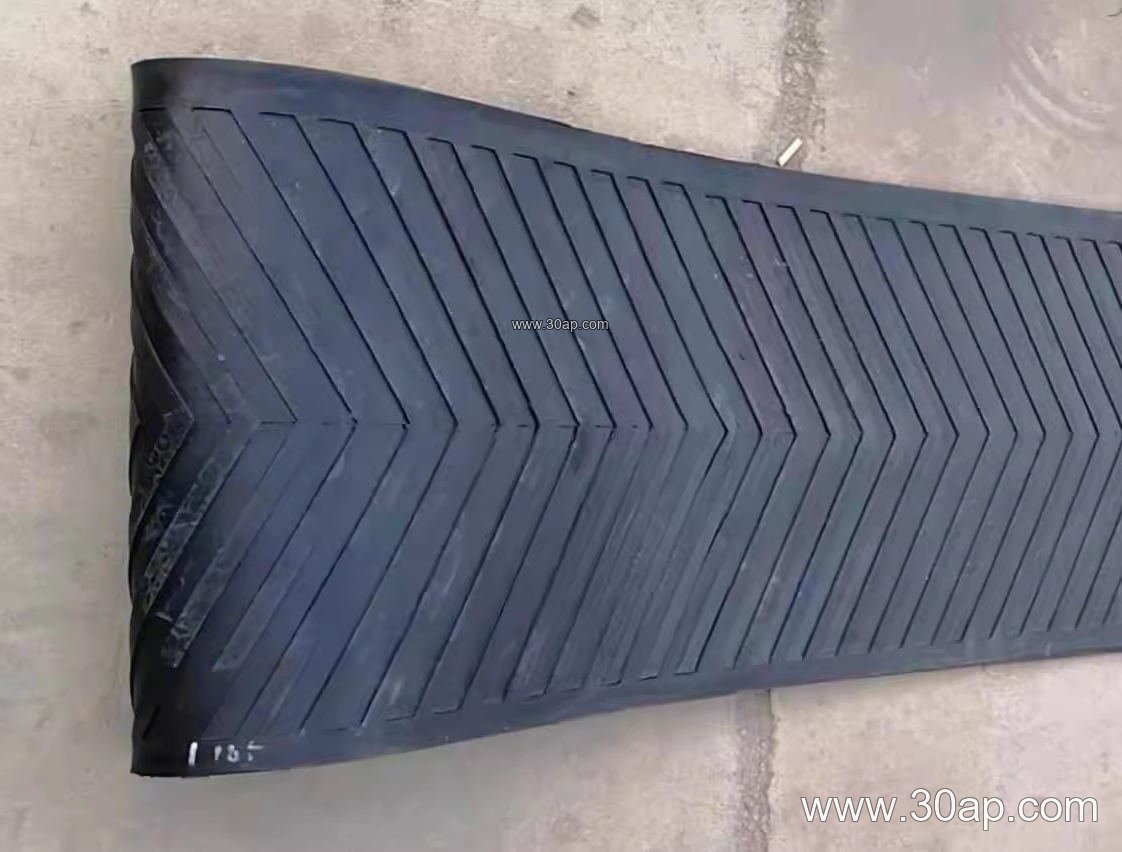
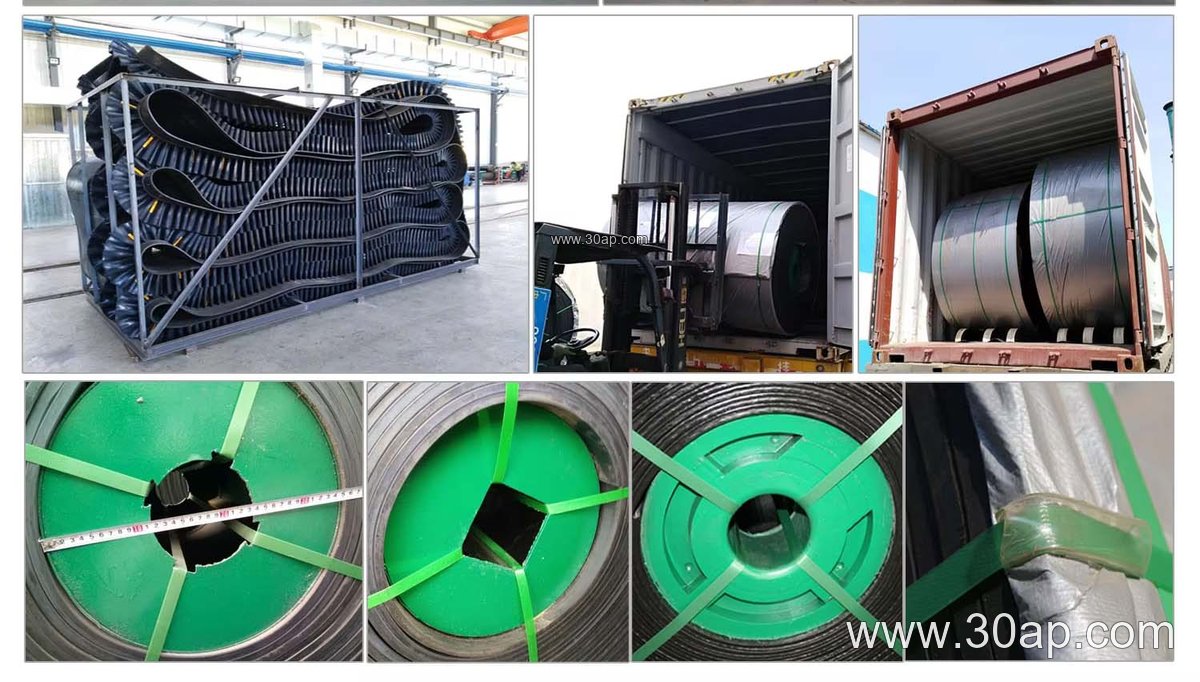
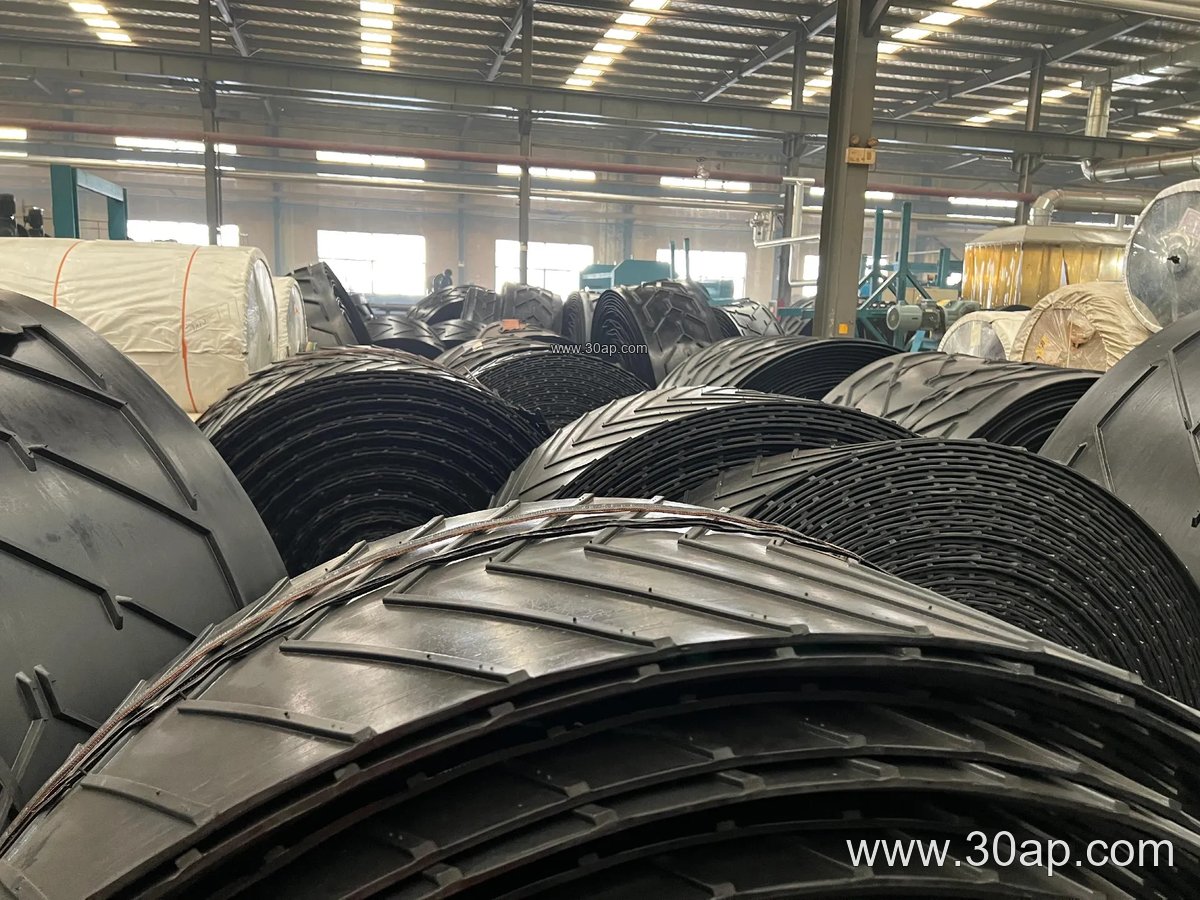
Where tension is high, a steel cord conveyor belt may be used instead, though at 650mm width the fabric options usually cover the load. Cover rubber is normally specified as a two-layer top and bottom build, for example 4+2 mm or 5+2 mm, with the top cover chosen for the material being carried. Surface forms include plain, chevron conveyor belt profiles for inclined runs, and corrugated sidewall or skirted conveyor belt designs where material must be contained on a steep incline.
Typical Specification Reference
The values below are common reference points, not fixed rules. Final figures are set by the conveyor design.
- Nominal width: B650 (650 mm)
- Fabric carcass grades: EP200, EP315, EP400, EP500, EP630
- Nylon carcass grades: NN200, NN300, NN400
- Steel cord grades, when specified: ST1000, ST1250, ST1600
- Cover builds: 3+1.5, 4+2, 5+2, 6+2 mm
- Ply count: usually 2 to 5 layers
The same dimensional family includes the 600mm conveyor belt and the 800mm conveyor belt, so a plant may standardize frames at one width and keep spares consistent. A 650mm belt should not be treated as interchangeable with those sizes on an existing frame.
Where It Fits in the Plant
At this width, belts are seen in sand and gravel plants feeding screens, in cement works moving clinker and raw meal, in power plant coal handling, and in smaller underground mining conveyor belt circuits. A quarry conveyor belt or crusher conveyor belt at B650 often handles crushed stone at moderate tonnage. In metal mining, an ore conveyor belt of this width may run on drift conveyors, while a gold mining conveyor belt or copper ore conveyor belt duty demands good abrasion resistance.
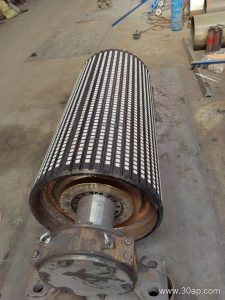
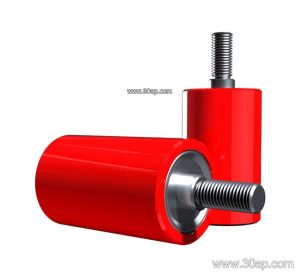
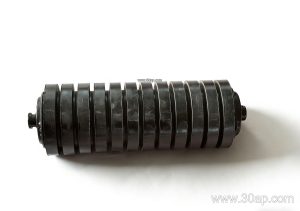
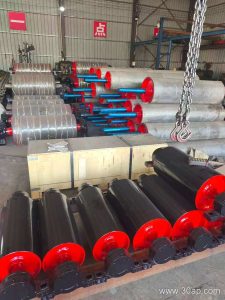
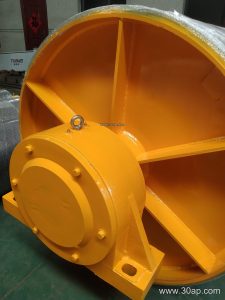
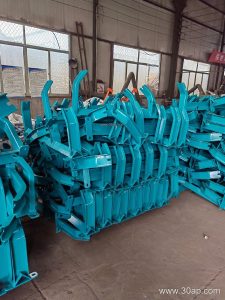
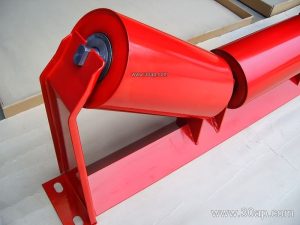
The belt does not work alone. The conveyor pulley at the drive and tail ends, the idler roller sets that support the trough, and the conveyor bracket that holds the frame all need to match the belt width and load. A 650mm belt pairs with pulleys and idlers selected for the actual tension and load, not by width alone.
Cover Grade and Environmental Selection
Material conditions decide the compound. A high abrasion resistant conveyor belt or abrasion resistant conveyor belt grade suits sharp rock and aggregate. Heat resistant conveyor belt covers handle cement and clinker; a high temperature conveyor belt grade may be needed near kilns. A flame retardant conveyor belt or fire resistant conveyor belt is standard for coal mining conveyor belt and underground coal mining conveyor belt work, often with anti-static properties. Oil resistant conveyor belt, acid resistant conveyor belt and chemical resistant conveyor belt grades cover industrial and recycling duties, while a cold resistant conveyor belt is chosen for freezing climates.
What Buyers Should Confirm
- Required tensile grade and ply count for the actual load and incline
- Cover thickness and grade matched to material weight and temperature
- Surface form: plain, chevron, or corrugated sidewall
- Whether a splice is needed and what type the plant can service
- Compatibility with existing pulley and idler roller dimensions
Buyers sourcing through a bulk material conveyor belt supplier should ask for the belt’s rated tension and cover grade rather than relying on width alone. For a 650mm conveyor belt, the sound approach is to treat width as the starting point and let the duty conditions define the carcass, cover and surface form.