What a High-Strength Pulley Is
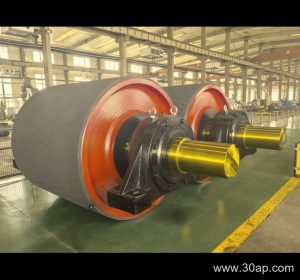
A high-strength pulley is a heavy-duty conveyor pulley engineered to handle high belt tensions, shock loads, and continuous operation in abrasive or corrosive environments. Often referred to as a heavy-duty conveyor pulley, it serves as the drive, tail, or bend component that keeps a conveyor belt moving efficiently. Unlike standard pulleys, this variant uses thicker shells, reinforced end discs, and robust shaft connections to resist deflection and fatigue under severe conditions. In industries such as mining, cement, and power generation, the high-strength pulley is critical for maintaining uptime and safety.
Construction and Key Features
The build of a high-strength pulley focuses on durability and precision. Common design elements include:
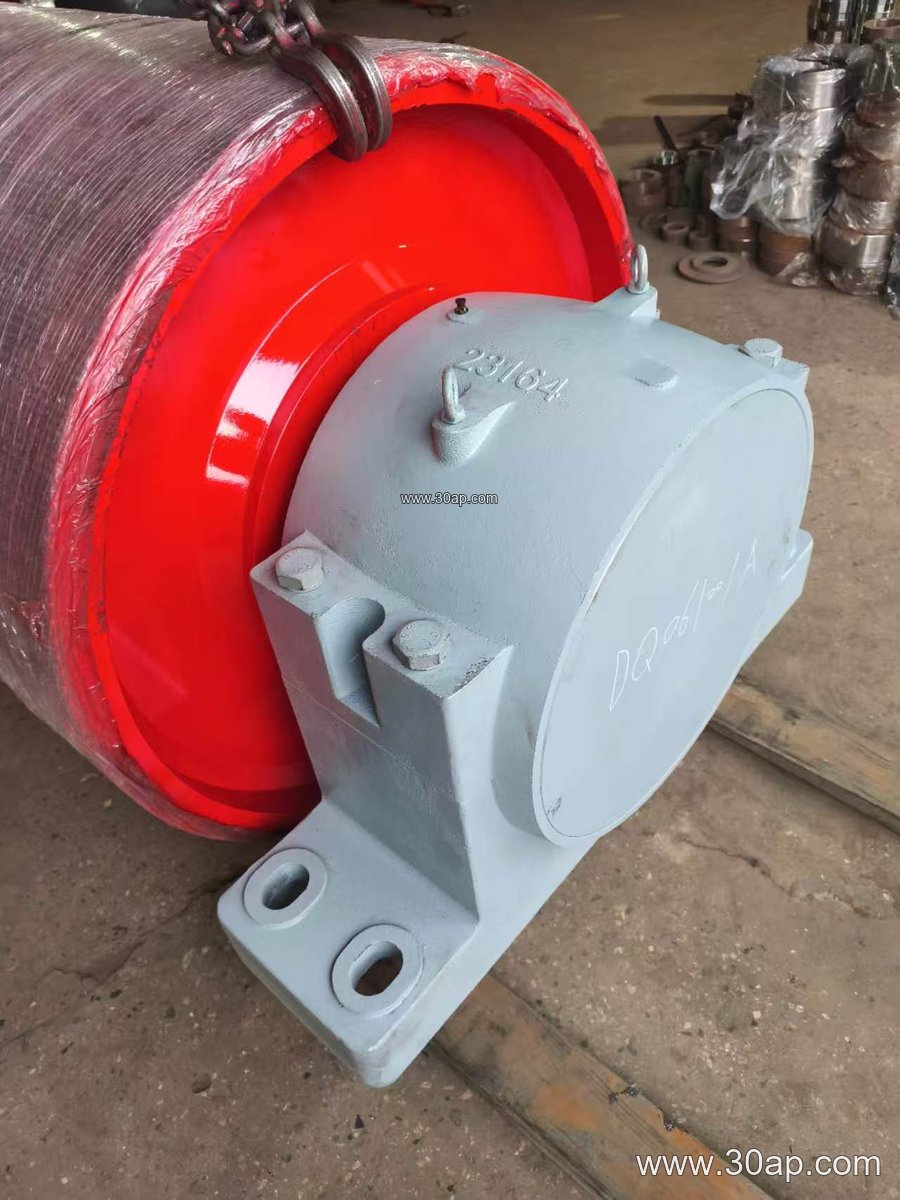
- Shell: Thick-walled steel tube, often machined for balance and concentricity, with diameters from Ø200 mm to Ø1800 mm depending on load requirements.
- End discs: Reinforced plates welded to the shell and hub, designed to distribute stress evenly.
- Shaft: Alloy steel shaft with diameters typically ranging from Ø50 mm to Ø200 mm, sized by torque and radial load rather than belt width alone.
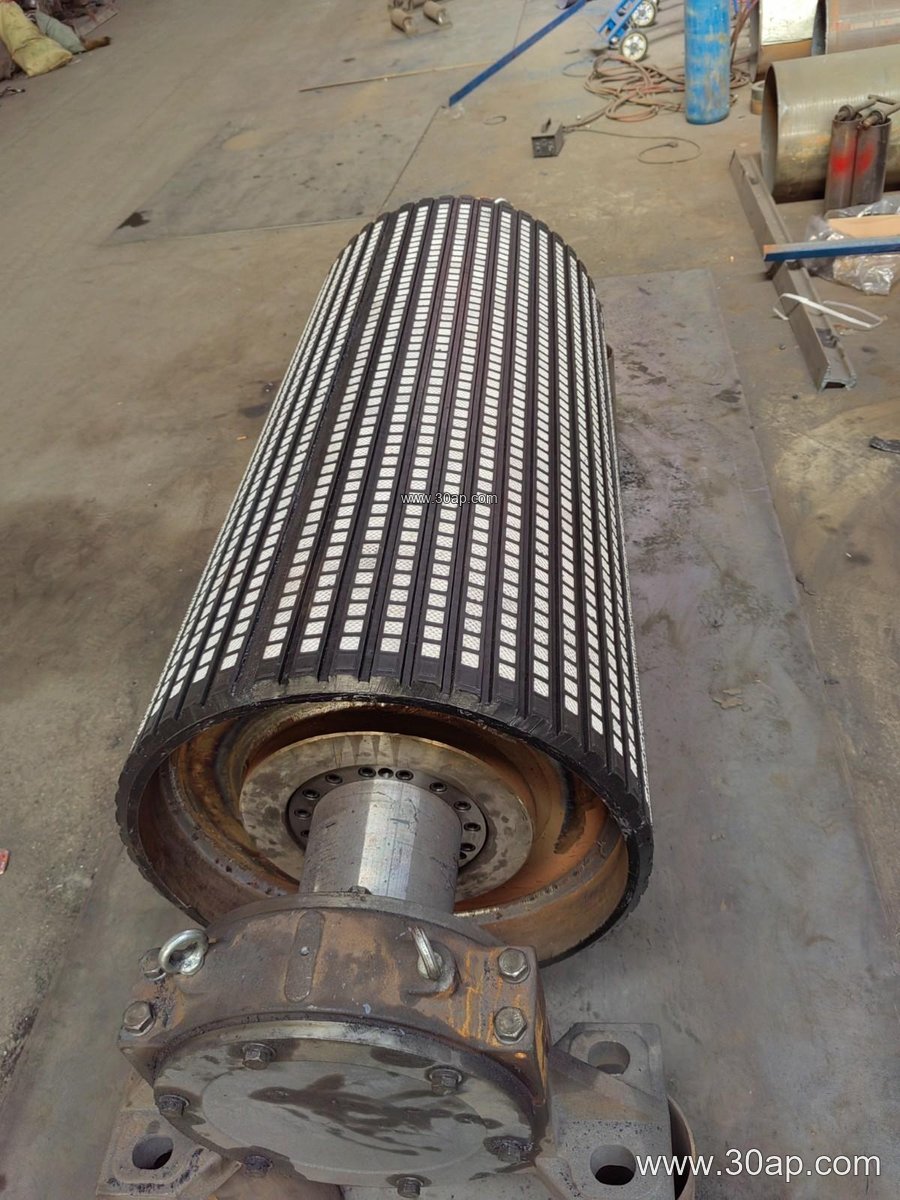
- Lagging: Optional rubber or ceramic lagging (plain, diamond, herringbone, or ceramic) in thicknesses of 8–20 mm to improve traction and protect the shell.
- Bearing housings: Heavy-duty pillow block or flanged bearings with seals for dusty or wet conditions.
Surface options such as hot-vulcanized rubber or cold-bonded lagging are selected based on the conveyed material and environmental factors. For instance, a high-abrasion application like a quarry conveyor belt might use ceramic lagging, while a coal mining conveyor belt may require flame-retardant lagging to meet safety standards.
Where High-Strength Pulleys Are Used
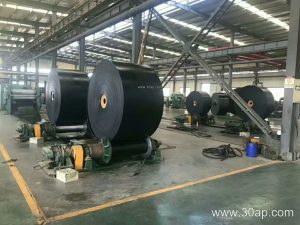
These pulleys are found in the most demanding bulk material handling systems. In a copper mine, a high-strength pulley at the head drive transmits power to a steel cord conveyor belt carrying ore. In a cement plant, bend pulleys with high-strength construction help route an EP conveyor belt through tight spaces while withstanding cement dust. Power plants rely on them for coal handling, where a flame retardant conveyor belt and robust pulleys ensure reliable fuel supply. Other typical locations include port ship loaders, aggregate plants, and underground mining operations. While drive, tail, and bend pulleys are not interchangeable, each position may require a high-strength variant tailored to its specific load profile.
Specifications and Size Considerations
When specifying a high-strength pulley, engineers consider belt width, pulley diameter, shaft diameter, lagging type, and bearing size. The table below shows common reference ranges; actual values should be determined by the conveyor designer.
| Parameter | Common Range / Examples |
|---|---|
| Belt width (B) | B400 to B2400 (e.g., B800, B1200, B1800) |
| Pulley diameter (Ø) | Ø200 to Ø1800 (e.g., Ø500, Ø800, Ø1000, Ø1250) |
| Shaft diameter | Ø50 to Ø200 (sized by torque and load) |
| Lagging thickness | 8, 10, 12, 15, 20 mm |
| Lagging pattern | Plain, diamond, herringbone, ceramic |
| Face width | Typically wider than belt, e.g., B800 ~950 mm, B1200 ~1400 mm |
Note that a given belt width can accommodate a range of pulley diameters; there is no fixed pairing. For example, a B1200 belt might use a Ø1000 pulley in one conveyor and a Ø800 pulley in another, depending on tension and space. Shaft diameter must be calculated from the actual torque and bending loads, never assumed from belt width alone.
Buyer’s Checklist
Before purchasing a high-strength pulley, gather the following information:
- Belt width and type (e.g., EP conveyor belt, steel cord conveyor belt, or fabric core conveyor belt).
- Operating tension and required power.
- Pulley position (drive, tail, bend, take-up) and expected loads.
- Environmental conditions: dust, moisture, temperature, fire risk.
- Lagging preference based on grip and wear resistance.
- Shaft and bearing requirements from the conveyor design.
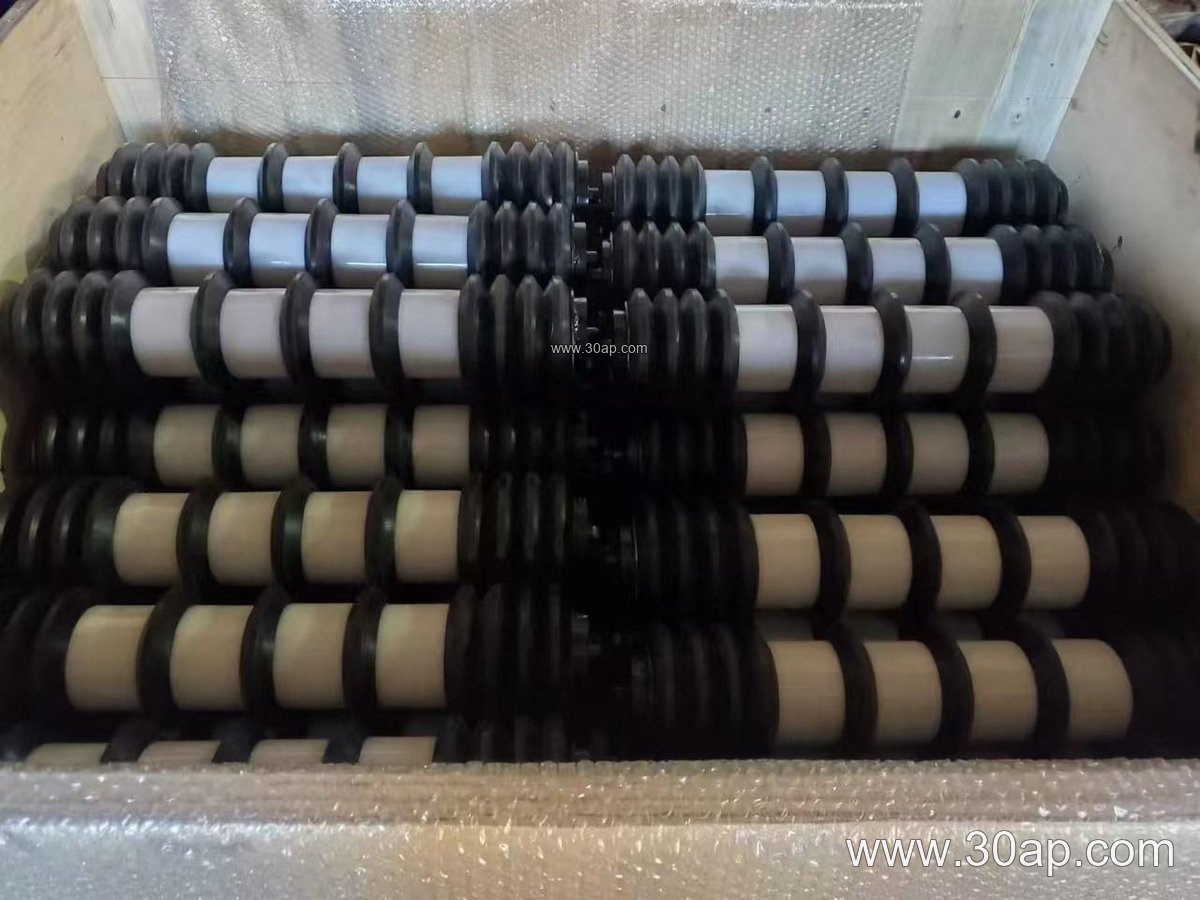
- Compatibility with conveyor brackets and idler rollers.
Also consider maintenance access and lubrication. A high-strength pulley is an investment in reliability, so matching it precisely to the application avoids premature failure and downtime. For harsh environments, specify appropriate surface protection and seal types. Always request dimensional drawings and material certificates from the supplier to verify compliance with your engineering specifications.