What a 1000mm Conveyor Belt Is
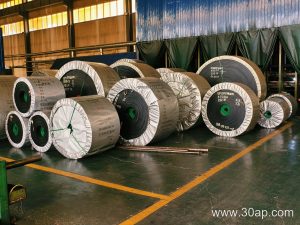
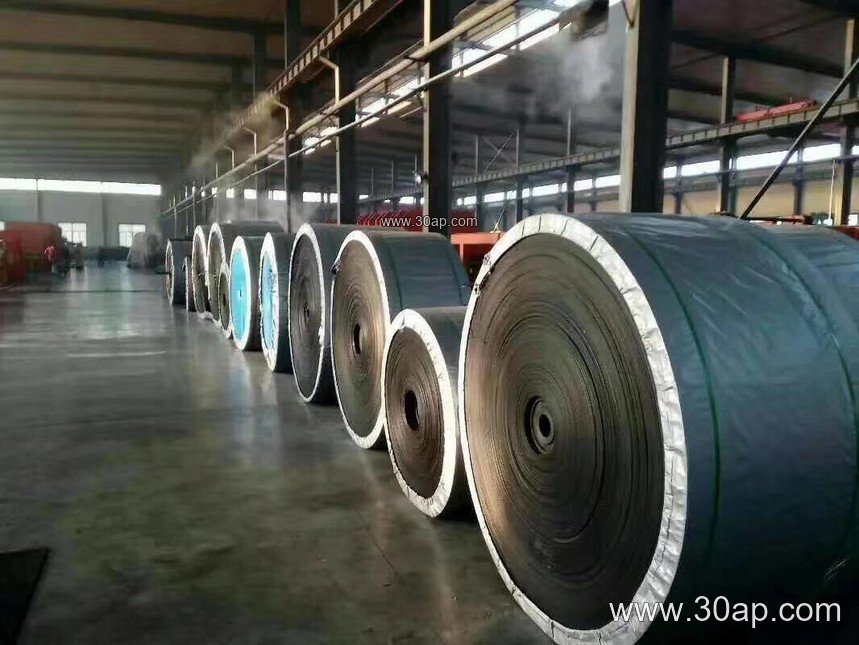
A 1000mm conveyor belt is a 1-meter-wide belt used in bulk material handling systems. In the trade it is often written as B1000, and it sits in the middle of the common width range. It is not a single product but a width class: the belt can be built with different carcass types, cover grades and surface forms. That is why two belts of the same width may behave very differently in a quarry, a cement plant or a coal preparation facility.
This width is common in secondary and main haulage lines where tonnage is moderate to high but the structure is not as wide as a 1400mm or 1600mm trunk conveyor. It can be supplied as an EP conveyor belt, an NN conveyor belt, a steel cord conveyor belt or a PVC/PVG belt for underground use. Each construction has its own strength range and best-fit duty.
How the Belt Is Built
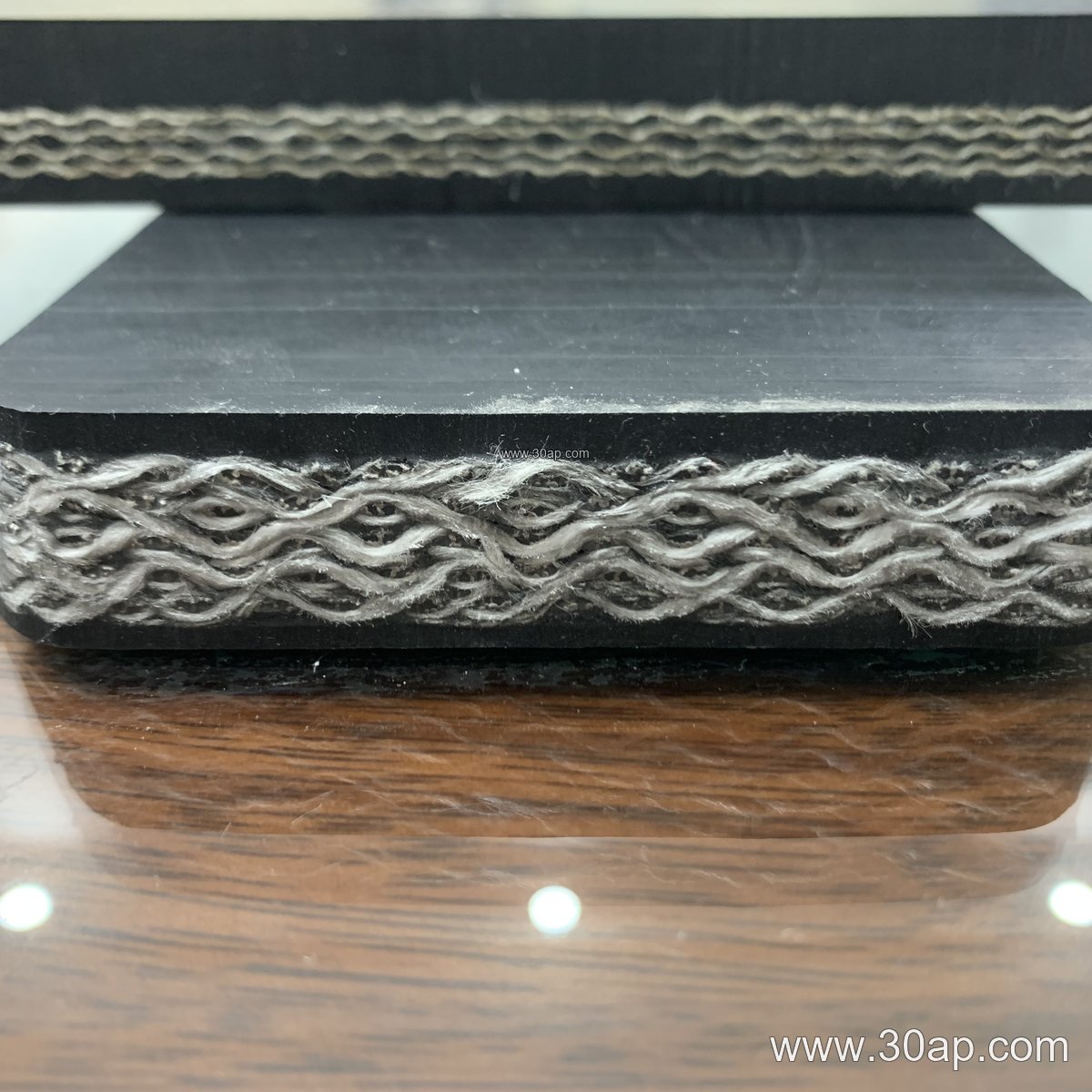
The carcass carries the tension. In fabric-core belts, warp and weft yarns are woven into plies and bonded with rubber skim. EP fabric core conveyor belt uses polyester warp and nylon weft; NN belts use nylon in both directions. Steel cord belts use parallel steel wires instead of fabric plies. The cover rubber protects the carcass from abrasion, impact, heat, oil and moisture.
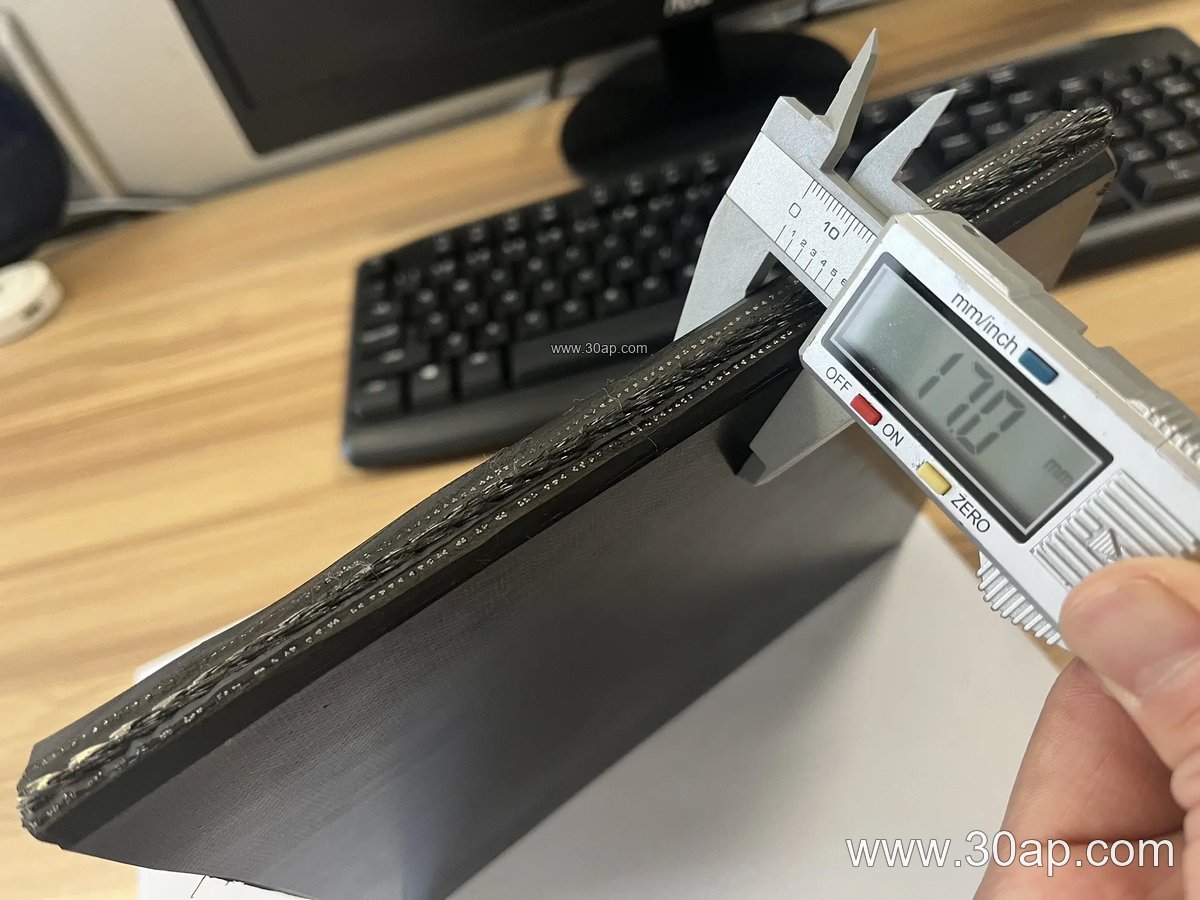
Common carcass plies range from 2 to 6 layers for fabric belts, depending on strength and load. Cover thickness is often quoted as top and bottom gauge, for example 4+2 mm or 6+2 mm. The right combination depends on lump size, drop height and material temperature. A heavy-duty mining conveyor belt will usually carry thicker covers and a stronger carcass than a light aggregate line.
Common Widths and Strength Grades
Belt width and strength are separate choices. A 1000mm belt can be supplied in several strength grades, and the final selection should follow the conveyor design. The table below shows typical reference values, not a universal supply list.
| Property | Common reference values |
|---|---|
| Belt width | B500, B650, B800, B1000, B1200, B1400, B1600, B1800, B2000 |
| EP strength grades | EP200, EP315, EP400, EP500, EP630, EP800, EP1000, EP1250, EP1600, EP2000 |
| Steel cord grades | ST1000, ST1250, ST1600, ST2000, ST2500, ST3150 |
| Cover gauge (top+bottom) | 3+1.5, 4+2, 5+2, 6+2, 8+3 mm |
| Fabric plies | 2 to 6 layers, depending on design |
For a 1000mm conveyor belt, EP630 to EP1000 are common in medium-duty main lines, while ST1250 and above may suit long-distance or high-tonnage routes. These are reference points only; the actual grade must be confirmed by the conveyor designer.
Surface Forms and Special Grades
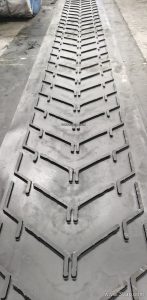
Beyond width and strength, the surface form changes how the belt handles slope and spillage. A chevron conveyor belt has raised ribs for inclined sections. A corrugated sidewall belt with cleats can lift material at steep angles. A skirted conveyor belt keeps loose material on the carrying side. Pipe conveyor belts roll into a tube to contain dust and protect the material.
Special cover grades are chosen for the environment. Heat resistant conveyor belt is used in cement kiln discharge and clinker handling; flame retardant conveyor belt and fire resistant conveyor belt are common in coal mining and underground coal mining conveyor systems; oil resistant conveyor belt suits recycled material and some mineral oils; cold resistant conveyor belt is used in cold climates; abrasion resistant conveyor belt is standard in quarries and aggregate plants. Anti-static grades help where static build-up is a concern.
Where a 1000mm Belt Is Used
This width appears across many industries. In mining, it can serve as a mining conveyor belt on ore, rock and coal lines. In cement plants, it moves limestone, clinker and additives. Power plants use it for coal handling. Sand and gravel plants, stone crushing lines, crusher discharge conveyors and port ship-loading systems also use this width. The same belt may be called a bulk material conveyor belt, a quarry conveyor belt or an aggregate conveyor belt depending on the site.
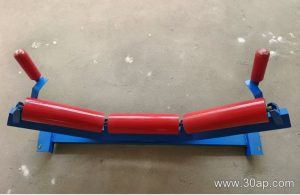
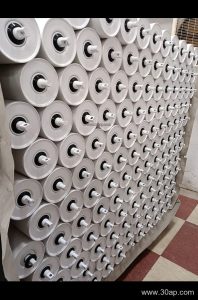
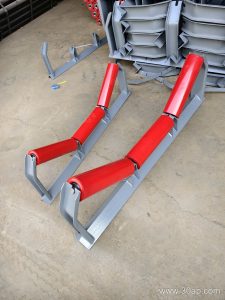
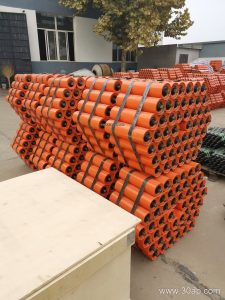
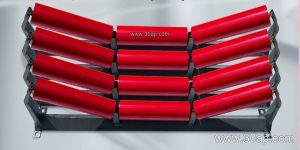
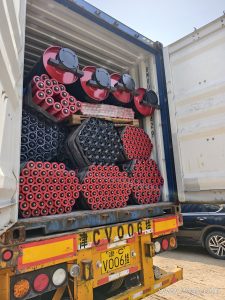
Supporting components matter as much as the belt. A 1000mm belt runs on idler rollers sized for the load, turns over conveyor pulleys at the drive, tail and bend positions, and is held by conveyor brackets and frames. Drive, tail and bend pulleys are separate components with separate duties; they are not interchangeable names. The belt width does not by itself fix the pulley diameter or shaft size, so those parts should be matched to the conveyor design and belt tension.
Buyer Checklist
- Confirm the required strength grade and carcass type for the conveyor layout, not just the width.
- Match cover gauge and grade to material abrasion, lump size, temperature and oil exposure.
- Specify surface form if the route has inclines, steep sections or spillage risk.
- Check whether an endless conveyor belt is needed to reduce splice time on site.
- Confirm pulley diameters and idler spacing with the conveyor designer; do not assume they follow from belt width.
- Ask for the belt’s measured thickness, weight and splice method before ordering.
For buyers comparing suppliers, a clear specification of width, carcass, strength grade, cover gauge and special properties is more useful than a generic product name. A well-specified 1000mm conveyor belt will give predictable service in mines, cement works, power stations and aggregate plants, provided the conveyor structure and components are matched to the duty.