Understanding the Return Idler Bracket
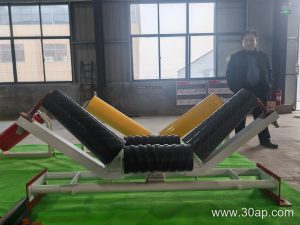
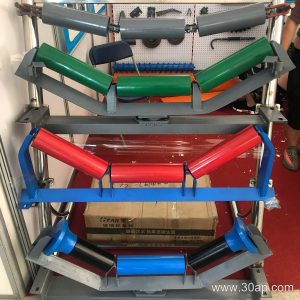
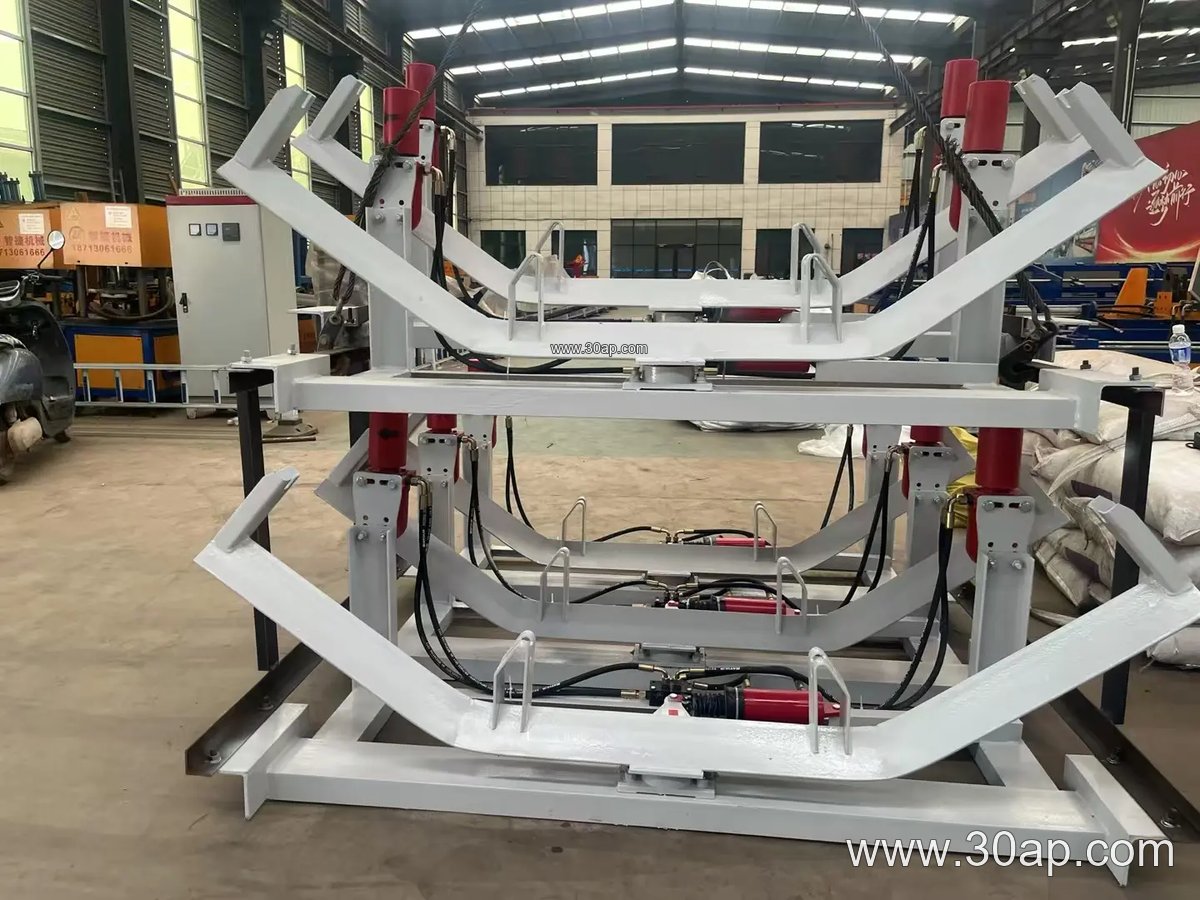
The return idler bracket, also called a return roller bracket, is a structural component that supports the return idlers beneath the conveyor belt on the carrying side’s return run. It holds the idler roller in place, maintains proper belt alignment, and contributes to the overall stability of the conveyor system. In industries such as mining, coal preparation, cement plants, and power plant coal handling, this bracket ensures the belt returns smoothly after discharging material. At [domain] we often see how a well-designed conveyor bracket reduces wear on the belt and idlers, extending service life.
Construction and Materials
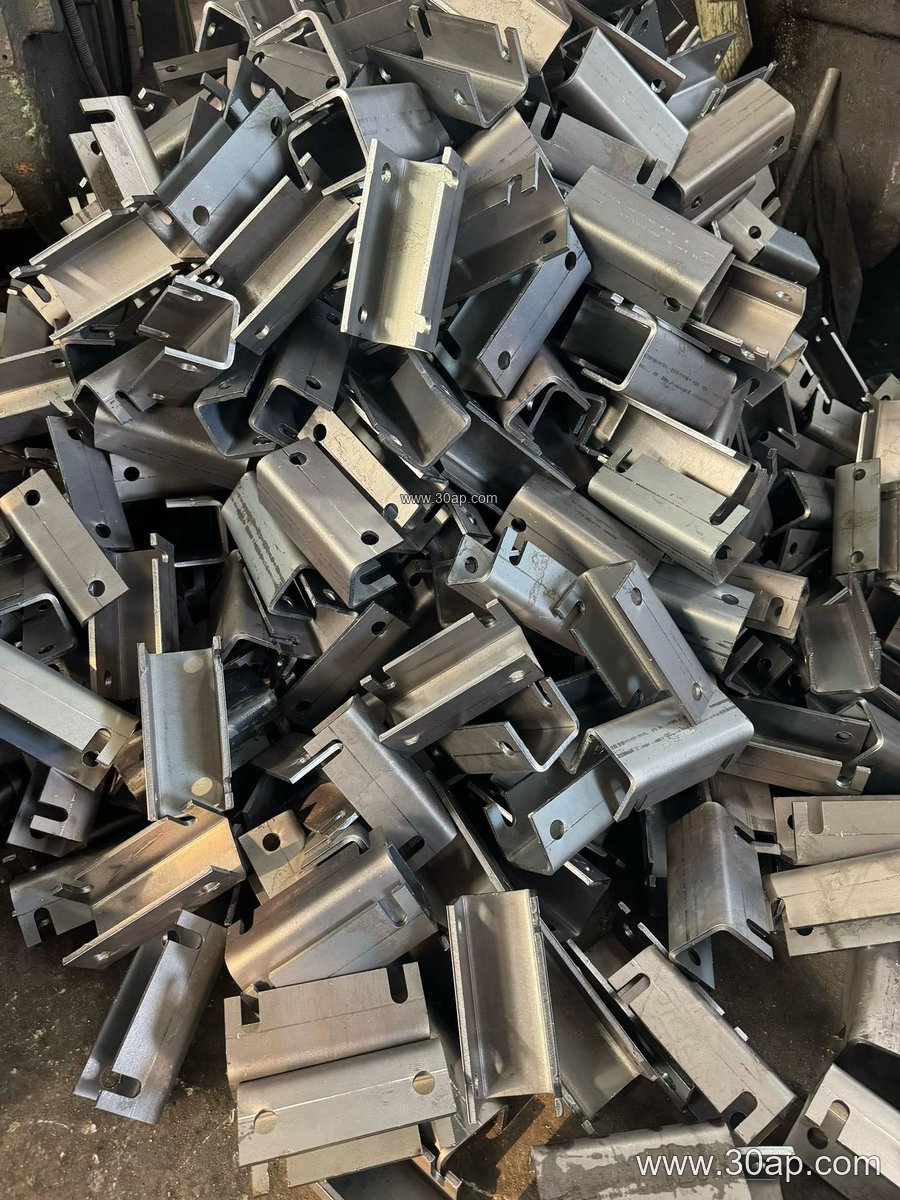
Return idler brackets are typically fabricated from angle steel, channel steel, or bent steel plate. The choice of material depends on the load and environmental conditions. Common surface treatments include painting or galvanizing to resist corrosion. The bracket’s design must accommodate the idler shaft and allow for easy installation and maintenance. For instance, a bracket for a B800 belt with 30-degree trough angle might use a specific mounting hole spacing, but this varies with design. Our [domain] experts emphasize that the bracket’s strength and rigidity are critical to prevent misalignment and premature idler failure.
Where It Is Used
You will find return idler brackets in a variety of bulk material handling operations. In a quarry or sand and gravel line, they support the belt on the return side, helping to keep the conveyor tracking true. In cement plants, they endure dusty conditions and high loads. In power plants handling coal, they must resist both abrasion and potential flame exposure. The bracket works in tandem with the conveyor belt and idler roller to maintain tension and alignment. Whether you are running a heavy-duty mining conveyor belt or a fabric core conveyor belt, the return bracket plays a vital role in uptime.
Key Selection Factors for Buyers
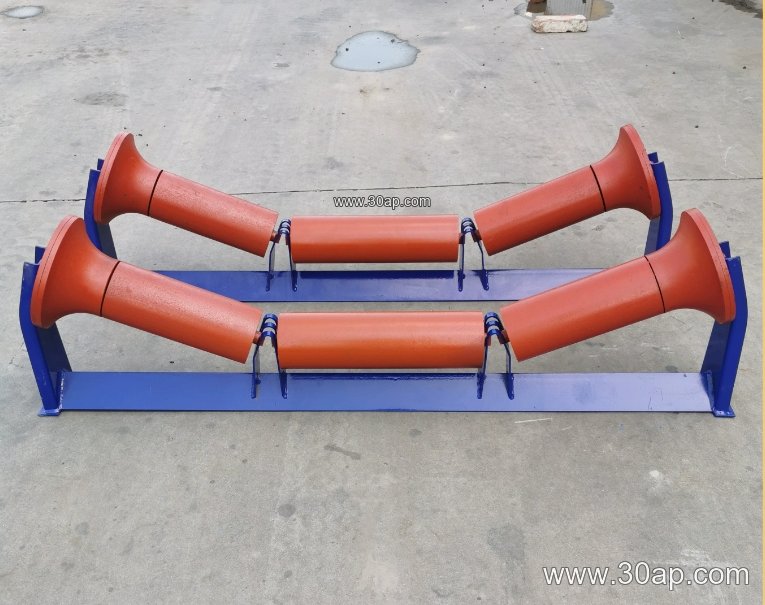
When specifying a return idler bracket, consider the belt width, idler diameter, and mounting requirements. Common belt widths include B500, B650, B800, B1000, B1200, and B1400, but the bracket must match the actual conveyor design. Idler diameters such as Ø89, Ø108, Ø133, and Ø159 are typical. The bracket type—fixed or adjustable—affects maintenance and belt training. Adjustable brackets allow fine-tuning of the idler position to optimize belt tracking. Also, consider the environment: in coal mining, flame retardant conveyor belt and anti-static properties may be required, and the bracket should be compatible with such belts. For corrosive settings, a coated bracket is advisable. Always refer to the conveyor manufacturer’s specifications for hole spacing and load ratings.
Maintenance and Compatibility
Regular inspection of return idler brackets helps prevent belt damage. Check for loose bolts, corrosion, or deformation. A worn bracket can cause the return idler to misalign, leading to edge wear on the conveyor belt. When replacing, ensure the new bracket matches the existing idler roller and belt width. At [domain] we recommend keeping spare brackets for critical conveyors. Whether your system uses an EP conveyor belt or a steel cord conveyor belt, the return bracket should be rated for the load. In dusty or wet conditions, stainless steel or galvanized brackets may offer better longevity.
Conclusion
The return idler bracket is a small but essential part of any conveyor system. By selecting the right bracket for your belt width, idler size, and operating environment, you can improve reliability and reduce maintenance costs. For more information on conveyor components, visit [domain] for guidance on belts, idlers, and pulleys.