What This Belt Is and Why It Matters
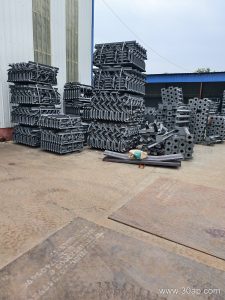
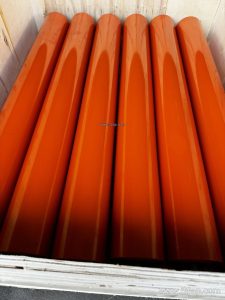
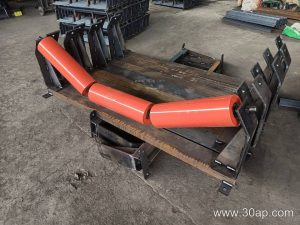
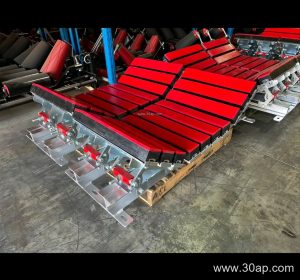
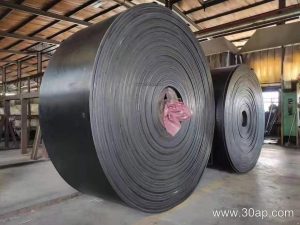
The Underground Coal Mining Conveyor Belt is a heavy-duty fabric or steel-cord reinforced rubber belt engineered for continuous haulage in confined, dusty, and often wet mine roadways. Unlike a general-purpose conveyor belt, this product must handle lump coal, rock partings, and occasional impact loads while resisting flame propagation and static buildup. In coal mines, the belt works alongside idler rollers, conveyor pulleys, and sturdy conveyor brackets that keep the line aligned and tensioned through dips and curves. A well-matched Mining Conveyor Belt reduces spillage and downtime, whether the section produces metallurgical coal or thermal coal for power plants.
Construction and Material Choices
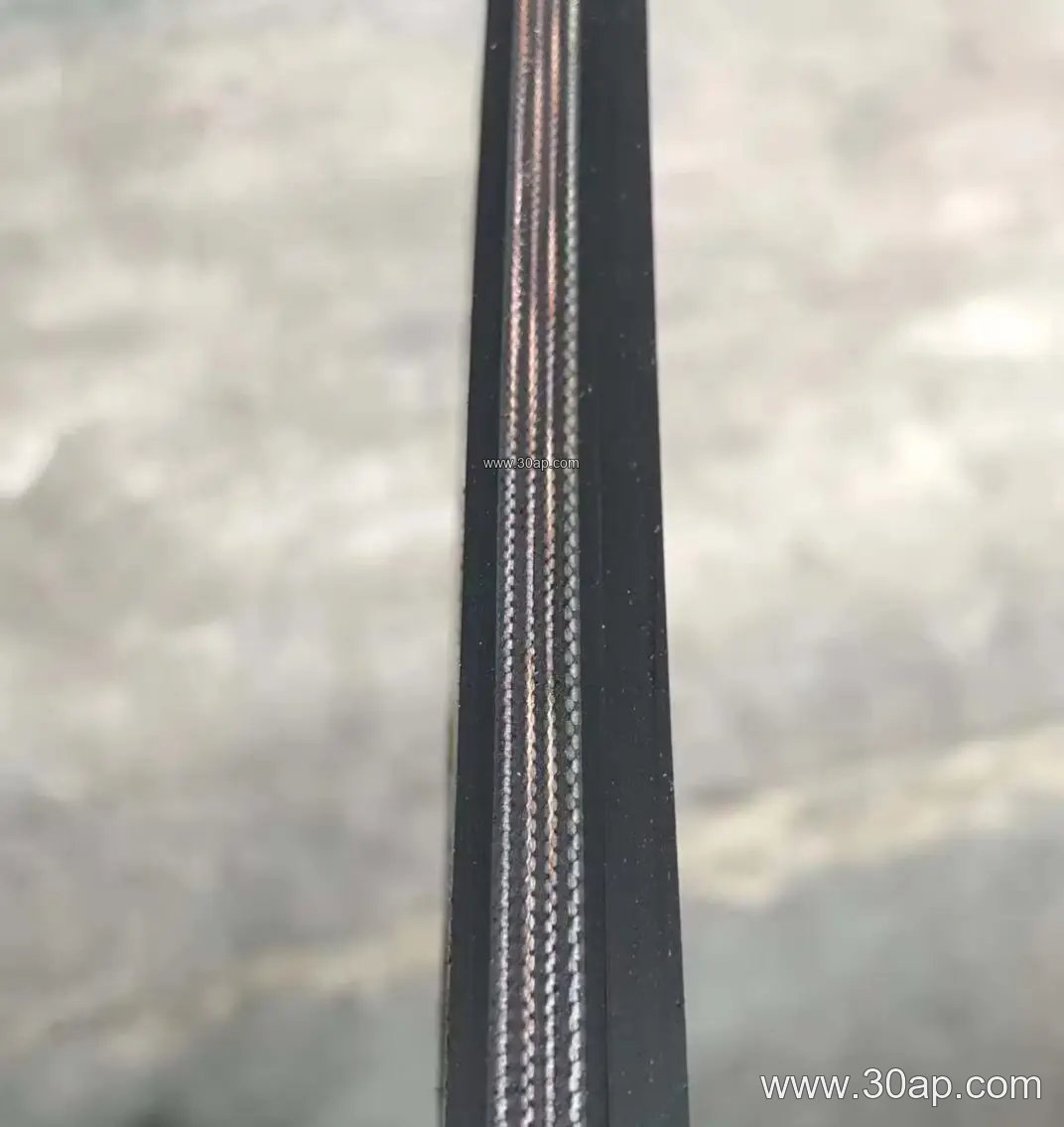
The carcass usually consists of multi-ply fabric (EP or NN) or steel cord, protected by top and bottom rubber covers. For underground service, Flame Retardant Conveyor Belt and Anti-Static Conveyor Belt properties are commonly specified because methane and coal dust demand extra caution. Buyers may also request a PVG Conveyor Belt, where the cover is based on polyvinyl chloride blended with rubber for better fire resistance. The table below shows typical reference data, not fixed supply promises; final values depend on the mine plan and manufacturer.
| Property | Common reference range |
|---|---|
| Belt width | B650, B800, B1000, B1200, B1400, B1600, B1800 |
| Fabric strength grades | EP200, EP400, EP630, EP800, EP1000, EP1250 |
| Steel cord grades | ST1000, ST1250, ST1600, ST2000 |
| Cover thickness (top + bottom) | 4+2 mm, 5+2 mm, 6+2 mm, 8+3 mm |
| Carcass plies | 2 to 6 layers for fabric core |
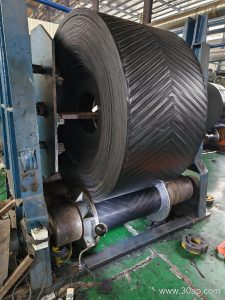
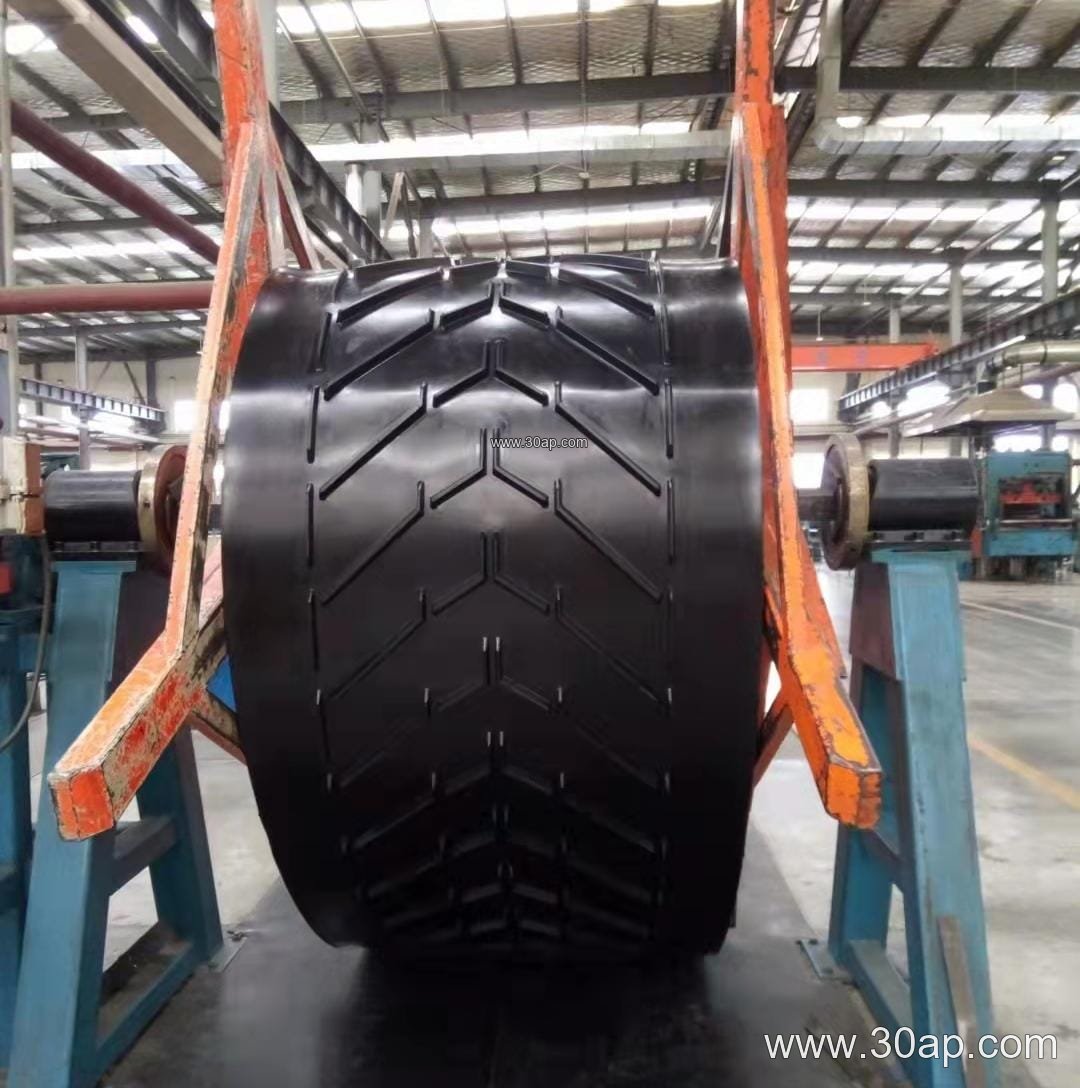
For long, high-tension trunk conveyors, a Steel Cord Conveyor Belt such as ST1600 or ST2000 is often chosen. For gate roads and shorter faces, an EP Conveyor Belt or NN Conveyor Belt with 3 to 5 plies may be sufficient. Where coal is wet and sticky, a Chevron Conveyor Belt can improve grip on inclines, but it is a different subtype and not a direct substitute for the flat Underground Coal Mining Conveyor Belt on main haulage.
Where It Is Used Across Industry
Although the focus is underground coal, similar belt constructions appear in cement plants, power plant coal yards, quarries, and sand making plants. A Cement Conveyor Belt or Quarry Conveyor Belt may share the same fabric core but without the same flame-retardant emphasis. In coal preparation plants and ship loading conveyors, a Bulk Material Conveyor Belt with abrasion-resistant covers handles washed coal and rejects. The same Underground Mining Conveyor Belt family also serves potash and salt mines where humidity and fines demand reliable tracking.
Selection and Specification Notes
Start with the peak tonnage, lump size, and incline angle. The belt width must suit the material profile and the existing conveyor pulley face; never assume that one belt width matches only one pulley diameter, because drive, tail, and bend pulleys are sized by tension and wrap angle. Check the cover grade against the job: an Abrasion Resistant Conveyor Belt for sharp partings, an Oil Resistant Conveyor Belt where gear oil drips, and a Heat Resistant Conveyor Belt only when hot material is present. Keep the same subtype qualifiers when ordering spares, since a corrugated sidewall belt and a flat belt are not interchangeable.
Installation and Maintenance Basics
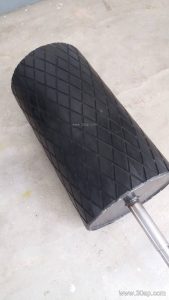
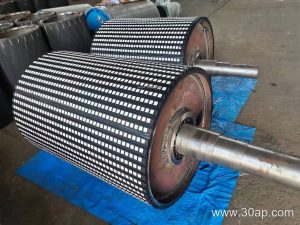
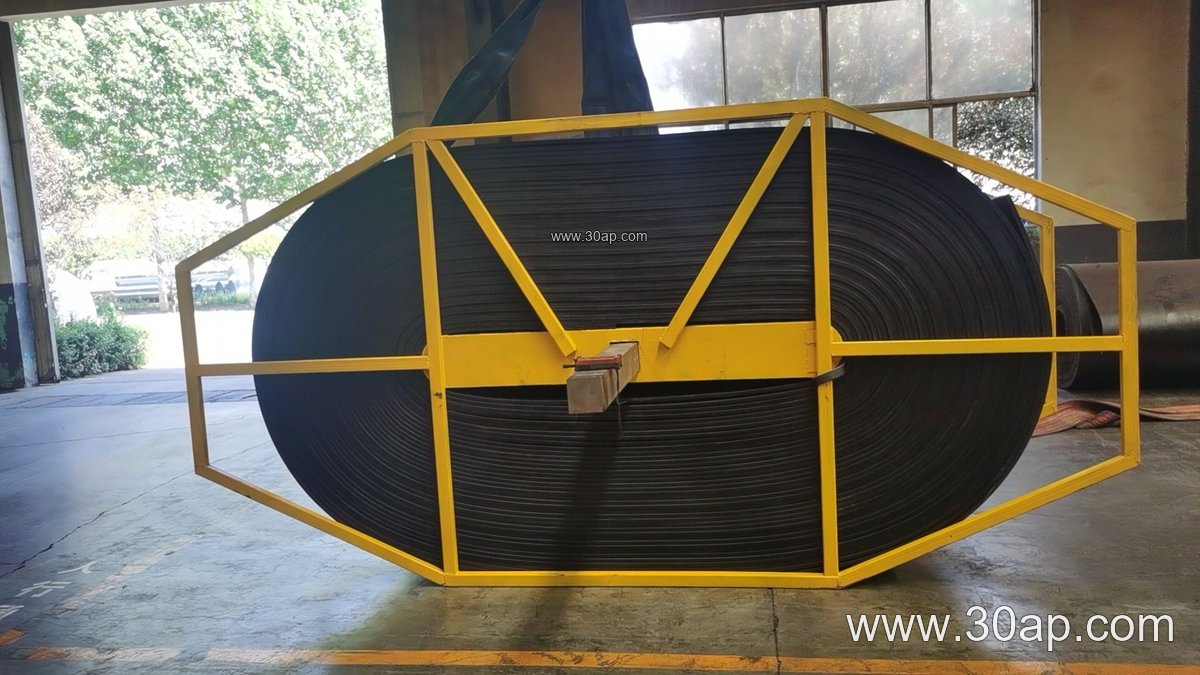
Proper splicing matters as much as the belt itself. Endless Conveyor Belt splices are often made on site with vulcanizing presses. Inspect idler rollers for seized bearings, check conveyor brackets for misalignment, and monitor pulley lagging for wear. A tracking error that seems minor at the tail can rapidly damage edges. Store spare rolls indoors, away from ozone and sunlight, and rotate stock so rubber does not age before installation.
Buyer Checklist
- Confirm flame retardant and anti-static requirements with the mine safety plan.
- Match carcass type (EP, NN, steel cord, PVG) to tension and splice method.
- State cover thickness and grade using the mine’s material test data.
- Ask for the belt’s recommended minimum pulley diameter and take-up travel.
- Verify that idler roller spacing and conveyor bracket dimensions suit the belt width.
For more details on matching belts to pulleys and rollers, visit www.example.com/conveyor-belt and review the Underground Coal Mining Conveyor Belt data sheets before finalizing a purchase order.