What a Conveyor Bracket Does on a Belt Line
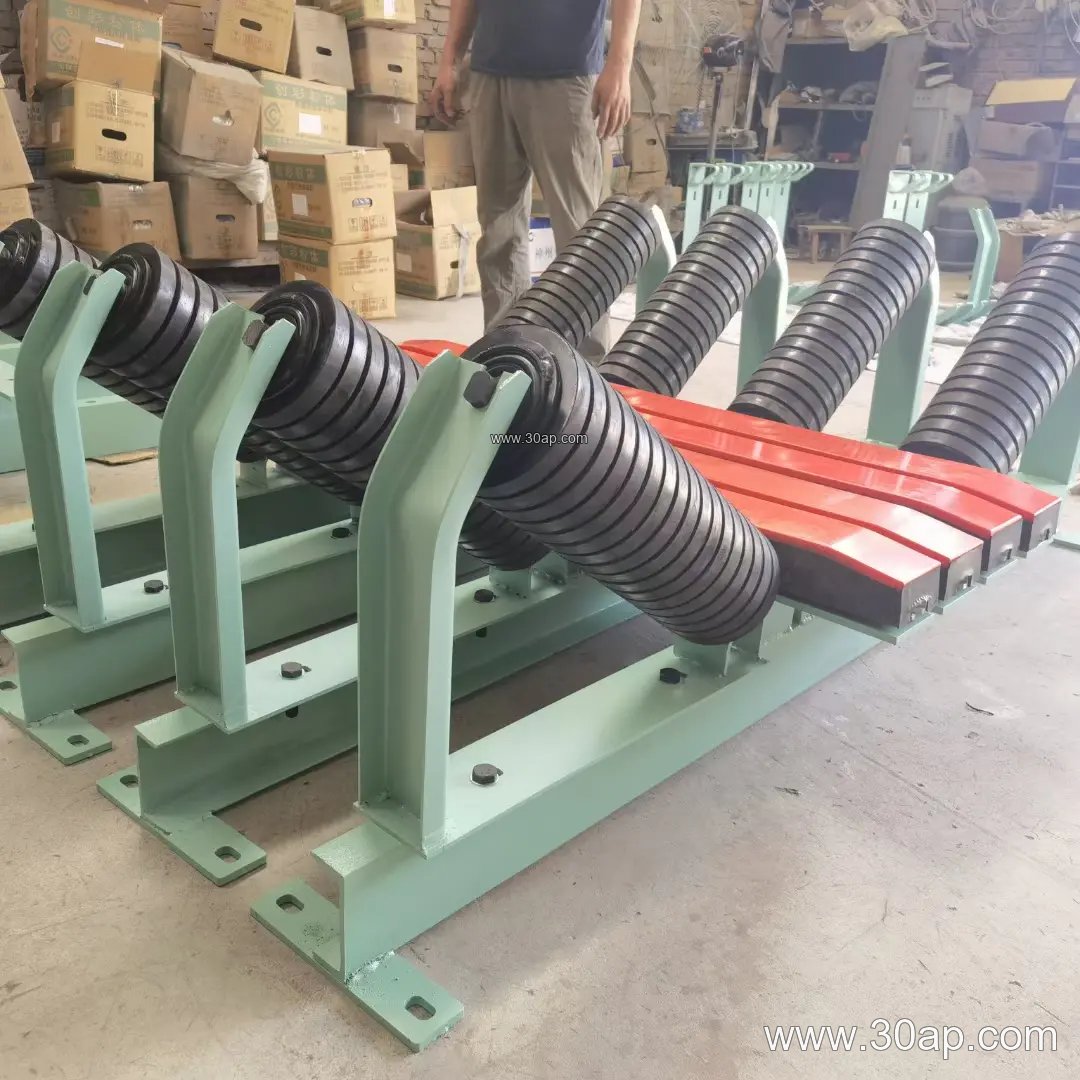
A conveyor bracket is the fabricated frame that holds the idler rollers in position and sets the profile of the belt as it travels. In a typical troughing arrangement, the bracket carries three rollers: one flat centre roller and two angled wing rollers that lift the belt edges into a trough. The bracket itself does not move; what it does is transfer the weight of the belt, the material and the rollers into the conveyor stringer or the supporting structure. Procurement usually centres on the troughing bracket, because it is the part that repeats most often along a line and the part whose geometry most directly shapes belt life.
Buyers often meet the same item under the name troughing idler frame or carrying idler bracket. These are accurate equivalents for the same product. They are not the same thing as a return bracket, a transition bracket or a self-aligning bracket, which have different jobs and different mounting positions.
How the Bracket Is Built
Most troughing brackets are welded assemblies made from angle steel, channel steel or folded steel plate. The two wing arms are set at a fixed troughing angle, while the centre section holds the middle roller. On adjustable versions, the wing arms pivot so the troughing angle can be changed within a range. Common troughing angles are 20, 30, 35 and 45 degrees, and a bracket that adjusts across these values is useful when a line handles several materials or when the belt training needs to be tuned after installation.
Some designs add a slight forward tilt to the wing rollers, usually around 1.5 to 2 degrees, to help the belt centre itself. This is a feature of the bracket geometry, not a separate product class, and it should be confirmed with the supplier rather than assumed.
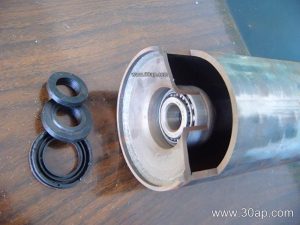
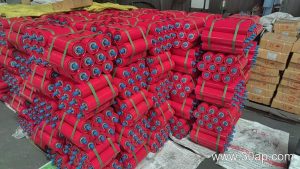
Roller diameter matters as much as the frame. A bracket is normally drilled to suit a specific roller shaft and a specific mounting hole pitch, so the roller diameter and the bracket must be ordered together.
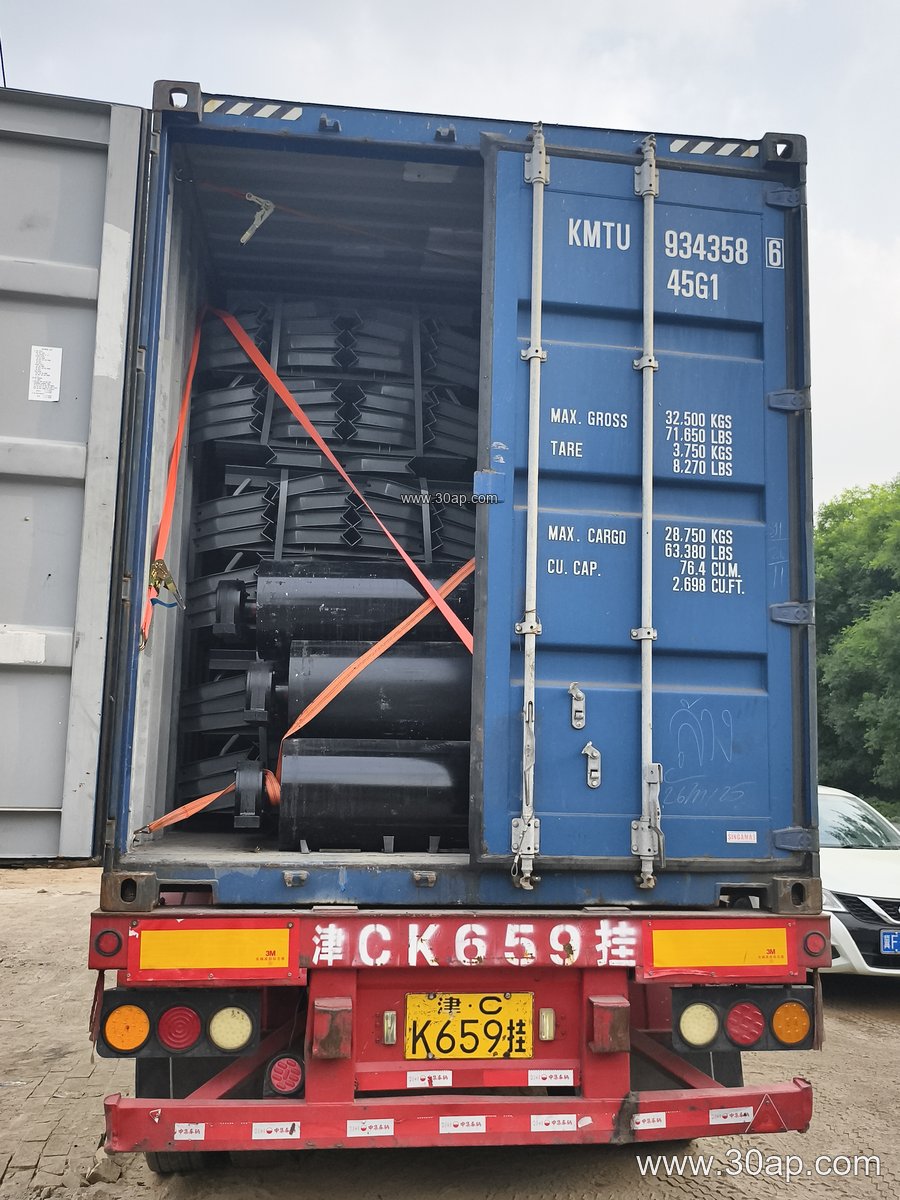
Reference Dimensions Commonly Quoted
The values below are typical reference data, not universal specifications. Actual mounting hole spacing and crossbeam length follow the belt width and troughing angle and are confirmed at design stage.
- Belt width B500 to B2200 (common working range)
- Troughing angle 20, 30, 35 or 45 degrees
- Roller diameter Ø89, Ø108, Ø133, Ø159 or Ø194
- Material angle steel, channel steel, folded plate
Examples of how these combine in a request: B800 with 35 degrees and Ø108 rollers; B1200 with 45 degrees and Ø133 rollers; B650 with 30 degrees and Ø89 rollers. A given belt width does not lock the buyer into a single angle or roller size, and the shaft diameter should always come from the roller supplier, never from the belt width alone.
Where These Frames Are Used
Troughing brackets appear wherever a belt carries bulk material on the load side. In a limestone quarry they sit under a crusher discharge belt that runs a heavy abrasion resistant conveyor belt. In a coal preparation plant they support a flame retardant conveyor belt on the raw coal line. Cement plants use them on clinker and raw meal belts, and power plant coal yards use them on long inclined runs. The same frame type also appears in sand and gravel lines, fertilizer plants and grain silos, though the material and the environment change the surface treatment and the roller choice.
On a long overland line, the bracket spacing and the belt tension interact. A steel cord conveyor belt may allow wider spacing than a multi-ply fabric core belt, but the decision belongs to the conveyor designer.
Procurement Points to Settle Before Ordering
The most common procurement error is ordering brackets and rollers separately without matching the interface. Confirm the roller shaft size, the mounting hole pitch and the frame height as one package. Second, decide whether fixed or adjustable brackets are needed; adjustable frames cost more but simplify belt training and let a plant standardise on one frame across several lines. Third, check the mounting interface with the stringer: hole positions on an existing conveyor rarely match a new supplier’s standard pattern.
Surface treatment also deserves a line in the enquiry. A wash plant or a port handling salt-laden air will need a different finish from a dry cement plant. On the belt side, the bracket should be checked against the belt it carries, for example a chevron conveyor belt with raised cleats, or a corrugated sidewall belt whose cleats pass close to the frame.
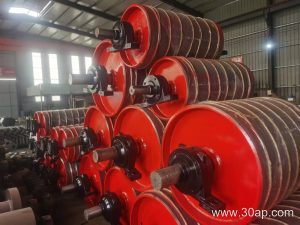
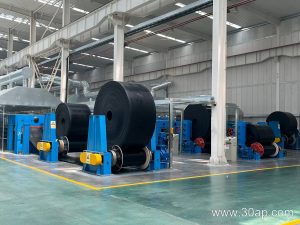
Finally, ask for the bracket drawing with the roller positions marked. A drawing makes it obvious whether the quoted frame suits the intended idler roller and belt width before anything is fabricated. For buyers sourcing complete belt systems, it also helps to keep the bracket order aligned with the conveyor pulley and conveyor belt delivery schedule at www.hnconveyorbelt.com so installation does not stall on a missing frame.
Keeping the Order Practical
A short specification is enough for most enquiries: belt width, troughing angle, roller diameter, material, mounting pattern and finish. Add the belt type if it is known, since an abrasion resistant conveyor belt and a heat resistant conveyor belt may call for different roller and frame choices. With those points fixed, the conveyor bracket procurement process becomes a straightforward matter of matching drawings rather than reworking frames on site.