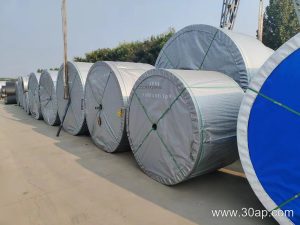
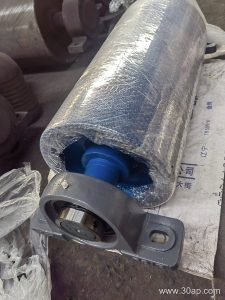
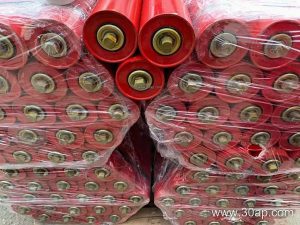
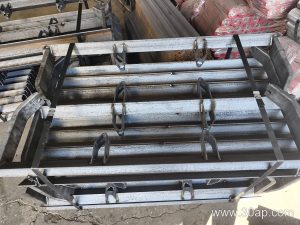
What the EP1250 1800mm Conveyor Belt Is
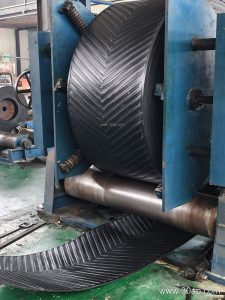
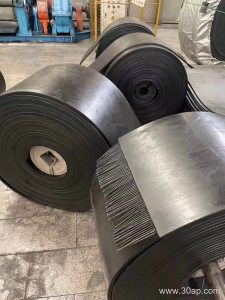
The EP1250 1800mm conveyor belt is a wide, heavy-duty fabric-core belt built on EP (polyester-cotton) carcass plies and finished at a nominal width of 1800 mm. In everyday plant language it may be called an 1800mm EP1250 belt or an EP1250 EP conveyor belt; all of these names point to the same product. The EP1250 rating refers to the tensile strength class of the carcass, while the 1800 mm figure defines the belt width. Together they describe a belt aimed at high-volume conveying where both strength and wide coverage matter.
This is a subtype of the wider EP conveyor belt family. It is not a steel cord belt, nor is it an NN conveyor belt, although those products may appear on the same conveyor system in other positions. For very long, high-tension lines a steel cord conveyor belt is sometimes compared, but the EP1250 1800mm belt remains the subject here.
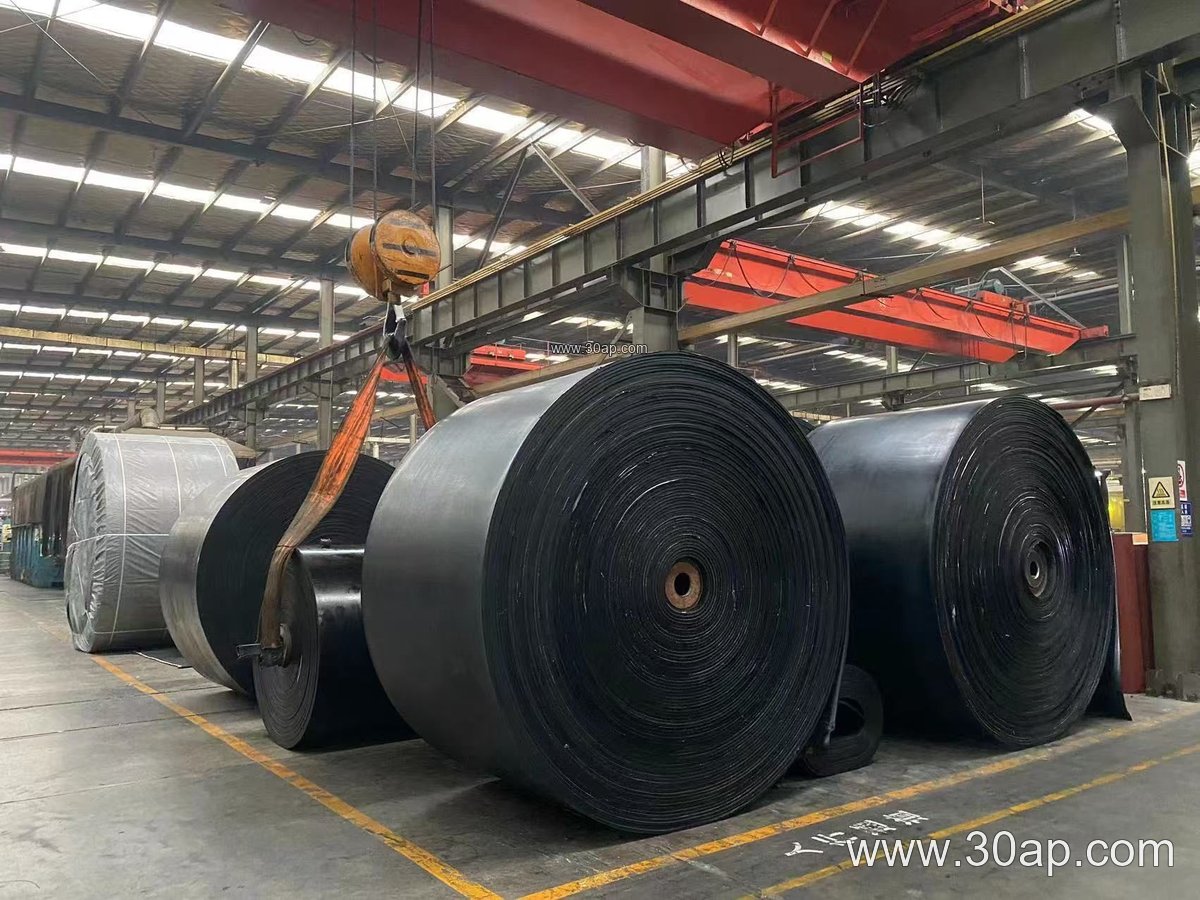
Construction and Build
A typical EP1250 1800mm conveyor belt uses multiple fabric plies, usually two to six layers depending on the design load, bonded with rubber skim compound. Top and bottom cover rubber protect the carcass from abrasion, moisture and impact. Common cover combinations include 4+2 mm, 5+2 mm, 6+2 mm and 8+3 mm, though the final gauge is set by the application rather than by the width alone.
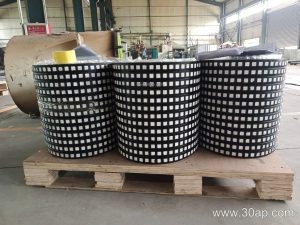
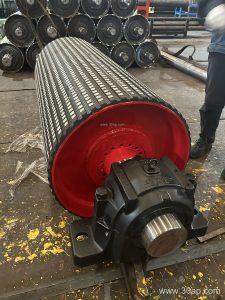
The 1800 mm width places this belt in the wide-belt category, often alongside 1600mm and 2000mm options. Wide belts demand careful pulley and idler roller alignment, because tracking errors become more visible as width increases. A conveyor pulley at the head and tail, together with troughing idlers and a sturdy conveyor bracket frame, must be matched to the belt’s mass and tension. Note that drive pulleys, tail pulleys and bend pulleys are distinct components with different duties and are not interchangeable.
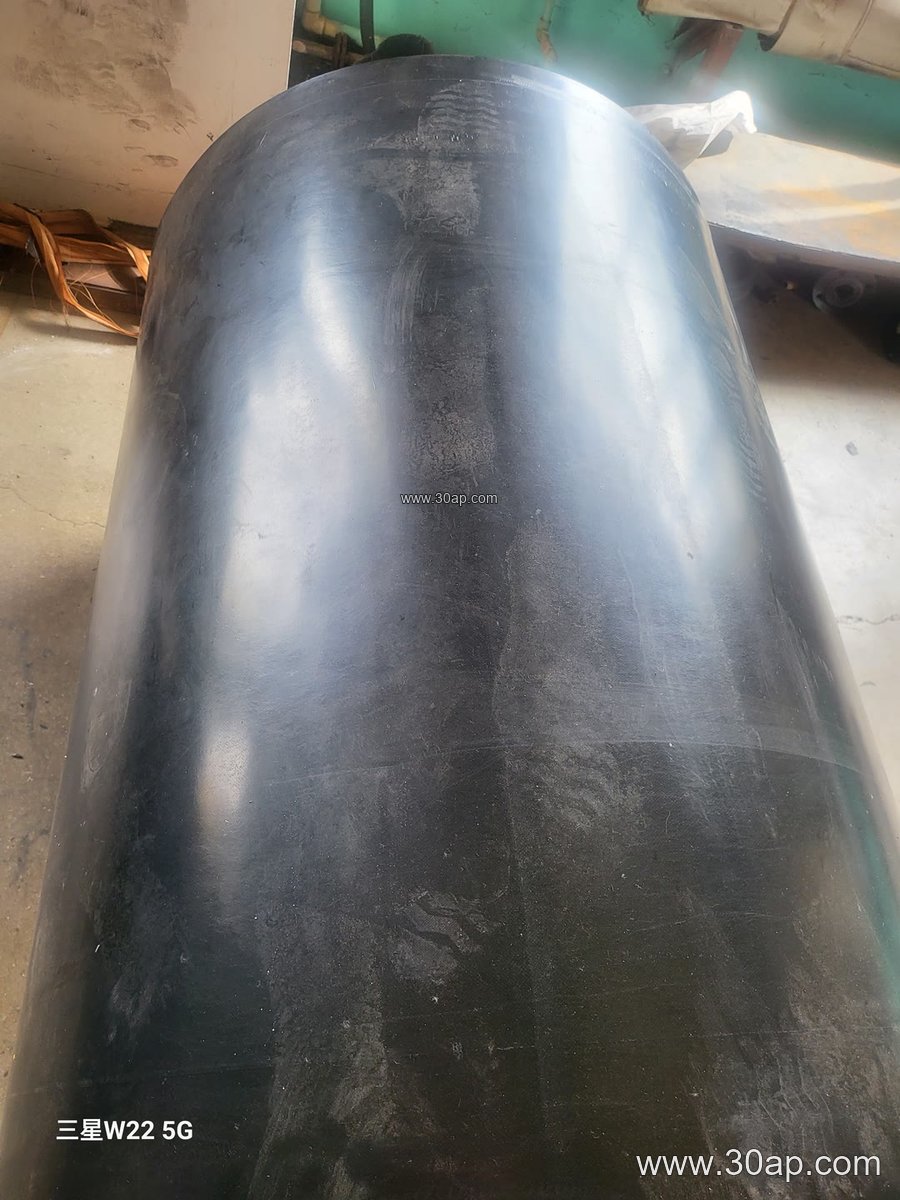
Where It Fits in the Plant
Wide EP belts are common in mines, coal preparation plants, cement works, power stations, quarries, sand and aggregate yards, ports and steel plants. An EP1250 1800mm conveyor belt can carry bulk material conveyor belt loads such as crushed rock, ore, clinker, limestone and coal over long distances at high tonnage.
Depending on the duty, the belt may be supplied as an abrasion resistant conveyor belt, a flame retardant conveyor belt for coal mining conveyor belt service, or a heat resistant conveyor belt where hot material is handled. Endless conveyor belt versions are used where splice-free running is preferred. In dusty or explosive atmospheres an anti-static conveyor belt grade may be specified.
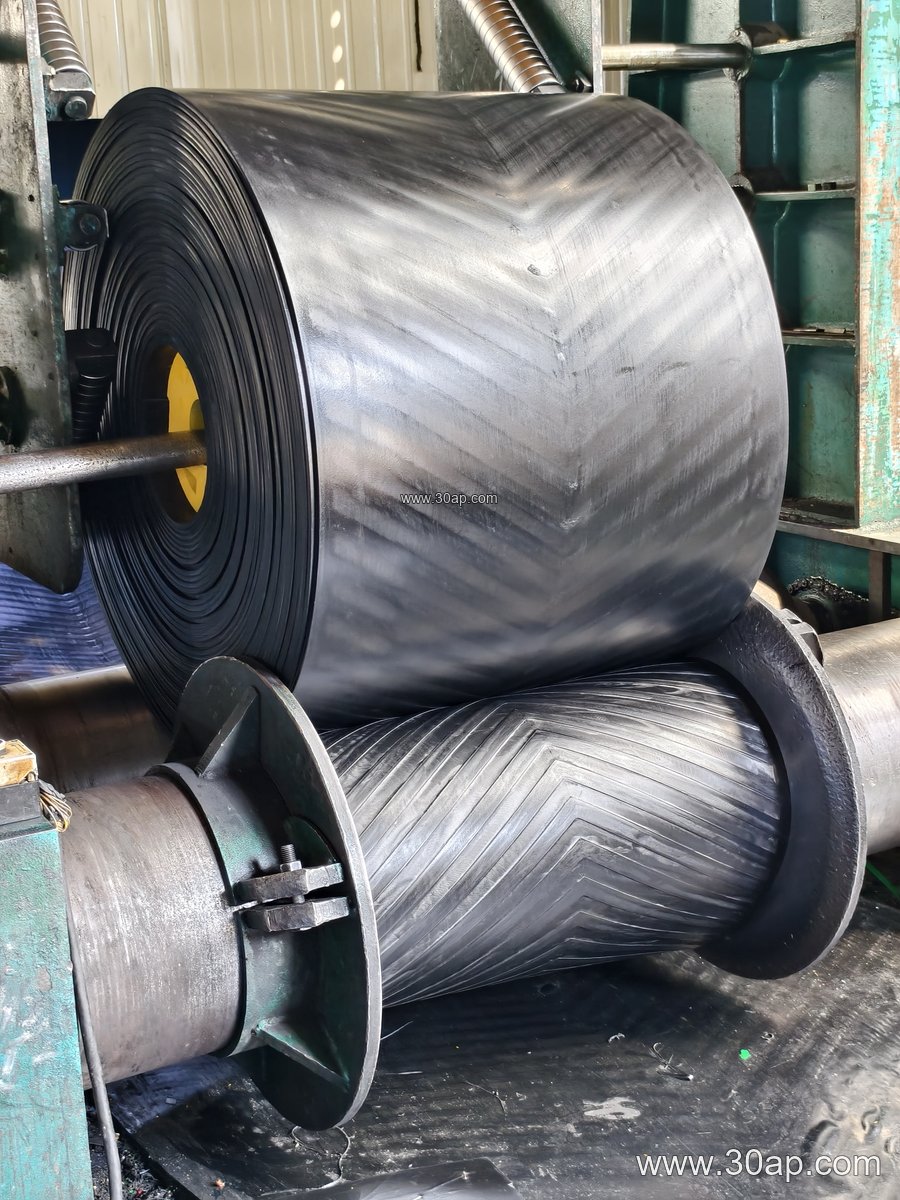
Specifications to Confirm Before Ordering
Values below are common reference points only; actual supply should follow the approved drawing and the manufacturer’s data sheet.
| Parameter | Typical Reference |
|---|---|
| Belt type | EP1250 EP fabric core conveyor belt |
| Nominal width | 1800 mm (B1800) |
| Carcass plies | 2 to 6, by design |
| Cover thickness | 4+2, 5+2, 6+2, 8+3 mm common |
| Related widths | 1600mm, 2000mm, 2200mm |
| Related strength classes | EP1000, EP1250, EP1600 |
Buyers should also confirm belt mass per square metre, minimum pulley diameter recommended by the maker, splice method, and whether the covers need special properties such as oil resistance or cold resistance. The shaft diameter of any conveyor pulley must be calculated from the actual load case, not assumed from the 1800 mm belt width.
Selection and Maintenance Notes
- Check that the troughing idler roller angle and spacing suit the 1800 mm width and the material lump size.
- Verify that the drive pulley, tail pulley and bend pulley are correctly sized for the EP1250 tension class.
- Keep the conveyor bracket and frame square so the wide belt tracks evenly.
- Inspect splices and edges regularly; edge damage on wide belts can spread quickly.
- Match cover compound to the duty, for example abrasion resistant for rock or heat resistant for clinker.
For a reliable quote, provide the material, tonnage, incline, pulley diameters and ambient conditions. The EP1250 1800mm conveyor belt is a strong, wide fabric-core choice, but its performance depends on correct matching with pulleys, idlers and frame. More belt and component details are available at www.beltconveyorspareparts.com for conveyor belt, idler roller and conveyor pulley selection.