What a Bulk Material Conveyor Belt Does
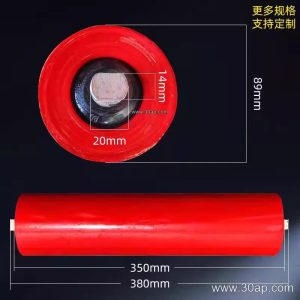
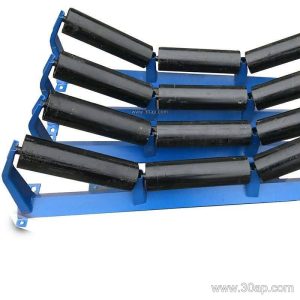
A bulk material conveyor belt is the load-carrying element of a continuous haulage system. It moves crushed rock, coal, clinker, ore, sand, gravel and similar loose materials along a fixed route, often over long distances and at high tonnage. In a mine, quarry, cement works, power station or sand and gravel plant, the belt works together with idler rollers, conveyor pulleys and a steel conveyor bracket frame to form a complete conveying line. The belt itself is only one part, but it is usually the part that decides how much material the line can carry and how long the line runs between stoppages.
Because the duty is heavy and abrasive, buyers often describe this product by its application: a mining conveyor belt, quarry conveyor belt, cement conveyor belt or power plant conveyor belt. These are all descriptions of the same core product, and the construction underneath is what really matters.
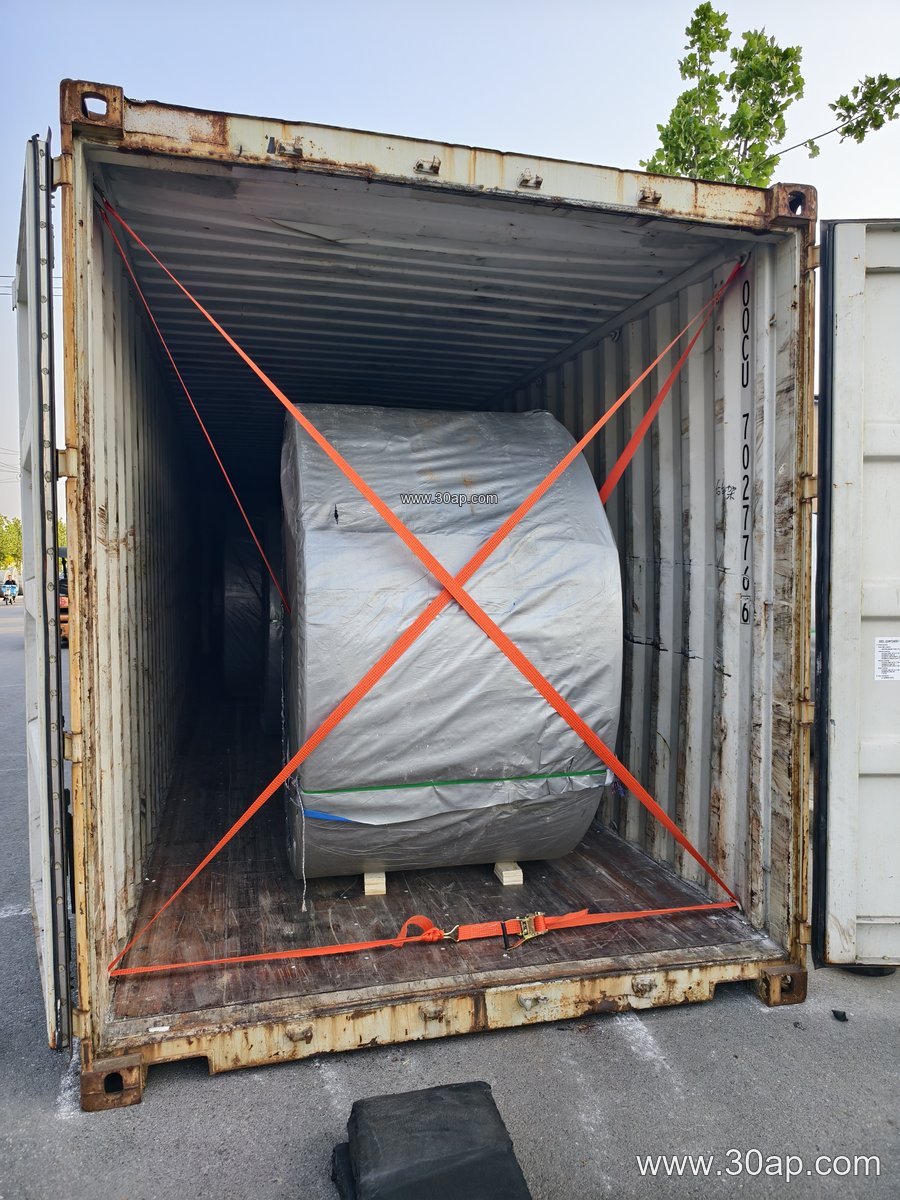
How the Belt Is Built
A typical bulk material conveyor belt has three functional layers. The carcass carries the tension, the cover rubber protects the carcass from wear and the environment, and the bond between them keeps the whole structure together under repeated flexing.
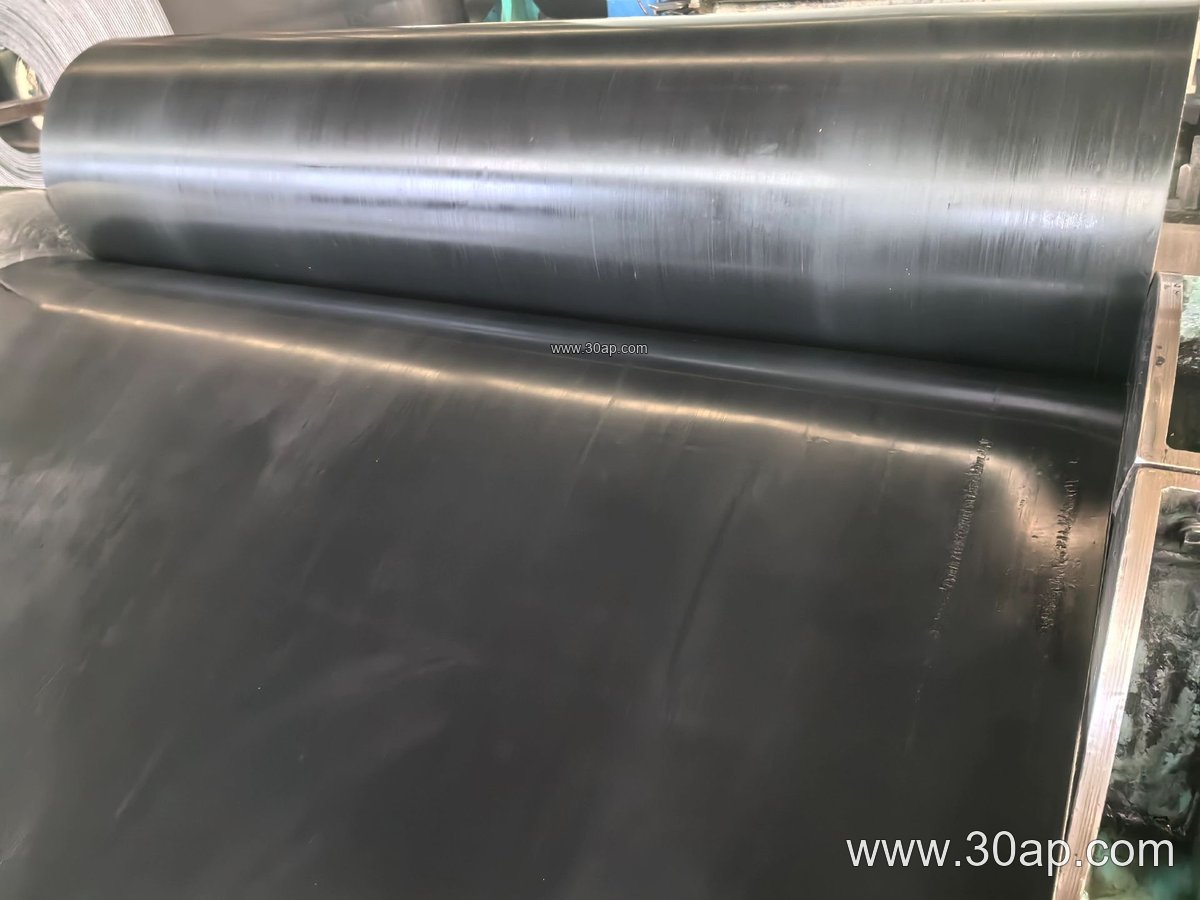
- Carcass: fabric plies (EP or NN), a single-layer steel cord, or solid-woven PVC/PVG construction.
- Top cover: the surface that receives the material, usually the thicker cover in a 5+2 mm or 6+2 mm arrangement.
- Bottom cover: the pulley side, usually thinner, for example 3+1.5 mm or 4+2 mm total.
Fabric carcasses are common in general bulk handling. An EP conveyor belt uses polyester warp and nylon weft, while an NN conveyor belt uses nylon in both directions. Where tensile strength per unit width must be very high, a steel cord conveyor belt is chosen instead. For underground coal work, flame retardant and anti-static properties are normally required, and PVG solid-woven belts are widely used in that role.
Common Specifications and How They Are Expressed
Belt strength, width and cover thickness are usually written together because they are selected together. The values below are common reference points, not fixed rules; final figures are determined by the conveyor design.
| Parameter | Common reference values |
|---|---|
| Fabric carcass grade | EP200, EP315, EP400, EP500, EP630, EP800, EP1000, EP1250 |
| Steel cord grade | ST1000, ST1250, ST1600, ST2000 |
| Belt width | B500, B650, B800, B1000, B1200, B1400, B1600, B1800 |
| Cover thickness | 3+1.5, 4+2, 5+2, 6+2, 8+3 mm |
| Fabric plies | usually 2 to 6 layers |
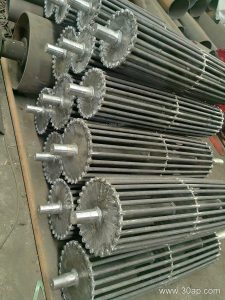
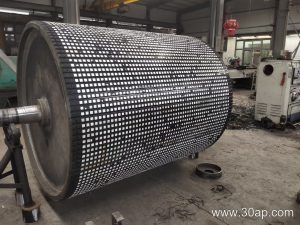
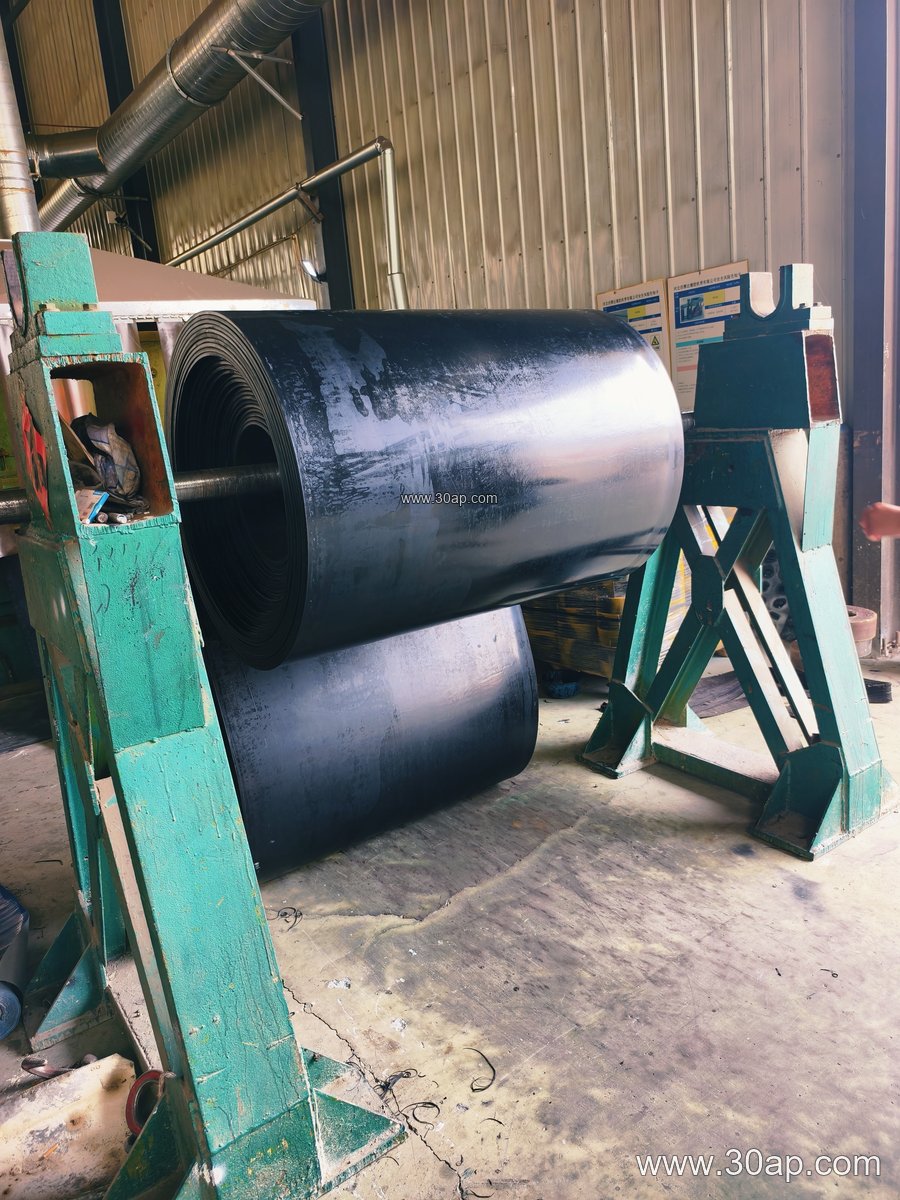
A belt width is matched to the required throughput and lump size, and the pulley diameter is then sized to suit the carcass and the belt thickness. One belt width does not dictate a single pulley size, so the drive pulley, tail pulley and bend pulley should be confirmed from the full conveyor calculation rather than from width alone.
Matching the Belt to the Working Conditions
Material and environment drive the cover compound choice more than any other factor.
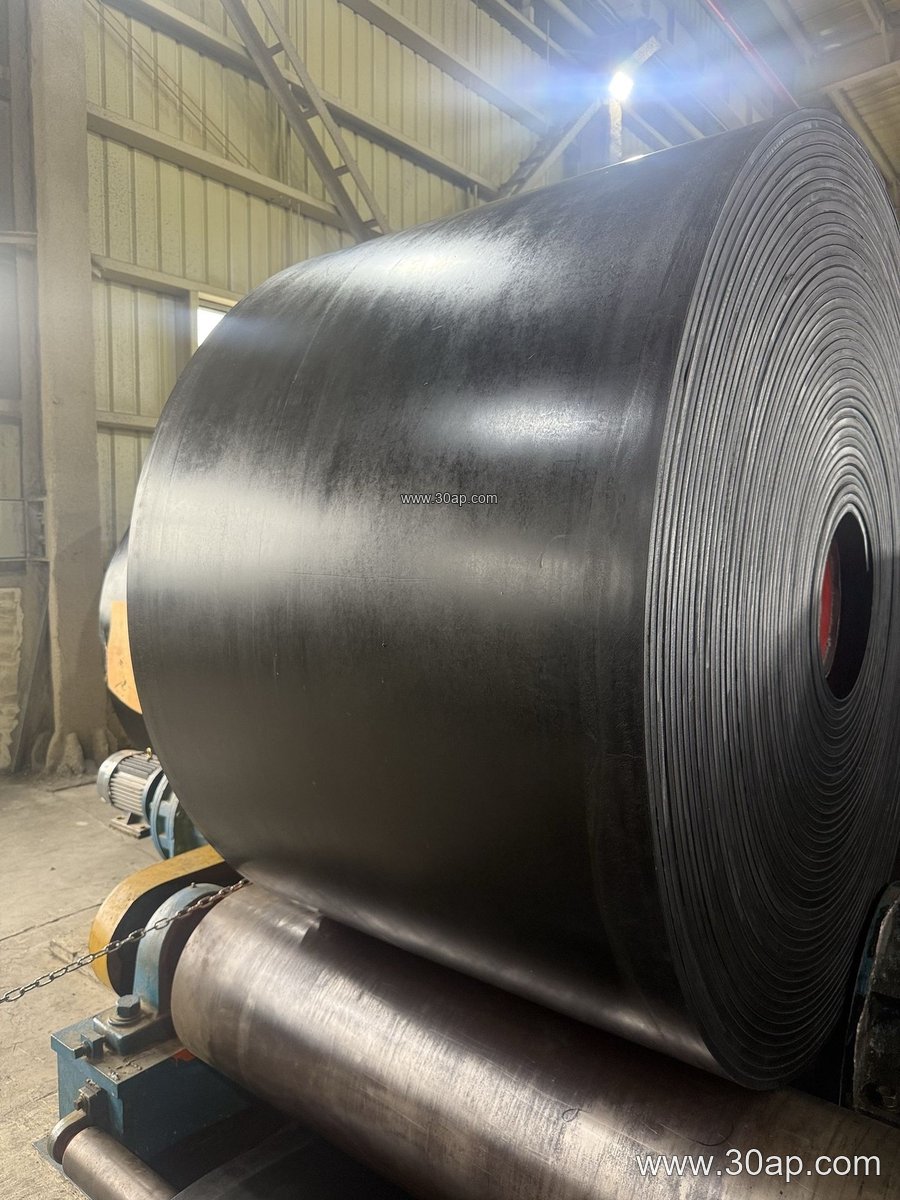
- Abrasive rock and ore: an abrasion resistant conveyor belt with a high abrasion resistant cover reduces top-cover wear on crusher and ore conveyor lines.
- Hot clinker and sinter: a heat resistant conveyor belt or high temperature conveyor belt limits cover hardening and cracking.
- Coal and dusty atmospheres: flame retardant and anti-static grades are typical, especially for underground mining conveyor belts.
- Oily or chemically active loads: oil resistant, acid resistant and chemical resistant covers protect the carcass.
- Cold climates: a cold resistant conveyor belt keeps flexibility at low temperature.
- Steep inclines: a chevron conveyor belt or corrugated sidewall belt can hold material on a slope where a smooth belt would allow slip-back.
For enclosed routes, a pipe conveyor belt carries material in a tubular form and reduces spillage and dust along the line. For high-impact loading points, an impact resistant belt with reinforced breaker plies is often considered.
What a Buyer Should Confirm Before Ordering
Start with the duty, not the price. The material type, maximum lump size, bulk density, tonnage per hour, incline angle, loading method and ambient temperature all shape the specification. Then confirm the carcass grade and number of plies, the top and bottom cover thickness, the belt width, and whether the belt is to be supplied as an endless conveyor belt or with mechanical fasteners. Confirm the pulley diameters with the conveyor designer so the belt flexes within its allowance, and check that the idler roller spacing at the loading zone supports the belt properly.
Ask for the cover grade in writing, and for flame retardant or anti-static belts ask for the relevant property data rather than a general description. Check edge quality, splice method and any requirement for a skirted conveyor belt at transfer points. A well-specified bulk material conveyor belt is one that matches the tonnage, the material and the environment, and that fits the pulleys and rollers already on the line.