What a Conveyor Bracket Assembly Does
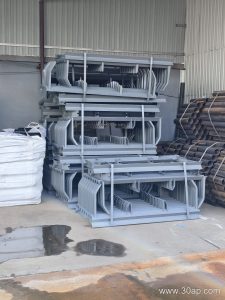
A conveyor bracket assembly is the structural interface between the belt and the conveyor frame. It holds the idler roller in the correct position, sets the trough angle, and keeps the belt profile stable under load. In a quarry or a coal preparation plant, a poorly aligned bracket can cause belt tracking problems, spillage, and premature wear on the conveyor belt. The assembly is not a single part but a group of components—usually a crossbeam, mounting plates, and one or more bracket arms—bolted or welded together to support the rollers.
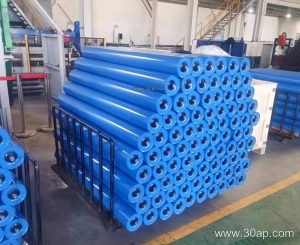
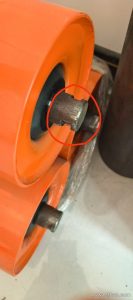
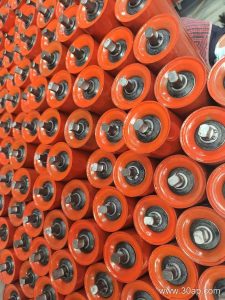
When operators talk about a conveyor bracket, they often mean the complete unit that carries the idler roller on the carrying side. On the return side, a similar bracket assembly supports the return rollers. The term is sometimes used loosely, but in maintenance planning it helps to distinguish the bracket assembly from the roller itself. The bracket carries the load; the roller carries the belt.
Construction and Materials
Most assemblies are fabricated from angle steel, channel steel, or folded steel plate. The choice depends on the duty level and the belt width. For a B800 conveyor in a sand and gravel line, a folded plate bracket with 30-degree troughing arms is common. For a B1200 or B1400 belt in a cement plant, channel steel crossbeams are often used to handle heavier loads. The bracket arms are usually punched or drilled to match the idler roller shaft diameter, such as Ø89, Ø108, Ø133, or Ø159. The mounting hole spacing and crossbeam length vary with belt width and trough angle, so they are determined by design rather than fixed by a single standard.
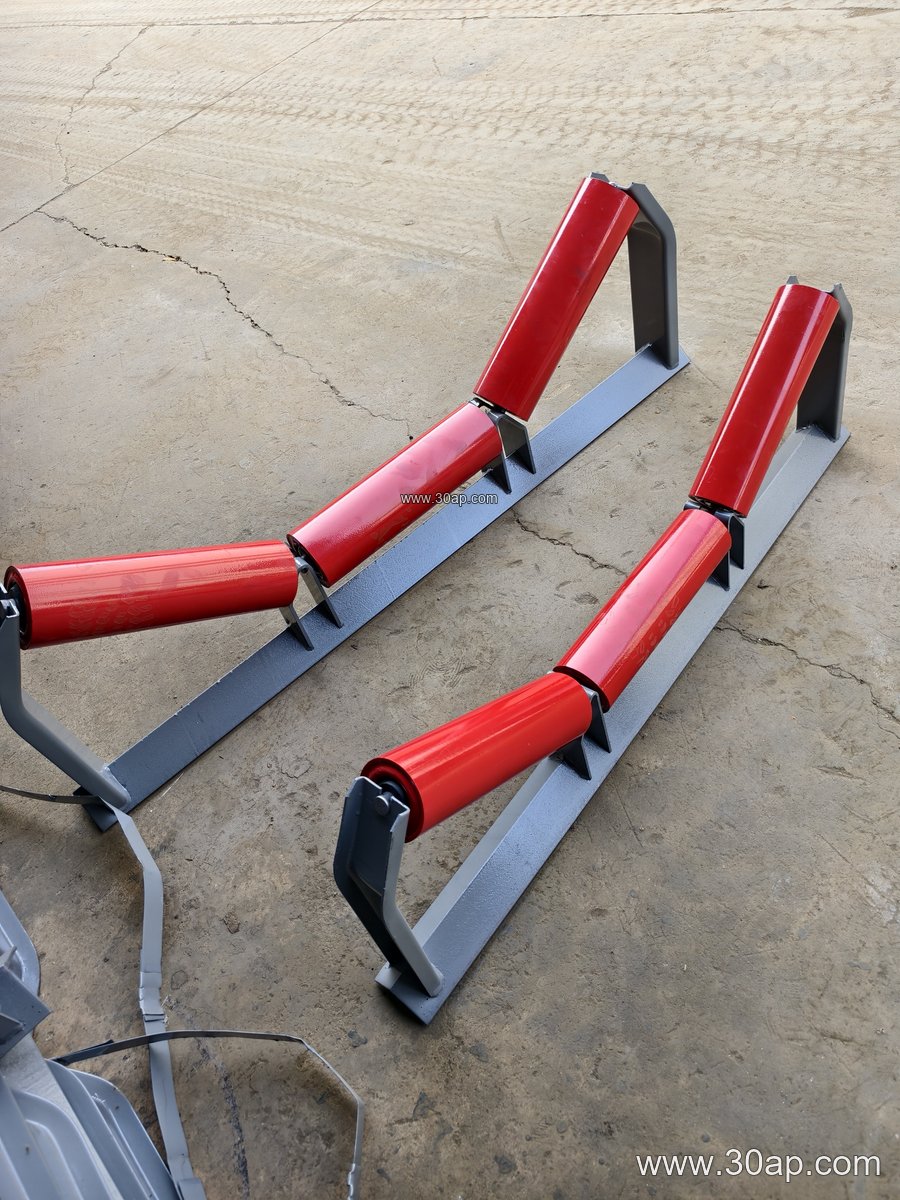
Surface treatment matters in dusty or wet environments. A painted or galvanized finish helps resist corrosion in a wash plant or a port terminal. In an underground coal mining conveyor, flame retardant properties are sometimes specified for nearby components, but the bracket itself is primarily a structural item. Buyers should confirm the material thickness and the welding quality, especially at the joints where the bracket arms meet the crossbeam.
Common Types and Their Roles
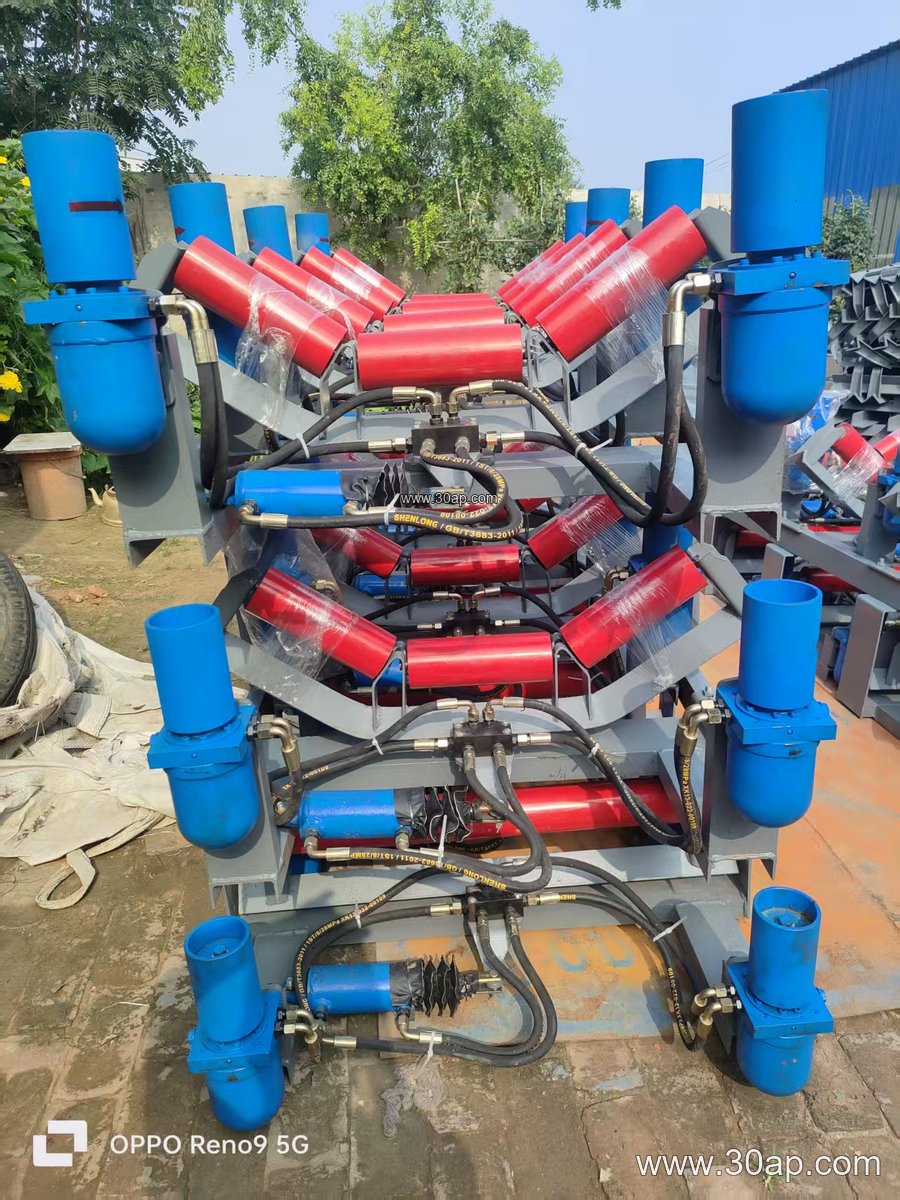
The product family includes several subtypes, each with a specific position on the conveyor. A troughing bracket assembly supports the belt in a trough shape on the carrying side. A return bracket assembly holds the belt on the return run. A transition bracket is used near the head or tail pulley to guide the belt from a flat profile into a trough. An impact bracket, often fitted with buffer rollers, is placed at the loading point to absorb the force of falling material. A self-aligning bracket helps correct belt tracking on long conveyors.
Adjustable brackets allow the trough angle to be changed between common values such as 20, 30, 35, and 45 degrees. This flexibility is useful when a conveyor handles different materials or when the belt needs fine tuning. Fixed brackets are simpler and often preferred where the duty is constant. For a B650 belt with Ø89 rollers, a 30-degree fixed bracket is a typical choice in a small aggregate plant. For a B1000 belt with Ø108 rollers in a power plant coal handling system, a 35-degree adjustable bracket may be used to optimize belt capacity.
Where These Assemblies Are Used
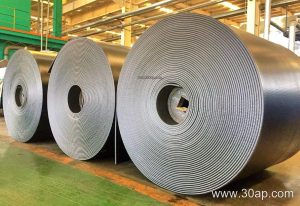
Conveyor bracket assemblies appear wherever a belt conveyor operates. In a limestone mine, they support the belt that carries crushed rock from the crusher to the stockpile. In a cement plant, they hold the rollers under a heat resistant conveyor belt that moves clinker. In a steel plant, they are part of the sinter feed line. The assembly must match the belt width—B500 through B2200 are common—and the roller diameter. A mismatch can cause the belt to ride incorrectly or the roller to sit loose.
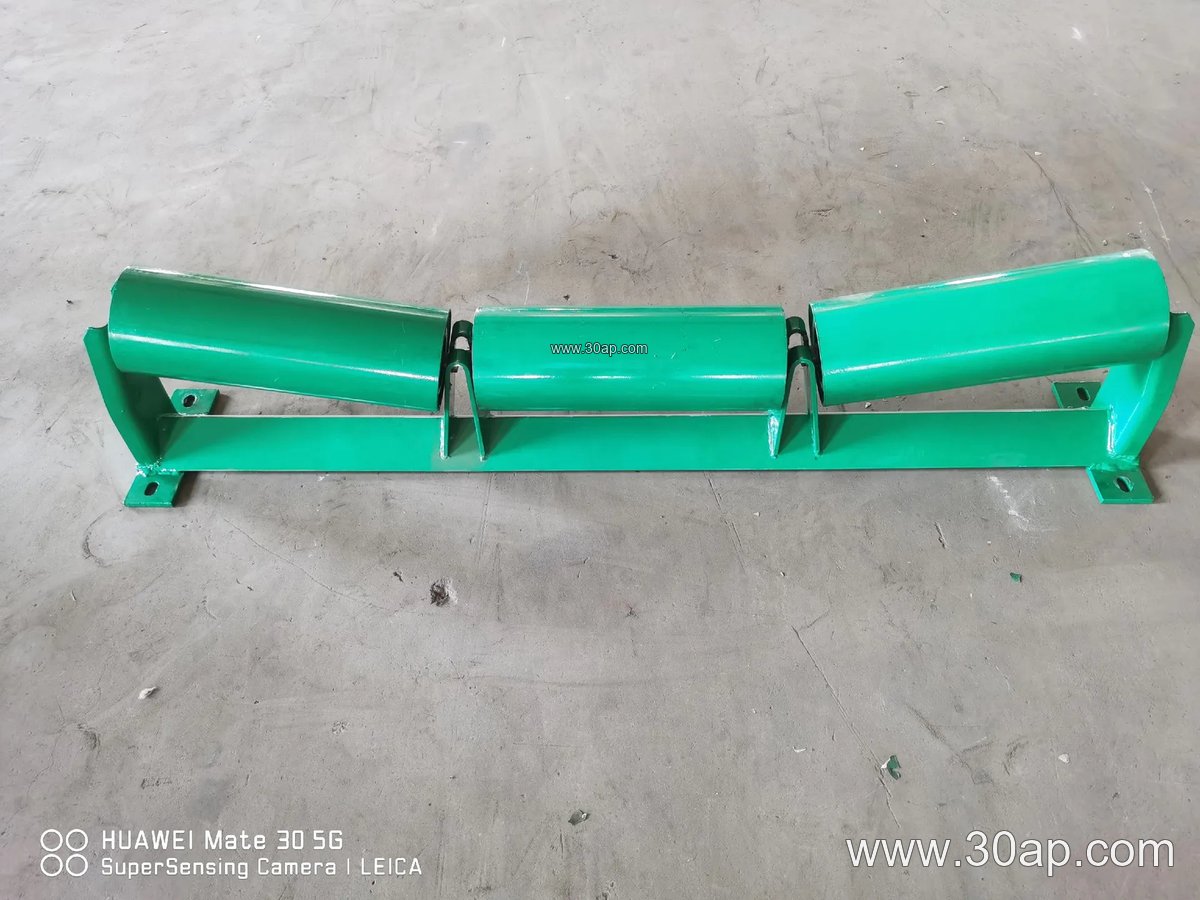
In a port terminal handling iron ore or coal, heavy-duty bracket assemblies with reinforced crossbeams are often used. In a food grade application, stainless steel or coated brackets may be specified to meet hygiene requirements. The same structural principle applies, but the material and finish change with the environment.
Selection and Maintenance Notes
When selecting a conveyor bracket assembly, start with the belt width and the required trough angle. Then confirm the idler roller diameter and the shaft end type. The bracket must also fit the conveyor frame stringer spacing. For a B1600 belt with Ø159 rollers, the bracket arms are longer and the crossbeam is heavier than for a B800 unit. Do not assume that one bracket size fits all belt widths.
- Check that the bracket arms are square to the crossbeam; twisted arms cause belt misalignment.
- Verify the mounting hole diameter against the roller shaft; a loose fit accelerates wear.
- Inspect welds and bolt connections during routine maintenance, especially after impact loading.
- Keep spare bracket assemblies for critical conveyors to reduce downtime.
For more information on compatible conveyor components, visit conveyor belt and idler roller pages on our site. A well-chosen conveyor bracket assembly is a small part of the total conveyor cost, but it has a direct effect on belt life and operational reliability in mining, quarrying, and bulk material handling.