What an Underground Coal Mining Conveyor Belt Does
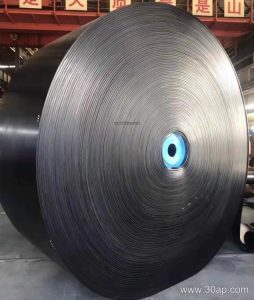
An Underground Coal Mining Conveyor Belt is the continuous load-bearing surface of a transport system that moves raw coal from the working face through drift, incline and trunk roadways to the surface or to a preparation plant. It differs from a general bulk handling belt because the working environment is confined, dusty, often wet, and classified for fire and explosion risk. The belt must carry sharp, heavy and sometimes wet coal without excessive stretch, while resisting abrasion, impact and flame propagation.
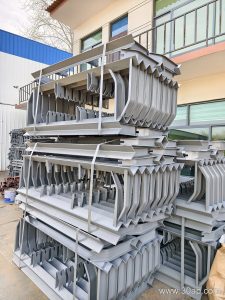
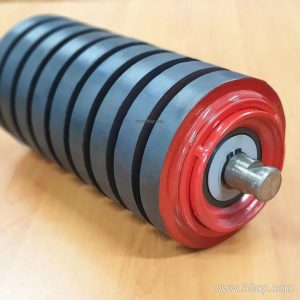
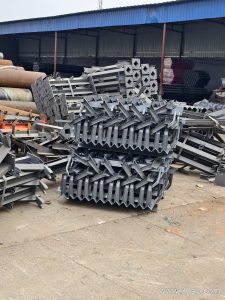
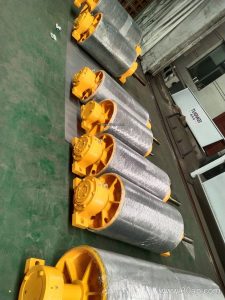
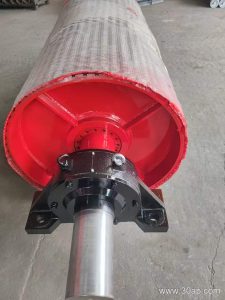
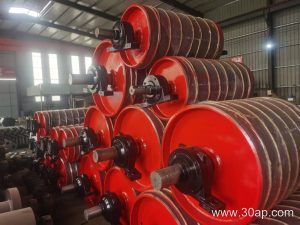
The same product is often specified simply as an underground conveyor belt or a coal mining conveyor belt. In practice the belt is only one part of the line: idler roller sets support the carcass, conveyor pulley assemblies drive and tension it, and conveyor bracket frames hold the structure aligned. For related component sourcing, buyers often browse zhongmeijixie.com conveyor pulley pages alongside the belt itself.
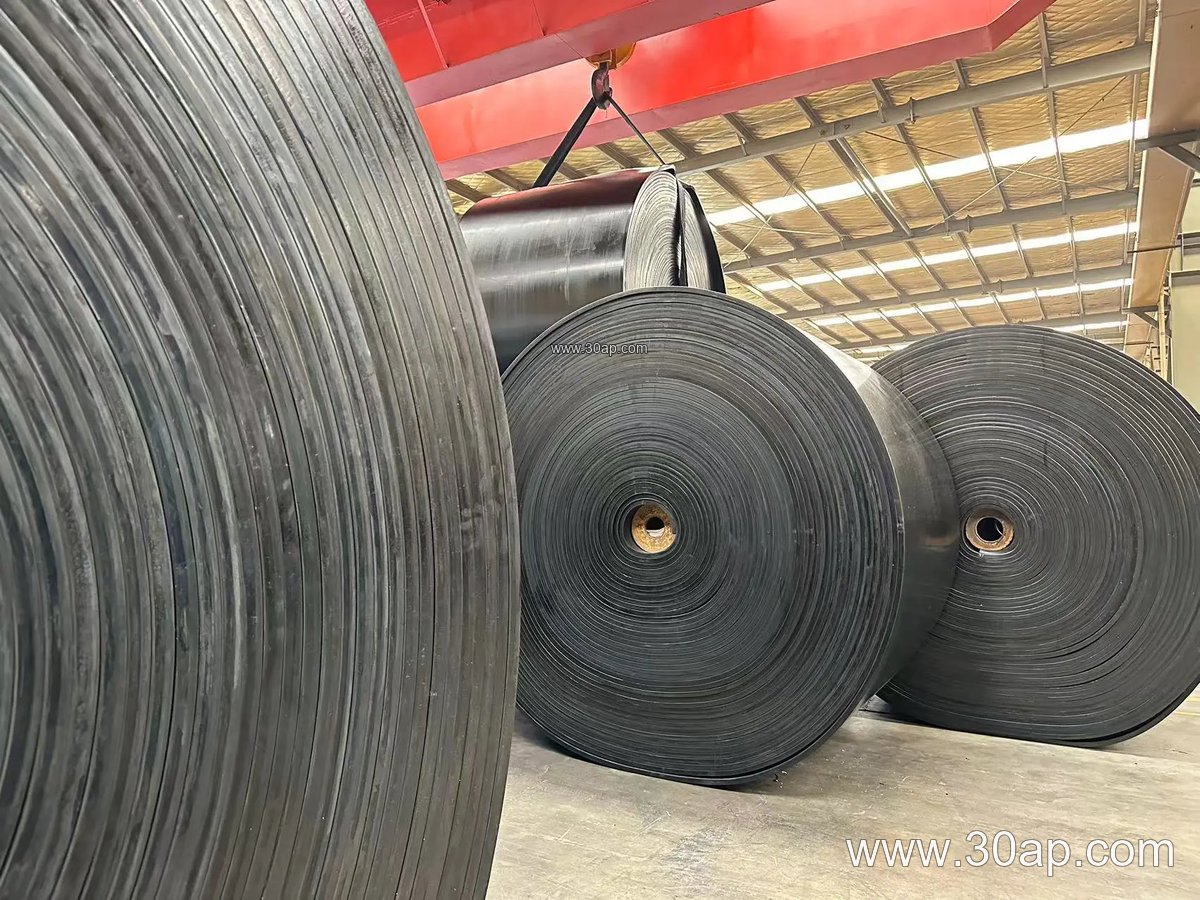
Construction of the Belt
The belt is a composite: a fabric or steel cord carcass carries tension, and rubber or PVC covers protect the carcass from wear, moisture and impact. For underground coal service, flame retardant and anti-static properties are usually required by the mine’s safety regime, so the cover compound and the carcass treatment are selected together rather than separately.
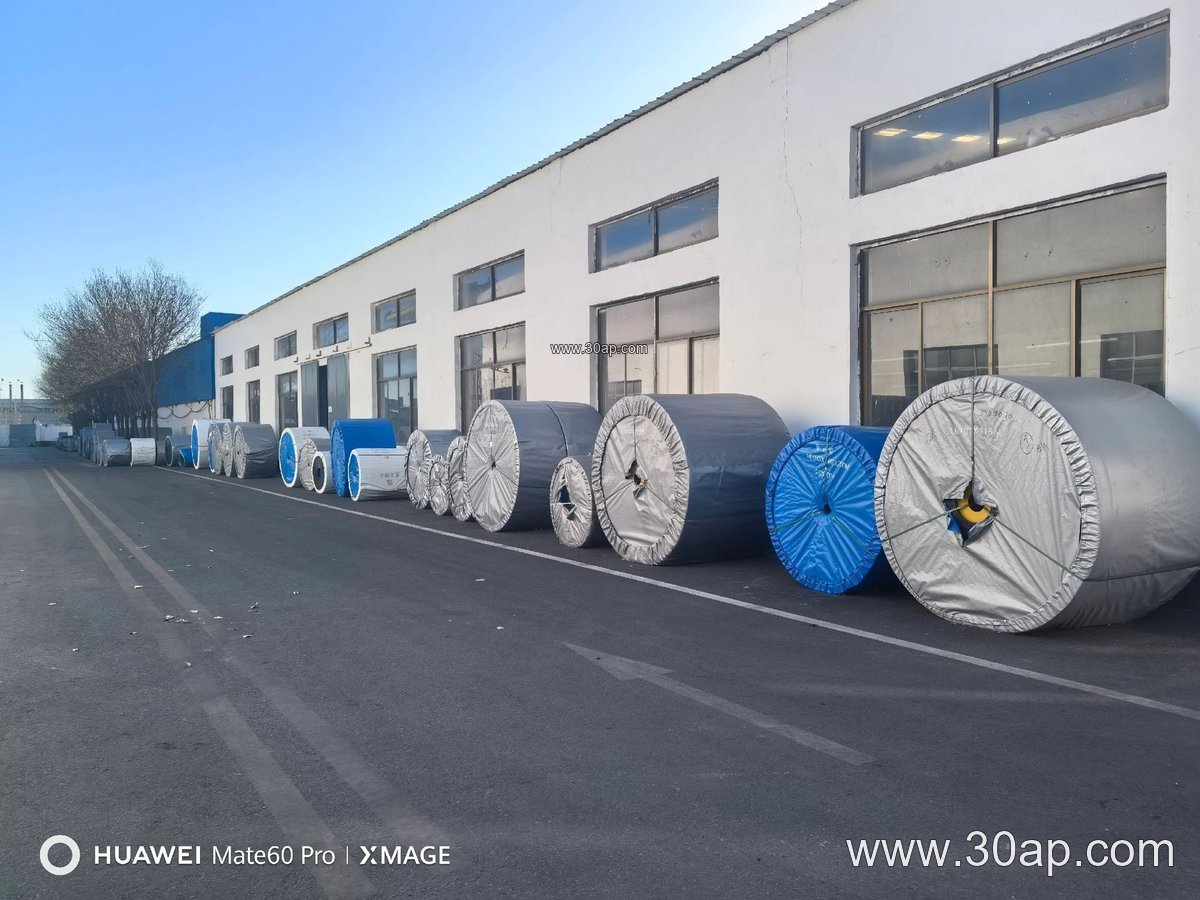
- Carcass options: multi-ply fabric core, EP (polyester-nylon) fabric, NN nylon fabric, or steel cord for long runs and high tension.
- Cover compounds: flame retardant, abrasion resistant, oil resistant, heat resistant or cold resistant, depending on seam conditions and coal quality.
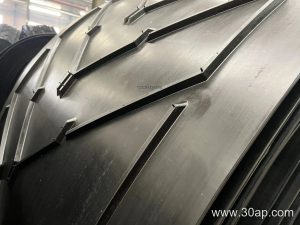
- Surface forms: plain, chevron or patterned for incline grip, and corrugated sidewall or skirted edges where material containment matters.
- Special constructions: pipe conveyor belts for enclosed routing and endless belts for fixed-center drives.
Fabric belts are commonly built with 2 to 6 plies. Cover gauge is usually quoted as top plus bottom thickness, for example 4+2 mm, 5+2 mm, 6+2 mm or 8+3 mm; the exact combination is set by the design engineer according to lump size, drop height and expected service life.
Typical Specification Range
The table below shows common reference points, not a fixed catalogue. Final values must be confirmed against the conveyor design, drive power and mine approval requirements.
| Parameter | Common range or example | Note |
|---|---|---|
| Belt width | B500, B650, B800, B1000, B1200, B1400, B1600, B1800, B2000 | Matched to troughing idlers and pulley face width |
| EP strength grades | EP200, EP315, EP400, EP500, EP630, EP800, EP1000, EP1250, EP1600, EP2000 | Selected by maximum operating tension |
| NN grades | NN100 to NN400 | General fabric duty |
| Steel cord grades | ST1000, ST1250, ST1600, ST2000, ST2500, ST3150 | Long distance and high tonnage |
| PVG / PVC grades | PVG800, PVG800S, PVC mining grades | Flame retardant solid-woven or PVC constructions |
| Cover thickness | 3+1.5, 4+2, 5+2, 6+2, 8+3 mm | Top + bottom cover |
| Ply count | 2 to 6 plies | Fabric core belts |
Belt width and pulley diameter are not a one-to-one pairing; the pulley diameter is determined by the carcass, the rated tension and the allowable bend radius, so a 1000 mm belt may run on different pulley sizes in different installations. Shaft diameter follows the pulley design and drive torque, never the belt width alone.
Where It Is Used
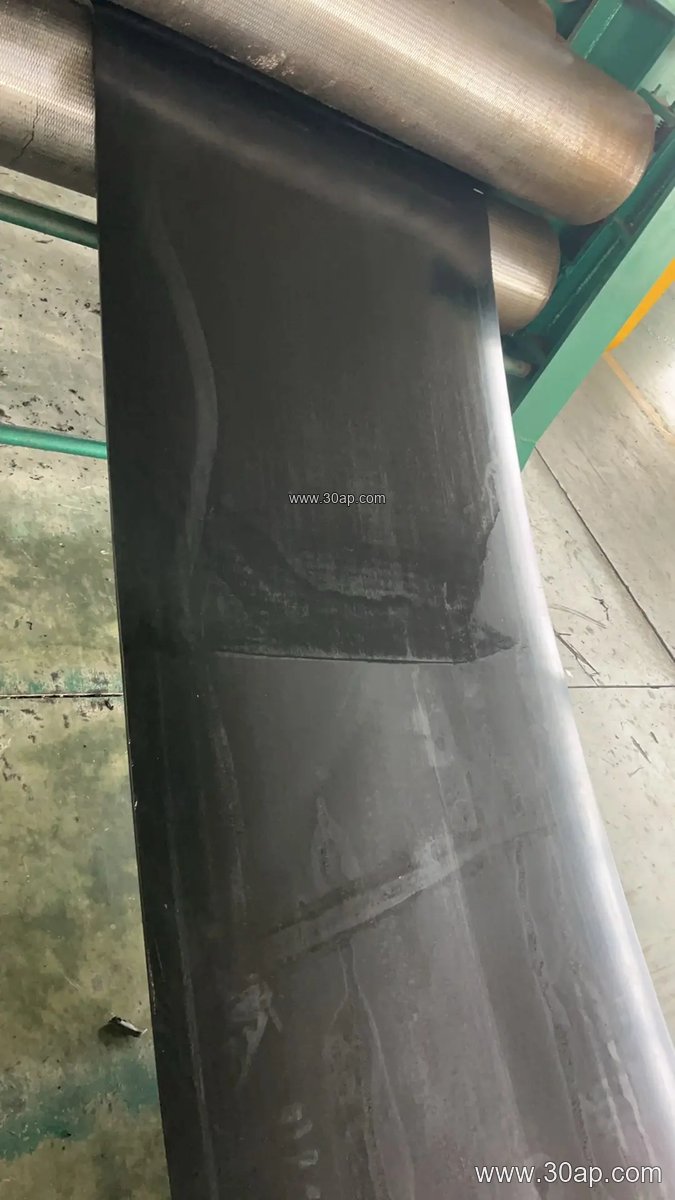
Underground coal mines are the primary setting, but the same heavy-duty belt family appears in cement plants, power plant coal yards, quarries, sand and aggregate lines, and port shiploading systems where enclosed or steep transport is needed. In a coal preparation plant, an abrasion resistant conveyor belt handles washed coal, while a flame retardant conveyor belt is typical in the raw coal section. For maintenance planning, checking idler roller rotation and conveyor pulley lagging is as important as inspecting the belt cover.
What a Buyer Should Confirm
- Required flame retardant and anti-static performance under the mine’s own safety standard.
- Carcass type and strength grade against the calculated maximum tension, not against a neighbouring project’s belt.
- Cover compound and thickness for lump size, impact points, water and oil exposure.
- Width, edge condition and whether a chevron, skirted or corrugated sidewall profile is needed.
- Splice method and whether an endless belt is preferred for a fixed take-up.
- Compatibility with existing troughing idlers, pulleys and bracket frames.
Records of cover wear, edge damage and splice condition are the practical basis for replacement timing. A belt that is correctly matched to its conveyor structure will usually outlast one chosen only by width and price. More technical notes on matching belts with rollers and pulleys are available at zhongmeijixie.com idler roller and zhongmeijixie.com conveyor bracket resources.