What a Conveyor Belt Idler Does on the Line
A conveyor belt idler is the rotating support that carries the belt and its load between the head and tail of a conveyor. Often simply called an idler roller, it is the most numerous component on most conveyors, and its condition decides how smoothly a conveyor pulley turns, how much power the drive needs, and how long the belt itself lasts. In a quarry, a cement plant, or a power plant coal yard, a small number of failed idlers can cause belt tracking problems, spillage, and unplanned downtime.
The idler is not a passive part. It sets the belt profile, absorbs impact at transfer points, and guides the belt back on track. Choosing the right type is therefore as important as choosing the right Rubber Conveyor Belt or EP Conveyor Belt above it.
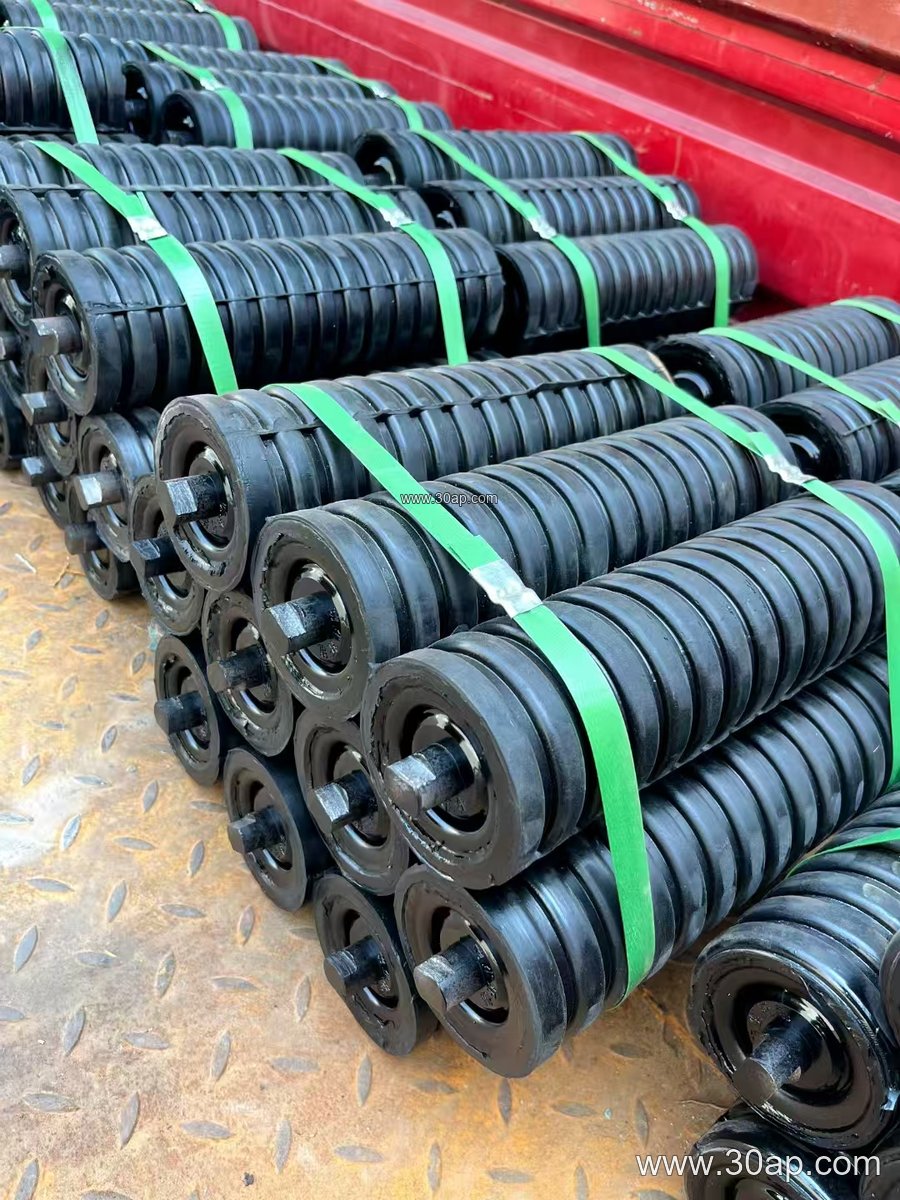
Construction and Main Types
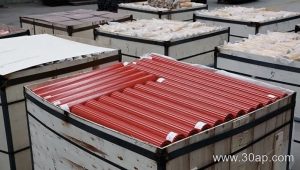
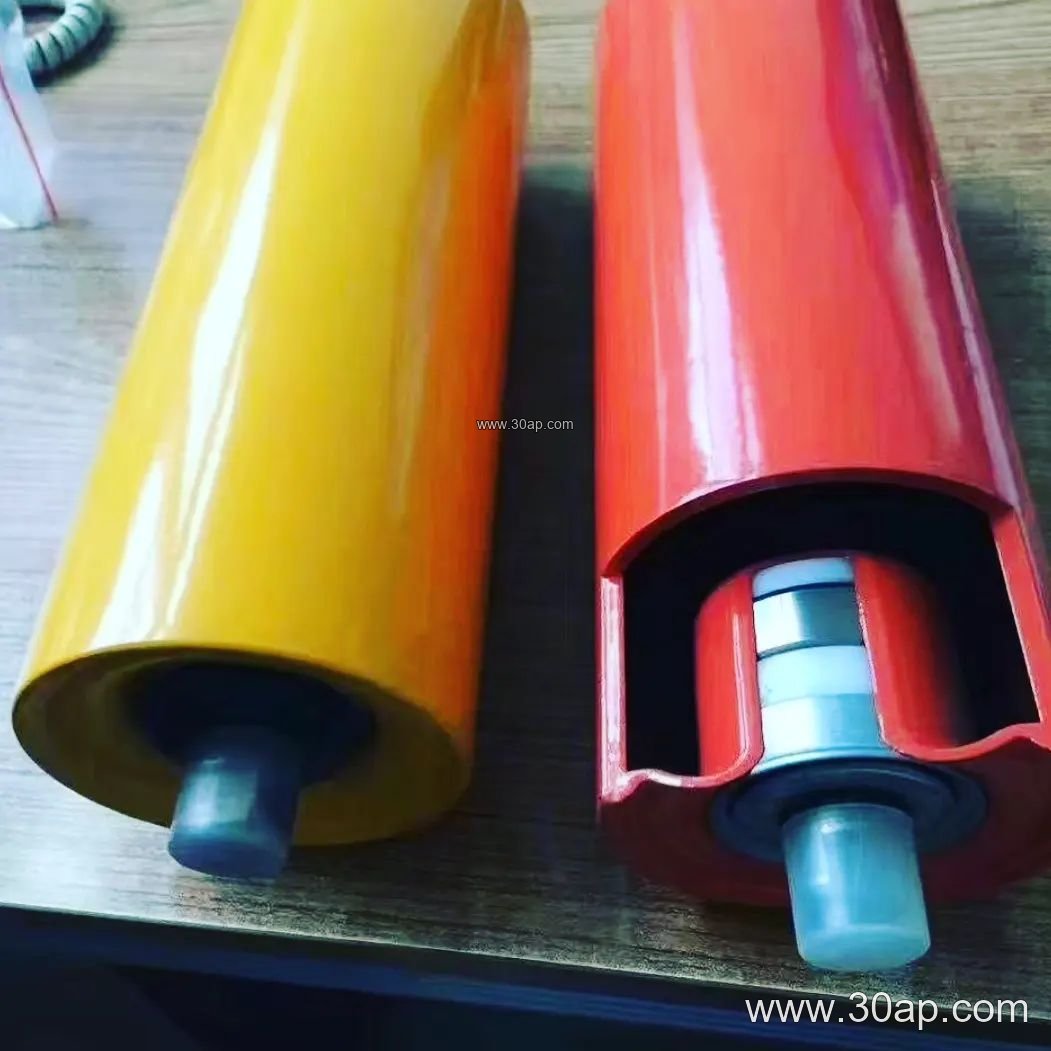
A typical unit is a steel tube shell with a shaft, bearing housings, and a sealing system at each end. The shell may be plain steel, nylon-coated, ceramic-covered, or fitted with rubber rings. Sealing quality separates a long-life idler from a short-life one, especially in dusty or wet conditions.
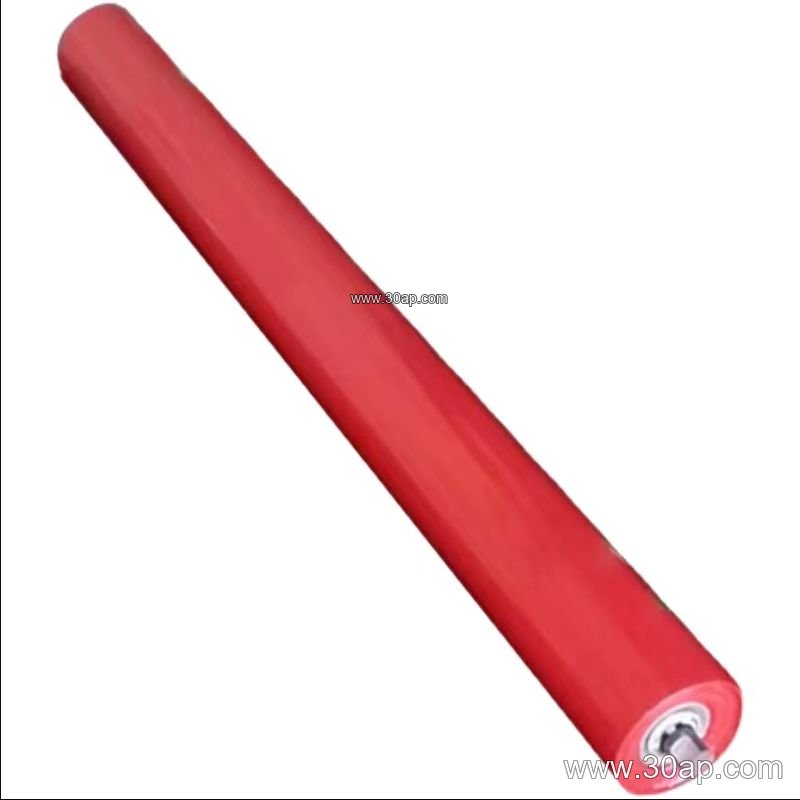
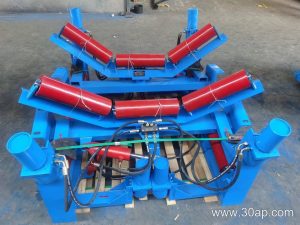
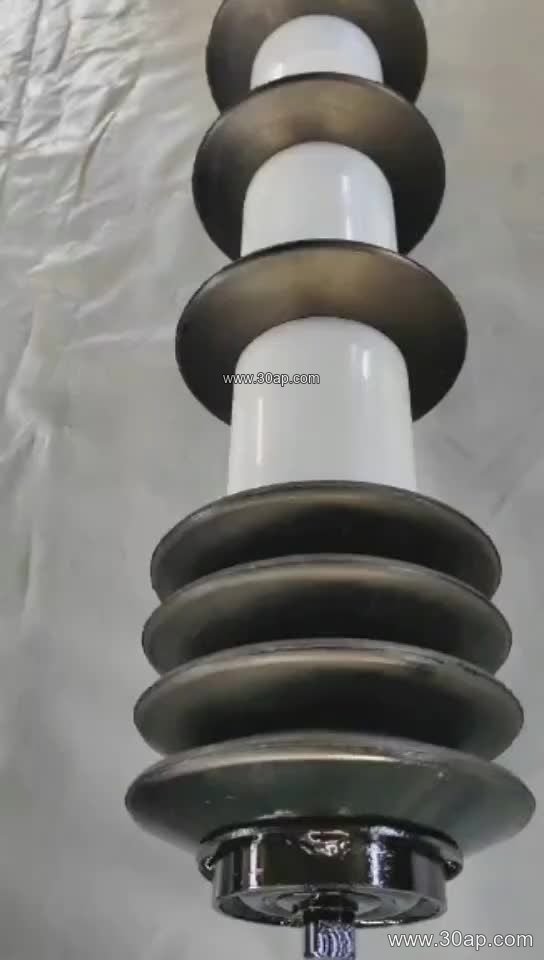
Troughing idlers carry the loaded side of the belt and are usually supplied as two- or three-roll sets. Return idlers support the empty belt, sometimes as a flat roll or in a V shape. Impact idlers with rubber rings sit under loading chutes, while self-aligning types help correct belt wander. Spiral idlers are used where sticky material builds up on the return side. Here is a compact overview of common reference values, not a fixed specification:
| Item | Common Reference Range |
|---|---|
| Roll diameter | Ø63 to Ø219 mm, with Ø89, Ø108, Ø133, Ø159 and Ø194 frequently seen |
| Belt width | B400 to B2400 mm |
| Trough angle | 20, 30, 35 or 45 degrees |
| Roller length (three-roll set, example) | About 200 mm at B500 up to about 750 mm at B2000; side and center rolls can differ |
| Bearing | 6204, 6205, 6305, 6306, 6308, 6310 and others, matched by load and shaft design |
Roll length depends on belt width, trough angle and frame form. A B800 belt does not automatically dictate one shaft diameter, and one roll diameter does not lock the conveyor to a single belt width. Selection should follow load, speed, environment, and the conveyor bracket dimensions.
Where Idlers Work Hardest
In a limestone quarry or an aggregate crushing line, troughing idlers run under sharp, abrasive rock and take constant impact near the crusher discharge. In a coal-fired power plant, idlers on the coal conveying system must tolerate dust and, in some cases, flame retardant and anti-static belt requirements above them. A cement plant uses them across clinker and raw meal routes where heat and fine powder are present. Port ship loaders and iron ore terminals often use wider belts, so heavy-duty shells and robust seals matter.
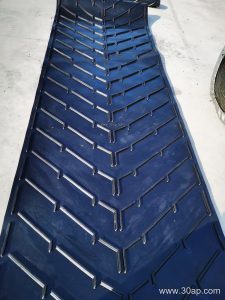
The belt above the idler also shapes the choice. A Steel Cord Conveyor Belt on a long overland route may call for larger roll diameters and lower rolling resistance, while a Multi-Ply Fabric Core Conveyor Belt on a shorter transfer line can use standard troughing sets. Where a Chevron Conveyor Belt or Corrugated Sidewall Conveyor Belt runs, return-side idlers and guide arrangements need extra attention so cleats and walls do not catch.
Buyer Checklist Before Ordering
- Confirm belt width, trough angle, and the existing conveyor bracket hole spacing.
- State the duty: abrasive ore, wet coal, hot clinker, or food-grade material.
- Choose roll diameter and bearing by load and speed, not by habit alone.
- Ask about seal design and shell thickness, since these drive service life.
- Plan spare rolls for impact and return positions, which often fail first.
- Check that the idler frame matches the conveyor pulley centerline and belt line.
Onsite, listen for squealing bearings, watch for a belt that drifts to one side, and check for seized rolls that polish the belt cover or wear a flat spot. Replacing a failed idler early protects an Abrasion Resistant Conveyor Belt or Heat Resistant Conveyor Belt from edge damage and extends the life of the whole conveyor.
Keeping the System Balanced
Idlers, pulleys and belts are a team. A well-chosen idler keeps the belt centered, reduces spillage at transfer points, and lowers the load on the drive. Buyers who treat the idler as a consumable detail often pay more later through belt replacement and lost production. Matching idler type and roll size to the actual duty, then maintaining alignment and lubrication schedules, is the practical route to reliable conveying in mining, cement, power, and port operations.