What a 1600mm Diameter Conveyor Pulley Is
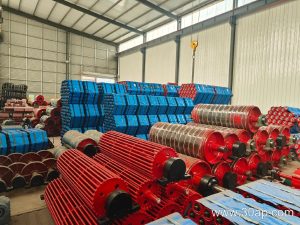
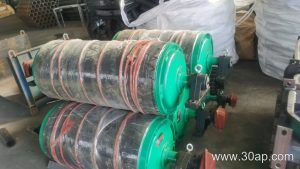
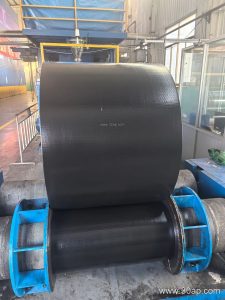
A 1600mm diameter conveyor pulley is a large-diameter drum that drives, tensions, or redirects a conveyor belt in high-capacity bulk handling systems. At this size, the pulley is normally a heavy fabricated steel drum with a machined shell, welded end discs, a keyed shaft, and bearing housings that sit in conveyor brackets on the main frame. Because the diameter is generous, the belt bends gradually around the drum, which reduces bending stress in the carcass and helps the splice run smoothly. In practice, a 1600mm diameter pulley often works together with a wide belt such as a 1600mm or 1800mm conveyor belt, supported along the carry side by idler rollers.
How the Drum Is Built
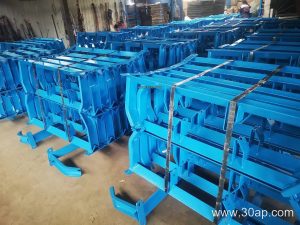
Construction starts with a rolled steel shell, usually machined after welding so the surface runs true. End discs are welded to the shell and to a hub, and the shaft is fitted by shrink fit or keyed connection depending on the design. The shaft diameter is not chosen from belt width alone; it follows the torque, radial load, and bearing selection, so common shaft sizes in this class range from Ø160 to Ø200 and above where duty demands it. Bearing housings are bolted to the frame through conveyor brackets, and the whole assembly is aligned so the belt tracks centrally.
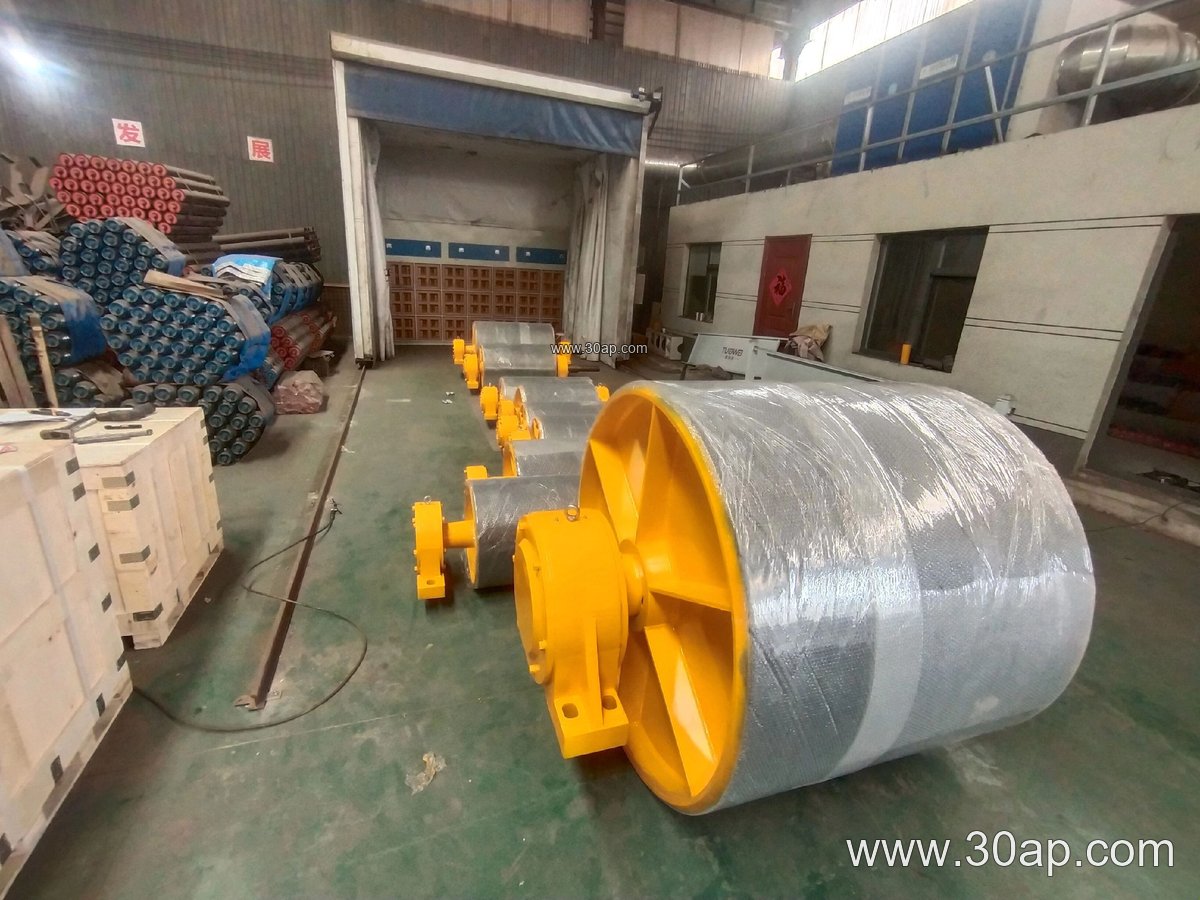
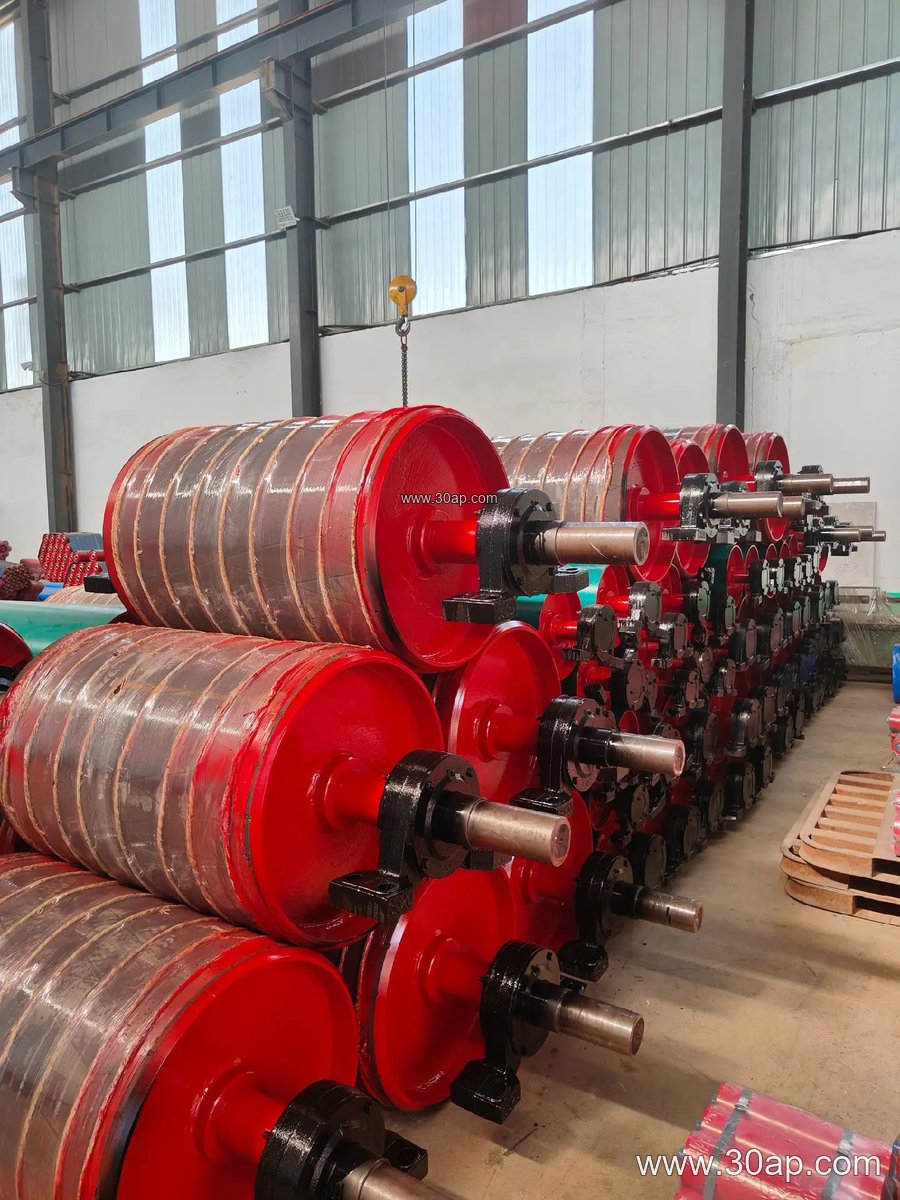
Surface treatment matters as much as the drum body. Options include plain machined finish, hot-vulcanized rubber lagging, cold-bonded rubber, diamond grooving, herringbone pattern, and ceramic lagging. Lagging thickness commonly runs 8, 10, 12, 15, or 20 mm. On a drive pulley, lagging raises friction between drum and belt; on a bend or tail position, it mainly protects the shell and helps shed carryback.
Typical Service Locations
You will see this size in the head drive of a long overland or plant conveyor, in the tail position of a high-tension system, and as a bend pulley where the belt changes direction around a transfer tower. A limestone quarry feeding a primary crusher, a coal preparation plant, and a power station coal yard are all realistic homes for such a drum, especially where a steel cord conveyor belt or a heavy multi-ply fabric core belt runs at high tension. In aggregate lines, the same diameter may appear at a crusher discharge where impact and abrasion are severe, so an abrasion resistant conveyor belt is often paired with it.
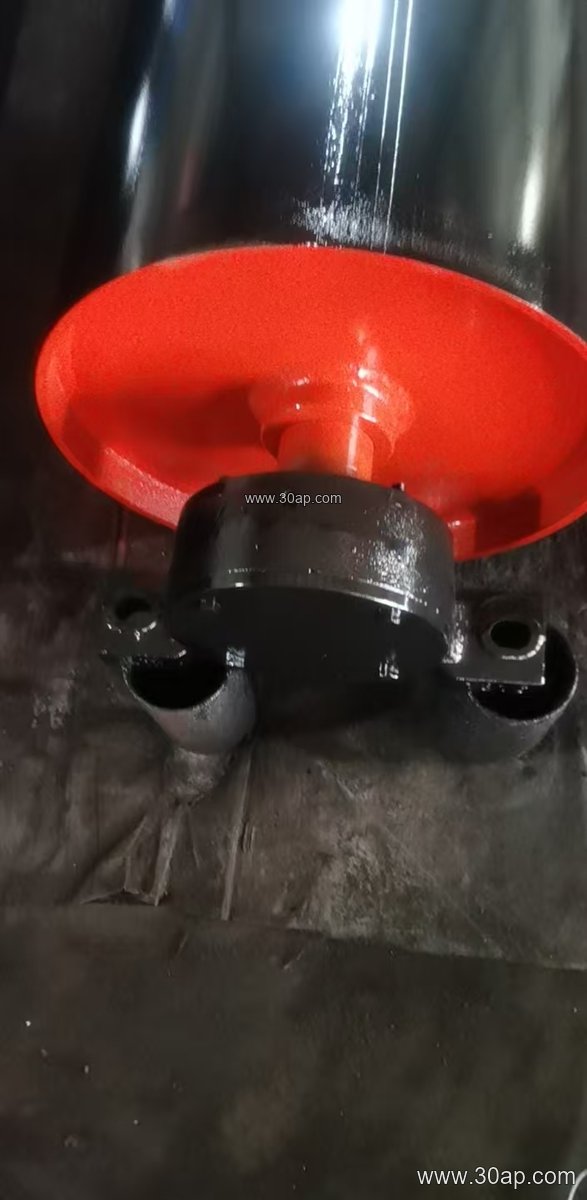
Other positions use smaller drums; a 1600mm drive pulley is not interchangeable with a tail or bend pulley of the same diameter, because each position has its own load case and lagging requirement. A bend pulley only redirects the belt, while the drive transmits power, so the two are specified separately even when the drum diameter matches.
Matching the Pulley to the Belt
Diameter and belt width are related but not locked together. A B1400 belt may run on a Ø1600 drum in one plant and a different diameter in another, depending on tension, wrap angle, and space. The table below shows reference combinations only; final selection is by design calculation.
- B1200 belt with Ø1000 pulley: common in medium-duty plants
- B1400 belt with Ø1250 or Ø1600 pulley: frequent in cement and quarry lines
- B1600 belt with Ø1600 or Ø1800 pulley: heavy-duty transfer and drive points
- B1800 belt with Ø1800 pulley: large port and mine conveyor systems
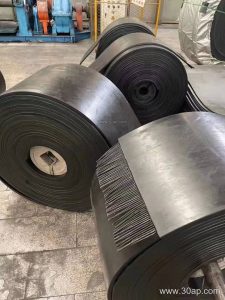
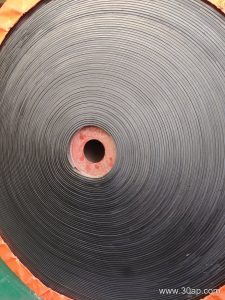
Belt tension also depends on the belt type. An EP conveyor belt, an NN conveyor belt, and a steel cord conveyor belt each carry load differently, so the pulley shell, shaft, and lagging are checked against the actual running tension rather than a nominal width. Flame retardant conveyor belt grades used in underground coal mining may call for anti-static properties as well, which affects lagging compound choice.
Buyer Checklist
Before ordering, confirm the drum position, the belt width and type, the calculated tension, the shaft diameter from the design, the lagging pattern and thickness, and the bearing style. Ask for the shell thickness, the welding and machining standard applied, and the balance grade if the pulley runs at speed. Check that the conveyor brackets on your frame match the housing bolt pattern. Also plan lifting points: a 1600mm drum is heavy, and installation access must be confirmed before delivery.
For maintenance, inspect lagging wear at the drive pulley, watch for shell cracks near end discs, and re-check bearing clearance during scheduled shutdowns. Keeping idler rollers and belt cleaners in good order reduces carryback that can wear the drum surface prematurely. Whether the line handles iron ore, clinker, or tunnel spoil, a correctly specified 1600mm diameter conveyor pulley keeps the belt running straight and the drive efficient.