What a Waterproof Idler Is and Where It Fits
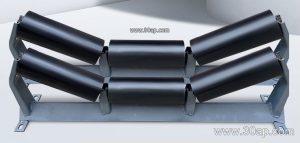
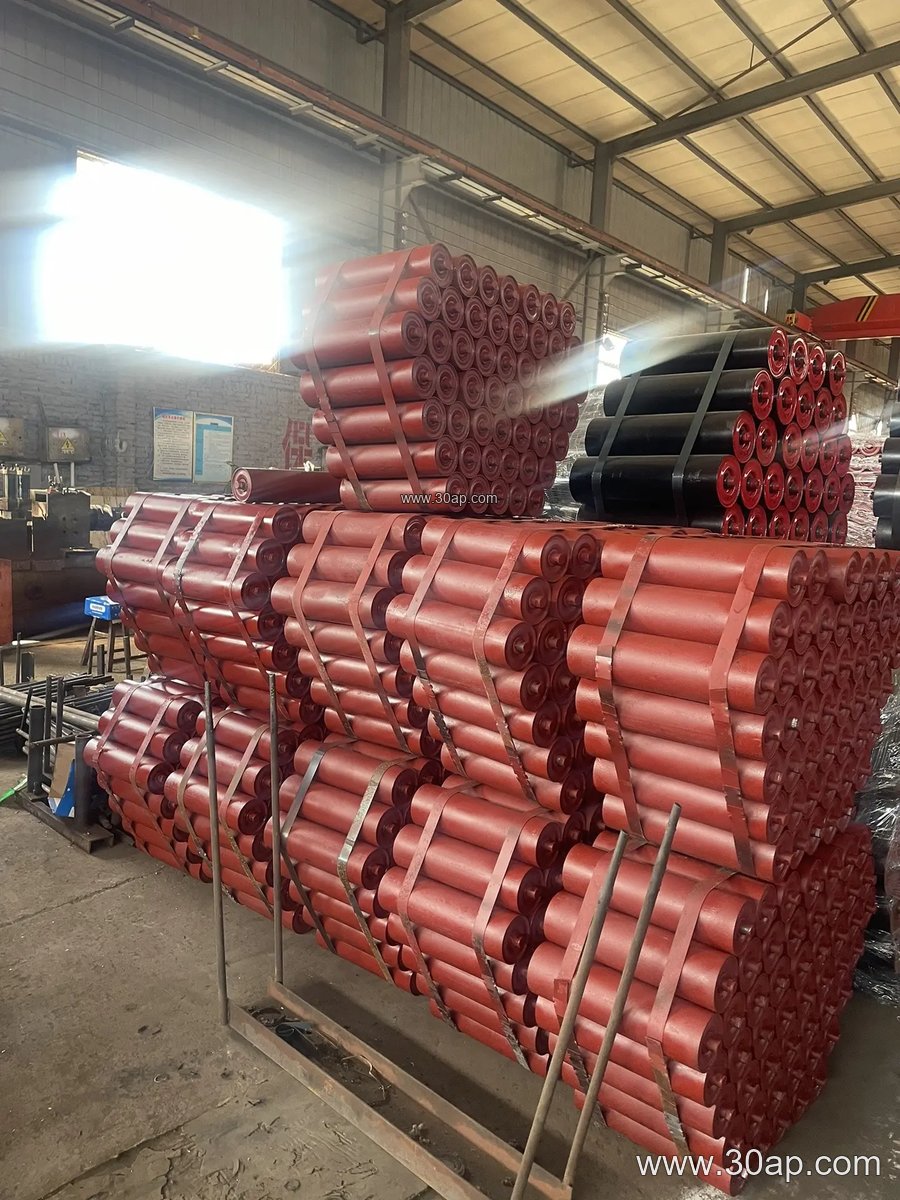
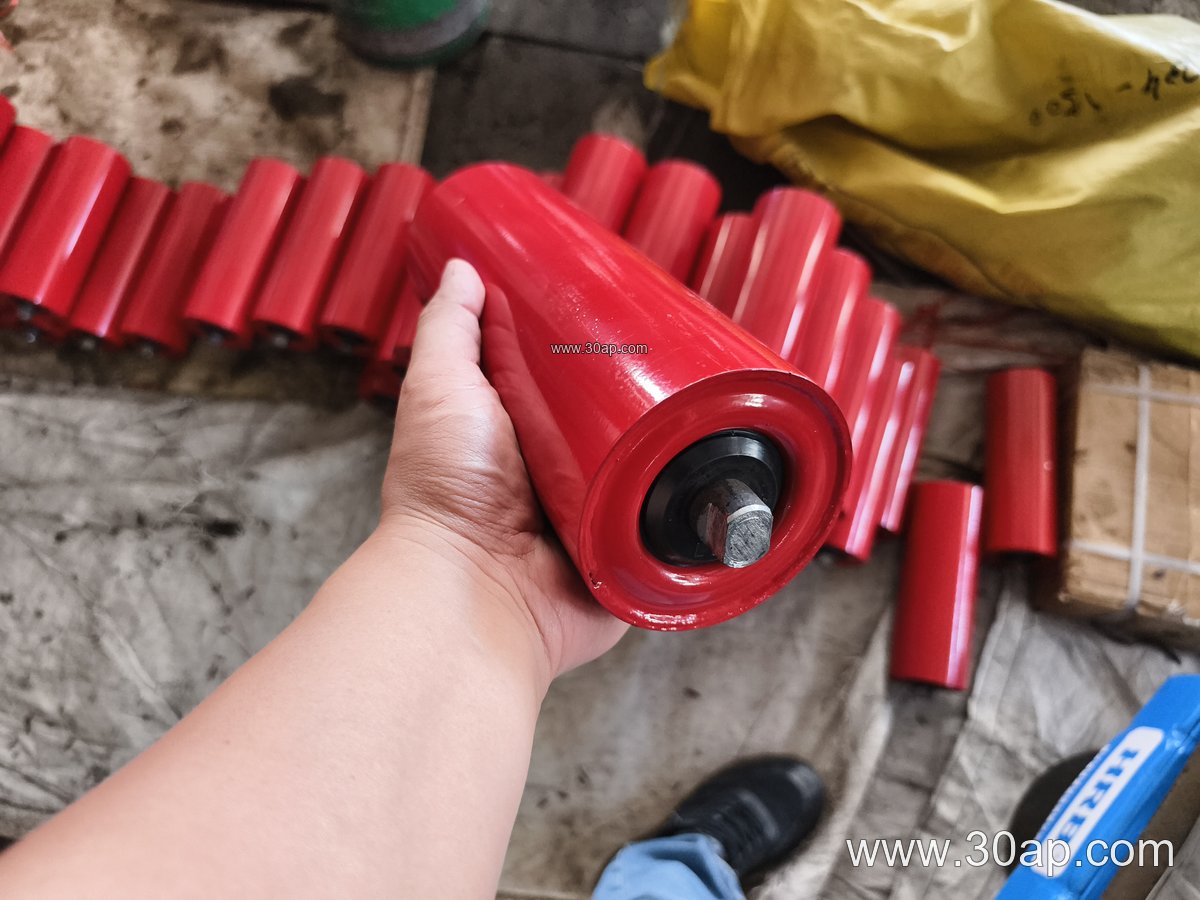
A waterproof idler is a conveyor idler roller built with sealed bearing housings and moisture-resistant components so that water, slurry, and fine dust cannot easily reach the bearings. In a quarry dewatering line or a coal preparation plant, this idler roller keeps the conveyor belt tracking smoothly even when the material is wet and the environment is humid. The waterproof idler is not a different shape from a standard idler; it is the same troughing or return idler construction, but with extra protection at the sealing points. When specifying a waterproof idler, buyers often mention the belt width, the roll diameter, and the sealing arrangement, and they may also refer to the conveyor pulley and conveyor bracket that work with the idler in the same frame.
Sealing and Construction Details
The core of a waterproof idler is its bearing protection. A typical design uses a labyrinth seal combined with a contact lip seal, and the bearing cavity is packed with water-resistant grease. The roller shell is usually a steel tube, and the shaft ends are machined to fit the bearing housing tightly. Some waterproof idlers use nylon or ceramic roll surfaces when abrasion is also a concern, but the sealing remains the key feature. Common bearing sizes for this type include 6204, 6205, 6305, 6306, 6308, and 6310, and the correct bearing is selected according to the load and the roll diameter, not by belt width alone. The table below shows typical reference values for waterproof troughing idlers; these are examples, not fixed combinations.
| Belt width | Common roll diameter | Typical roller length (three-roll trough) | Bearing example |
|---|---|---|---|
| B500 | Ø76, Ø89 | 200 mm | 6204 |
| B650 | Ø89, Ø108 | 250 mm | 6205 |
| B800 | Ø108, Ø133 | 315 mm | 6305 |
| B1000 | Ø108, Ø133, Ø159 | 380 mm | 6306 |
| B1200 | Ø133, Ø159 | 465 mm | 6308 |
| B1400 | Ø159, Ø178 | 530 mm | 6308 |
| B1600 | Ø159, Ø178, Ø194 | 600 mm | 6310 |
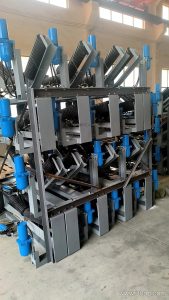
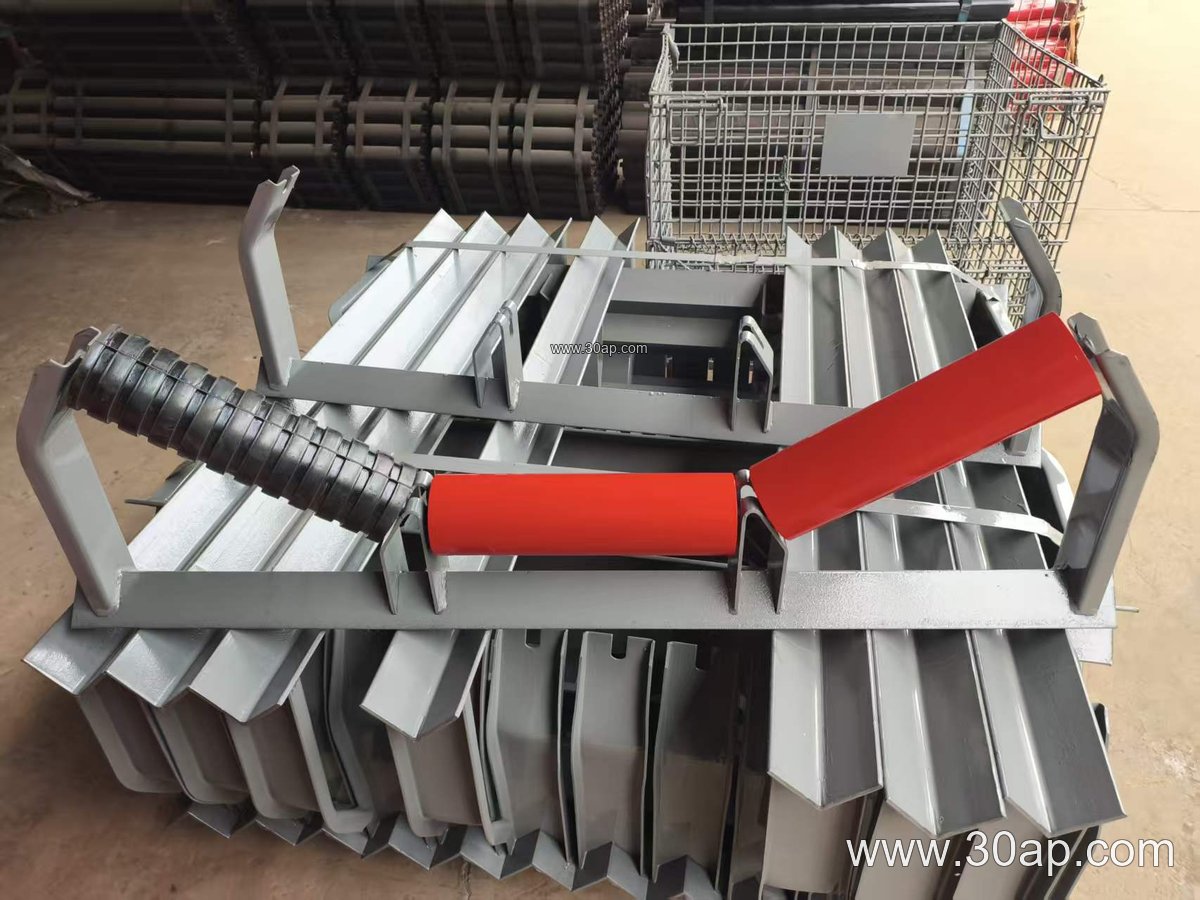
These figures are for general reference. The actual roller length depends on the trough angle and the idler group type, and side rollers may differ from the center roller. A waterproof idler may be supplied as a single-roll, two-roll, or three-roll troughing set, and the trough angle is commonly 20, 30, 35, or 45 degrees.
Applications in Wet and Corrosive Environments
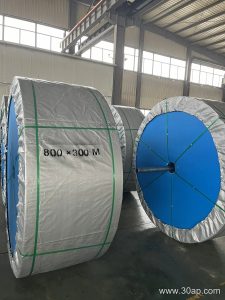
Waterproof idlers are used where moisture is constant or where washdown is routine. In a sand and gravel plant, the spray bars over the conveyor belt create a wet environment that quickly ruins unsealed bearings. In a coal preparation plant, slurry and fine coal particles stick to standard idlers and work their way into the seals. A waterproof idler roller resists this attack and keeps the conveyor belt running without frequent stoppages. Other typical locations include tunnel muck removal, fertilizer handling, and port ship-loading conveyors where rain and sea air are present. In these settings, the waterproof idler often works alongside a rubber conveyor belt or an EP conveyor belt, and the idler sealing must match the belt’s own water resistance. For heavily loaded primary crushers, a impact resistant conveyor belt may be used, but the idler selection still focuses on sealing and bearing life.
Selection and Maintenance Advice
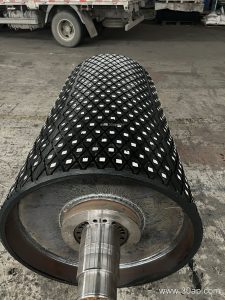
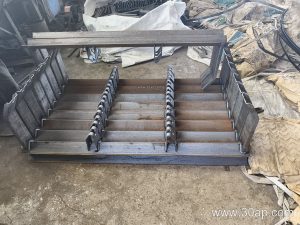
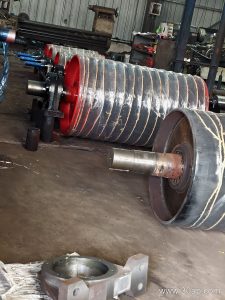
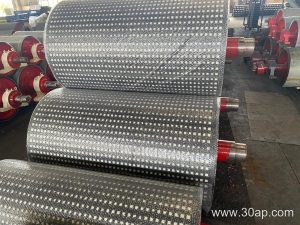
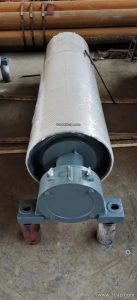
When choosing a waterproof idler, start with the belt width and the required roll diameter, then confirm the sealing class. A buyer should ask for the seal type, the grease specification, and the bearing size, and should not assume that a larger roll diameter automatically means a larger shaft. Roll diameter and bearing size are selected from the load calculation, and the shaft diameter is determined by the idler manufacturer’s design, not by belt width alone. For maintenance, check that the idler rotates freely and that the seal area is not packed with hardened material. In a cement plant or a power plant coal yard, a quick visual inspection of the waterproof idler during shutdown can prevent a seized roller from damaging the conveyor belt. Keep a few spare idlers with the same shaft and bearing dimensions on hand, and record the roll diameter and length for each position. If the conveyor uses a conveyor pulley for drive or tail, the idler specification should be reviewed together with the pulley lagging and the conveyor bracket dimensions to ensure the whole frame fits correctly.
For more information about waterproof idlers and related conveyor components, visit beltconveyorparts.com/waterproof-idler or beltconveyorparts.com/conveyor-idler. A properly sealed idler roller is a small investment that protects the conveyor belt and keeps production moving in wet, dusty, and corrosive conditions.