What a Food Grade Conveyor Belt Is
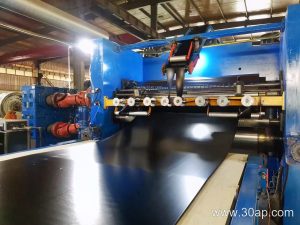
A food grade conveyor belt is a belt built for conveying food, food ingredients, or packaging in direct or indirect contact with the product. It is not a single compound but a family of belts whose covers, splices, and surfaces are chosen to be cleanable, low-odor, and safe around edible goods. In industrial catalogs this product also appears as a food-grade conveyor belt or food processing belt; both names refer to the same item. It differs from a general-purpose rubber conveyor belt in surface finish, compound control, and the way joints are made.
Because hygiene and cleaning drive the design, buyers usually meet this belt in bakeries, dairy plants, snack lines, meat and poultry processing, frozen food handling, confectionery, and beverage bottling. It also turns up on inspection tables, cooling tunnels, and packaging take-away conveyors rather than on heavy bulk routes.
Construction and Surface Forms
The belt is normally built from a fabric core with a polymer cover. The core provides tensile strength and tracking stability; the cover provides the food-contact surface. Covers are commonly PVC, polyurethane (PU), or silicone, while some belts use a rubber compound rated for food contact. Choice depends on temperature, oil and fat exposure, cleaning chemicals, and whether the product is dry, wet, or sticky.
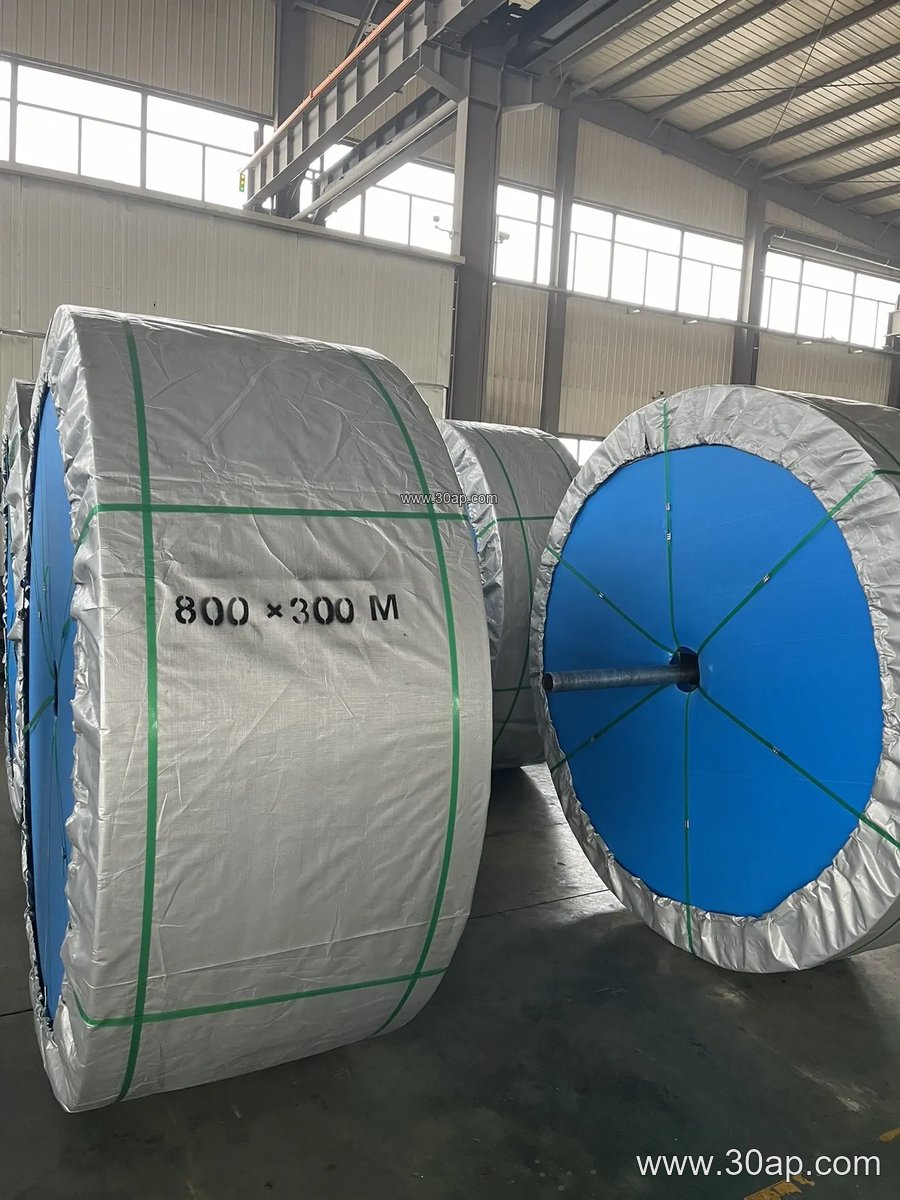
Surface forms matter as much as the compound. Smooth surfaces suit dry goods and easy wipe-down; lightly textured surfaces improve grip on inclines; and open-weave or perforated designs help drainage in washing and dewatering lines. Corrugated sidewall and cleated versions keep loose food from spilling on steep inclines. The edges can be sealed or reinforced to stop moisture from entering the fabric.
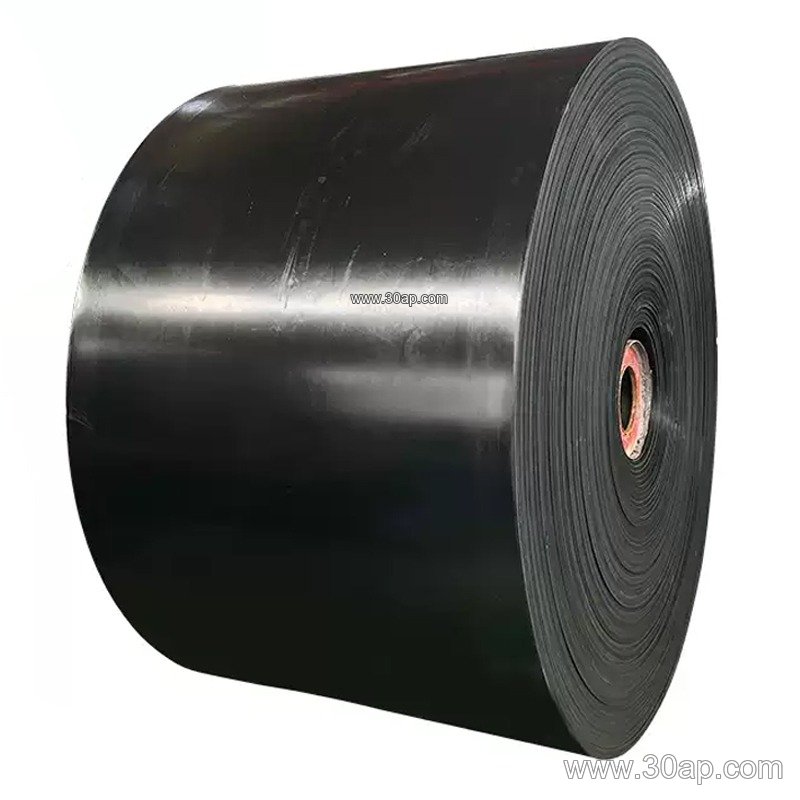
Typical reference data for specification discussions
The values below are common reference ranges for discussion with a supplier. They are not a fixed catalog or a promise of stock.
| Item | Common reference values |
|---|---|
| Belt width | B500, B650, B800, B1000, B1200, B1400, B1600, B1800, B2000 |
| Core type | 2 to 6 plies of fabric; single-ply or fabric-core options |
| Tensile grade | EP200, EP315, EP400, EP500, EP630 |
| Cover thickness | 3+1.5, 4+2, 5+2, 6+2 mm |
| Cover material | PVC, PU, silicone, food-contact rubber |
A wide belt such as a 1200mm or 1500mm version is common on sorting tables, while narrower belts are used on small packaging lines. No single width is tied to one pulley diameter; the pulley and shaft are sized from the actual belt tension and load, not from width alone.
How It Fits the Conveyor
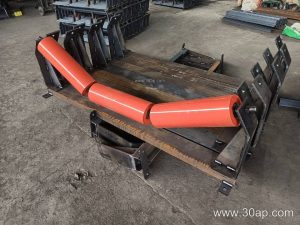
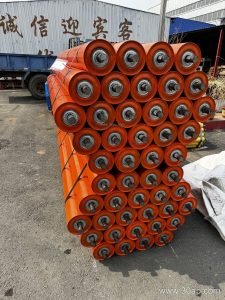
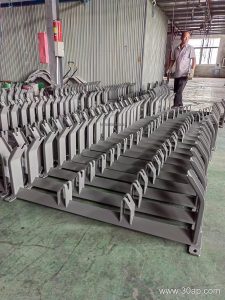
The belt runs on a frame with idler rollers or a slider bed, is driven by a head pulley, and is kept on track by a tail pulley and, on longer routes, bend pulleys. Those three pulley roles are different and are not interchangeable: the drive pulley transmits torque, the tail pulley returns the belt, and a bend pulley changes direction. Conveyor brackets and frame supports should be easy to clean and drain, because trapped food residue is a hygiene risk.
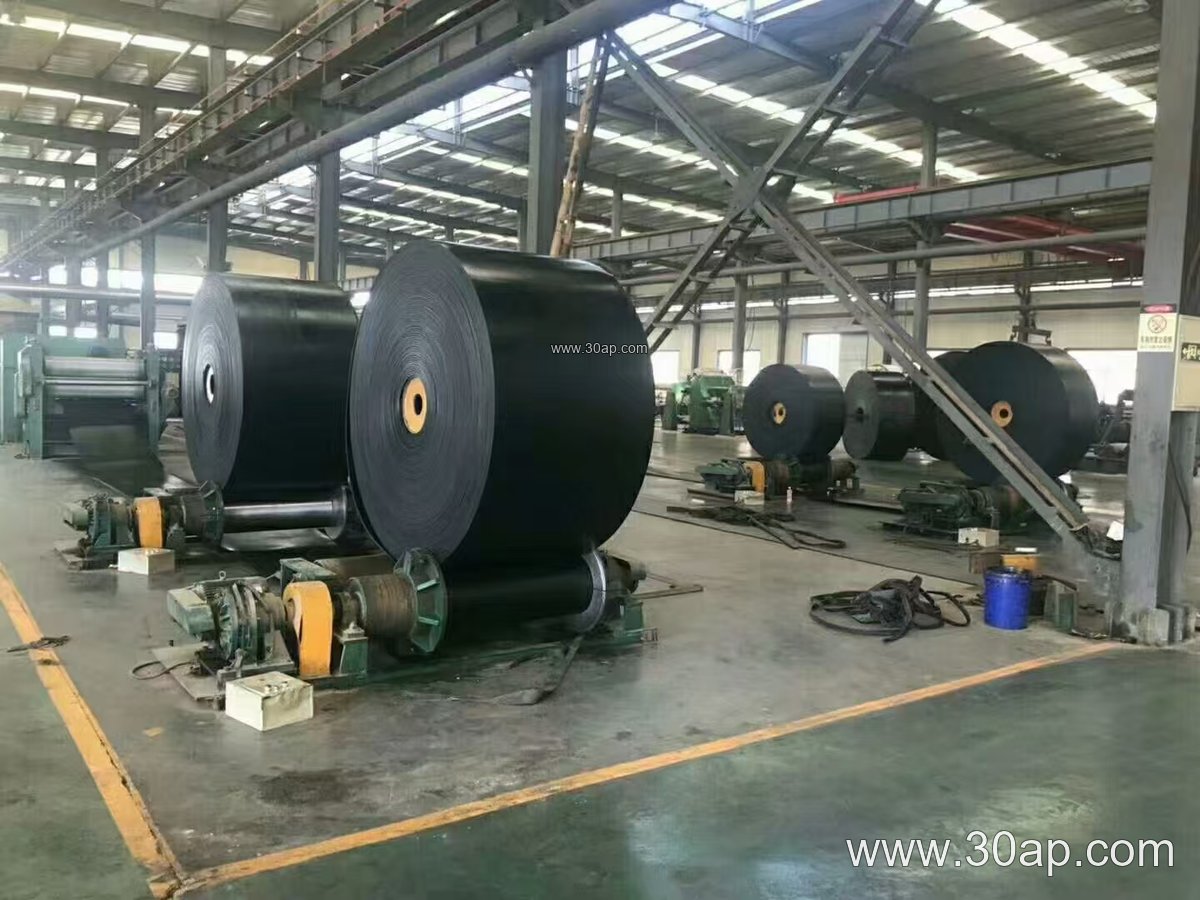
In plants that also move bulk materials, a food-grade line is often compared with an abrasion resistant conveyor belt used for stone or aggregate, or with a heat resistant conveyor belt on hot processes. Those belts are built for different duties; a food line needs washdown tolerance and a cleanable surface, not just wear resistance.
Selection Points for Buyers
- Confirm the actual contact type: direct food contact, packaged contact, or splash only.
- State the temperature range, including cleaning water temperature, not just product temperature.
- Describe oils, fats, acids, sugars, and cleaning chemicals so the cover compound can be matched.
- Ask how the belt is joined, since an endless conveyor belt with a clean splice reduces catch points and residue traps.
- Check that the belt can be tensioned and tracked on the existing drive, tail, and bend pulleys.
- Match the surface to the product: smooth for dry goods, textured or cleated for inclines, open mesh for drainage.
- Keep a spare belt or a repair kit for lines that cannot stop for long.
Maintenance is mostly about cleaning and inspection. Check the belt edges for cracks, watch for cover wear near the drive pulley, and keep idler rollers turning freely. Residue under the belt and on brackets should be removed on a schedule agreed with the quality team.
For mining, coal, cement, and power plant conveyors, the equipment language is different, but the same rule applies: match the belt to the duty. A food grade conveyor belt is a specialized product, and a supplier should be able to explain the compound, the splice method, and the cleaning routine before quoting. More guidance on belt, idler roller, and pulley matching is available at www.beltconveyorparts.com for food grade conveyor belt and related conveyor components.