What the Q355 Conveyor Bracket Does
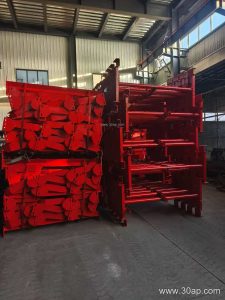
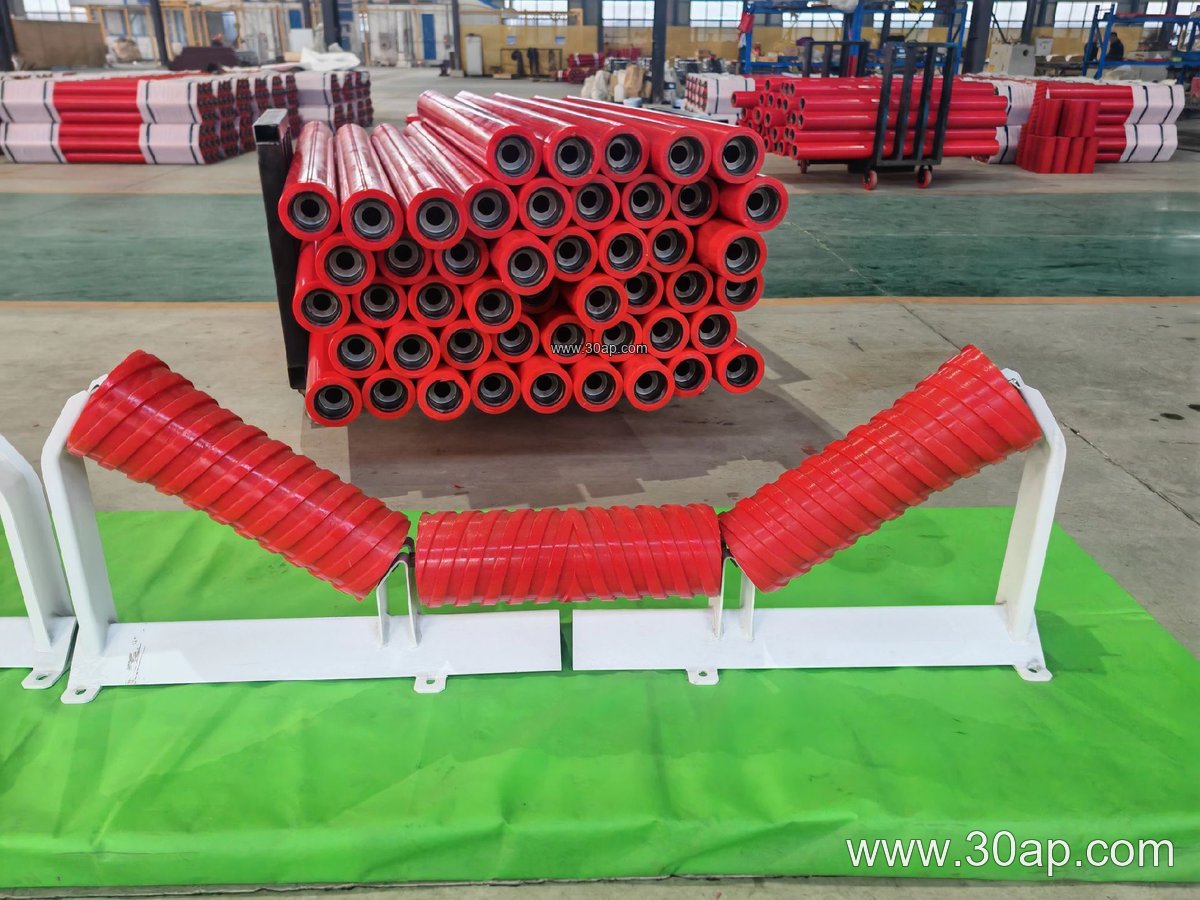
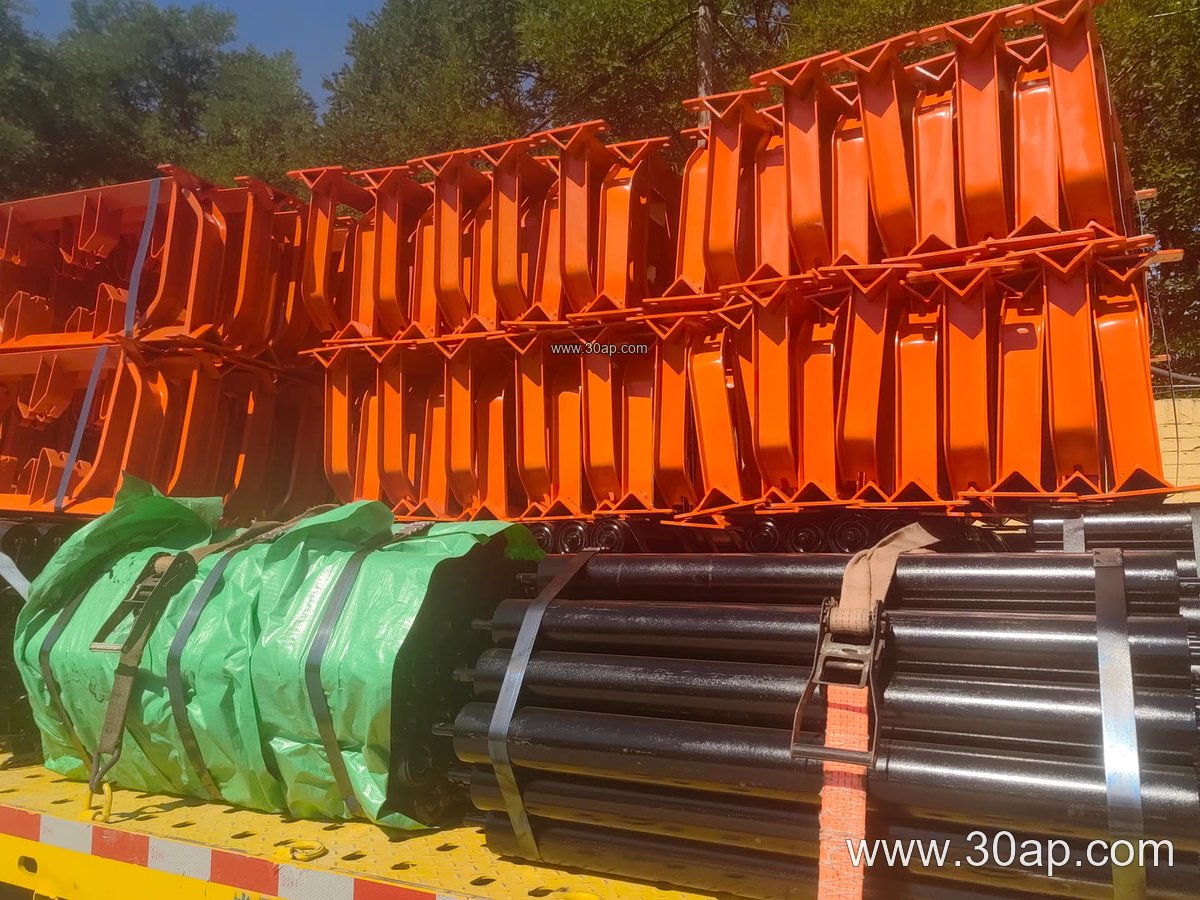
A Q355 Conveyor Bracket is the steel support that holds idler rollers in the correct position under a conveyor belt. It carries the roller load, keeps the trough shape, and transfers vibration and impact into the conveyor frame. In a limestone quarry or a coal washing plant, the bracket is easy to overlook, yet it decides how evenly an idler roller sits and how long a belt runs before edge damage appears. Fabricators usually refer to the same part as a Q355 belt conveyor idler bracket or a Q355 roller support bracket, and the steel grade is the main reason buyers specify it.
Material and Construction
Q355 is a low-alloy structural steel with a minimum yield strength of about 355 MPa. Brackets are commonly made from angle steel, channel steel, or folded steel plate, then drilled, welded, and finished with a protective coating. The grade gives a good balance between stiffness and weight, so a bracket can resist bending without becoming too heavy to handle during installation. Welds around the mounting holes and crossbeam joints deserve attention, because these are the points that see repeated load from a loaded conveyor belt.
Common Bracket Types
- Trough bracket, often called an upper troughing bracket, sets the trough angle for carrying idlers.
- Return bracket or flat return bracket supports the belt on the return run.
- V-return bracket holds two rollers in a V shape to help belt tracking.
- Transition bracket sits near a conveyor pulley, where the belt changes from flat to troughed.
- Impact bracket or buffer bracket carries impact rollers below a loading point.
- Self-aligning bracket and forward-leaning bracket assist belt centering.
- Adjustable bracket allows the trough angle to be changed on site.
- Hanging bracket is used where the frame is suspended rather than floor mounted.
Typical Reference Data
The values below are common reference points, not fixed rules. Hole spacing and crossbeam length change with belt width, trough angle, and frame design, so they should always be confirmed against the drawing.
| Item | Common reference values |
|---|---|
| Belt width | B500, B650, B800, B1000, B1200, B1400, B1600, B1800, B2000, B2200 |
| Trough angle | 20°, 30°, 35°, 45°; adjustable brackets can move between these angles |
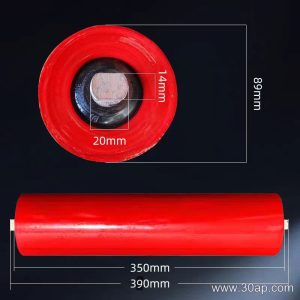
| Roller diameter | Ø89, Ø108, Ø133, Ø159, Ø194 |
| Forward lean | Usually about 1.5° to 2° |
| Material form | Angle steel, channel steel, folded plate |
A combination such as B800, 35°, Ø108 or B1200, 45°, Ø133 is a normal way to describe a bracket set, but one belt width does not lock the bracket to a single angle or roller size.
Where It Fits in the Conveyor
Brackets appear along the whole length of a conveyor, from the loading zone to the head and tail pulleys. In a cement plant they support clinker and raw meal belts; in a power plant coal yard they hold the carrying run under a flame retardant conveyor belt; in a crushing and screening line they sit under a heavy-duty mining conveyor belt that receives sharp rock. A transition bracket near a conveyor pulley is especially useful where a steel cord conveyor belt needs gradual troughing. The same bracket family also appears under an EP conveyor belt on a bulk material line, or beneath a heat resistant conveyor belt in a sinter plant, where heat and load both matter.
Selection Points for Buyers
Start with the belt width and the required trough angle, then match the roller diameter to the load and belt speed. Ask for the bracket drawing, including hole pitch, mounting height, and crossbeam length, rather than relying on a catalogue photo. For dusty or wet sites, check the coating and drainage around the bracket. Where belts are changed often, an adjustable bracket can reduce spare-part variety, while fixed brackets suit a stable, repeatable layout. Finally, confirm that the bracket matches the idler roller end type and the frame bolt pattern before ordering, and keep a small stock of the most used sizes.
Installation and Maintenance Notes
Align brackets in a straight line along the frame, and tighten bolts progressively so the rollers sit level. A bracket that is twisted or loose will make the belt run off center and wear the edge. During routine inspection, look for cracked welds, elongated holes, and corrosion at the base. Replacing a damaged bracket early is cheaper than replacing a roller or a section of belt. For more on matched components, see the roller and belt pages at conveyoridler.com and beltconveyorpro.com.