What a Bend Pulley Does on a Conveyor
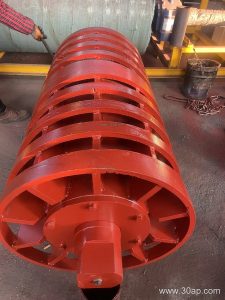
A bend pulley is a direction-changing pulley that routes the conveyor belt along the return side or through a tensioning zone without driving it. It is often called a deflection pulley or snub pulley, and those names point to the same job: guiding the belt around a corner, holding wrap on a drive pulley, or feeding a take-up arrangement. It is not a drive pulley, which transmits power, and not a tail pulley, which turns the belt at the loading end. Confusing the three leads to wrong specifications, so keep the role clear from the start.
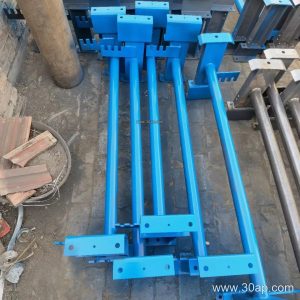
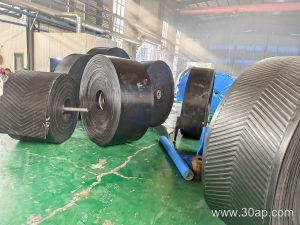
Typical installations are in a coal handling system, a cement plant clinker line, or a quarry conveyor where space is tight and the belt must change direction before it reaches the take-up. In these places the bend pulley works together with the conveyor belt, the idler roller set and the conveyor bracket that anchors the shaft.
Construction and Surface Options
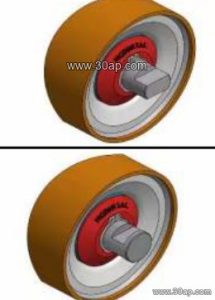
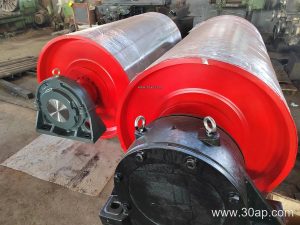
The body is commonly a welded steel drum with a machined face, end discs and a through shaft. The face may be plain or covered with rubber lagging. Lagging choices include cold-bonded rubber, hot vulcanized rubber, diamond grooved lagging and ceramic lagging; plain faces suit light contact, while grooved or ceramic surfaces help grip and shed fines in wet or dusty service. Lagging thickness is often 8, 10, 12, 15 or 20 mm, selected by contact pressure and wear conditions rather than by habit.
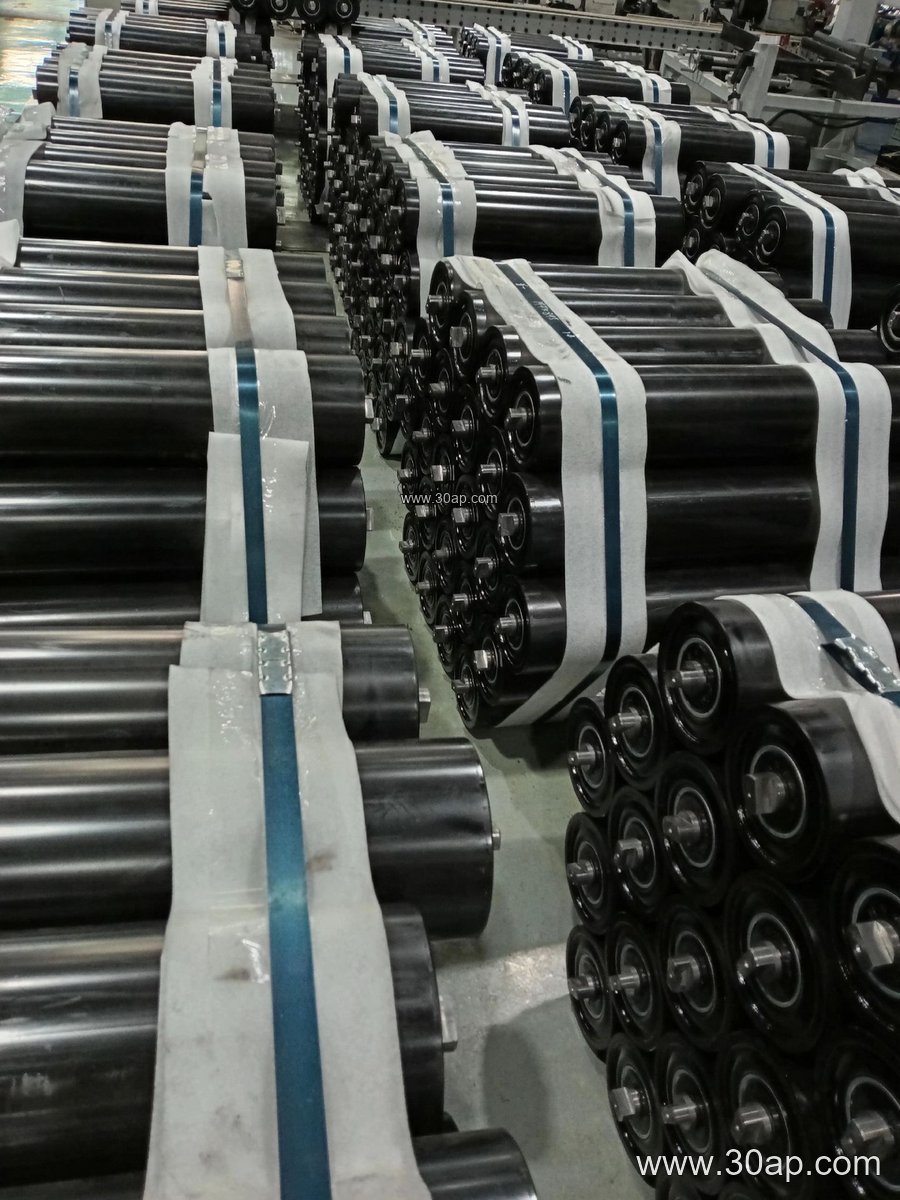
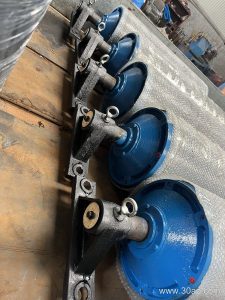
Bearing housings are usually bolted to the frame, and the shaft diameter is sized by torque and radial load. Common shaft sizes include Ø50, Ø60, Ø70, Ø80, Ø90, Ø100, Ø120 and up to Ø200 on larger units, but the final value comes from the design calculation, not from belt width alone.
Common Sizes and Face Widths
Face width is normally a little wider than the belt so the belt stays supported through slight misalignment. Reference combinations are shown below; these are common examples, not fixed pairings.
- B400 belt, face around 500 mm, diameter often Ø200 to Ø315
- B500 belt, face around 600 mm, diameter often Ø250 to Ø400
- B650 belt, face around 750 mm, diameter often Ø315 to Ø500
- B800 belt, face around 950 mm, diameter often Ø400 to Ø630
- B1000 belt, face around 1150 mm, diameter often Ø500 to Ø800
- B1200 belt, face around 1400 mm, diameter often Ø630 to Ø1000
- B1400 belt, face around 1600 mm, diameter often Ø800 to Ø1250
- B1600 belt, face around 1800 mm, diameter often Ø1000 to Ø1400
- B1800 belt, face around 2000 mm, diameter often Ø1250 to Ø1600
Useful shorthand in drawings looks like B800 × Ø500 or B1200 × Ø1000. A wider belt does not lock a pulley to one diameter, and a specific belt width should never be read as a fixed shaft size. When the belt carries a heavy-duty mining conveyor duty or a steel cord conveyor belt, the pulley diameter is usually increased to limit belt bending stress.
Where It Fits in Different Plants
In a coal preparation plant, a bend pulley is often placed near the take-up to increase belt wrap and keep tension stable. In a limestone quarry or aggregate line, a deflection pulley may sit after the crusher discharge to route the belt around structural steel. Other duties include holding a flame retardant conveyor belt in contact with a drive pulley, guiding an abrasion resistant conveyor belt through a transfer tower, or turning a heat resistant conveyor belt away from a hot zone.
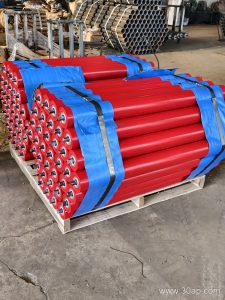
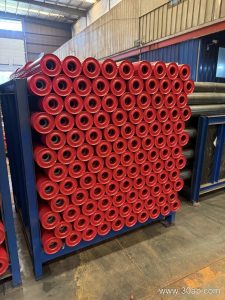
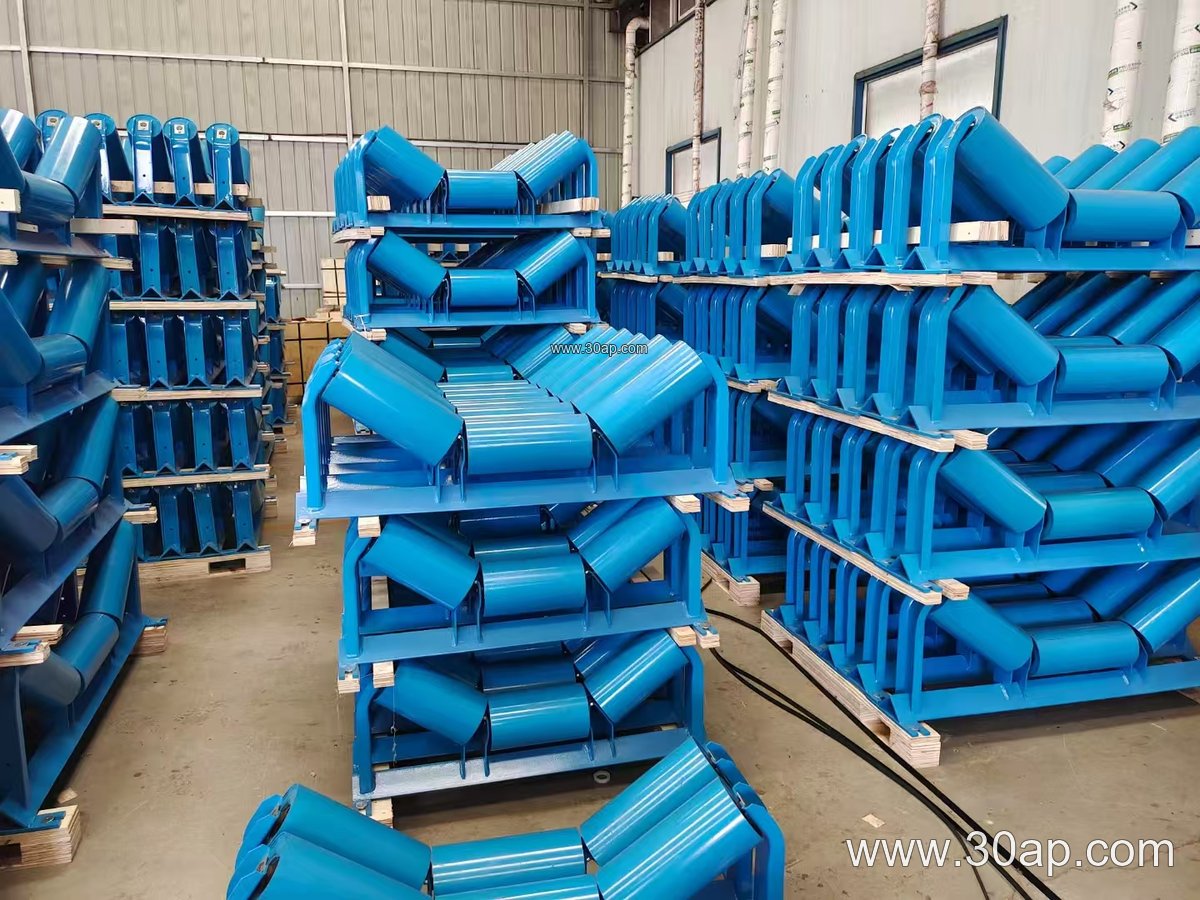
On the return side, the bend pulley may be paired with a self-aligning idler roller or a return roller to control belt tracking. The conveyor bracket and frame must be stiff enough to resist the side load created by belt tension.
Buyer Checklist
- Confirm the pulley role: bend, take-up, snub or transition, and record its position on the layout.
- Give belt width, belt type and belt tension so the supplier can size the drum and shaft correctly.
- State the lagging preference and thickness, plus whether the surface must resist oil, heat or abrasion.
- Check bearing type, housing bolt pattern and shaft end detail against the existing conveyor bracket.
- Ask for dynamic balance and inspection records where high speed or long belt runs are involved.
- Plan periodic checks of lagging wear, bearing clearance and pulley alignment.
For more conveyor components and belt references, visit www.bendpulley.com to compare bend pulley options with conveyor pulley and idler roller selections.