What a 1400mm Diameter Conveyor Pulley Is
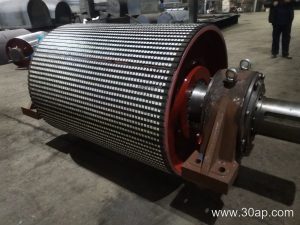
A 1400mm diameter conveyor pulley is a large rotating drum used to drive, tension, or redirect a conveyor belt in high-capacity bulk handling systems. With a nominal diameter of 1400 millimeters, it falls into the heavy-duty class of pulleys, often paired with wide belts and high-torque drives. In a typical arrangement, this pulley may serve as a drive pulley at the head of the conveyor, a tail pulley at the loading point, or a bend pulley where the belt changes direction. Its size helps distribute belt tension over a larger arc, reducing stress on the belt carcass and improving traction when combined with appropriate lagging.
Construction and Key Components
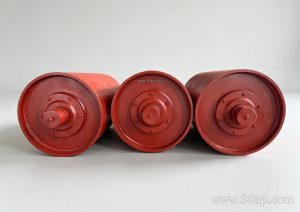
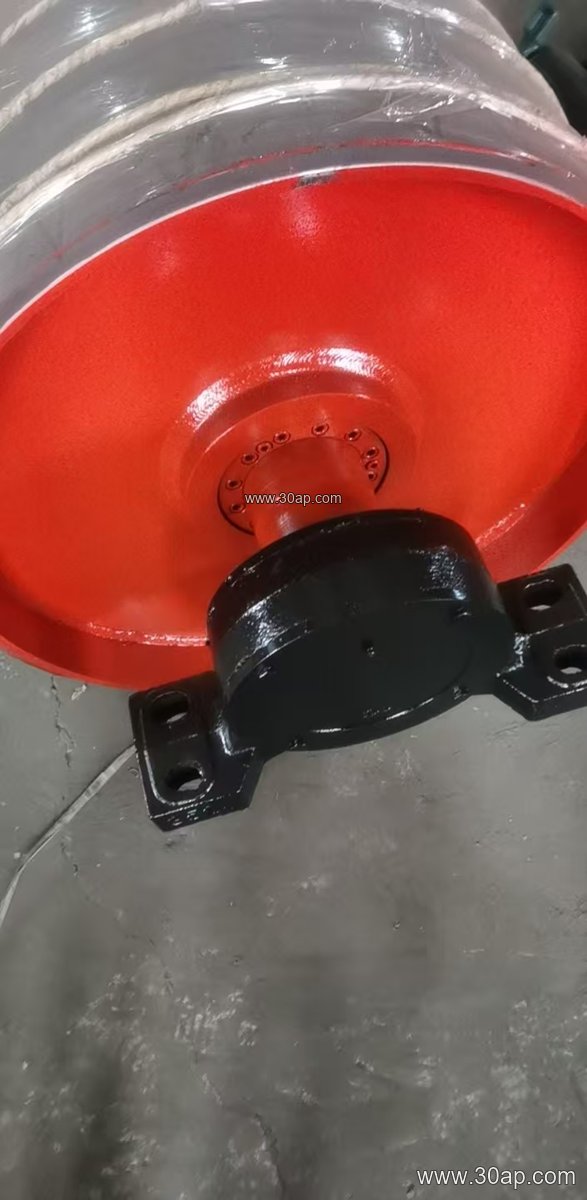
The pulley body usually consists of a cylindrical shell, end discs, and a shaft, with hubs connecting the shell to the shaft. For a 1400mm diameter unit, the shell is often fabricated from rolled steel plate and machined for balance. The shaft diameter is determined by torque and load requirements, not by belt width alone; common shaft sizes in this class may range from Ø160 to Ø200 or larger, depending on the drive configuration. Bearings are selected to handle radial and axial loads, and the pulley is typically mounted in conveyor brackets or bearing housings that align with the conveyor frame.
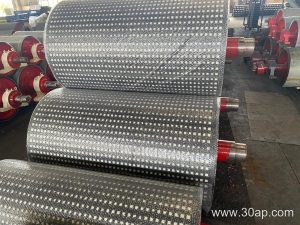
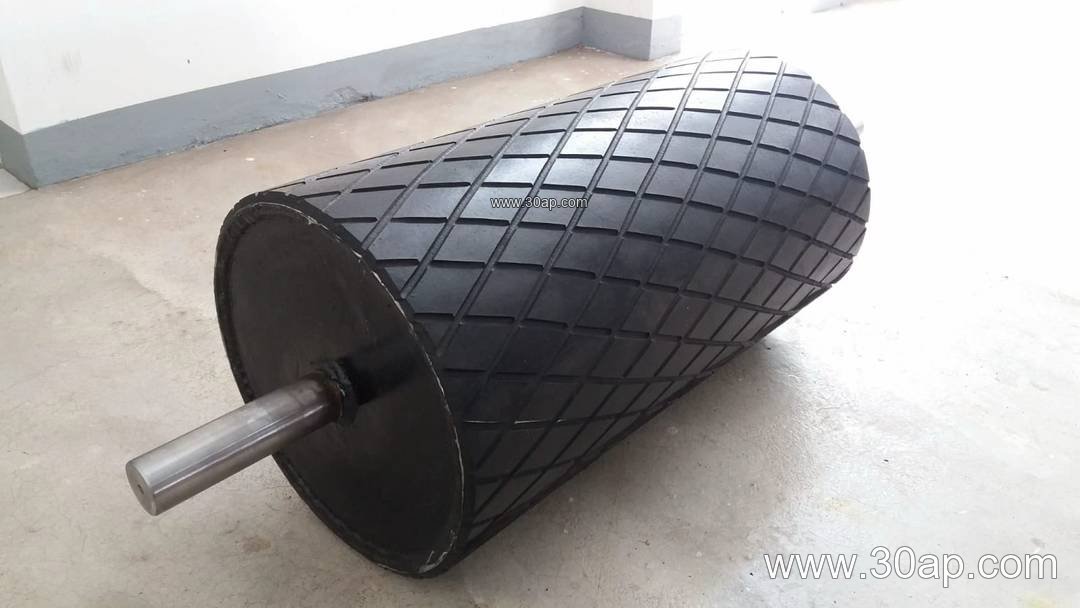
Surface options include plain steel, rubber lagging applied by cold bonding or hot vulcanization, diamond grooving, and ceramic lagging. Lagging thickness commonly ranges from 8 mm to 20 mm, with 10 mm or 12 mm often used for general duty and thicker layers for high-traction or abrasive conditions. The pulley face width is usually wider than the belt to accommodate tracking; for a belt around 1200 mm wide, a face width of approximately 1400 mm is common, while a 1400 mm wide belt would typically use a face width near 1600 mm. These are reference relationships, not fixed rules.
Where It Fits in the Conveyor System
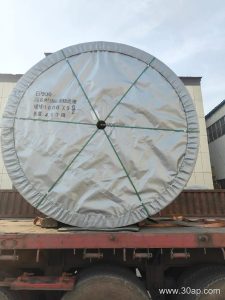
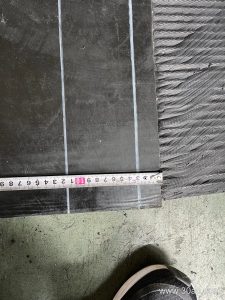
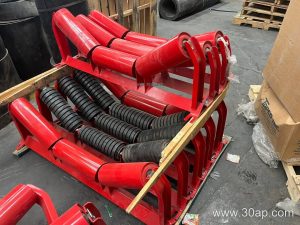
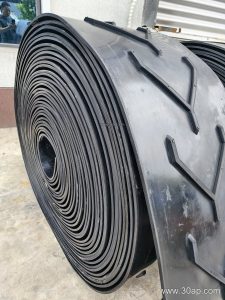
Large-diameter pulleys like the 1400mm unit are frequently found in quarry conveyor lines, iron ore and copper ore handling, coal mining conveyors, cement plant clinker transport, and power plant coal feeding. They are also used in port bulk terminals and aggregate plants where high belt tensions and long conveyors demand robust drive components. In such settings, the pulley works alongside idler rollers, conveyor brackets, and a suitable conveyor belt—whether an EP conveyor belt, steel cord conveyor belt, or flame retardant conveyor belt for underground mining. The larger diameter can help reduce bending stress in the belt, which is particularly beneficial for thick, heavy-duty belts such as abrasion resistant conveyor belt or high strength conveyor belt constructions.
Selection and Sizing Notes
When specifying a 1400mm diameter conveyor pulley, buyers should consider belt width, belt type, operating tension, and the pulley’s position in the conveyor. A drive pulley requires lagging and shaft strength for torque transmission, while a bend pulley may have different load demands. The table below lists common reference dimensions; actual values should be confirmed with the pulley manufacturer based on engineering calculations.
| Parameter | Common Reference Range |
|---|---|
| Pulley diameter | Ø1400 mm |
| Belt width examples | B1200, B1400, B1600 |
| Pulley face width (approx.) | 1400 mm for B1200; 1600 mm for B1400; 1800 mm for B1600 |
| Shaft diameter examples | Ø160, Ø180, Ø200 (determined by torque and load) |
| Lagging thickness | 8, 10, 12, 15, 20 mm |
| Lagging type | Plain, rubber lagging, diamond grooving, ceramic lagging |
It is important not to assume that a given belt width automatically dictates a specific pulley diameter or shaft size. The 1400mm diameter is a nominal size that may suit a range of belt widths depending on the conveyor design, and the shaft diameter must be calculated from the actual torque and radial loads. Buyers should also verify the pulley’s dynamic balance, lagging adhesion, and bearing selection for the intended service life.
Maintenance and Operational Tips
Regular inspection of the lagging surface helps maintain traction and prevents belt slip. For rubber-lagged pulleys, check for wear, glazing, or separation from the shell. Keep the pulley clean and aligned with the conveyor frame; misalignment can cause belt tracking issues and premature wear on both the pulley and the conveyor belt. Lubricate bearings according to the manufacturer’s schedule, and monitor for unusual vibration or noise that could indicate bearing wear or imbalance. In dusty environments such as coal mining or cement plants, consider sealed bearing housings and periodic cleaning to extend service life.
For more information on conveyor pulleys, belts, and accessories, visit www.widebelt.com or www.idler-roller.com. The right 1400mm diameter conveyor pulley, matched to your belt and load conditions, contributes to reliable bulk material handling across mining, quarrying, and industrial plants.