What a Steel Plant Conveyor Pulley Does
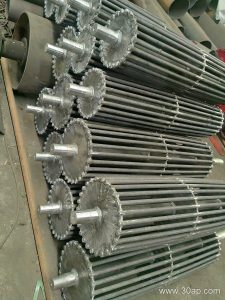
A steel plant conveyor pulley is the rotating drum that turns a conveyor belt, sets its tension, and guides it through the material handling route. In a sinter line, a coke handling system, or a finished product yard, the pulley is the point where belt motion becomes controlled movement. It is not a passive roller; it takes the full belt pull, carries the load, and must survive dust, heat, and continuous duty.
The same product is often called a conveyor drum or belt pulley. Drive, tail, and bend pulleys are distinct positions in the conveyor, not interchangeable names. A drive pulley transmits torque from the gearbox to the belt. A tail pulley returns the belt at the loading end. A bend pulley changes belt direction without driving the belt. Each has its own load pattern and surface requirement.
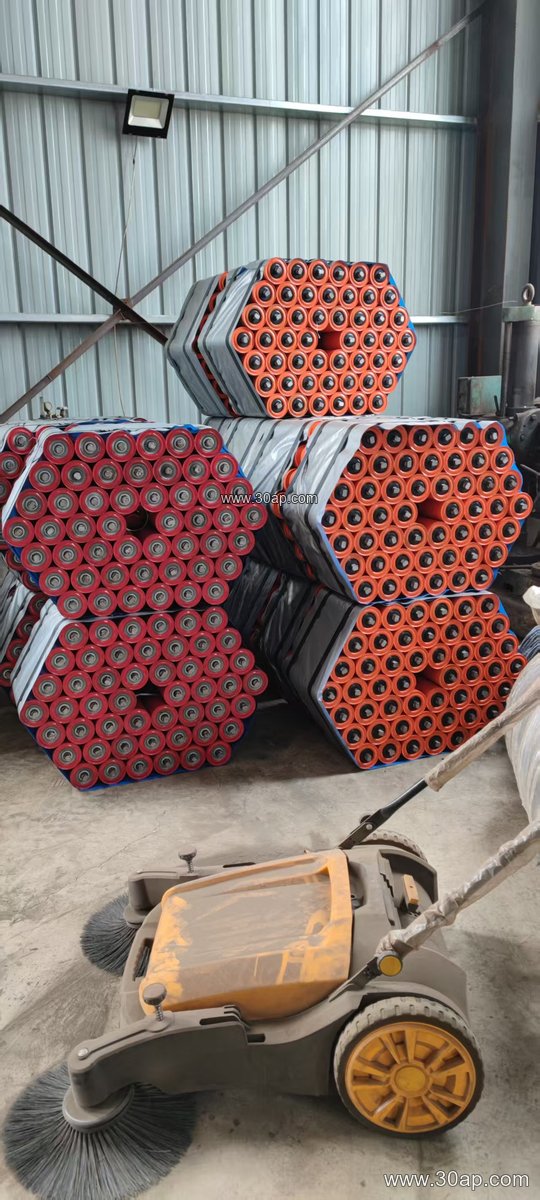
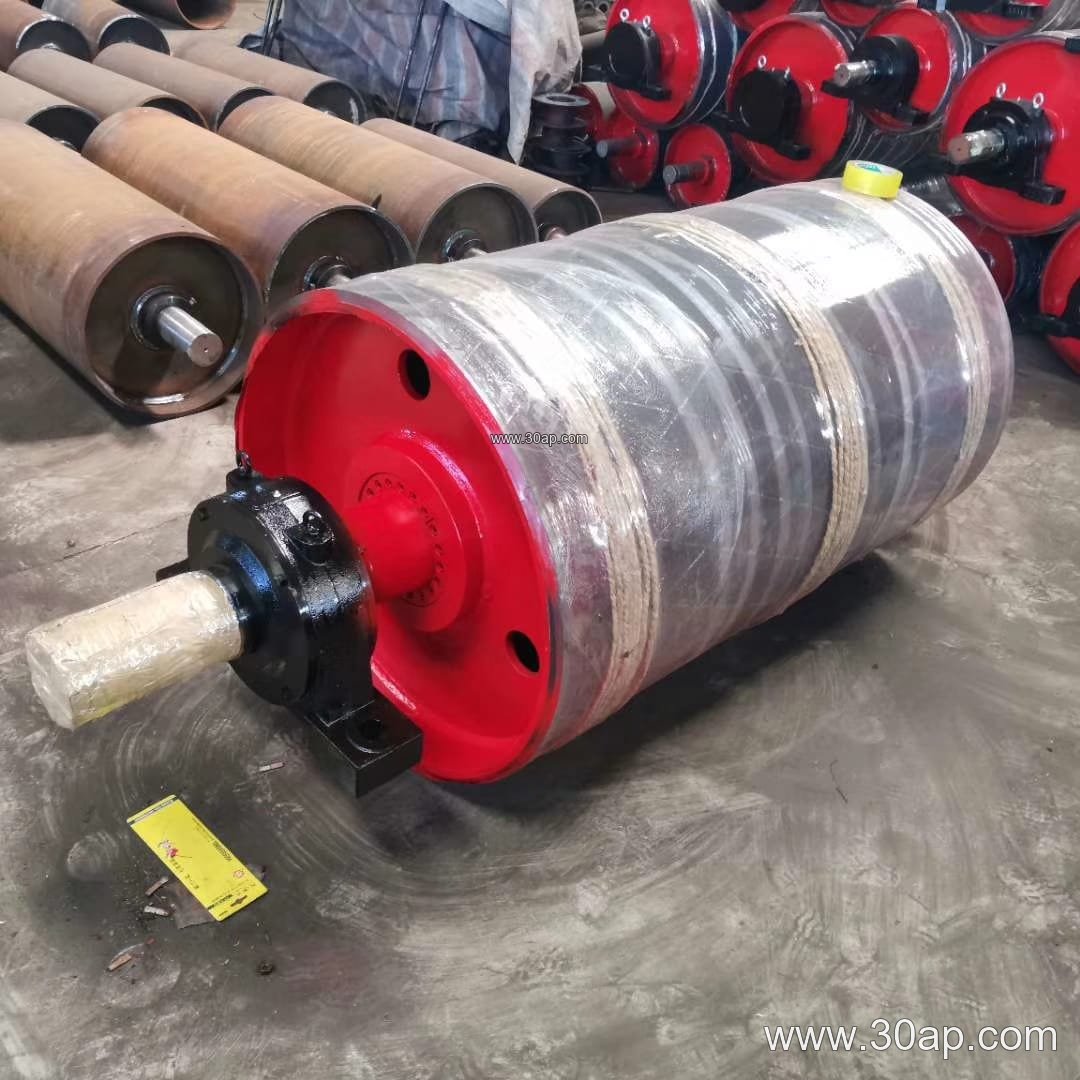
Construction Details That Matter
The drum body is usually a welded steel shell with end discs and a shaft. The shaft is sized by torque and radial load, not by belt width alone, so a B800 conveyor does not automatically receive a fixed shaft diameter. Common shaft sizes include Ø80, Ø100, Ø120, and Ø140, but the final value comes from the design calculation.
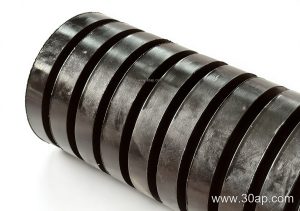
Surface options include plain, cast rubber, cold-bonded rubber, hot-vulcanized rubber, diamond grooving, herringbone grooving, ceramic lagging, and flat rubber sheet. Lagging thickness is commonly 8, 10, 12, 15, or 20 mm. In a steel plant, a hot-vulcanized or ceramic surface is often chosen where fine sinter dust and scale reduce friction on a plain shell.
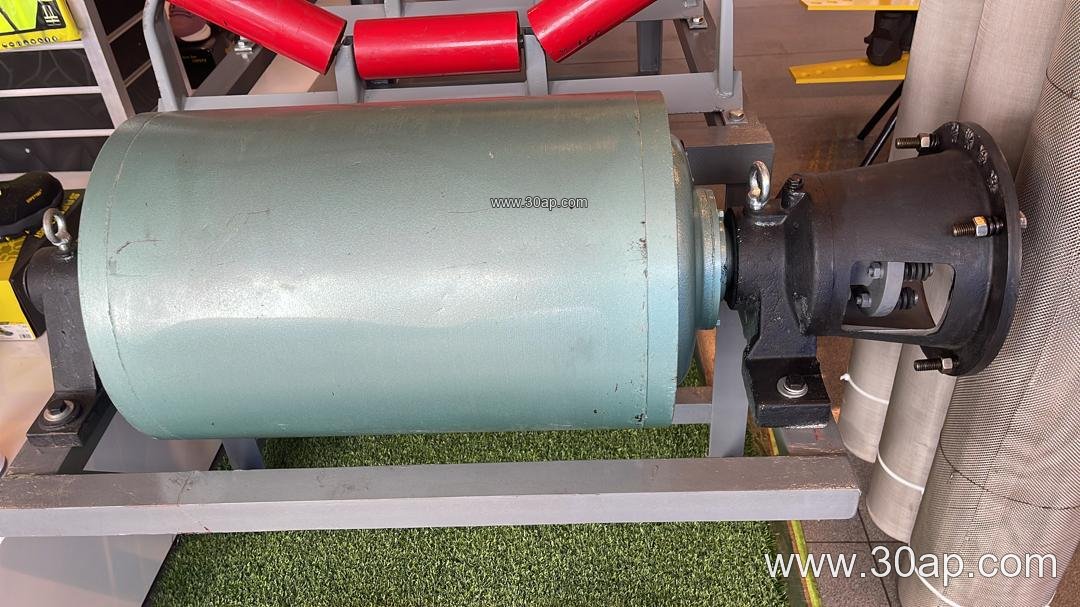
Shell width is normally wider than the belt. Typical references are B800 about 950 mm, B1000 about 1150 mm, B1200 about 1400 mm, and B1400 about 1600 mm. These are reference values, not fixed rules. A B1200 × Ø1000 drive pulley and a B800 × Ø500 tail pulley are both common combinations, but the diameter should follow belt speed, wrap angle, and tension, not a single belt width.
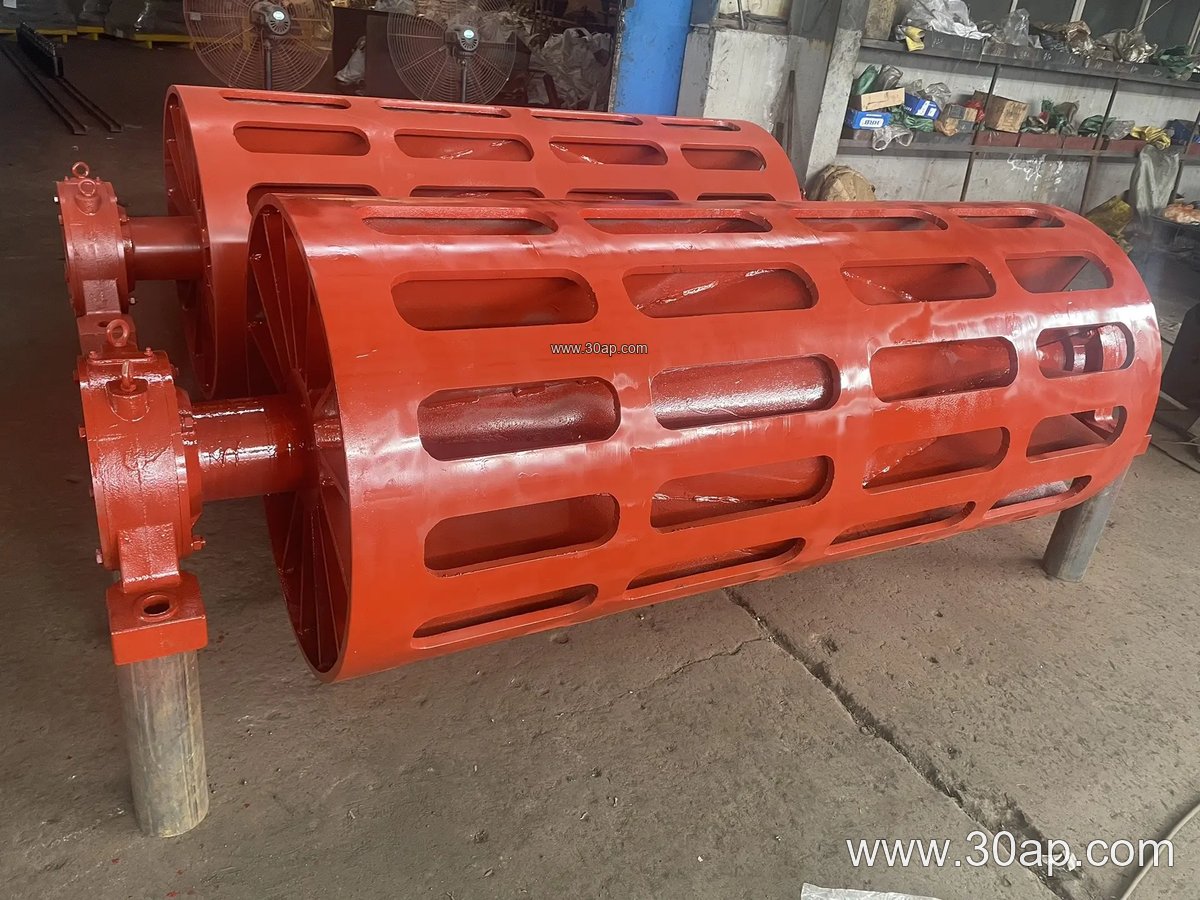
Where It Fits in the Line
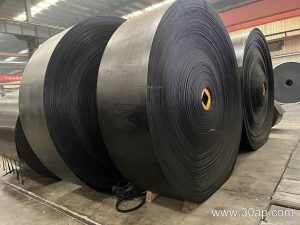
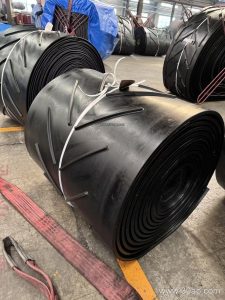
Steel plants use these pulleys in sinter feed, coke transport, limestone handling, and slag removal. A drive pulley at the head end is matched with a heavy-duty belt such as a Steel Cord Conveyor Belt or a high-strength EP Conveyor Belt. A bend pulley on a long overland section may work with a Flame Retardant Conveyor Belt where fire safety is required. In dusty transfer houses, an Abrasion Resistant Conveyor Belt reduces wear on both the belt cover and the pulley lagging.
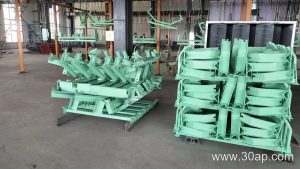
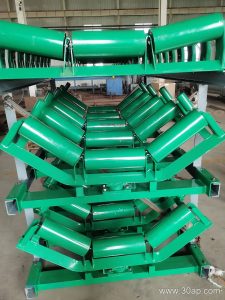
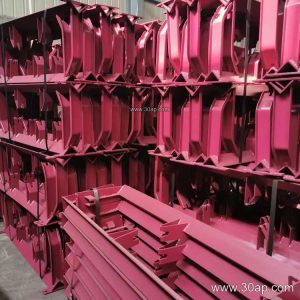
The pulley also works with conveyor idler rollers and conveyor brackets. A misaligned bracket or a worn idler roller can overload one side of the drum, so installation checks should include the whole assembly, not just the pulley.
Buyer Checklist
- Confirm the position: drive, tail, bend, take-up, or snub. Each position changes the load and the lagging choice.
- State the belt width and the required face width. A B650 belt commonly needs about 750 mm of shell face, but confirm with the conveyor layout.
- Provide the belt type. A Fabric Core Conveyor Belt, a Multi-Ply Fabric Core Conveyor Belt, and a Steel Cord Conveyor Belt each impose different tension and stiffness on the drum.
- Specify the environment. Heat, oil, and fine dust all affect lagging life, so mention a Heat Resistant Conveyor Belt or an Oil Resistant Conveyor Belt when relevant.
- Ask for the shaft diameter and bearing size from the design, not from a belt-width table.
For a steel plant project, the best starting point is a clear drawing of the conveyor route, the belt specification, and the material being carried. That information lets the pulley maker match shell diameter, lagging, and shaft size to the actual duty rather than to a generic catalog line.