Why the Conveyor Bracket Matters More Than You Think
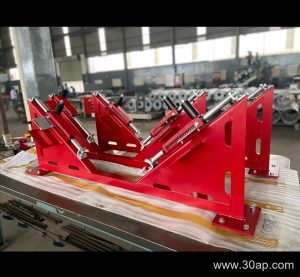
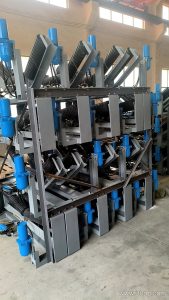
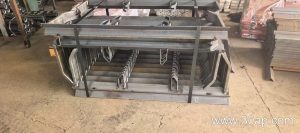
The conveyor bracket is the unsung hero of any bulk handling or assembly line. It aligns rollers, absorbs vibration, and distributes load evenly across the frame. A poorly chosen bracket leads to belt misalignment, premature wear, and costly downtime.
Key Selection Criteria for Industrial Buyers
- Material grade: Choose galvanized steel for corrosive environments, stainless for food or chemical plants, and aluminum for weight-sensitive mobile conveyors.
- Load rating: Always match the bracket’s dynamic capacity to your peak belt tension plus a 20% safety margin.
- Adjustability: Slotted or multi-angle brackets allow fine-tuning of troughing angles (20°, 35°, 45°) without replacing the whole unit.
Purchasing Advice: Avoid These Common Pitfalls
Do not buy brackets solely on price per unit. Instead, compare total cost of ownership: weld quality, bolt-hole tolerances, and coating thickness. Request a sample and test it on your actual conveyor frame. Verify that the bracket’s base plate fits your existing stringer spacing—custom drilling costs more than the bracket itself.
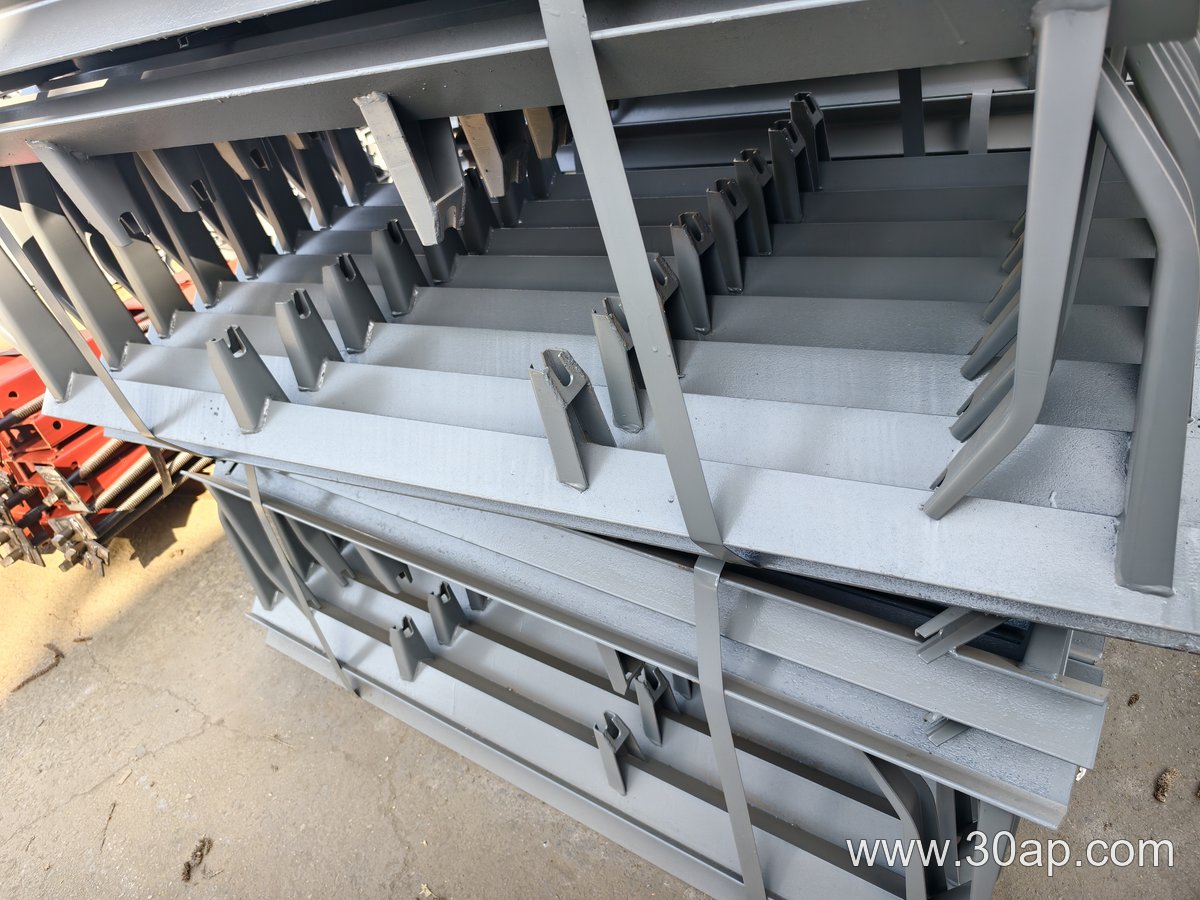
Finally, confirm the supplier offers a full range of companion brackets (return, impact, and transition) from the same batch to ensure dimensional consistency and easier spare-parts management.
Why the Conveyor Belt Is Your Line’s Backbone
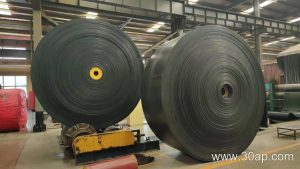
The conveyor belt is the single most cost-effective component in bulk handling—yet it fails fastest when mismatched. A belt that is too thin for abrasive ore or too stiff for tight-curve packaging will double downtime.
Core Criteria for Purchasing
- Cover grade: Choose abrasion-resistant (AR) for crushed stone, oil-resistant (OR) for food processing, and heat-resistant (HR) above 100°C.
- Carcass strength: Multiply peak load (kg/m) by belt speed (m/s) to calculate required tensile rating in N/mm—never guess.
- Ply count: Use fewer, thicker plies for impact zones; more, thinner plies for small pulley diameters under 300 mm.
Field-Proven Sizing Advice
Measure the trough angle and idler spacing before ordering. A 35° trough with 1.5 m idler pitch needs a belt with at least 10% more flexural life than a flat conveyor. Always request a splice kit sample—poor vulcanization at the joint is the leading cause of premature belt breakage.
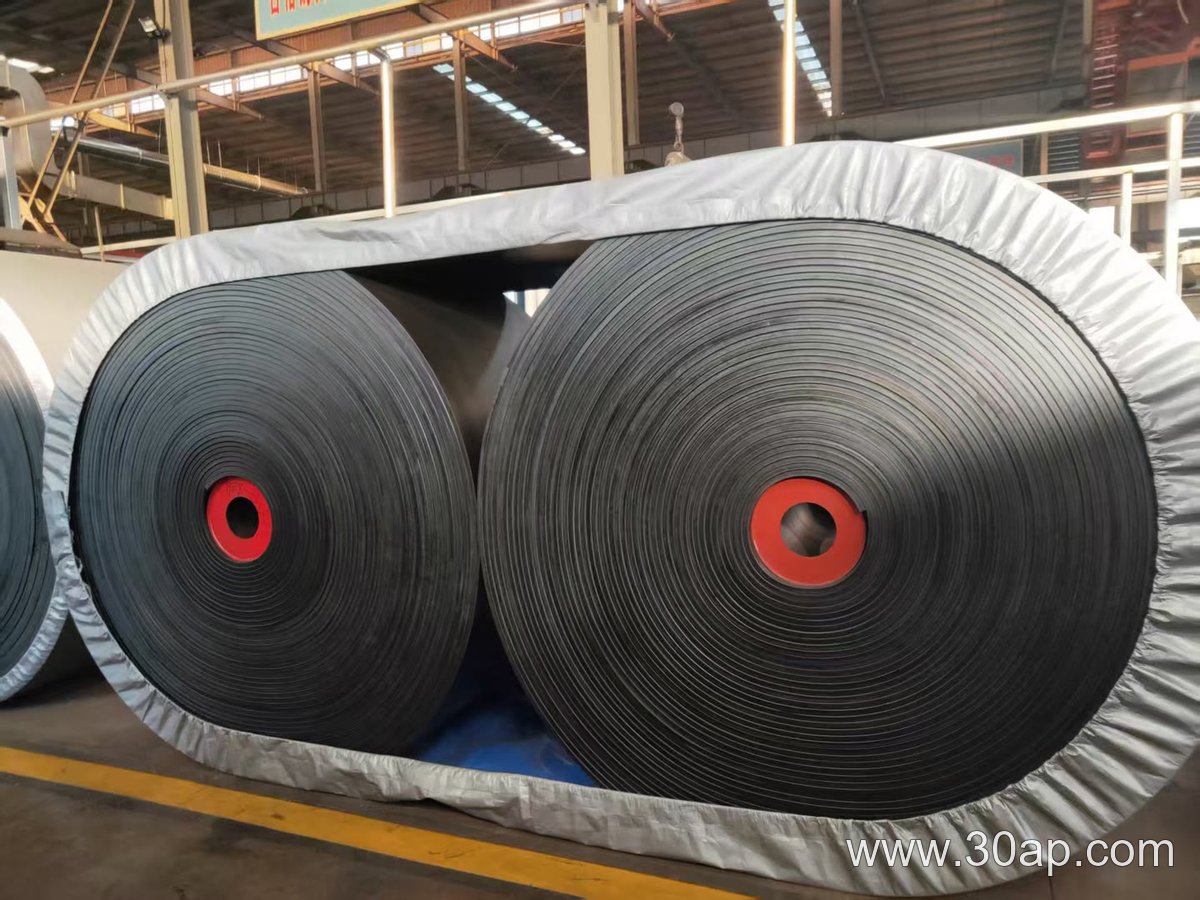
Finally, verify belt thickness against the minimum pulley diameter you own. Running a 12 mm belt on a 200 mm pulley cracks the carcass within 200 hours. Ask your supplier for a deflection chart; if they refuse, find another vendor.
Idler Roller Fundamentals
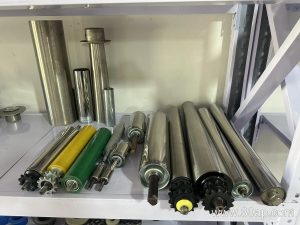
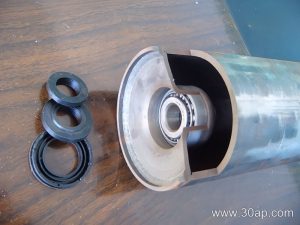
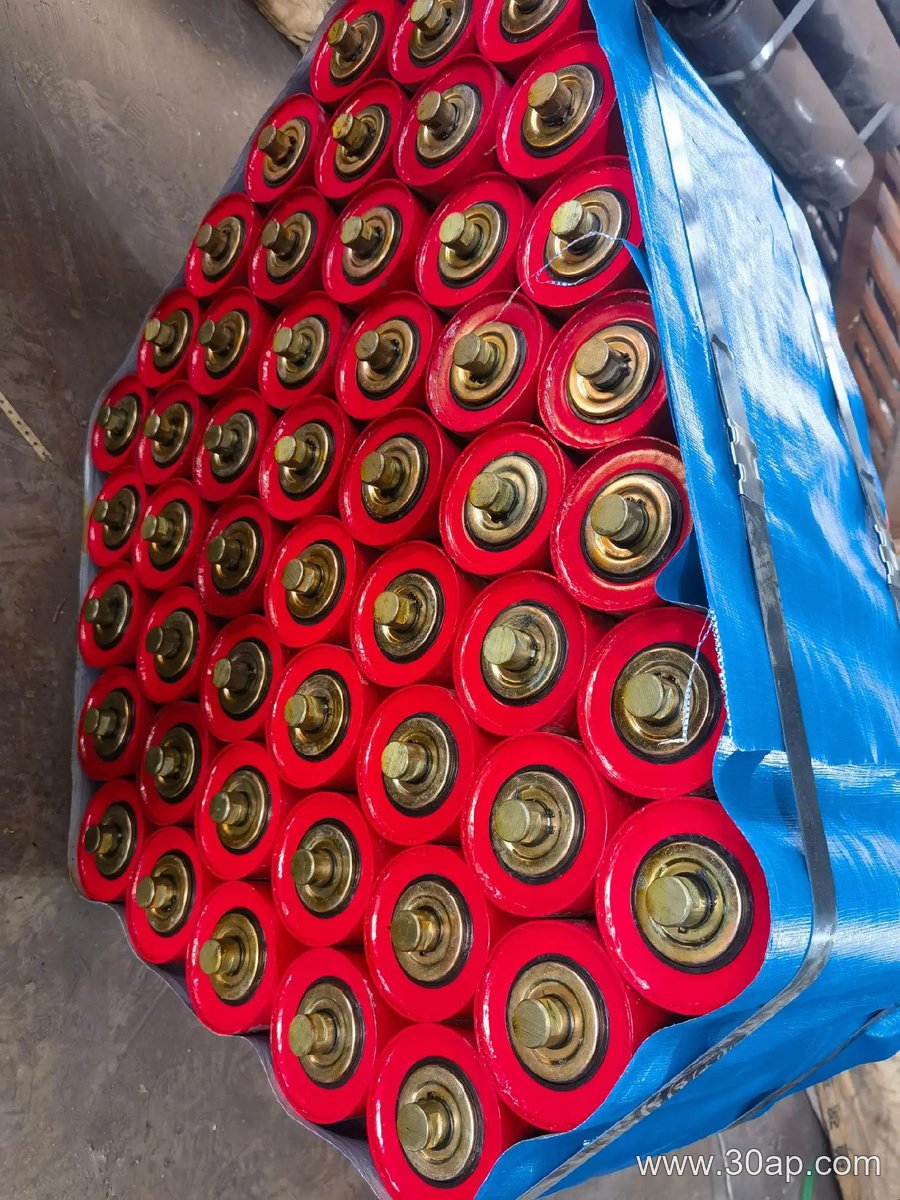
The idler roller is the backbone of any bulk material conveyor system. These cylindrical supports guide the belt and carry the load without driving it, reducing friction and wear. Choosing the right idler roller directly impacts operational uptime and energy costs.
Types and Applications
- Troughing idlers (20°, 35°, 45°) for loose materials like coal or grain
- Impact idlers with rubber rings at loading zones
- Return idlers to support the underside belt path
Each type serves a distinct purpose. For abrasive ores, specify higher-grade steel and sealed bearings. For food processing, stainless steel or polymer idlers meet hygiene standards.
Purchasing Advice
Verify the idler roller’s load rating (CEMA B, C, D, E) against your belt speed and material density. Check roller diameter (typically 4–6 inches) for belt width and trough angle. Always request bearing seal specs—labyrinth seals excel in dusty conditions.
Ask for a sample to test run. Inspect weld quality and concentricity (runout under 0.3 mm). Compare total cost of ownership, not just unit price: durable rollers cut maintenance labor. Finally, confirm compatibility with your existing frames and quick-change brackets to avoid downtime.
Why the Conveyor Pulley Deserves Your Attention
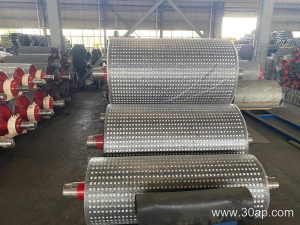
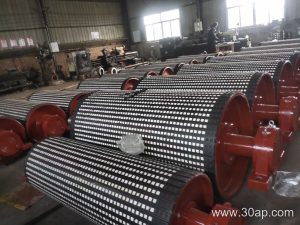
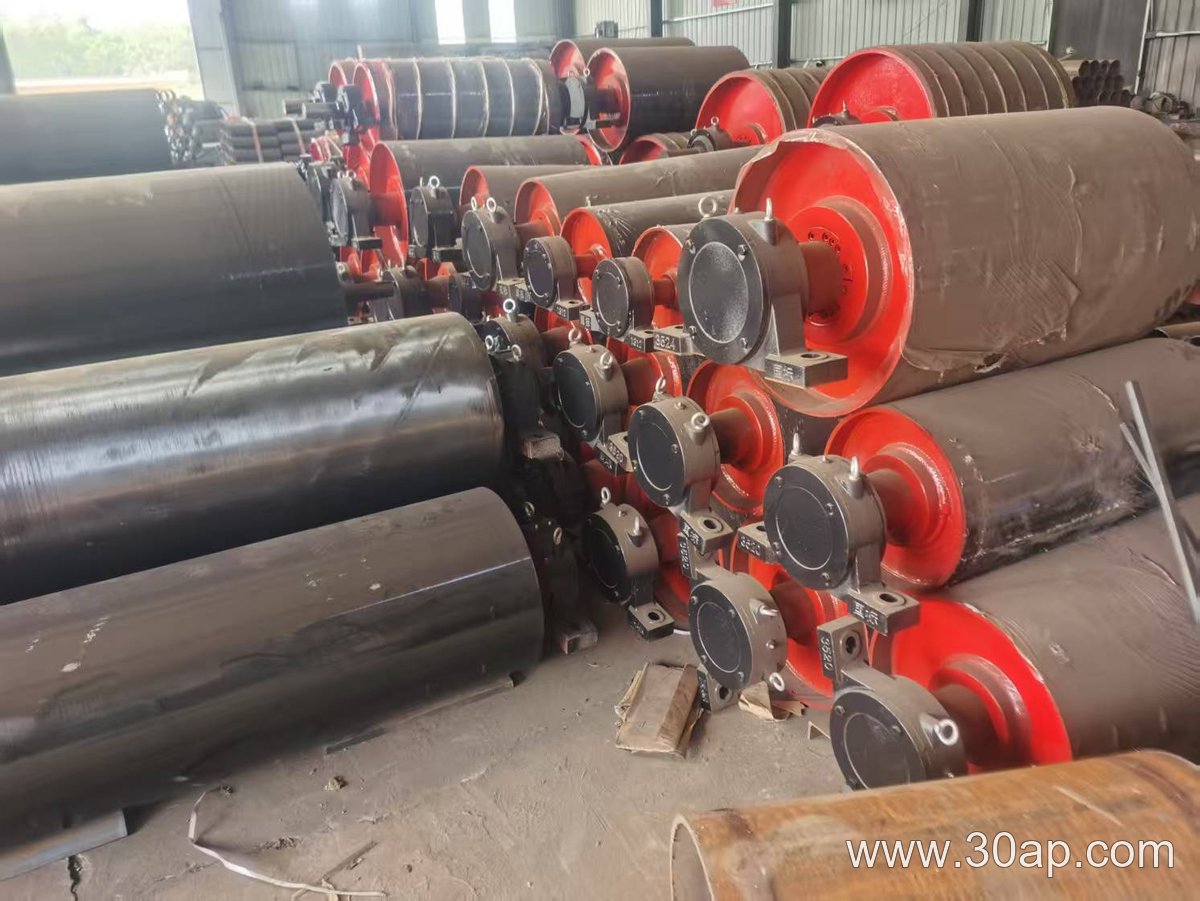
The conveyor pulley is not just a rotating cylinder; it is the structural anchor that drives belt tension, tracks alignment, and transfers torque across your entire bulk-handling line. A poorly chosen pulley leads to belt slippage, premature wear, and costly downtime.
Key Selection Criteria
- Duty classification: Match pulley diameter and face width to belt width, speed, and maximum belt tension (CEMA or DIN standards).
- Shaft and hub design: Verify shaft deflection limits and use locking elements or keyless hubs for high-torque drives.
- Lagging type: Choose ceramic lagging for wet or high-slip conditions; rubber lagging for general abrasive loads.
Purchasing and Inspection Advice
Always request dynamic balancing reports for pulleys above 600 mm diameter. Inspect weld quality and end-disk concentricity before installation. For replacement, measure existing crown profile and bearing housing dimensions — never guess. Partner with a manufacturer that offers finite element analysis (FEA) for shaft stress validation.