What the Head Drive Pulley Does
At the discharge end of a conveyor, the head drive pulley is the component that transmits motor torque to the belt and sets the carrying run in motion. It is sometimes called the head pulley or drive drum, and it is the only pulley in the system that is actively powered. In a quarry, a coal preparation plant, or a cement kiln feed line, this pulley determines how smoothly the belt accelerates and how well it tracks under load. The head drive pulley works together with the conveyor belt, idler rollers, and conveyor brackets to keep material moving from the load zone to the transfer point.
Construction and Surface Options
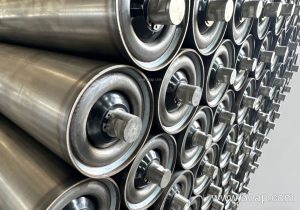
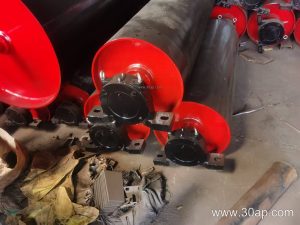
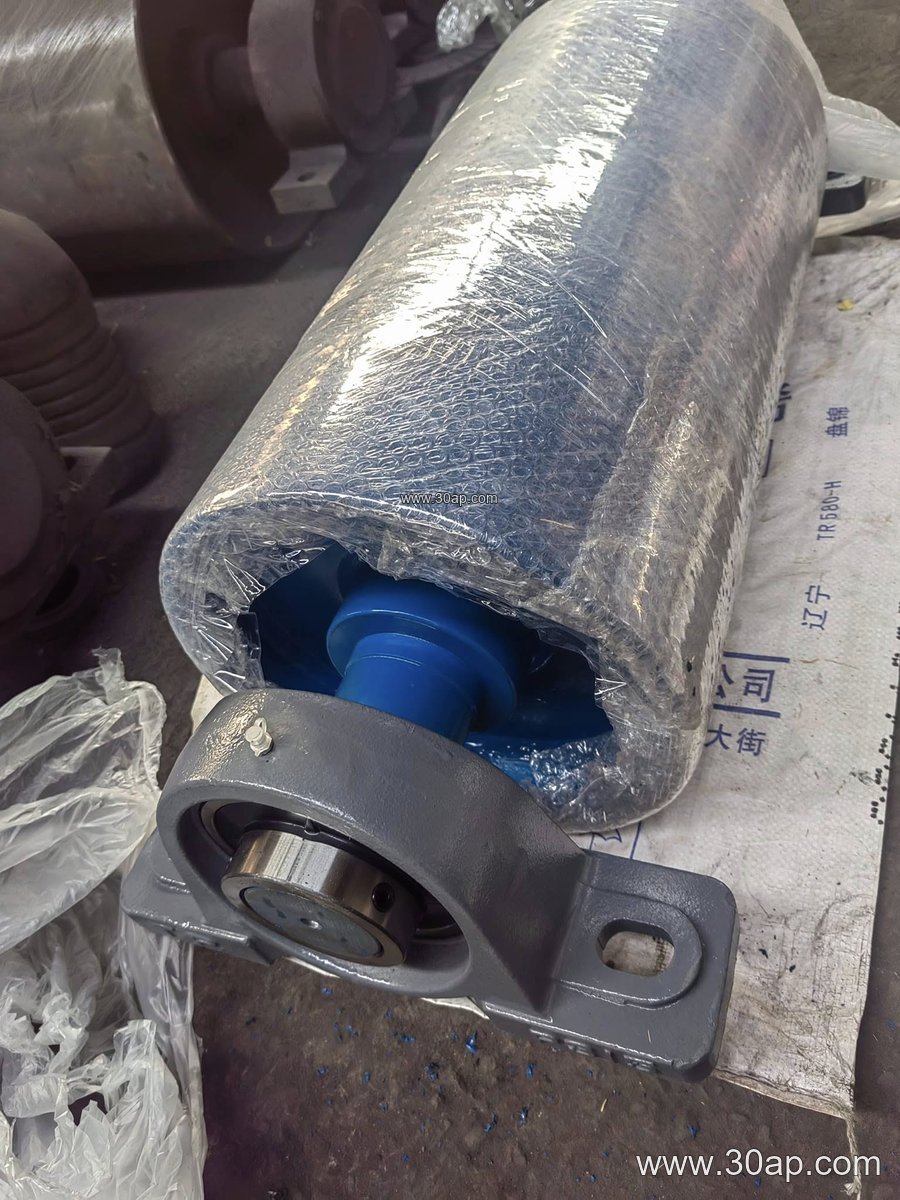
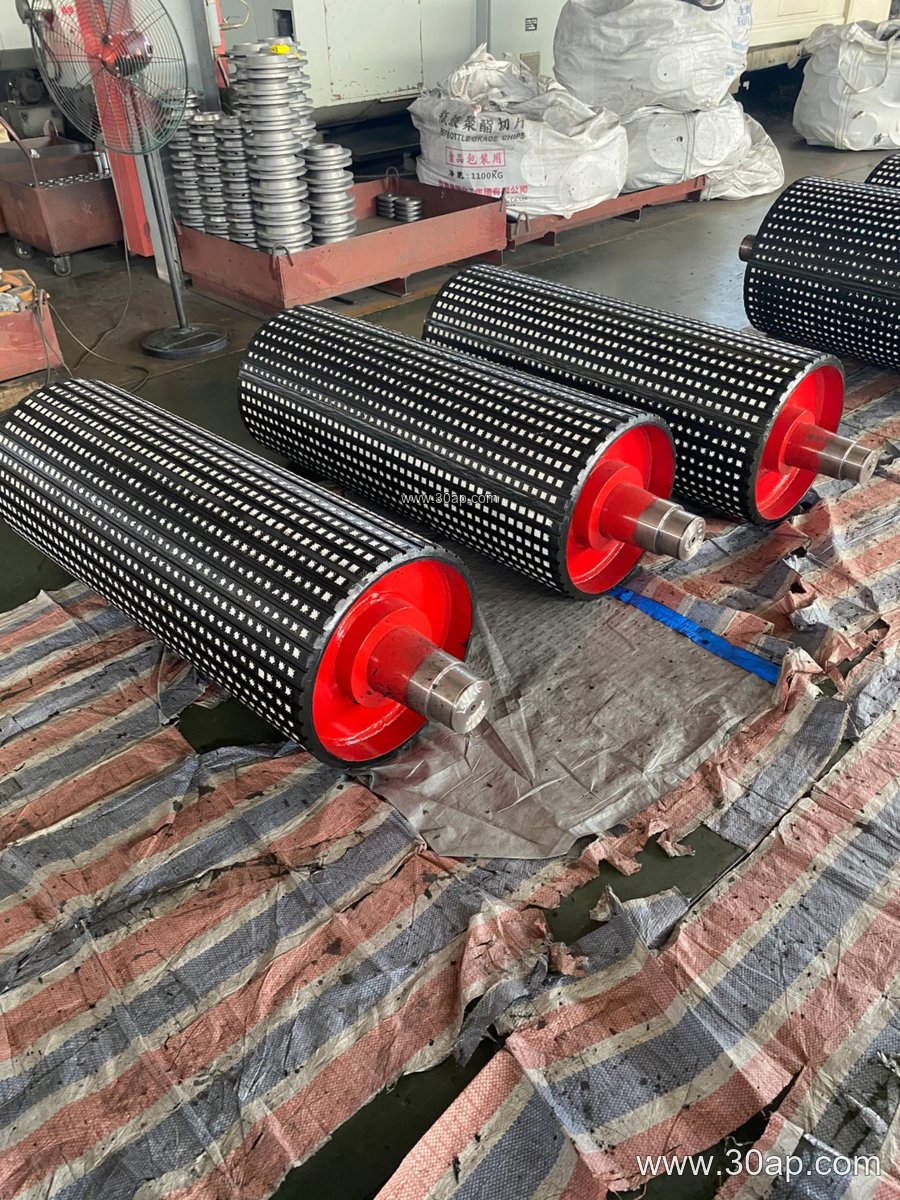
A typical head drive pulley has a steel drum shell, welded end discs, a shaft, and bearing housings mounted on a sturdy frame. The shell surface may be plain, or it may carry rubber lagging to improve grip. Common lagging styles include diamond grooved, herringbone, ceramic, and plain rubber, with thicknesses often in the range of 8 mm to 20 mm. The right surface depends on the belt and the environment: a rubber lagging helps in wet or dusty conditions, while ceramic lagging may suit high-torque drives where slip is a concern.
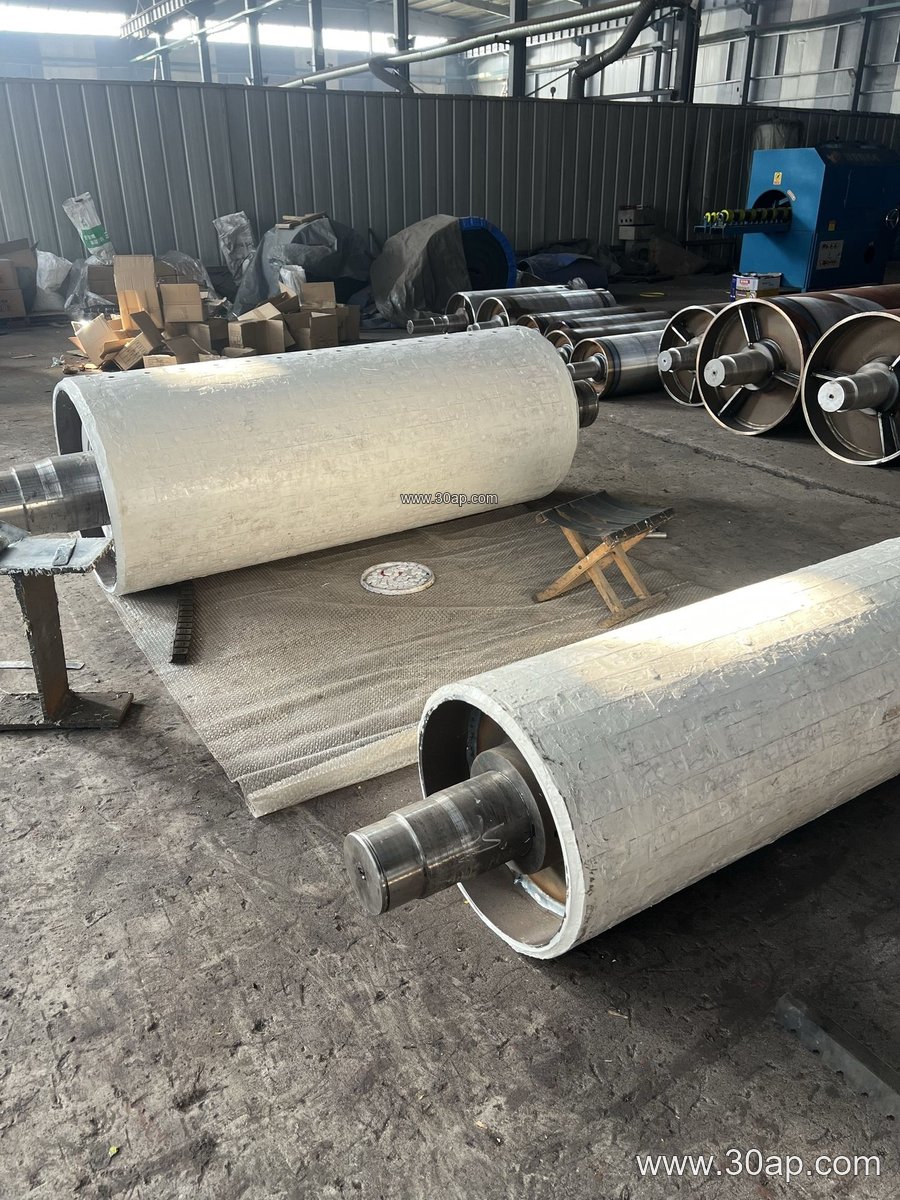
Drive pulleys are not interchangeable with tail pulleys or bend pulleys. The tail pulley returns the belt at the loading end, and a bend pulley changes belt direction without driving. Each has its own design priorities, so a spare drive drum cannot simply be swapped for a tail drum without checking shaft, bearing, and lagging requirements.
Where It Fits in the System
Head drive pulleys are common in aggregate conveyor lines, iron ore handling, power plant coal conveying, and port ship-loading systems. In a stone crushing plant, the head pulley sits at the discharge point over a transfer chute, often working with an abrasion resistant conveyor belt that carries sharp rock. In a coal mining operation, a flame retardant conveyor belt may run over the same style of drive pulley, but the lagging and bearing seals need to handle fine coal dust. The pulley must match the belt width and the load, not the other way around.
Sizing and Parameter Reference
Buyers often ask about drum diameter and face width. The table below gives common reference ranges, but final values are set by the conveyor designer based on belt tension, torque, and available space. A wider belt does not automatically require a larger diameter, and shaft size is determined by torque and load rather than belt width alone.
| Belt Width (B) | Typical Pulley Face Width | Common Diameter Range |
|---|---|---|
| B500 | about 600 mm | Ø250 to Ø400 |
| B650 | about 750 mm | Ø315 to Ø500 |
| B800 | about 950 mm | Ø400 to Ø630 |
| B1000 | about 1150 mm | Ø500 to Ø800 |
| B1200 | about 1400 mm | Ø630 to Ø1000 |
| B1400 | about 1600 mm | Ø800 to Ø1250 |
Common shaft diameters include Ø80, Ø100, Ø120, Ø140, Ø160, and Ø180, but these are reference values only. A B1200 × Ø1000 head drive pulley and a B800 × Ø500 unit may both appear in the same plant, serving different conveyor sections. The combination should follow the actual torque calculation.
Buyer Checklist
- Confirm the belt width and the required face width, allowing for belt tracking.
- Specify lagging type and thickness based on material and moisture.
- Check shaft diameter, bearing type, and locking assembly against the drive torque.
- Match the pulley to the conveyor belt construction, whether it is an EP conveyor belt, a steel cord conveyor belt, or a multi-ply fabric core belt.
- Plan for maintenance access, since lagging wear and bearing condition affect uptime.
During operation, watch for belt slip, lagging wear, and abnormal vibration. Re-lagging or replacing bearings at the right interval is cheaper than an unplanned stoppage. For more guidance on conveyor pulleys and related components, visit conveyoraccessories.com or check our notes on conveyor pulley selection at beltconveyors.com. A well-matched head drive pulley keeps the whole line running steadily, from the primary crusher to the stockpile.