What a Friction Idler Does
A friction idler is a training roller that corrects belt misalignment through controlled friction between the roller surface and the conveyor belt. Instead of relying only on gravity or a pivoting frame, this roller uses the difference in surface speed and contact drag to steer the belt back toward the center of the carrying run. In a quarry or a cement plant, a small drift in belt tracking can quickly become a spillage problem, and a friction idler is often one of the first components considered for the correction.
The same product is also described as a friction training idler or friction self-aligning idler. These names refer to the same roller, not to a separate family of return or impact rollers.
How the Roller Is Built
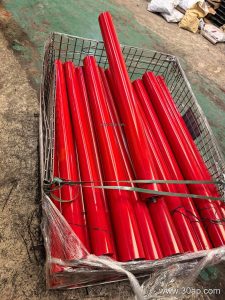
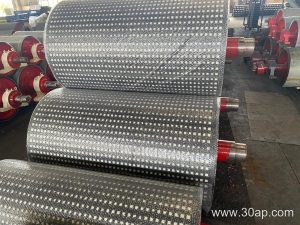
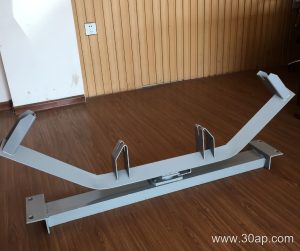
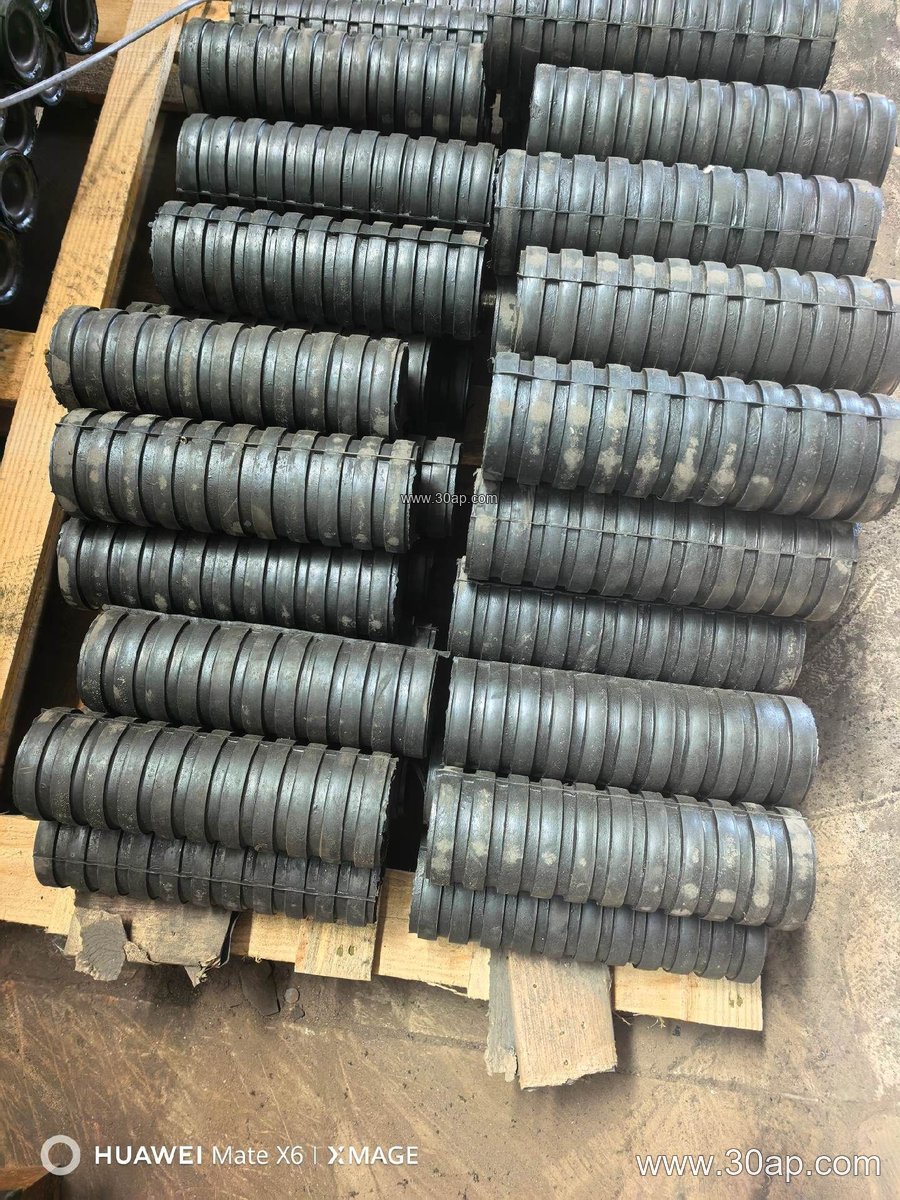
A typical friction idler combines a steel tube shell, a bearing housing, and a shaft mounted on a small pivoting bracket. Some designs add a rubber ring or a specially textured surface to increase grip on the belt edge. The bracket allows the roller to swing slightly, and when the belt touches the roller at an angle, the friction force turns the assembly so the roller pushes the belt back on track.
- Shell: steel tube, sometimes with a rubber ring for extra grip
- Bearing: common sizes include 6204, 6205, 6305, 6306, 6308, and 6310
- Shaft and bracket: designed to pivot within a limited arc
- Surface: plain steel or rubber-covered, depending on the belt and material
Because the roller depends on contact, the surface condition matters. A worn or polished shell may lose grip, while a rubber ring can improve traction on a Fabric Core Conveyor Belt or an EP Conveyor Belt running at moderate tension.
Where It Fits on the Conveyor
Friction idlers are usually installed on the carrying side, close to the point where misalignment begins. In a coal mining conveyor or an ore conveyor, they are often placed after the loading point and before the first bend, where the belt is most likely to wander. They are not a substitute for a bend pulley or a tail pulley; those components change belt direction, while a friction idler only influences tracking.
In a sand and gravel line, a friction idler may sit just ahead of a crusher conveyor, helping the belt stay centered as the load shifts. In a power plant coal yard, the same roller can reduce edge wear on a Flame Retardant Conveyor Belt by keeping the belt away from the structure.
Common Sizes and Matching Points
Roller diameter and belt width are selected together with the conveyor design, not as a fixed pair. The table below shows common reference values rather than mandatory combinations.
| Parameter | Common reference values |
|---|---|
| Roller diameter | Ø63, Ø76, Ø89, Ø102, Ø108, Ø127, Ø133, Ø159, Ø178 |
| Belt width | B500, B650, B800, B1000, B1200, B1400, B1600 |
| Trough angle | 20°, 30°, 35°, 45° |
| Bearing | 6204, 6205, 6305, 6306, 6308, 6310 |
A friction idler on a B800 belt may use a Ø89 or Ø108 roller, while a B1400 conveyor might use a Ø133 or Ø159 roller. The final choice depends on belt speed, load, and the space available for the bracket.
Buyer Checklist
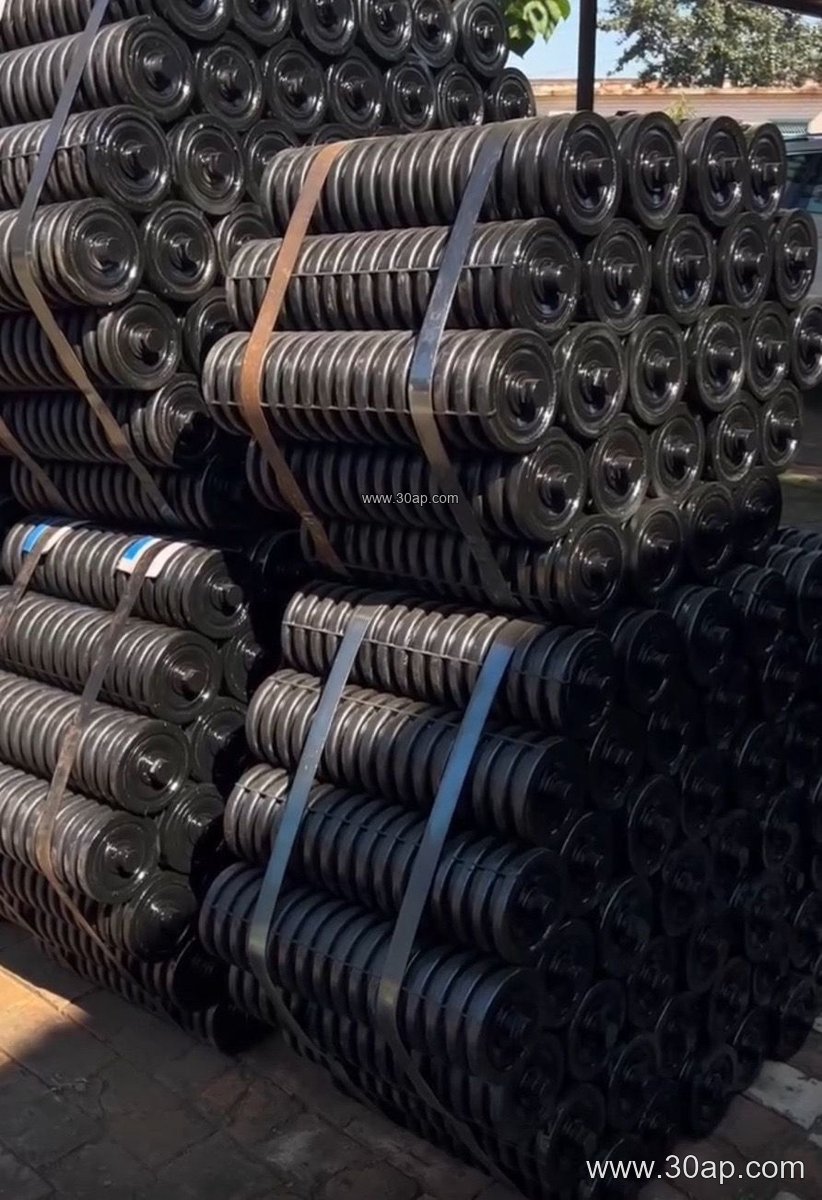
Before ordering, confirm the belt width, the roller diameter, the mounting position, and the bearing size. Check whether the roller needs a rubber ring for better grip, and whether the bracket matches the existing conveyor bracket spacing. For a Steel Cord Conveyor Belt under high tension, a friction idler should be selected with care, since excessive side force can damage the belt edge.
Ask for the roller surface finish and the seal type, especially in dusty conditions such as a limestone mine or a fertilizer plant. A well-sealed bearing keeps the roller turning freely, which is essential for consistent tracking.
Maintenance Notes
Inspect the friction idler for free rotation, surface wear, and bracket alignment. A roller that stops turning becomes a dragging point and can wear through a Rubber Conveyor Belt edge. Replace worn rubber rings and re-check tracking after any belt splice or pulley adjustment.
Used alongside idler roller sets, conveyor pulleys, and a sturdy conveyor bracket, the friction idler helps keep a bulk material conveyor belt centered through the working day.