What a Double-Row Return Idler Does
A double-row return idler is a lower-run support that carries the empty side of a conveyor belt on two rows of rollers instead of a single roller. It sits beneath the returning belt, typically after the material has been discharged at the head pulley and before the belt travels back to the tail pulley. On long overland lines, in stockyard reclaim systems, and in crushing circuits, this arrangement spreads the belt load across more contact points, which can reduce sag between frames and help the belt track more steadily. It is a return-side component, so it should not be confused with carrying idlers on the top run or with the drive, tail, and bend pulleys that transmit power and change belt direction.
Construction and How the Rows Work
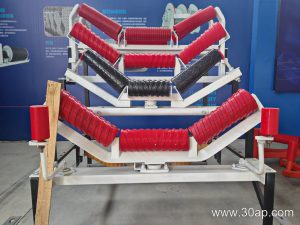
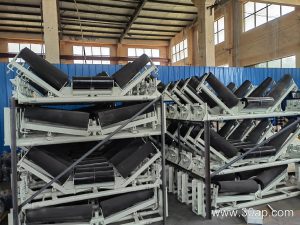
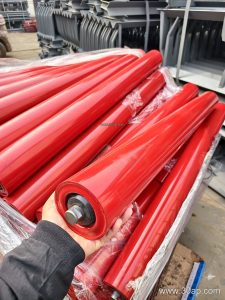
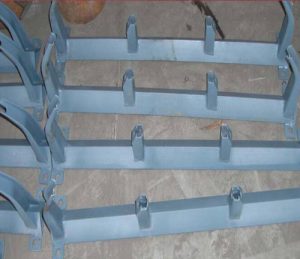
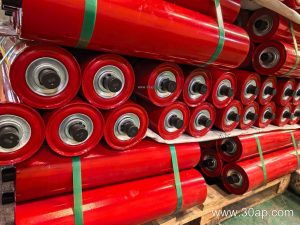
The frame usually holds two parallel roller rows mounted on a common base that bolts to the conveyor bracket. Each row may consist of a single roller or several short rollers, and the rows are set at a slight angle or in a flat plane depending on the design. Roller shells are commonly steel tube, with nylon, ceramic, or rubber-ring surfaces available where abrasion or material build-up is a concern. Bearings such as 6204, 6205, 6305, 6306, 6308, and 6310 appear in common idler sizes, matched to shaft and load requirements rather than to belt width alone. Sealing quality matters here, because return idlers sit in dust and fines that migrate under the belt.
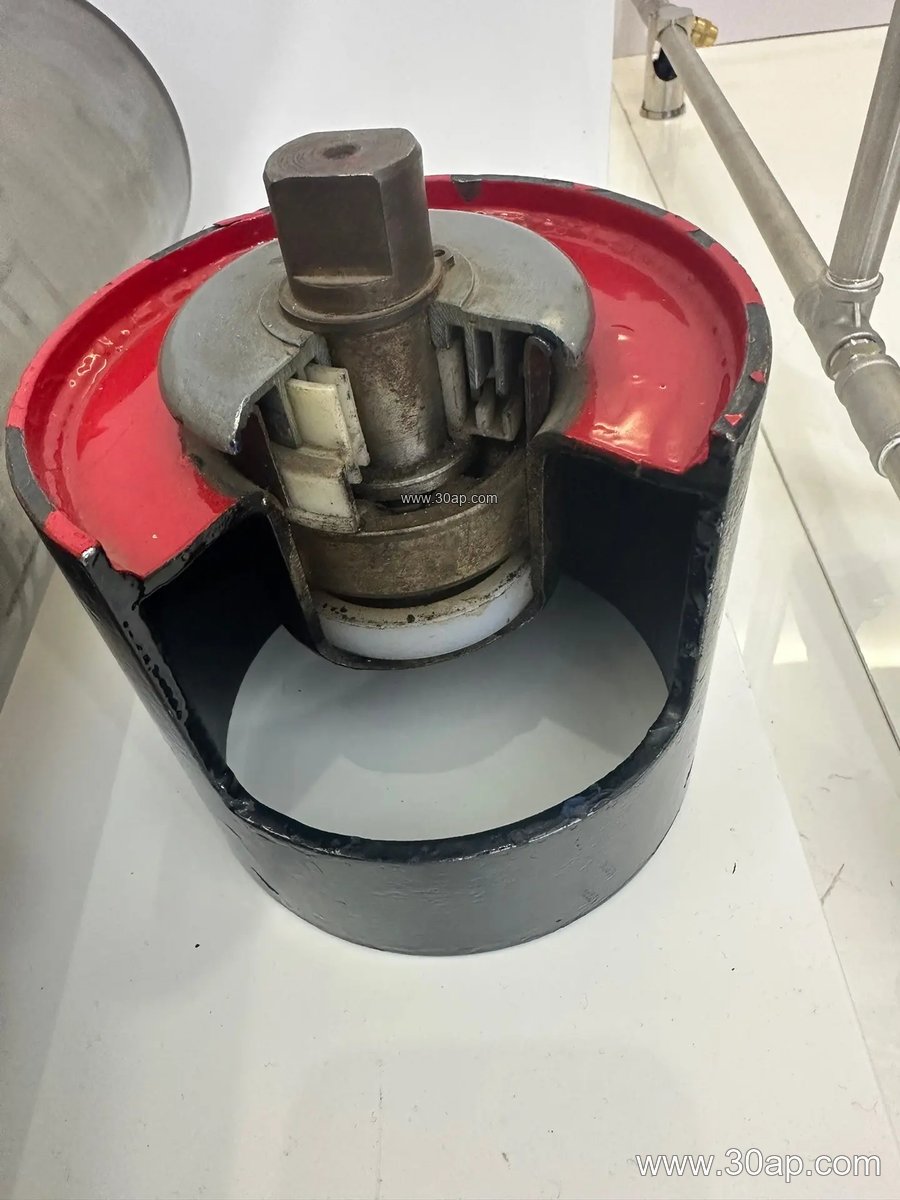
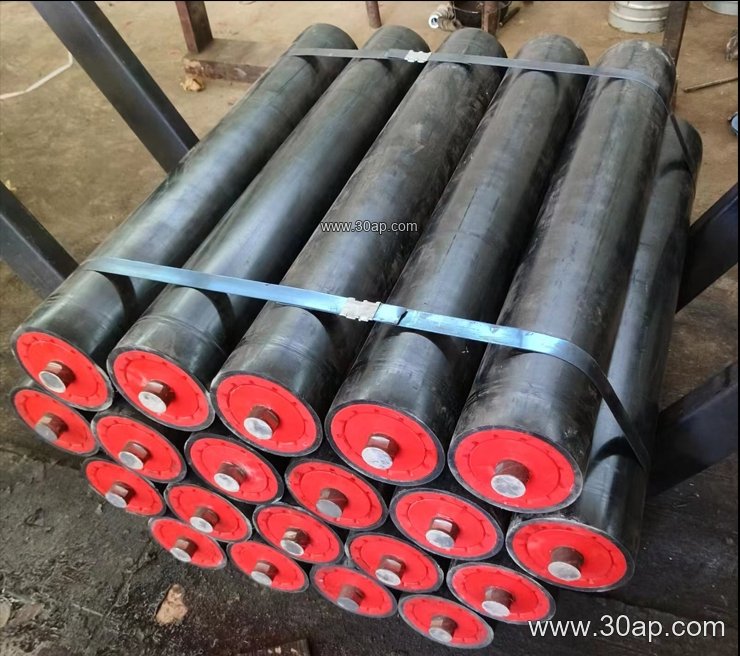
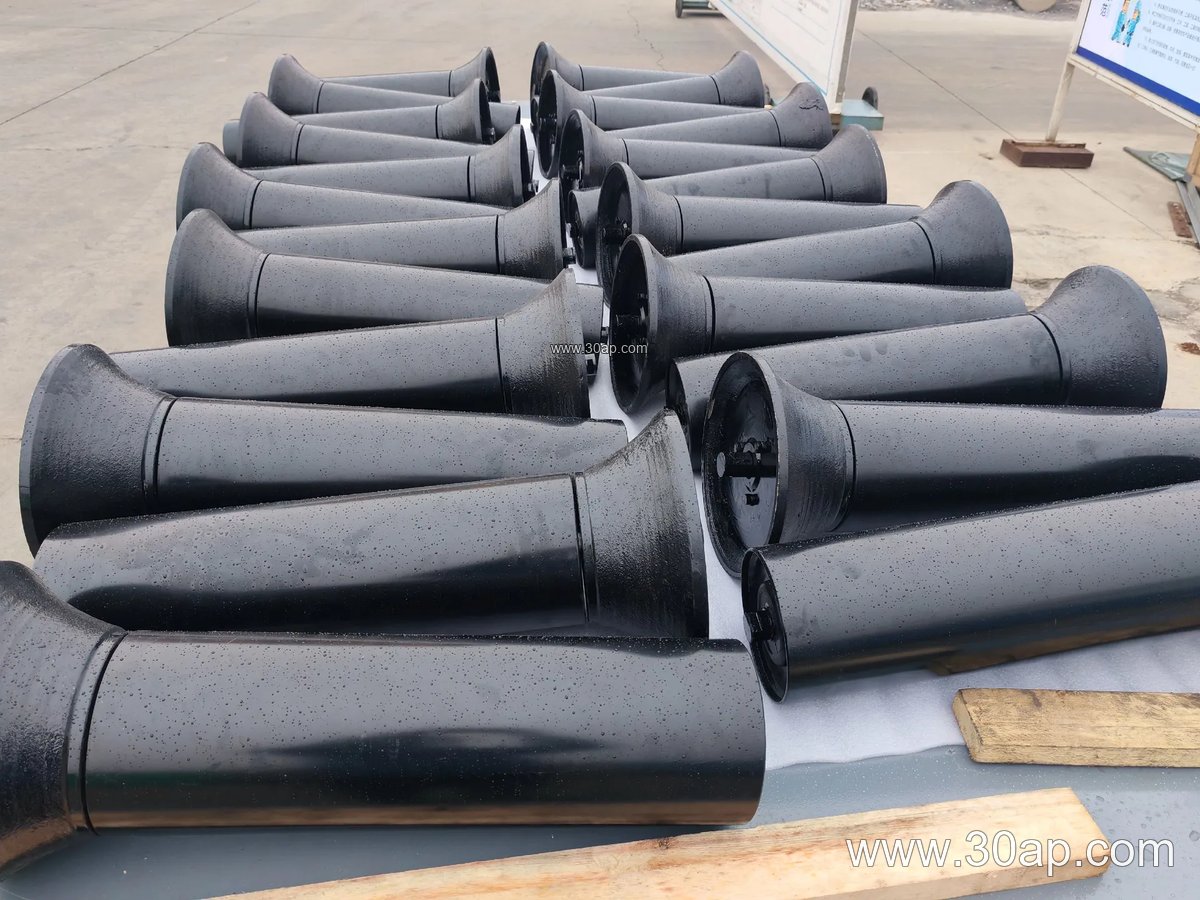
Because the belt is supported on two lines of contact, the double-row return idler can be useful where the returning belt is wide or where a single flat return roller would allow the belt edges to droop. The two rows also give the belt a more stable path when the conveyor carries a heavy belt, such as a steel cord conveyor belt or a thick multi-ply fabric core belt, on the return side.
Where It Fits in Bulk Handling
These idlers are found in limestone quarries, iron ore and copper ore concentrators, coal washing plants, cement plants, and power station coal handling. In a crushing and screening line, a double-row return idler may be placed on the lower strand of a belt that discharges onto a crusher conveyor belt, where fines and spillage are constant. Port and ship loading conveyors also use return-side support to keep long belts aligned. The choice of roller surface and seal should follow the site: a dusty aggregate conveyor and a wet, sticky ore conveyor need different levels of protection.
Common Sizes and Selection Notes
Roller diameter and belt width are selected together with the conveyor design, not from a single rule. Common roller diameters include Ø63, Ø76, Ø89, Ø102, Ø108, Ø127, Ø133, Ø159, Ø178, Ø194, and Ø219 mm. Belt widths range from B400 and B500 up through B650, B800, B1000, B1200, B1400, B1600, B1800, B2000, B2200, and B2400. The table below gives reference examples only; actual roller length, frame dimensions, and shaft size must be confirmed against the conveyor drawing.
| Reference Item | Common Example | Note |
|---|---|---|
| Roller diameter | Ø89, Ø108, Ø133, Ø159 mm | Selected by load and belt speed |
| Belt width | B650, B800, B1000, B1200, B1400 mm | Wider belts need wider frames |
| Roller surface | Steel, nylon, ceramic, rubber ring | Match to dust, abrasion, and build-up |
| Bearing example | 6204, 6205, 6305, 6306, 6308, 6310 | Not tied to one diameter |
A buyer should ask for the frame mounting dimensions, the roller length for each row, the bearing and seal type, and the surface finish. It also helps to state the belt type on the return side, whether it is an abrasion resistant conveyor belt, a heat resistant belt, or a flame retardant belt for underground coal mining, since temperature and fire safety requirements affect lubricant and seal choices. For a coal mining conveyor belt or an underground coal mining conveyor belt, flame retardant and anti-static properties are usually specified for the belt itself, while the idler must suit the same environment.
Installation and Maintenance Points
Alignment is the first check after installation. The two rows should sit square to the belt centerline and at the same height, otherwise the belt will run to one side. Check that the frame is firmly fixed to the conveyor bracket and that no roller is binding. During service, listen for noisy bearings, look for a stopped roller, and remove material that packs between the rows. A roller that no longer turns will flat-spot the belt and can damage the edge. Keep spare rollers and seals on hand for critical belts, and record roller diameter and bearing number so replacements match the existing frame.
For more on return-side components and belt selection, see the idler roller and conveyor pulley ranges, and match the double-row return idler to the actual belt width and load rather than to a nominal figure.