What the Ø152 Conveyor Idler Is
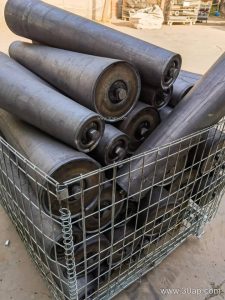
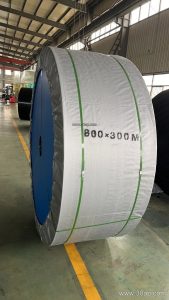
A Ø152 conveyor idler is a carrying roller with a nominal shell diameter of 152 mm, built to support the belt on the load side or the return side of a bulk handling conveyor. It is a common size on medium and wide belt systems where the extra diameter gives more shell stiffness, more bearing space and a larger rolling circumference than smaller rollers. In a quarry or sand and gravel plant, the same idler roller may run under a 1000mm or 1200mm conveyor belt on the primary line and under a wider belt at the transfer point, depending on the design.
Buyers sometimes see the size written as Ø152 mm, 152 mm diameter, or simply 152 idler. All of these refer to the same carrying roller with a 152 mm shell diameter. The diameter is a shell dimension, not a statement about belt width, shaft size or bearing number, so each project should confirm the full assembly drawing before ordering.
How a 152 mm Idler Is Built
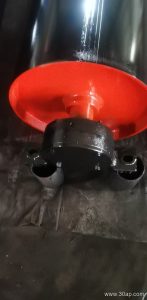
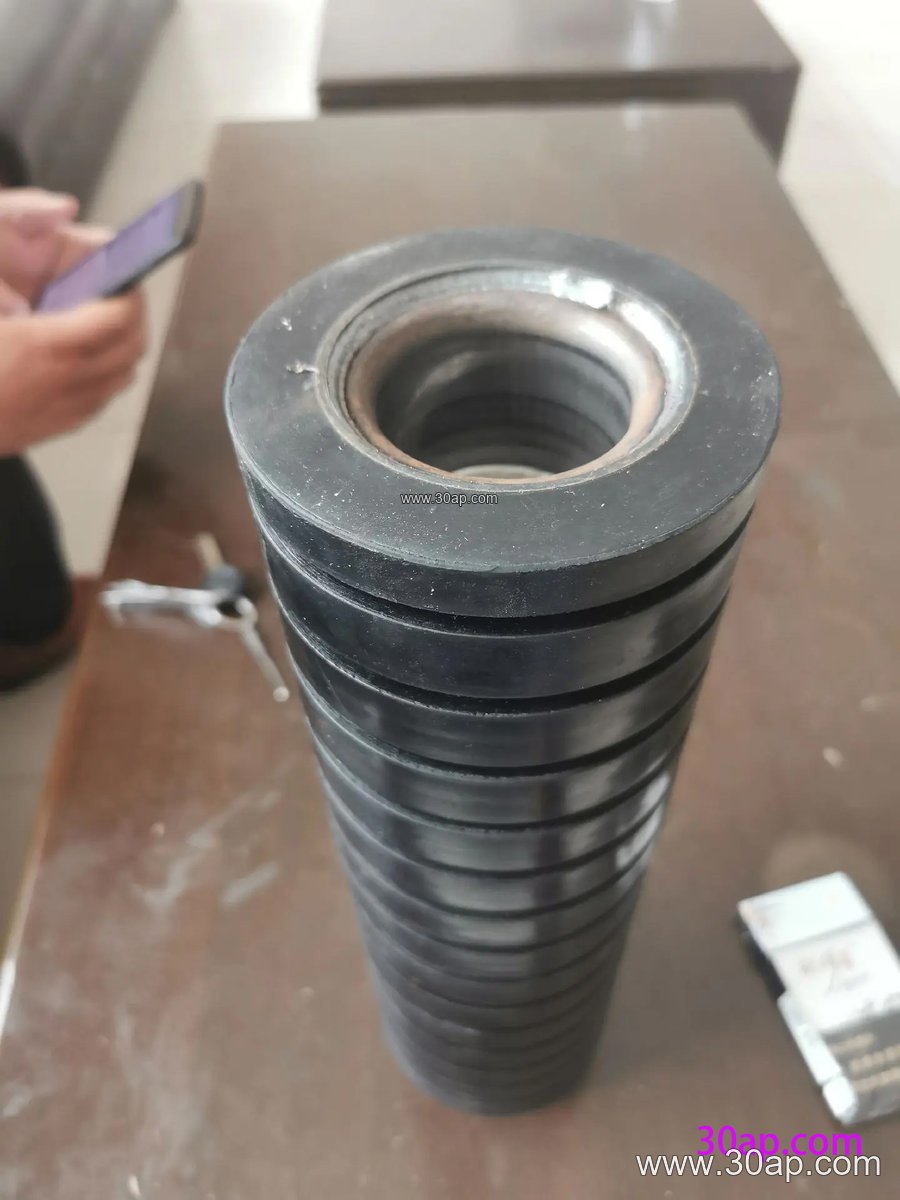
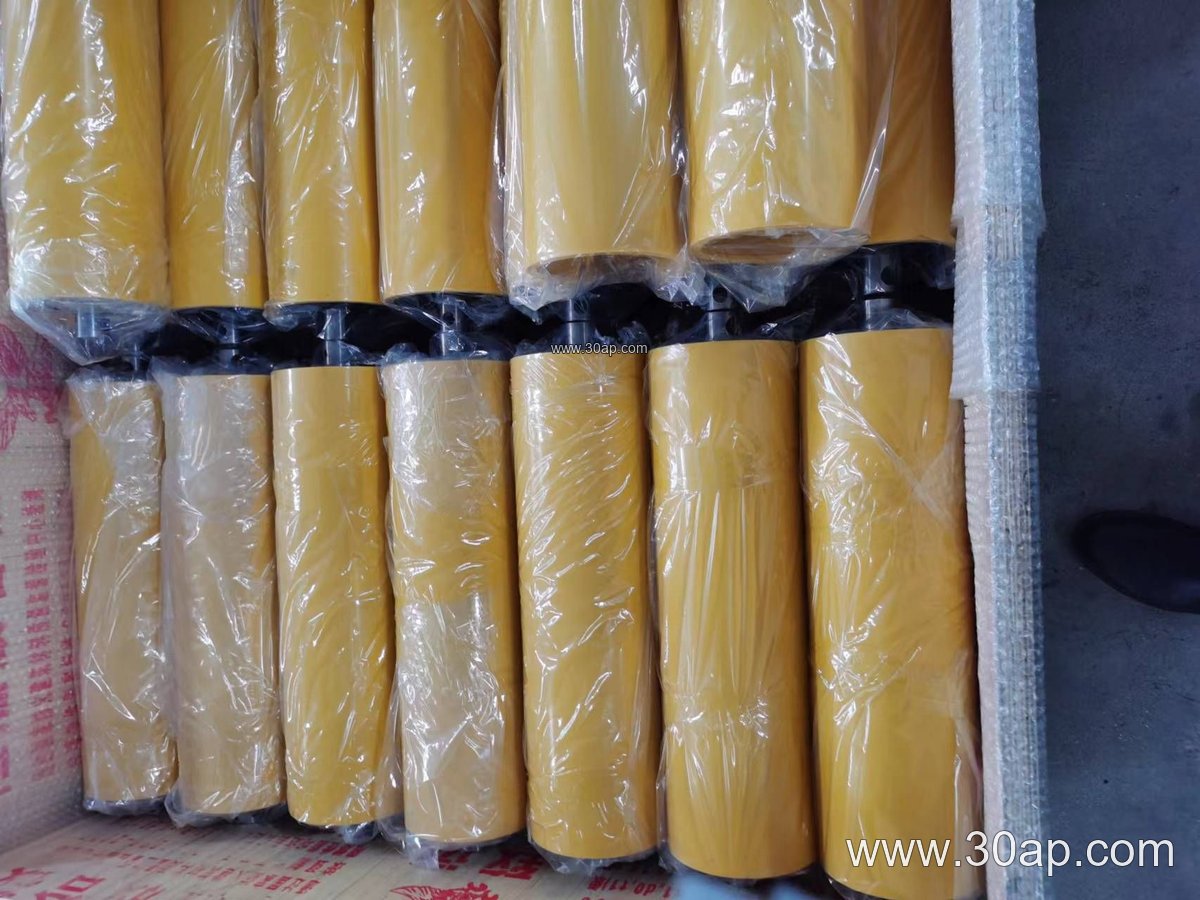
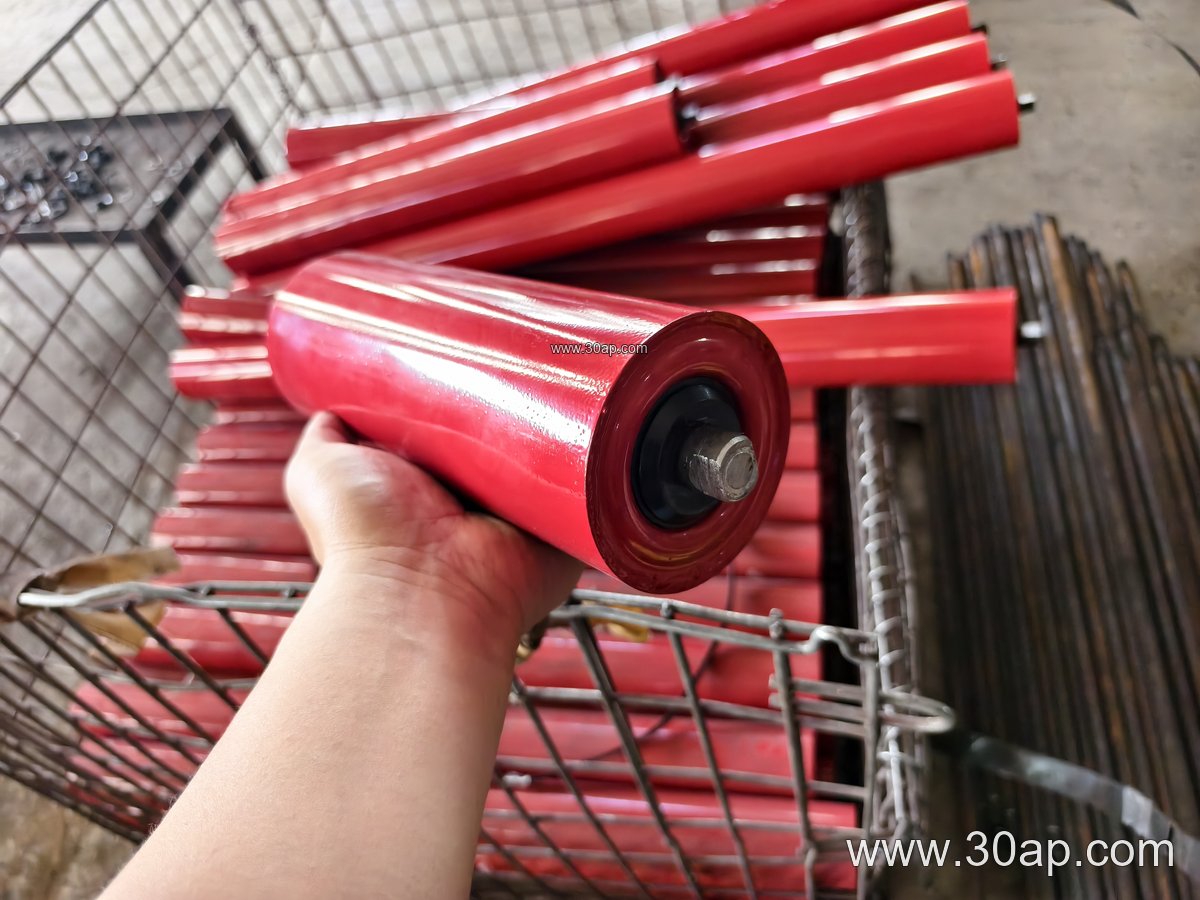
The roller normally consists of a steel tube shell, two end caps, a shaft, bearing housings and a sealing system. The shell may be plain steel, nylon coated, ceramic covered or fitted with rubber rings, and the choice follows the material being handled. Rubber rings are often used on impact idlers at crusher discharge, while plain steel suits clean, dry aggregate duty. Bearings in this diameter class are often 6305, 6306 or 6308, but the correct bearing depends on load, speed and seal design rather than on diameter alone.
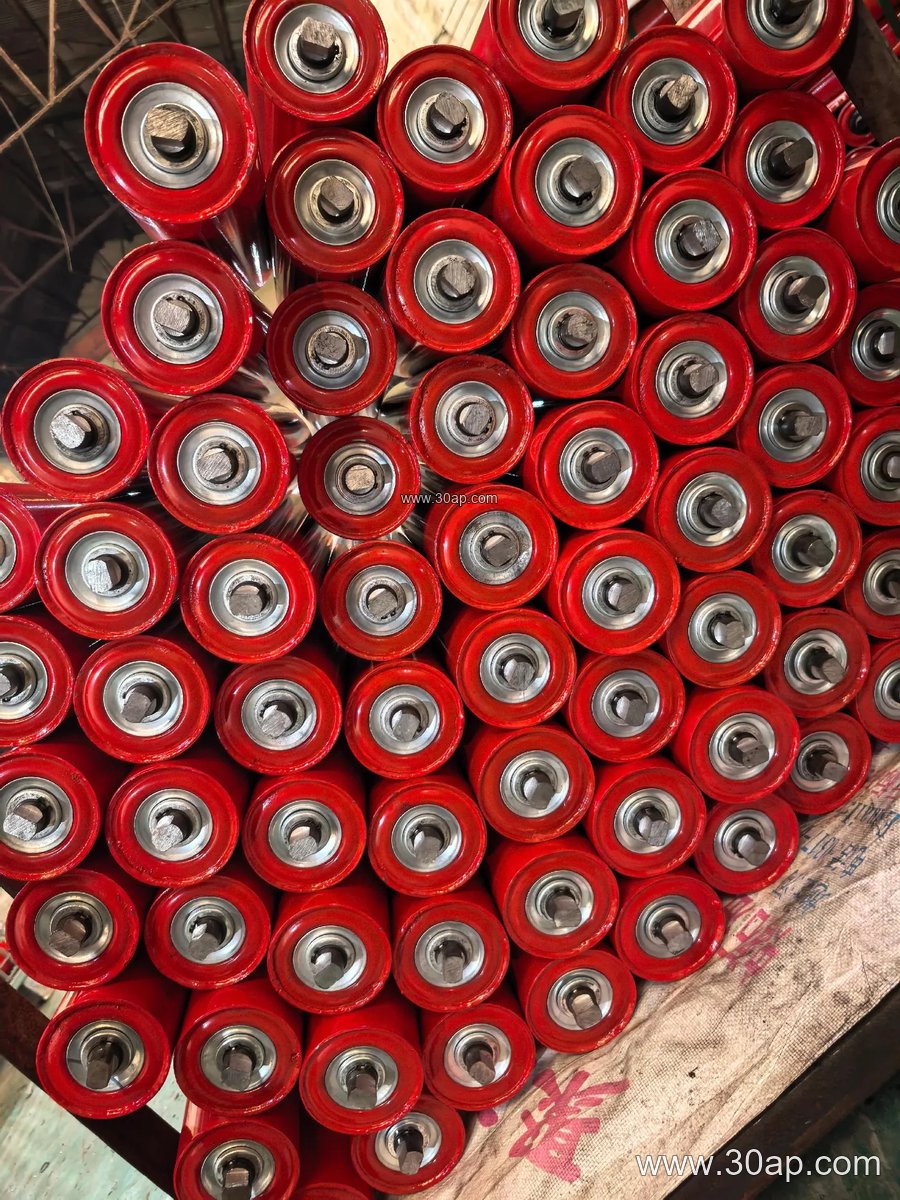
Sealing matters as much as the tube. Dust from limestone, iron ore or cement clinker will shorten bearing life if the labyrinth and contact seals are not effective. A well-built idler roller keeps grease in and grit out, and the end cap should sit squarely so the shaft runs true.
Where Ø152 Idlers Fit on the Conveyor
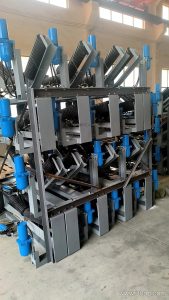
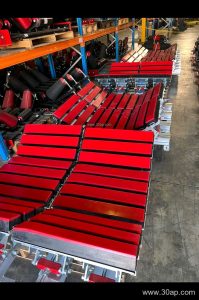
The 152 mm roller is frequently used in three-roll troughing sets on the carrying side, where the two side rollers are inclined at 20, 30, 35 or 45 degrees. It also appears as a return roller, as a V-return roller and in transition sets near the head or tail. On a coal washing plant or a power plant coal yard, troughing idlers with this diameter can support a flame retardant conveyor belt or a PVG800S conveyor belt on the main haulage line. At a crushing and screening station, impact and rubber-ring versions handle falling rock below the crusher.
Typical roller lengths vary with belt width and trough angle. Common examples for three-roll troughing sets include about 315 mm for B800, 380 mm for B1000, 465 mm for B1200 and 530 mm for B1400, but side rollers and centre rollers can differ. These values are reference examples, not fixed matches, and a 152 mm idler should be selected from the actual conveyor drawing.
| Item | Common reference |
|---|---|
| Shell diameter | Ø152 mm |
| Idler type | Troughing, return, impact, training |
| Trough angle | 20°, 30°, 35°, 45° |
| Roller length examples | 315 mm, 380 mm, 465 mm, 530 mm |
| Bearing examples | 6305, 6306, 6308 |
| Shell surface | Steel, nylon, ceramic, rubber rings |
Belt Width and Idler Diameter Are Not a Fixed Pair
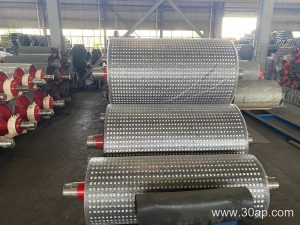
One belt width can work with more than one roller diameter, and the Ø152 size is not mandatory for every line. A 1000mm conveyor belt may run on 127 mm or 152 mm idlers depending on load, speed and the conveyor pulley diameters at the ends. The drive pulley and tail pulley are separate components and are not interchangeable with idlers. When a conveyor is upgraded, check that the idler diameter still suits the belt line, the frame height and the clearance under the belt.
For abrasive ore duties, an abrasion resistant conveyor belt paired with sturdy troughing rollers reduces wear on both parts. In cold climates, a cold resistant conveyor belt may be used with sealed rollers that resist stiff grease. In food or fertiliser handling, a food grade conveyor belt or chemical resistant belt may call for different roller coatings.
Selection and Maintenance Notes
- Confirm shell diameter, roller length, shaft ends and fixing centres from the conveyor drawing.
- Match the idler type to its position: troughing on the carry side, return or V-return underneath, impact at transfer points.
- Check the frame and conveyor bracket so the new roller seats correctly and rotates freely.
- Inspect seals and bearing play at regular intervals, especially in dusty quarry or cement plant conditions.
- Keep spare rollers for the most heavily loaded stations to reduce downtime.
A correctly chosen Ø152 conveyor idler helps keep the belt centred, reduces vibration and protects the conveyor belt from unnecessary edge wear. For more information on rollers, belts and pulleys, visit beltconveyorparts.com and review the idler roller range alongside the conveyor pulley options.