What Is a PVC Conveyor Belt
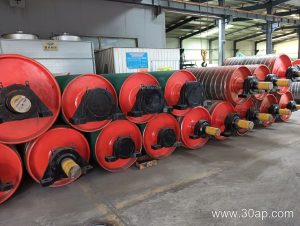
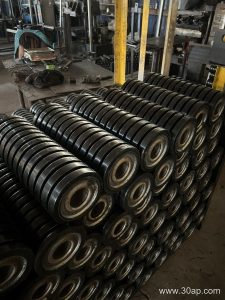
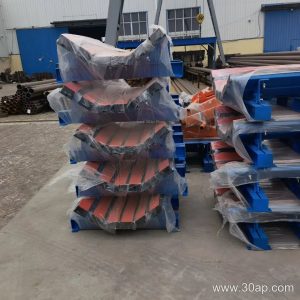
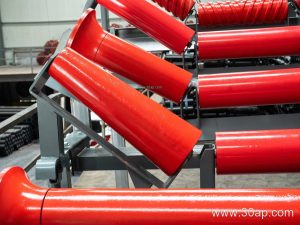
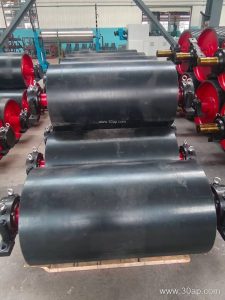
A PVC conveyor belt is a lightweight to medium-duty belt built with a polyvinyl chloride cover and a fabric core. It is one of several belt families used on industrial conveyors, alongside rubber-covered and heavier fabric-cord designs such as EP Conveyor Belt and NN Conveyor Belt. The PVC cover gives a smooth, easy-to-clean surface, while the fabric carcass carries the tension. In a typical plant, the belt runs over a conveyor pulley at the head and tail, supported by an idler roller set mounted on a conveyor bracket.
Construction and Surface Options
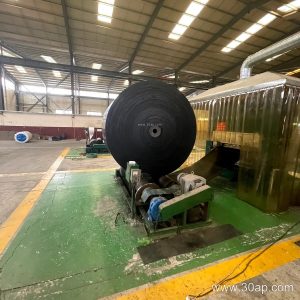
The carcass is usually a woven fabric, often polyester or nylon, saturated and coated with PVC. The cover can be plain, lightly textured, or formed with a chevron pattern for inclined runs. Surface options matter in the field: a plain cover suits flat transport, while a chevron profile helps hold material on a slope. Some belts are made endless, with the ends spliced during manufacture, which reduces on-site joint work.
Common construction details include:
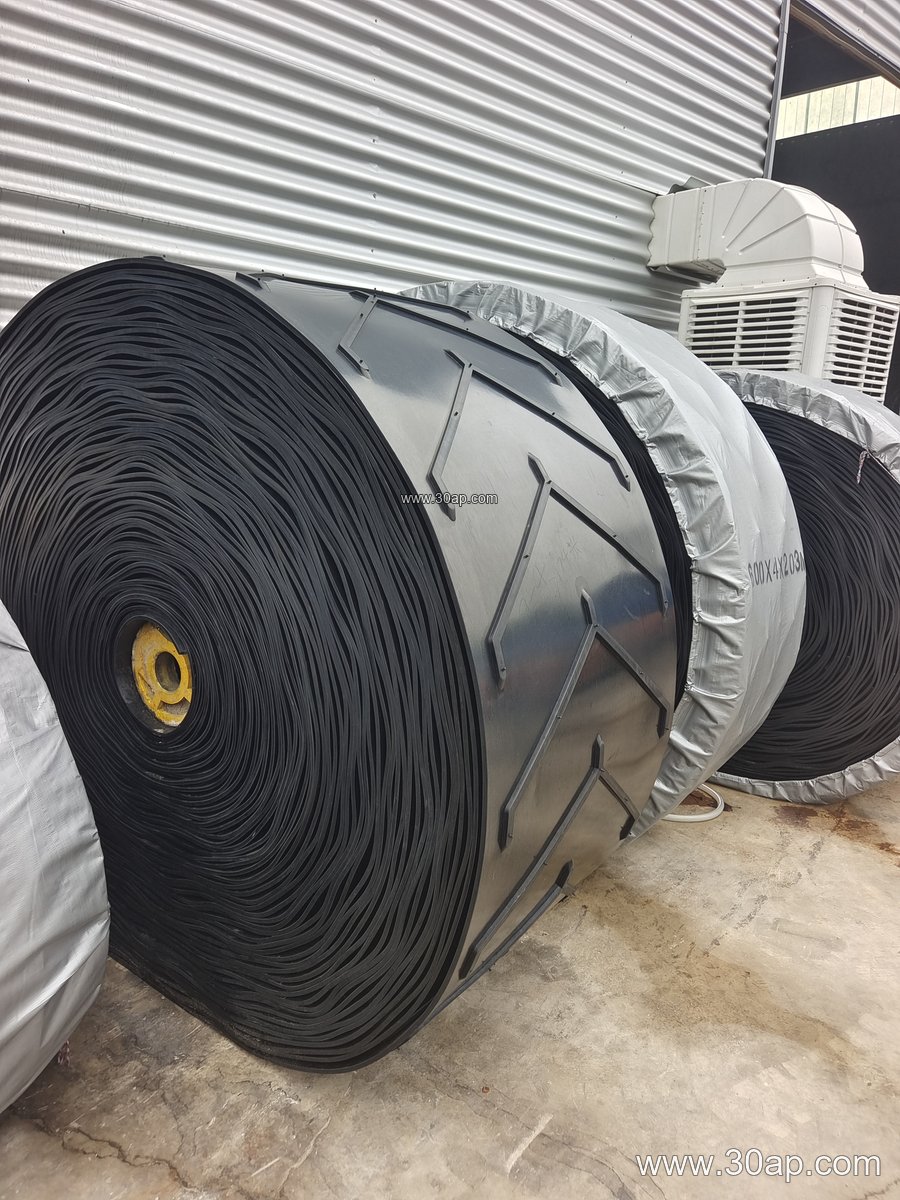
- Fabric plies: often 2 to 4 plies in light duty, more in heavier builds.
- Cover thickness: usually 1 mm to 3 mm per side, depending on the duty.
- Surface: smooth, matte, or patterned, with profiles chosen for the material.
- Edge: cut edge or sealed edge, depending on the manufacturer.
Where PVC Belts Fit in the Plant
These belts are common in food processing, packaging, recycling, and light assembly. In mining, coal, cement, and power plant circuits, they are more often used on small transfer conveyors, sampling lines, and clean-up belts rather than on the main heavy-duty haul. A quarry conveyor belt or crusher conveyor belt that carries sharp rock at high tonnage typically needs a rubber cover or a steel cord carcass, not a PVC belt. For heavy abrasive duty, an Abrasion Resistant Conveyor Belt or a Rubber Conveyor Belt is the usual choice. For long overland runs, a Steel Cord Conveyor Belt offers higher strength than a PVC build.
In food and clean environments, a Food Grade Conveyor Belt with a PVC cover is common because the surface resists moisture and cleans easily. In cold rooms, a Cold Resistant Conveyor Belt may be specified if the PVC compound is formulated for low temperature. In flammable areas such as coal handling, a Flame Retardant Conveyor Belt or Fire Resistant Conveyor Belt is often required, and PVC belting can meet those needs when the compound is properly formulated.
Typical Widths and Belt Data
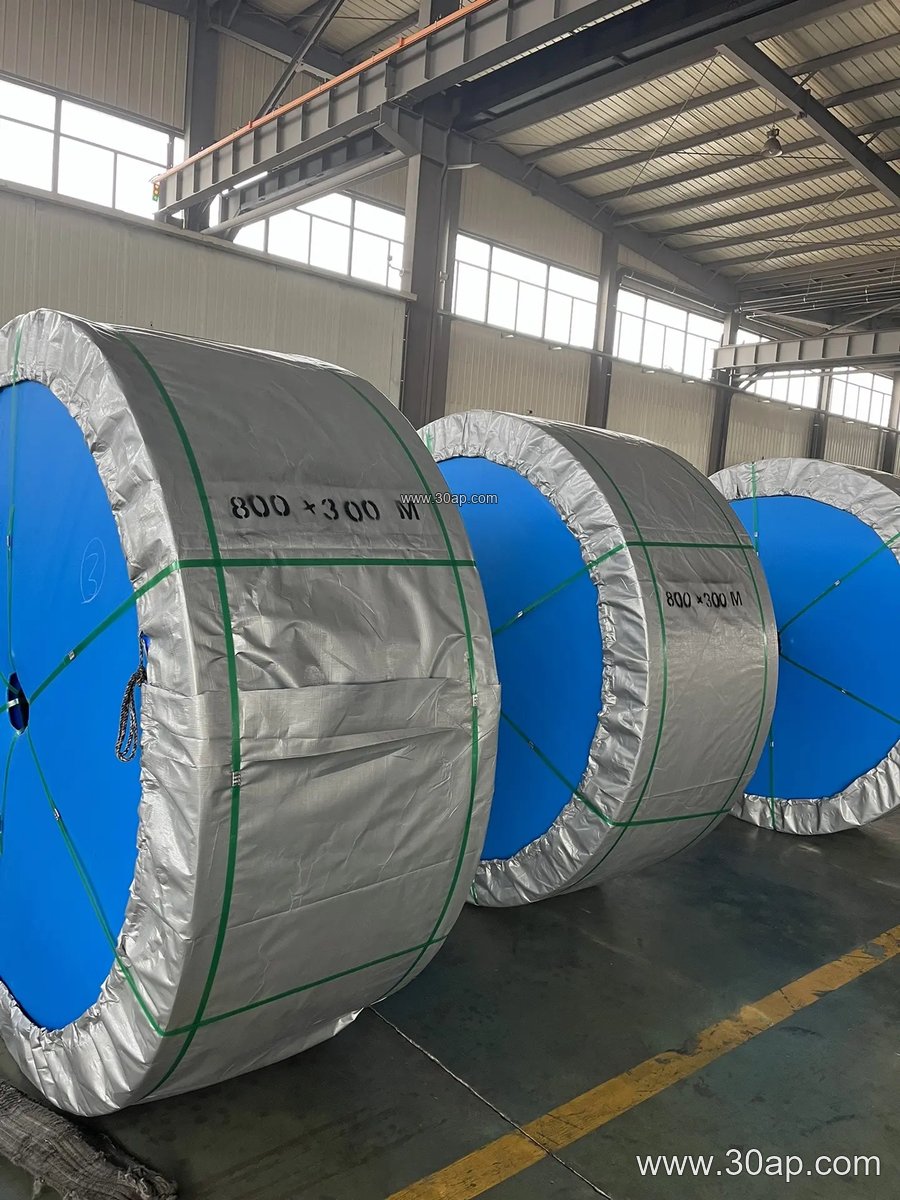
Belt width is matched to the conveyor frame, the material size, and the tonnage. Buyers often see widths from 500 mm to 2000 mm. The table below lists common reference widths and approximate cover builds. These are reference values, not fixed supply promises; final selection depends on the conveyor design.
| Belt Width | Common Cover Build | Typical Use |
|---|---|---|
| 500 mm | 2+1 mm | Light transfer, packaging |
| 650 mm | 2+1.5 mm | Small aggregate, recycling |
| 800 mm | 3+1.5 mm | General bulk handling |
| 1000 mm | 3+2 mm | Cement plant, power plant |
| 1200 mm | 4+2 mm | Quarry, sand plant |
| 1400 mm | 4+2 mm | Bulk transfer, port |
| 1600 mm | 5+2 mm | Heavy bulk, mining |
Width alone does not fix the pulley diameter or shaft size. A 800 mm belt can run on different pulley sizes depending on the carcass and the required wrap angle. The drive pulley, tail pulley, and bend pulley are separate components and should be sized by the conveyor designer, not by belt width alone.
Selection and Maintenance Notes
Start with the material: lump size, temperature, moisture, oil content, and abrasiveness. A PVC belt handles moderate abrasion and moisture well, but hot material or sharp, heavy rock calls for a different cover. Check the smallest pulley the belt will run around; a thick carcass needs a larger pulley to avoid cracking. Keep the idler roller and conveyor pulley aligned, and clean spillage from the conveyor bracket so the belt tracks straight.
For a reliable quote, provide belt width, overall length, ply count, cover thickness, and the application. If the line carries coal or cement, mention whether a Flame Retardant Conveyor Belt or anti-static property is needed. For inclined sections, ask about a chevron or skirted profile. For long center distances, compare the PVC option with an EP Conveyor Belt or a Steel Cord Conveyor Belt before deciding. A well-matched PVC belt gives clean release, low noise, and simple splicing on light and medium conveyors.