What a Self-Aligning Idler Does
A self-aligning idler is a training roller assembly that keeps a conveyor belt centered as it travels along the carrying or return side of the structure. When the belt begins to drift toward one edge, the idler reacts to that misalignment and pivots slightly, steering the belt back toward the middle of the frame. In a quarry, a coal handling system, or a cement plant, this small correction prevents edge damage, spillage, and uneven wear across the full length of the belt line.
The same device is also called a self-training idler or automatic aligning roller. These names describe the same product, and buyers often use them interchangeably when specifying replacement rollers for a conveyor.
How the Assembly Is Built
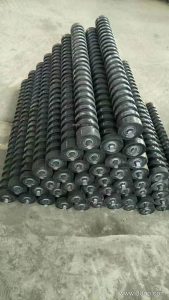
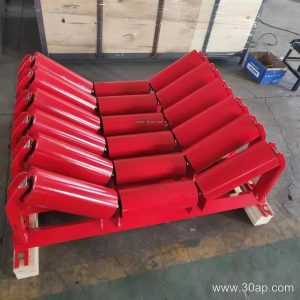
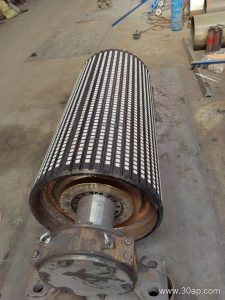
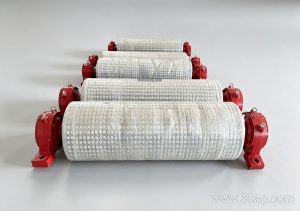
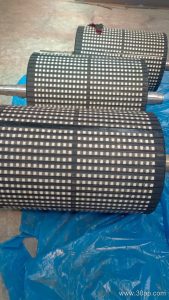
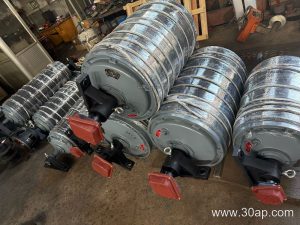
A typical unit combines two or three rollers mounted on a pivoting frame that rests on a fixed base. The frame turns around a vertical shaft, so the rollers can angle themselves relative to the belt direction. Friction from the moving belt, or a small lead angle built into the roller axis, creates the force that swings the frame. The rollers themselves usually have steel shells, and some designs use rubber discs or ceramic lagging for extra grip or wear resistance.
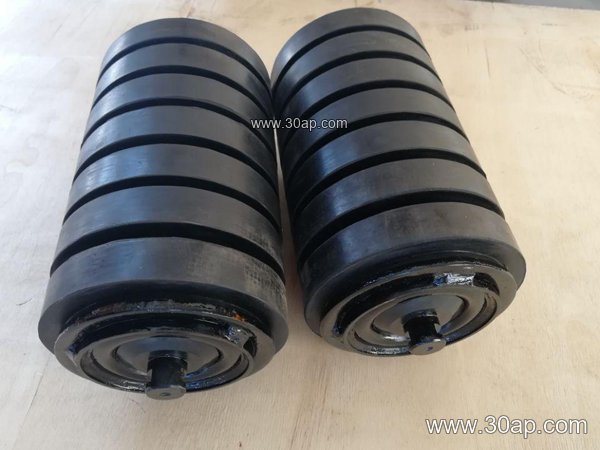
- Pivoting frame with a vertical shaft and bearing seat
- Two or three rollers, often in a trough or V arrangement
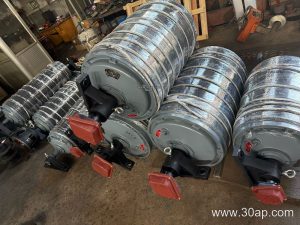
- Steel tube shell, with rubber ring or ceramic options
- Sealed ball bearings such as 6204, 6205, 6305, 6306, or 6308, selected to suit the load and shaft
- Mounting brackets that bolt to the conveyor stringer
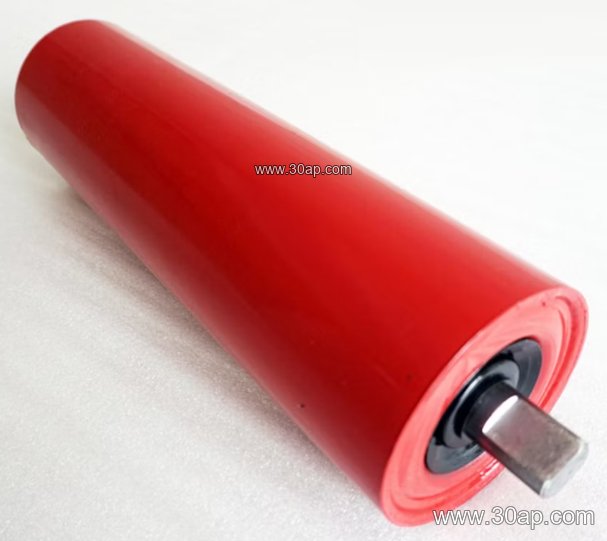
Common roller diameters include Ø89, Ø108, Ø127, Ø133, and Ø159 mm, while heavier frames may use Ø178 or Ø194 mm. Roller length is set by belt width, trough angle, and the number of rollers in the group, so a B800 line and a B1400 line will not share the same roller dimensions.
Where It Fits on the Conveyor
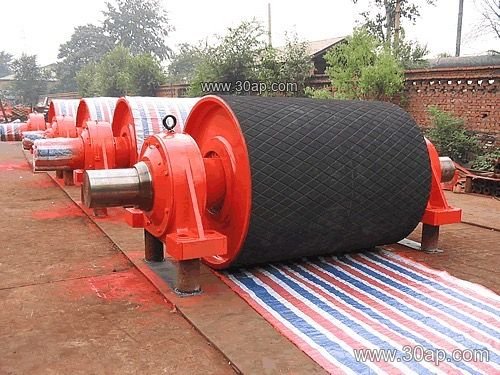
Self-aligning idlers are usually installed at intervals along the carrying run, especially after a loading point, on long straight sections, and before the head pulley. On the return side, a V-shaped self-aligning group helps keep the empty belt tracking. They are common in limestone mines, iron ore plants, coal washing facilities, power station coal yards, and aggregate crushing and screening lines.
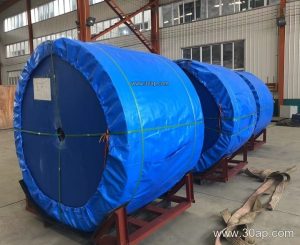
The belt itself matters too. A heavy load on a steel cord conveyor belt or a thick abrasion resistant conveyor belt calls for a sturdier frame and larger bearings than a light fabric core belt. In dusty or wet conditions, sealed bearings and good roller-to-frame alignment reduce the chance of seizure.
Matching the Idler to the Belt Line
Selection starts with belt width and the trough angle used on the carrying side. Standard trough angles are 20, 30, 35, and 45 degrees. A 35-degree trough is common in bulk handling, while a flatter 20-degree group may suit wider belts carrying coarse rock. The table below shows typical roller length references for three-roll trough groups; these are examples, not fixed rules.
| Belt Width | Typical Roller Length (three-roll trough) | Common Roller Diameter |
|---|---|---|
| B500 | About 200 mm | Ø89, Ø108 |
| B650 | About 250 mm | Ø89, Ø108, Ø127 |
| B800 | About 315 mm | Ø108, Ø127, Ø133 |
| B1000 | About 380 mm | Ø108, Ø133, Ø159 |
| B1200 | About 465 mm | Ø127, Ø133, Ø159 |
| B1400 | About 530 mm | Ø133, Ø159, Ø178 |
| B1600 | About 600 mm | Ø159, Ø178, Ø194 |
| B1800 | About 670 mm | Ø159, Ø178, Ø194 |
| B2000 | About 750 mm | Ø178, Ø194, Ø219 |
Side rollers and center rollers can differ in length, so the figures above are only a starting point. The shaft diameter must be confirmed from the frame design and bearing bore, not guessed from belt width alone.
Practical Buying Notes
Ask for the belt width, trough angle, mounting hole spacing, and roller diameter before ordering. Check whether the existing conveyor bracket matches the new base plate. For dusty sites such as a coal yard or a lime kiln feed line, specify sealed bearings and a protective labyrinth. For wet or corrosive service, consider a coated frame. Finally, confirm that the roller surface suits the belt: rubber rings grip better on steep or wet runs, while plain steel is easier to clean in sticky material.
Regular inspection of the pivot shaft and bearing seals keeps a self-aligning idler effective. A unit that no longer swings freely should be serviced or replaced before it starts rubbing the belt edge.