What a 1800mm Conveyor Belt Is
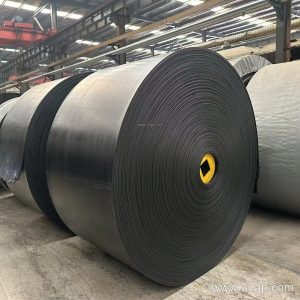
A 1800mm conveyor belt is a wide-profile rubber or fabric belt built to carry large volumes of bulk material across long distances. At 1.8 metres across, this belt width suits conveyor systems where tonnage matters more than tight spaces, such as primary crushing circuits, stockyard feed lines, and ship loading operations. In industrial supply terms it is often listed as an 1800mm wide conveyor belt, and sometimes abbreviated as B1800 in specification sheets. The extra width reduces material depth on the belt, which helps control spillage and spreads impact loads across a larger surface.
How the Belt Is Built
Most belts at this width use a fabric core or a steel cord carcass. A fabric core conveyor belt carries strength in multiple plies of EP or NN fabric, while a steel cord conveyor belt uses brass-plated wires for very high tension and long centre distances. Cover rubber grade and thickness are chosen for the duty: an abrasion resistant conveyor belt for sharp rock, a heat resistant conveyor belt near clinker or sinter, a flame retardant conveyor belt in coal handling, or an oil resistant conveyor belt where lubricants and fuels are present.
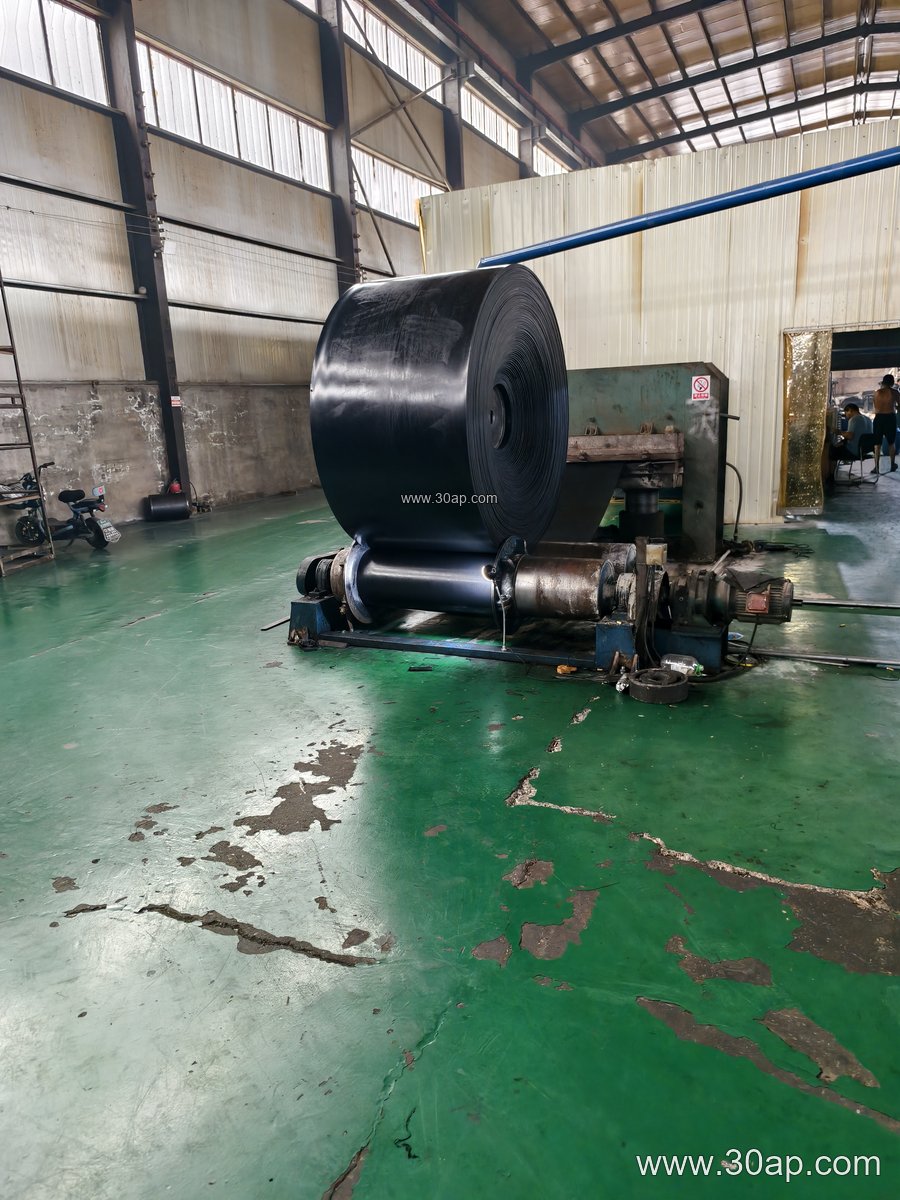
Common constructions at this width include:
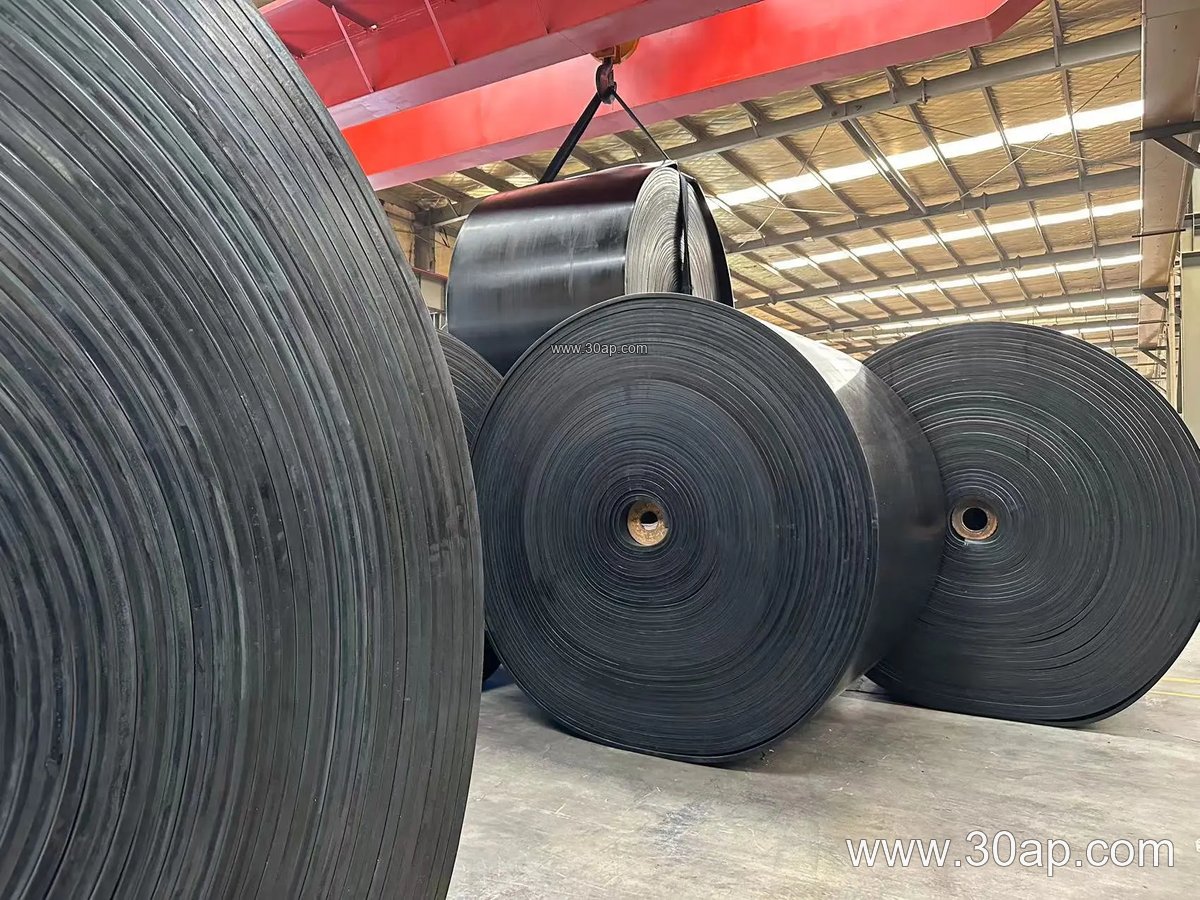
| Element | Typical Options |
|---|---|
| Belt width | 1800 mm (B1800) |
| Carcass type | EP fabric, NN fabric, steel cord |
| Strength grades | EP400, EP630, EP800, EP1000, EP1250; ST1250, ST1600, ST2000 |
| Number of plies | Usually 3 to 6 for fabric cores |
| Cover thickness | Commonly 6+2 mm or 8+3 mm, depending on design |
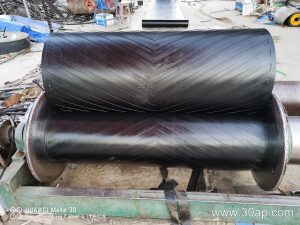
| Surface forms | Plain, chevron, corrugated sidewall, skirted |
The table shows reference values only. Actual belt construction should follow the conveyor design, material density, and pulley layout agreed with the manufacturer.
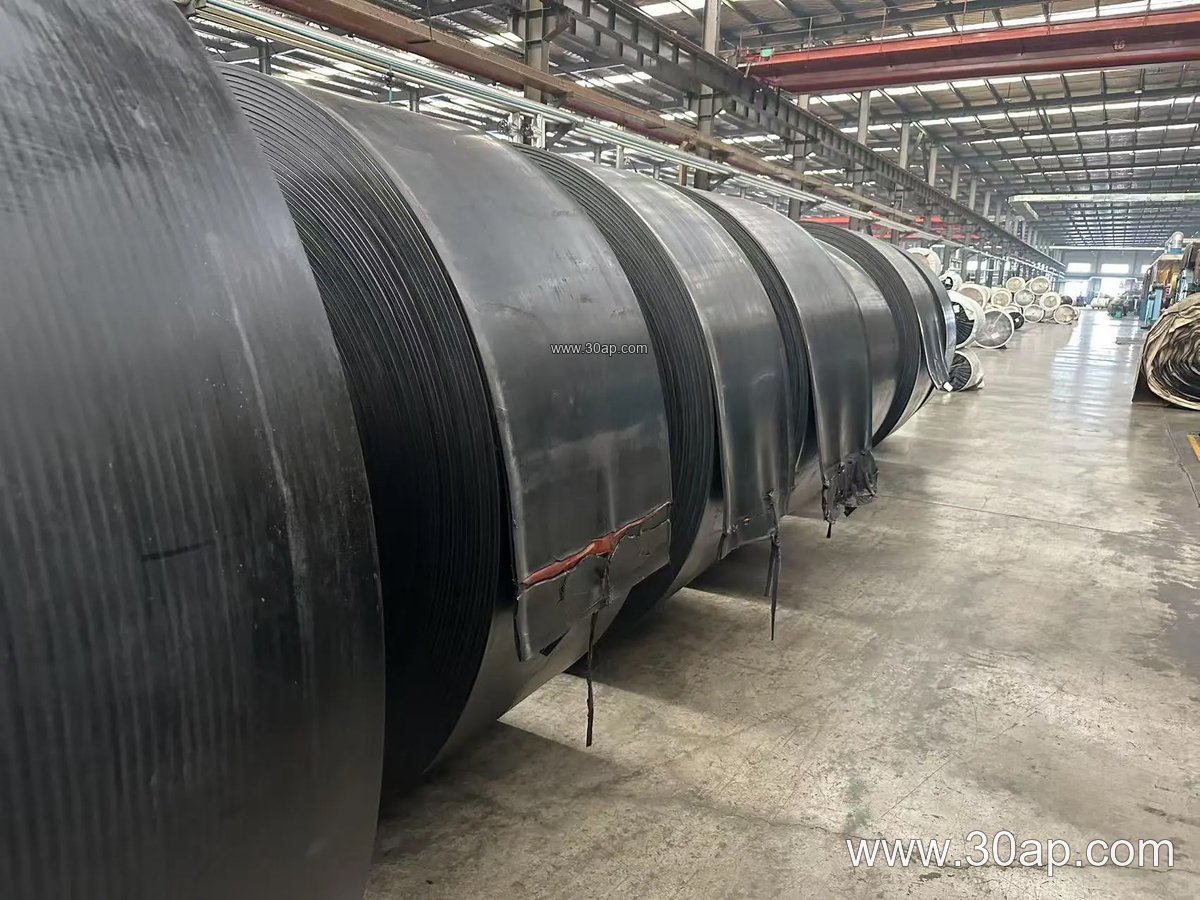
Where the Width Fits in a Conveyor
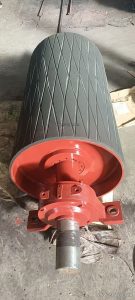
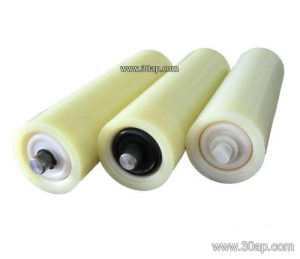
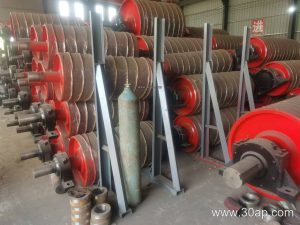
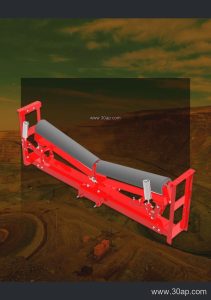
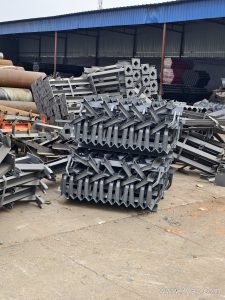
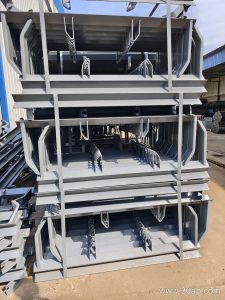
An 1800mm belt is normally paired with a matching conveyor pulley at the drive and tail positions, supported by idler rollers spaced along the carrying and return runs. The pulley diameter is selected from the belt tension and carcass type, not from the belt width alone, so the same 1800mm belt may run on different pulley sizes in different plants. Conveyor brackets and frames must be sized to the wider idler set, and transition distances need care so the belt does not crease at the head or tail.
Typical industries include mining, coal preparation, cement plants, power stations, steel plants, quarries, sand and gravel yards, ports, and recycling facilities. A quarry conveyor belt or crusher conveyor belt at this width often moves run-of-mine rock, while a cement conveyor belt may carry limestone or clinker with a heat resistant cover.
Matching the Belt to the Duty
Buyers should start with the material: lump size, temperature, moisture, oil content, and abrasiveness. A high abrasion resistant conveyor belt is common in iron ore and copper ore handling, whereas a fire resistant conveyor belt is often specified for underground coal mining conveyor lines. For steep inclines, a chevron conveyor belt or a corrugated sidewall conveyor belt can hold material on the incline without extra width. Where dust control and enclosure are priorities, a pipe conveyor belt may replace an open 1800mm belt, but that is a different conveyor concept and should be evaluated as a system change.
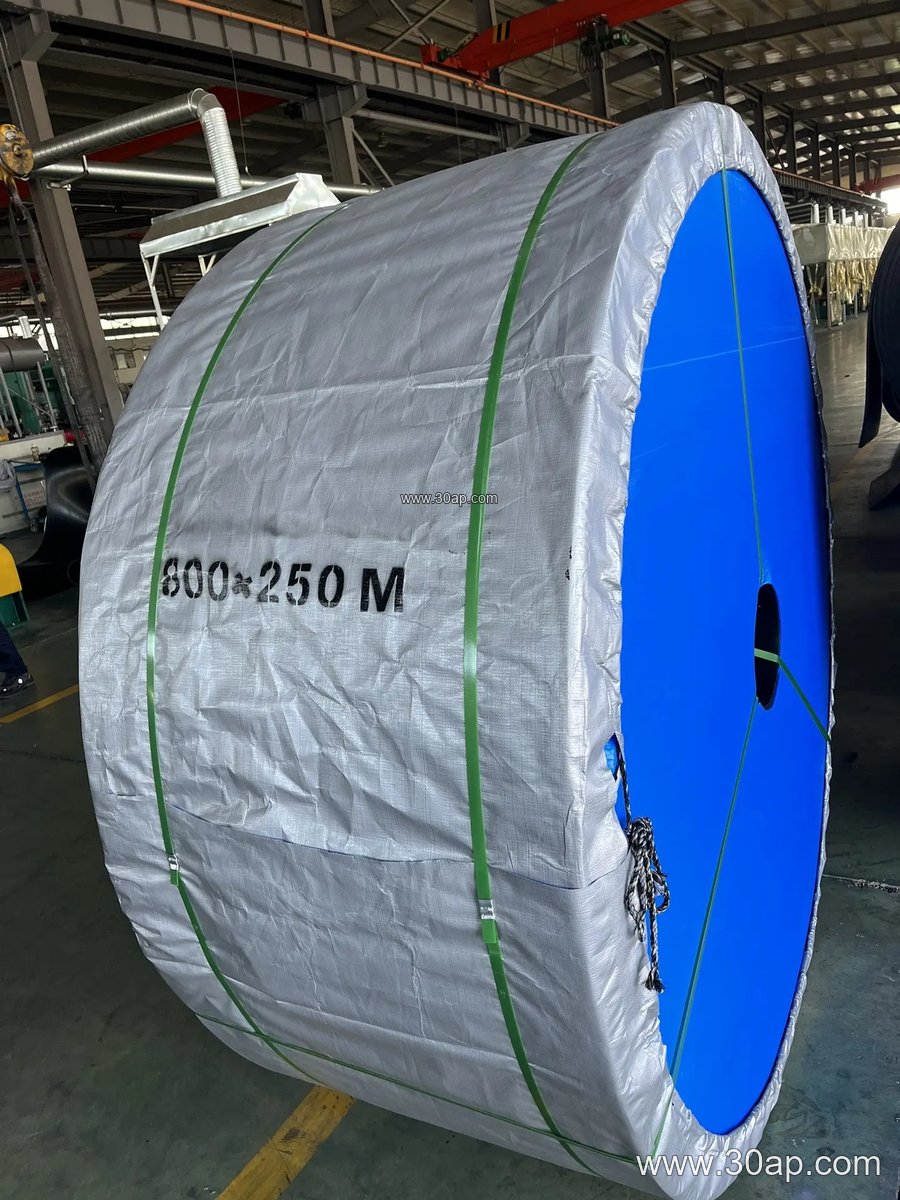
- Confirm the required strength grade and safety factor with the conveyor designer.
- Check cover thickness against impact and wear points, especially at transfer chutes.
- Verify pulley diameters and idler roller spacing for the selected carcass.
- Plan splicing method and access space before ordering an endless conveyor belt.
Installation and Maintenance Notes
Wide belts need straight, well-aligned frames. Misaligned conveyor brackets or worn idler rollers can cause edge damage that is costly on a 1800mm belt. Track belt tracking after loading changes, keep pulleys clean, and inspect splice joints at regular intervals. Store spare belt rolls flat and protected from sunlight and ozone. For high-temperature lines, allow the belt to cool before inspection, and record cover wear so replacement is planned before the carcass is exposed.
Whether the final choice is an EP conveyor belt, an NN conveyor belt, or a steel cord conveyor belt, the 1800mm width should be treated as one part of a matched conveyor system. The belt, pulleys, idlers, and support structure work together, and the specifications should be confirmed against the actual duty rather than assumed from width alone.