What the Idler Price Covers
The idler price is the cost of one of the most repeated components on a belt conveyor. An idler roller, often shortened to idler, is the rotating cylinder that supports the conveyor belt and the material riding on it. Because a typical conveyor uses dozens or even hundreds of idlers, this unit cost matters far more than many buyers first expect. A single low-priced roller multiplied across a long overland line or a busy crushing circuit can shape the whole maintenance budget.
It helps to see the idler price as a package rather than a number attached to a steel tube. The figure usually reflects the roller shell, the bearing housings, the shaft, the sealing arrangement and the labor and tooling behind assembly. Two rollers that look identical from a distance can carry very different price tags once bearing class and seal quality are compared.
How an Idler Roller Is Built
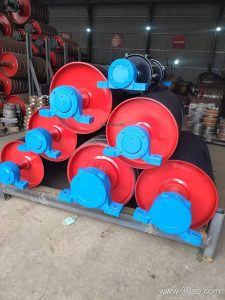
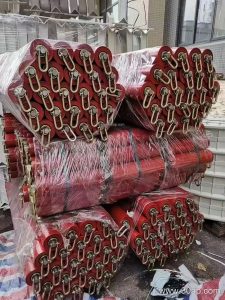
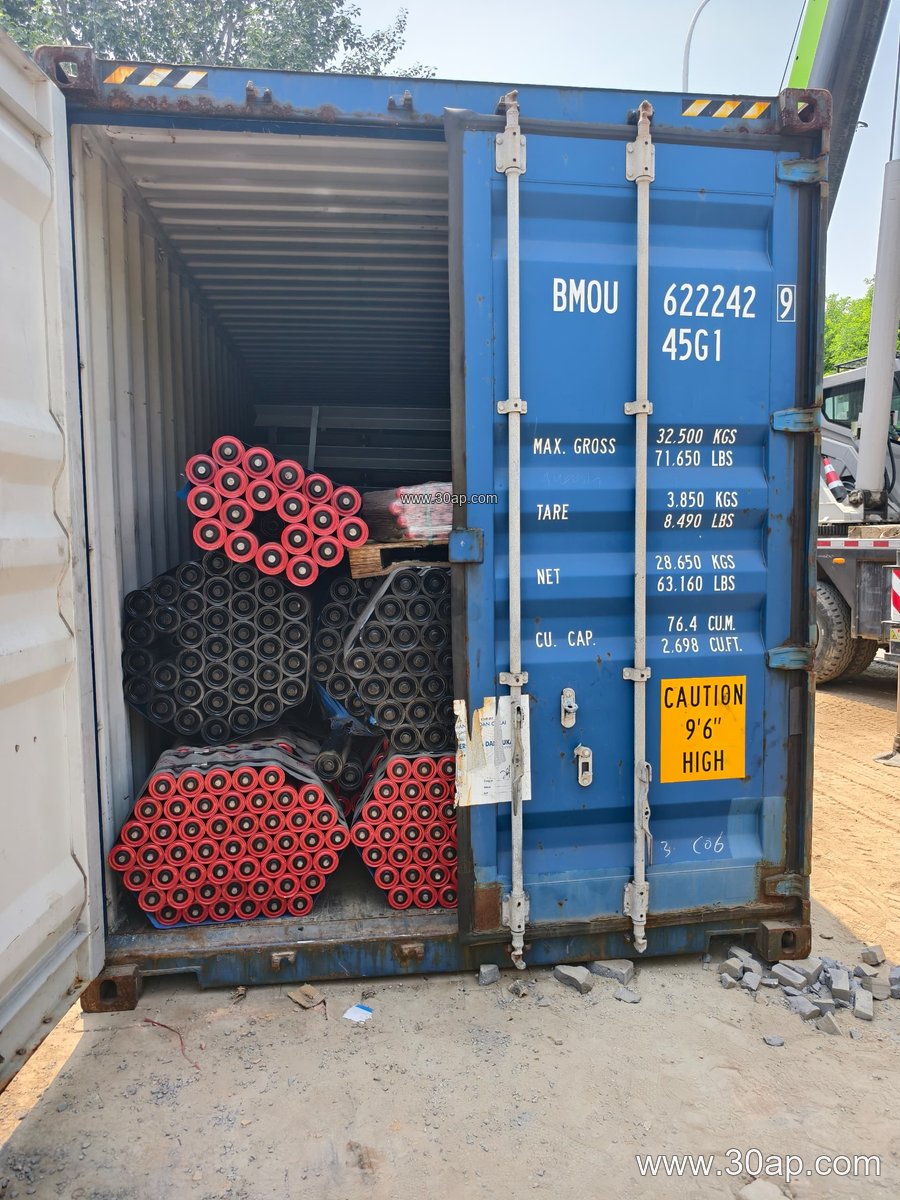
A standard idler roller is a steel pipe fitted with bearing housings at each end. Inside sit bearings, commonly 6204, 6205, 6305, 6306, 6308 or 6310 depending on load and diameter, protected by labyrinth or contact seals. The shaft passes through the bearings and locks into the conveyor bracket on the frame. Roller diameters in common use include Ø63, Ø76, Ø89, Ø102, Ø108, Ø127, Ø133, Ø159, Ø178, Ø194 and Ø219 mm.
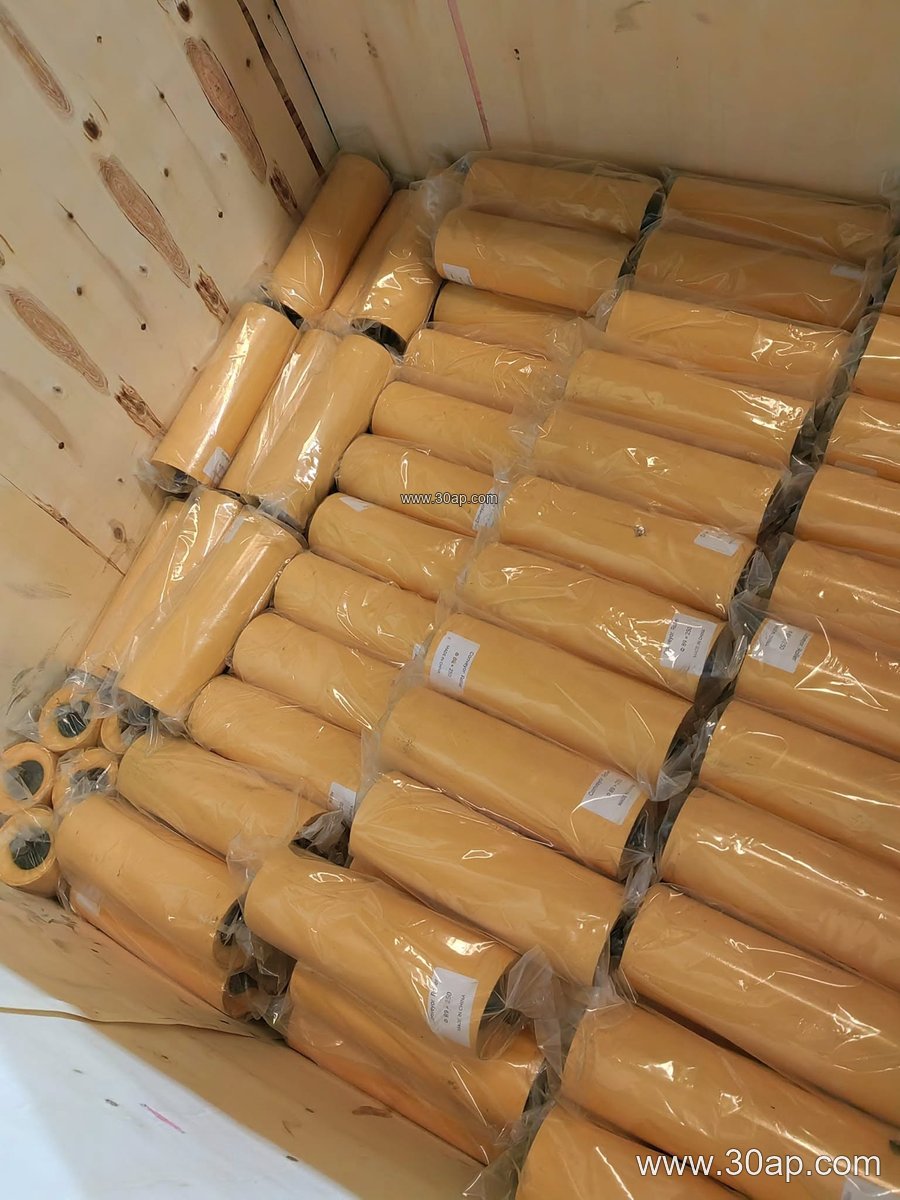
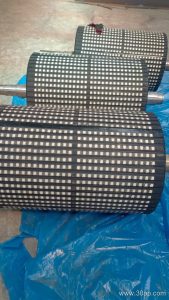
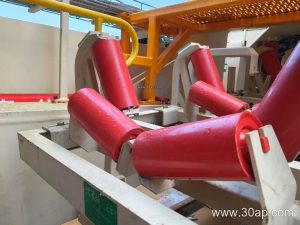
Surface form also moves the price. A plain steel shell is the baseline. A nylon sleeve, a ceramic coating or a rubber ring surface adds material and processing cost, and rubber rings are typical on impact idlers under a loading point. Trough sets can be single-roller, two-roller or three-roller, and trough angles of 20, 30, 35 or 45 degrees change the roll length and the number of parts in the set.
Where Idlers Earn Their Keep
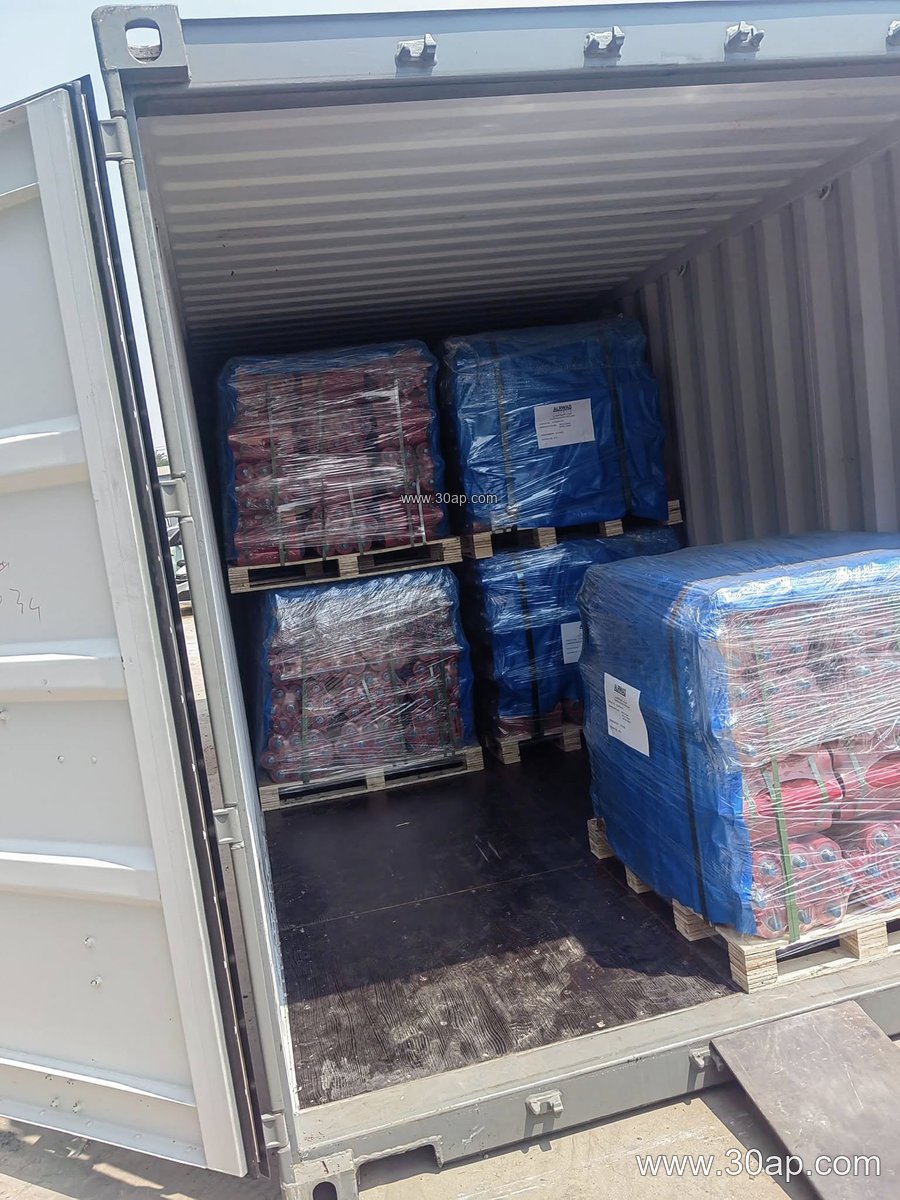
Idlers appear wherever bulk material moves. In a quarry or aggregate line they carry crushed stone from the crusher to the screen house. In a coal preparation plant they support a flame retardant conveyor belt through wet and dusty sections. Cement plants use them on clinker and raw meal lines, power stations use them on coal handling conveyors, and port terminals rely on them for ship loading. Each of these environments stresses the roller differently, and that is exactly why idler price varies.
A dusty limestone circuit rewards good sealing. A wet wash plant punishes poor bearing protection. A steel plant handling hot sinter needs heat-tolerant lubricant and careful clearance. The cheapest roller on the quotation may not be the cheapest per ton conveyed once downtime is counted.
Reading an Idler Quotation
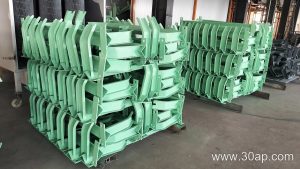
Prices are usually quoted per piece, per set or per meter of conveyor, so confirm the basis before comparing. Ask for the roller diameter, the shaft diameter, the bearing number, the shell thickness and the seal type. A three-roller trough set for B800 or B1000 belting is not priced like a single return roller, and a V-shaped return idler for training the belt sits in a different bracket. For reference, common roll lengths on three-roller trough sets run roughly 200 mm at B500, 250 mm at B650, 315 mm at B800, 380 mm at B1000, 465 mm at B1200, 530 mm at B1400, 600 mm at B1600, 670 mm at B1800 and 750 mm at B2000. Side rollers and center rollers can differ, so treat these as examples, not fixed pairings.
Cost Drivers Worth Checking
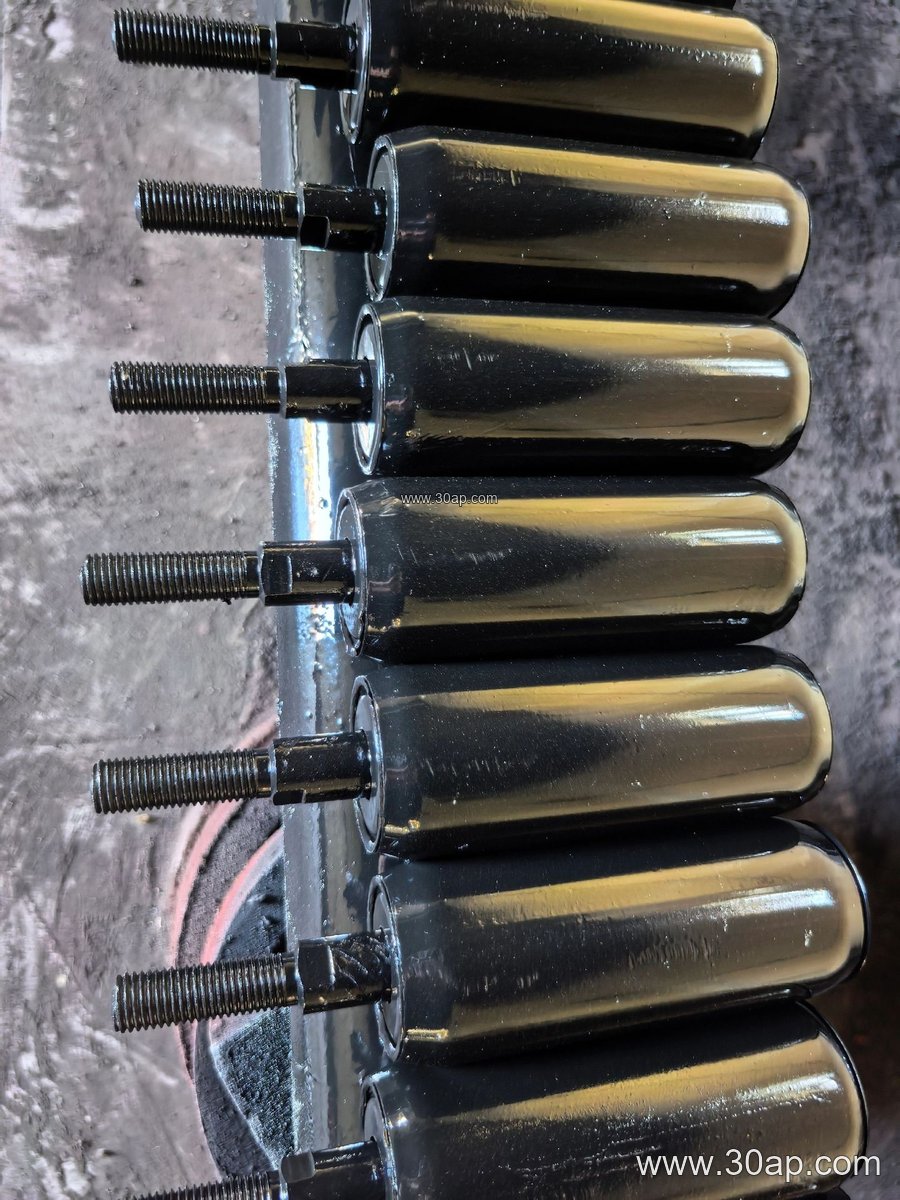
- Bearing brand and clearance class
- Seal design for dust, water or washdown
- Shell wall thickness and shaft material
- Roller surface, plain, nylon, ceramic or rubber ring
- Set configuration and trough angle
Buying Advice
Do not judge an idler price without the maintenance context. A slightly higher unit cost for better seals often pays back quickly on a dusty quarry conveyor. Match the idler to the belt width and the duty, not to a catalog page alone. Keep a small stock of the most common sizes so a failed roller does not stop the line, and record replacement dates to see which positions wear fastest. Return idlers and impact idlers usually fail at different rates from carrying idlers, so budget them separately.
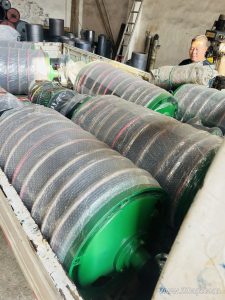
When a full conveyor is being specified, the idler budget should be read together with the belt, the conveyor pulley and the conveyor bracket choices. A well-chosen roller set protects the belt edge, reduces misalignment and keeps power draw predictable. For more guidance on matching rollers to your line, visit conveyoridler.com and review the idler roller options before you finalize the purchase order.