What a 2200mm Conveyor Belt Is
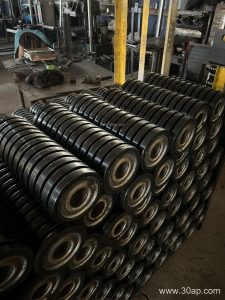
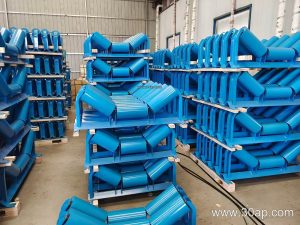
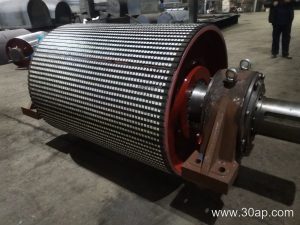
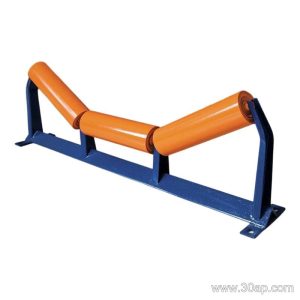
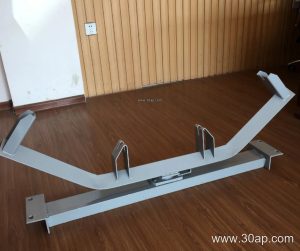
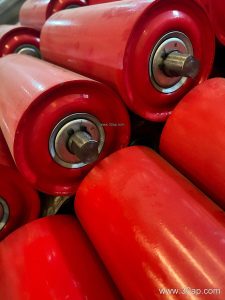
A 2200mm conveyor belt is a wide-width belt intended for conveyor systems that must move large volumes of bulk material in a single pass. At this width, the belt is usually specified as a heavy-duty or extra-wide conveyor belt, and the design conversation quickly moves from “what width” to “what carcass, what cover, and what support structure.” The belt itself is only one part of the line; idler roller frames, conveyor pulley assemblies, and conveyor bracket steelwork all have to be sized for the same duty.
Buyers often meet this size in mining, coal preparation, cement plants, power stations, ports, and large sand and aggregate yards. In those settings the belt may carry run-of-mine rock, clinker, coal, or blended bulk material, so the specification usually leans toward abrasion resistant or impact resistant constructions.
How the Belt Is Built
A wide belt is a layered product. The carcass provides tensile strength and troughability, while the rubber covers protect the carcass from wear, heat, oil, or moisture. Common carcass options at this width include EP conveyor belt (polyester-nylon), NN conveyor belt (nylon-nylon), and steel cord conveyor belt where very high strength and low elongation are needed. Multi-ply fabric core conveyor belt constructions are also used when a balance of flexibility and strength is preferred.
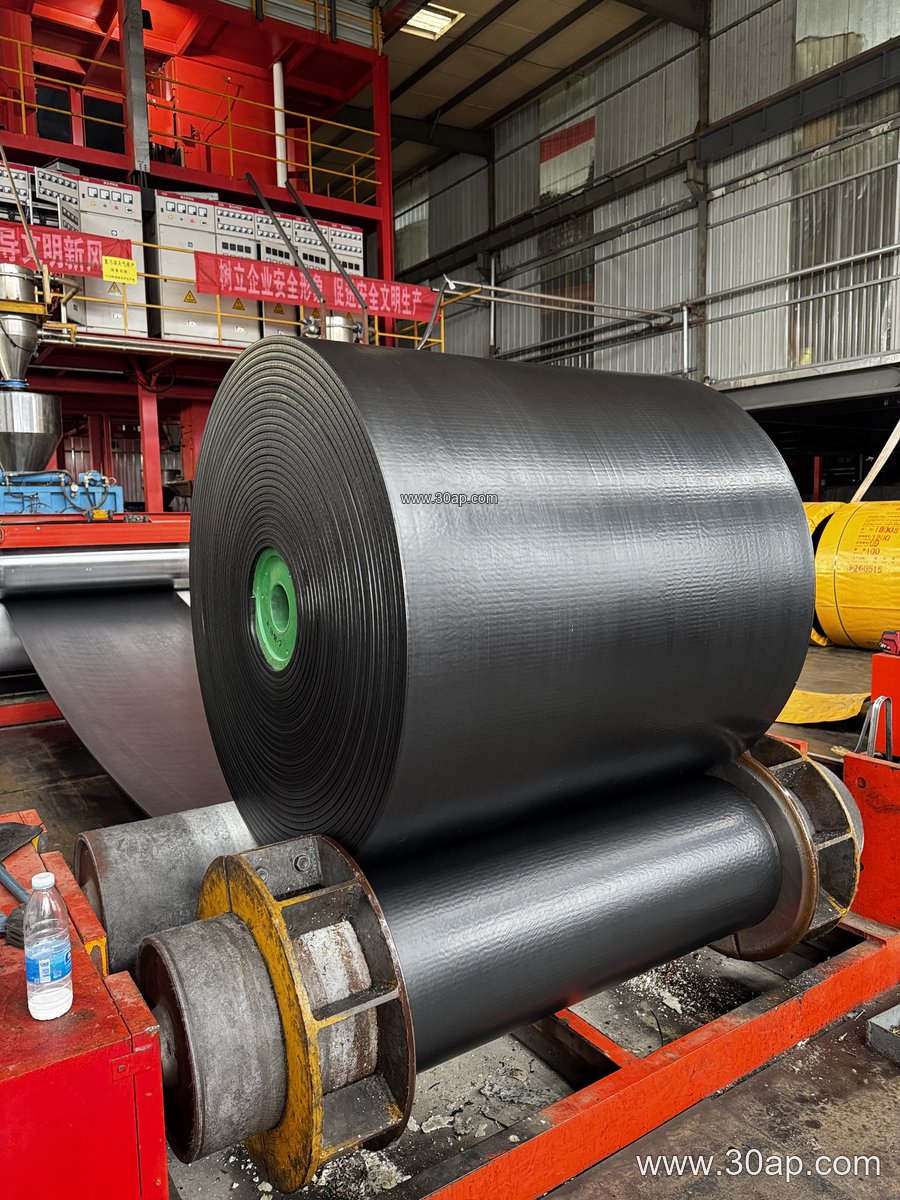
Cover thickness is usually described as top plus bottom, for example 5+2 mm or 6+2 mm, with 8+3 mm seen in harsh wear zones. The right combination depends on lump size, drop height, and the abrasiveness of the material. A rubber conveyor belt for a quarry duty is not automatically the same as one for a cement kiln feed line.
Typical Reference Data for Wide Belts
The values below are common reference points, not a fixed supply promise. Actual construction is confirmed by the belt designer.
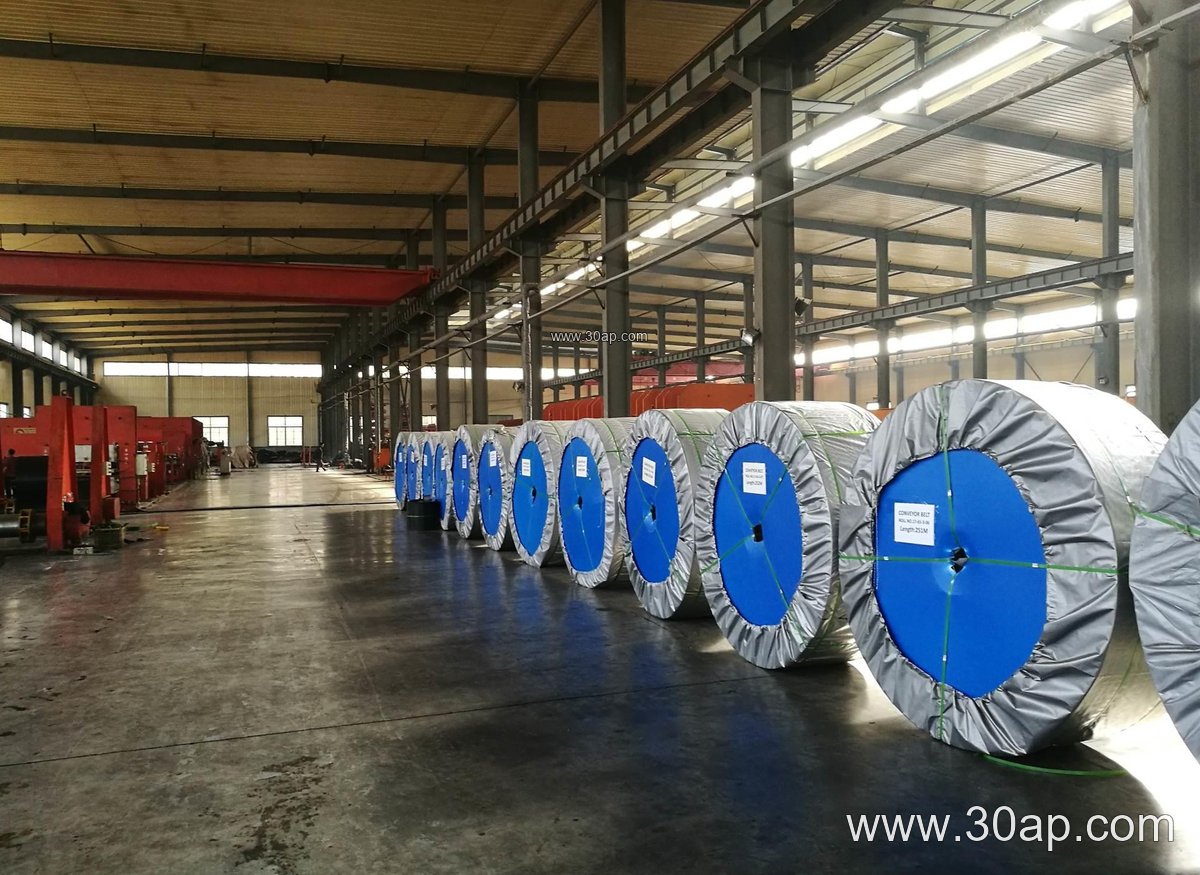
- Width range commonly quoted: B500, B650, B800, B1000, B1200, B1400, B1600, B1800, B2000, and B2200
- EP strength grades often referenced: EP200, EP315, EP400, EP500, EP630, EP800, EP1000, EP1250, EP1600, EP2000
- Carcass plies: usually 2 to 6 layers for fabric core belts
- Cover combinations: 3+1.5, 4+2, 5+2, 6+2, 8+3 mm
For a 2200mm conveyor belt, the strength grade should be matched to the actual tension calculation, not chosen by width alone. A wider belt does not automatically mean a higher strength class, and one belt width does not dictate a single pulley diameter or shaft size.
Where Wide Belts Fit
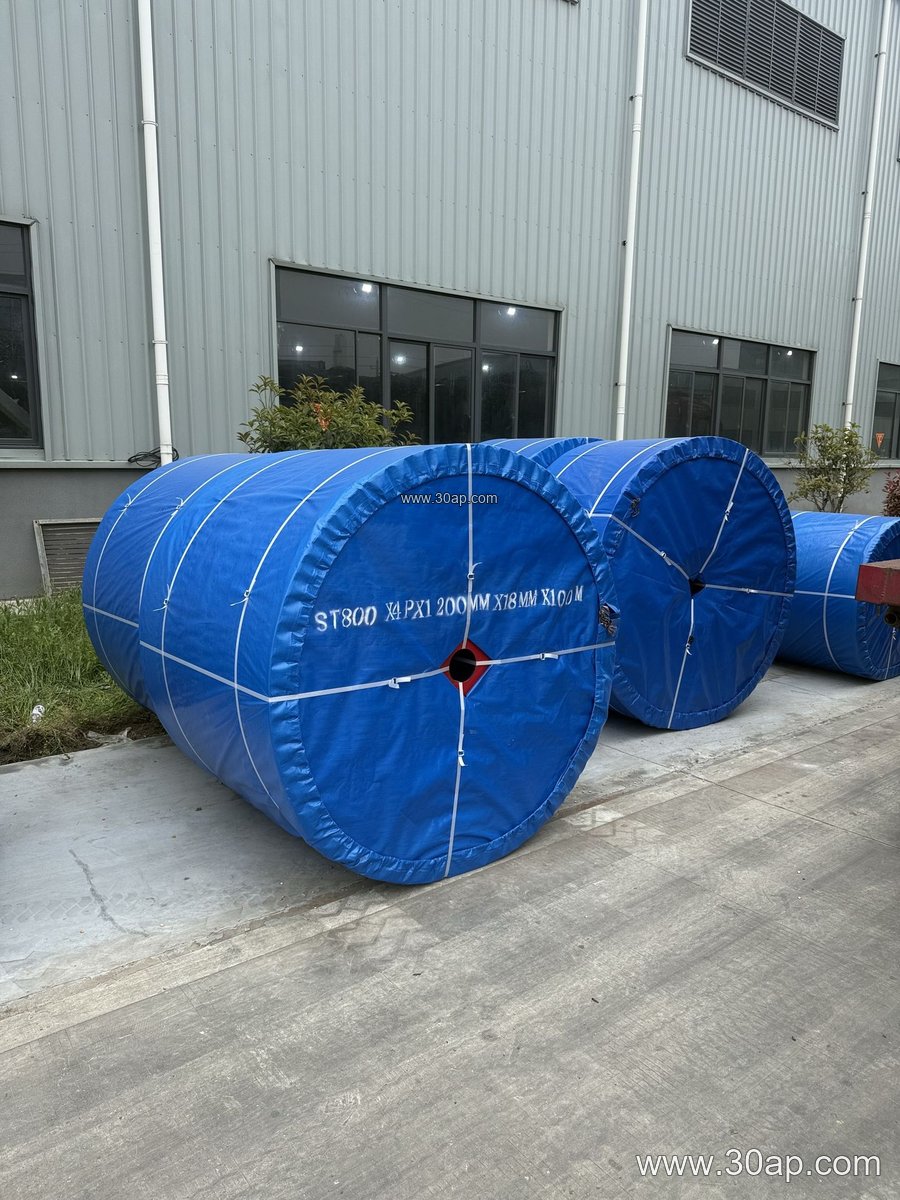
Wide belts appear where throughput matters and where transferring material onto a narrower belt would create bottlenecks. Examples include primary crushing stations in a mine, stockyard conveyors at a port, clinker transport in a cement plant, and coal handling in a power plant. In these lines, a heavy-duty mining conveyor belt may run alongside a heat resistant conveyor belt on a different section, or a flame retardant conveyor belt may be required in coal handling areas.
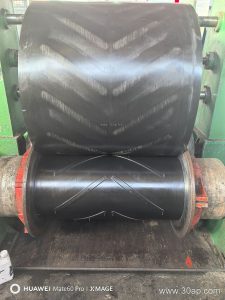
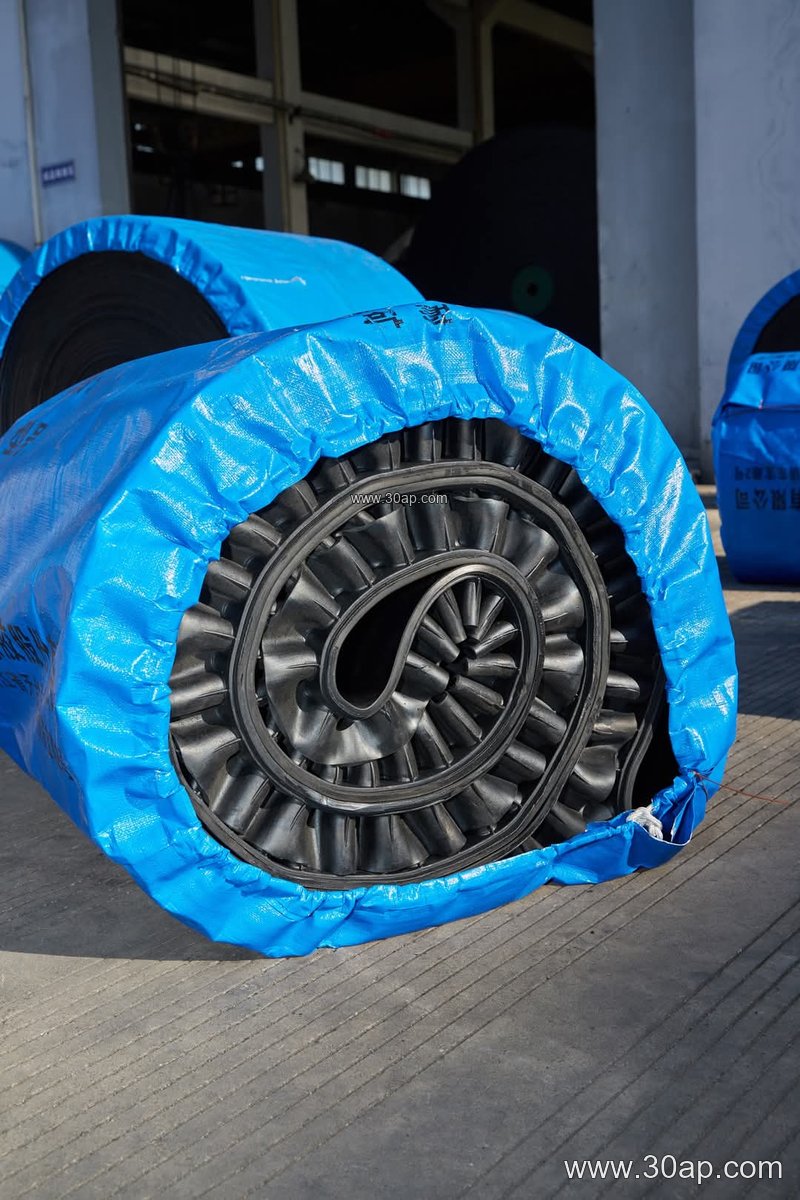
Special constructions are selected for particular conditions: chevron conveyor belt profiles for inclined sections, corrugated sidewall conveyor belt for steep inclines, skirted conveyor belt to contain material at transfer points, and pipe conveyor belt where dust control and route flexibility are priorities. Each is a different product form, and the choice follows the duty rather than the width.
Selection Points for Buyers
Before ordering, confirm the material type, maximum lump size, belt speed, incline angle, and the expected tension. Check that the conveyor pulley, idler roller, and conveyor bracket layouts are rated for the belt mass and the load. A wide belt has significant weight, so startup and tracking behavior deserve attention.
Ask for the carcass type, ply count, cover thickness, and strength grade in writing. For dusty or underground work, discuss anti-static conveyor belt and fire resistant conveyor belt options. For cold climates, a cold resistant conveyor belt may be needed. For food or clean handling, a food grade conveyor belt is a separate specification.
Installation and Maintenance Notes
Wide belts need careful splicing and alignment. Endless conveyor belt splices made at the factory can reduce field risk on critical lines. During operation, watch for edge damage, cover wear, and material buildup on idlers, because a 2200mm belt is less forgiving of mistracking than a narrow one. Keep records of cover thickness so replacement can be planned before the carcass is exposed.
For more on belt, idler, and pulley selection, visit www.example.com/conveyor-belt and www.example.com/conveyor-pulley. Matching the belt to the whole conveyor, not just the head section, is the surest way to get long service from a wide installation.