What a Rubber Spiral Idler Does
A rubber spiral idler is a return-side idler roller wrapped with a helical rubber profile. Instead of a plain steel shell, the rubber helix contacts the underside of the conveyor belt and gently scrapes away clinging material as the belt passes over it. The spiral form also helps center the belt, because the angled rubber ridge nudges a drifting belt back toward the middle of the frame. In practice, this idler roller works as a combined cleaning and training device on the return strand, where fines, dust and moisture tend to build up.
The rubber spiral idler is sometimes called a spiral rubber return roller, and both names describe the same product. It should not be confused with a grooved return roller, a V-type return idler, or a buffer idler, which serve different duties on the conveyor.
How It Is Built
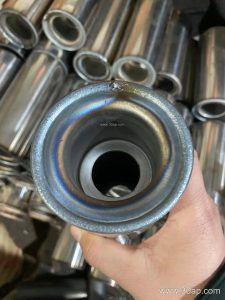
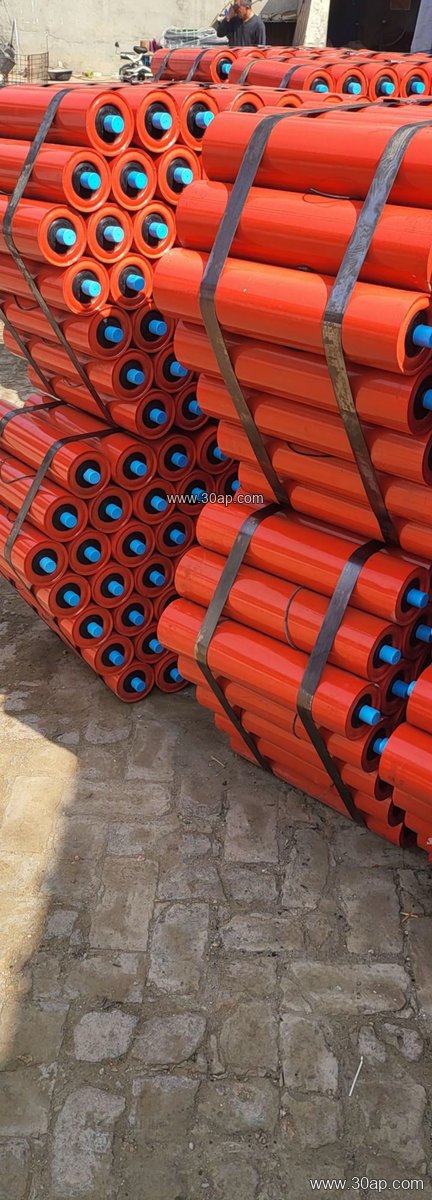
The core is usually a steel tube fitted with a shaft and sealed ball bearings at each end. A rubber helix is bonded or vulcanized onto the shell, and the ends are protected with labyrinth seals or similar dust guards. Common bearing sizes include 6204, 6205, 6305, 6306, 6308 and 6310, matched to the load and shaft design rather than to belt width alone. Roller diameters often fall in the Ø89 to Ø159 range, while the roll length follows the belt width and the bracket spacing.
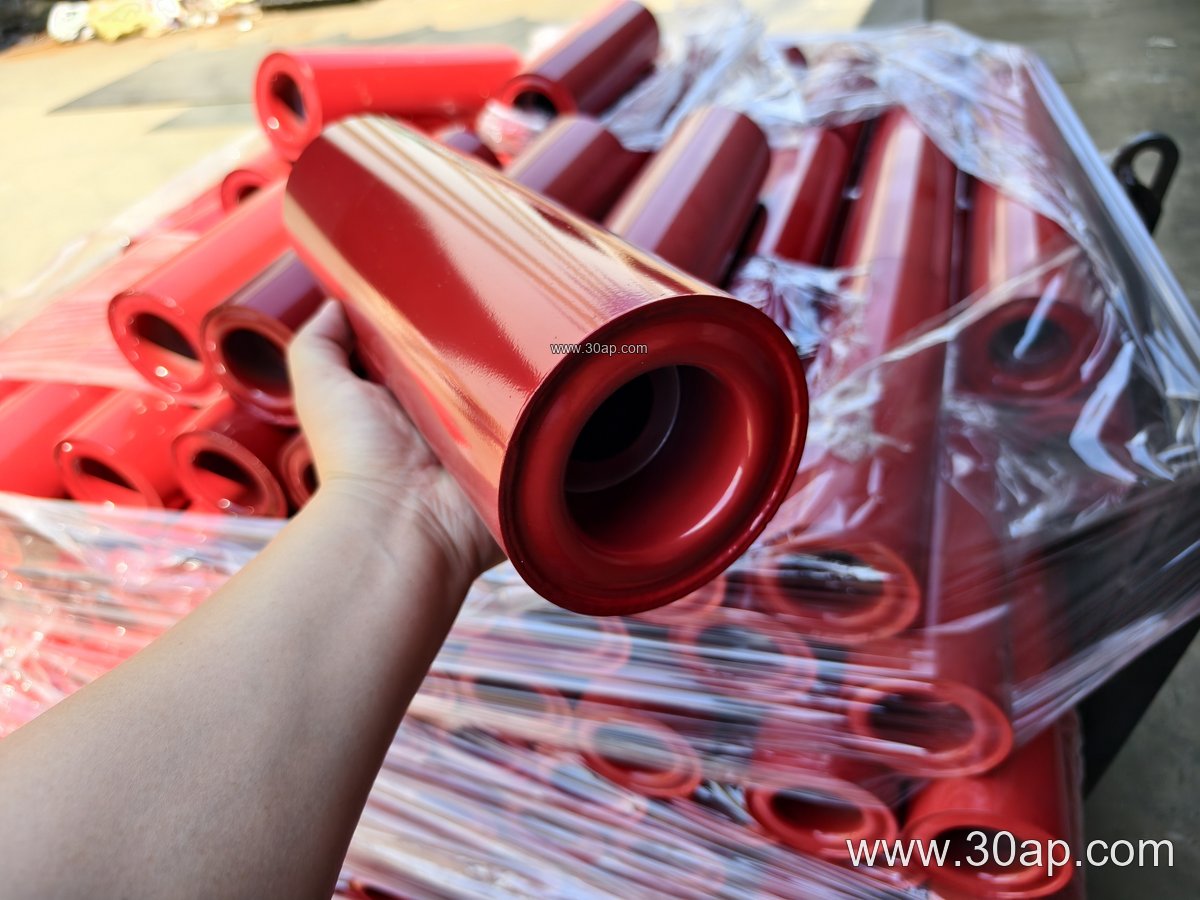
Typical reference dimensions are shown below. These are common examples, not fixed combinations.
- Belt width B650 with a roll length around 250 mm
- Belt width B800 with a roll length around 315 mm
- Belt width B1000 with a roll length around 380 mm
- Belt width B1200 with a roll length around 465 mm
- Belt width B1400 with a roll length around 530 mm
Larger belts such as B1600, B1800 and B2000 use longer rolls, often around 600 mm, 670 mm and 750 mm respectively. The final figure is set by the conveyor design, the bracket type and the clearance needed under the belt.
Where It Fits on the Conveyor
The rubber spiral idler belongs on the return run, mounted in a conveyor bracket below the belt. It is common in sand and gravel lines, limestone quarries, cement plants and power plant coal handling, where sticky dust and small spillage accumulate on the belt’s carrying side and drop onto the return strand. A spiral roller keeps that surface cleaner and reduces the chance of material wrapping around a plain return idler.
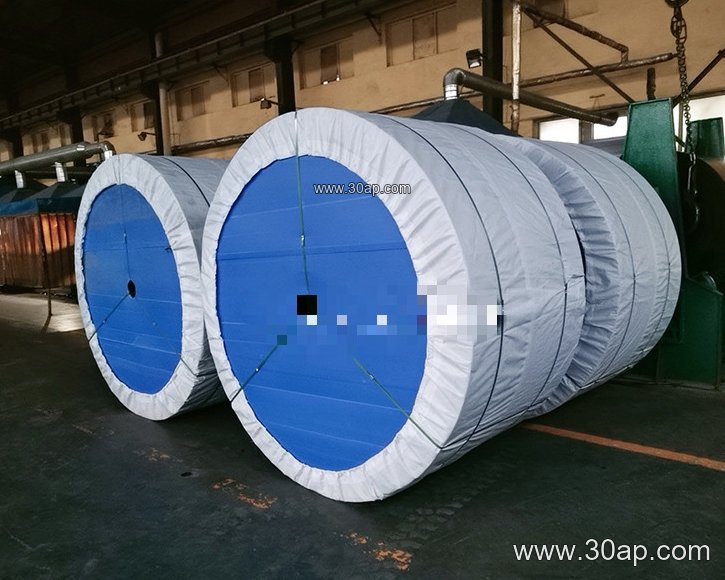
It also suits crushing and screening circuits feeding a belt that carries damp aggregate, and it can be paired with a skirted conveyor belt or a corrugated sidewall belt where spillage is heavy. On long overland runs using an EP conveyor belt or a steel cord conveyor belt, spiral return idlers are often spaced at intervals to control belt tracking.
Selection and Maintenance Notes
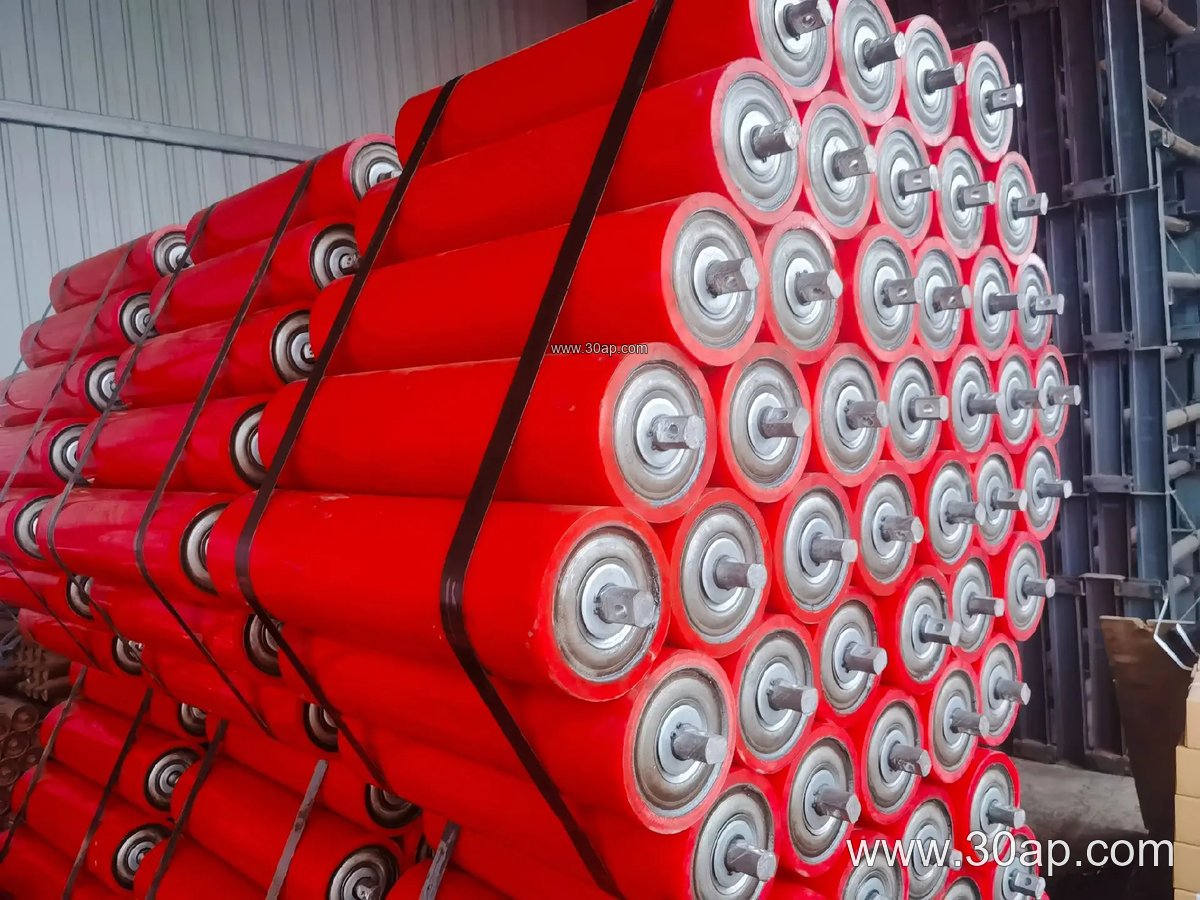
Buyers should check the belt width, the return idler diameter, the shaft and bearing arrangement, and the rubber hardness and profile depth. A spiral roller with a deep, soft rubber helix cleans well but wears faster on abrasive service; a harder compound lasts longer but may not shed wet fines as effectively. The clearance between the helix and the belt should be set so the rubber touches lightly without lifting the belt.
Maintenance is straightforward. Inspect the rubber helix for cuts and worn edges, confirm that the bearings turn freely, and check that the roller is square to the belt. A worn spiral may stop cleaning and start tracking poorly, so replacing it early avoids belt edge damage. Keep in mind that this idler does not replace a primary belt cleaner or a conveyor pulley; it is a return-side aid, and drive, tail and bend pulleys remain separate components with their own specifications.
For a complete conveyor setup, the rubber spiral idler is usually specified together with the conveyor belt, the troughing idlers on the carry side, and the conveyor pulley at each end. Matching these parts to the duty, the material and the environment gives a more reliable result than choosing any single component in isolation.