What a Terminal Conveyor Idler Does at the Belt End
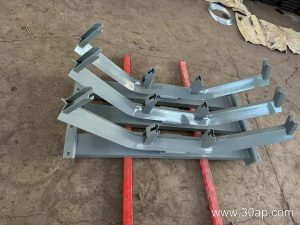
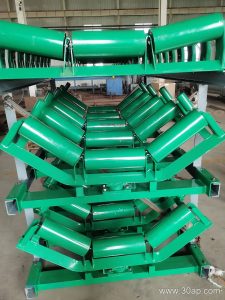
A terminal conveyor idler is the last carrying or return idler set before the conveyor belt leaves a section, typically near the transfer point or at the head and tail area of a conveyor. It supports the belt at the terminal zone, helps maintain a stable belt path, and reduces the chance of belt edge damage when the belt transitions to a pulley or chute. In quarry and aggregate lines, this idler often works alongside the conveyor pulley and conveyor bracket to keep the belt aligned as material discharges.
Unlike a drive pulley or tail pulley, the terminal conveyor idler does not transmit power. It is a rotating support component, and its job is to carry the belt and material load at the end of the idler run. The same product is also called a terminal idler roller or end-of-section idler. These names refer to the same item, while drive, tail, and bend pulleys remain separate equipment categories.
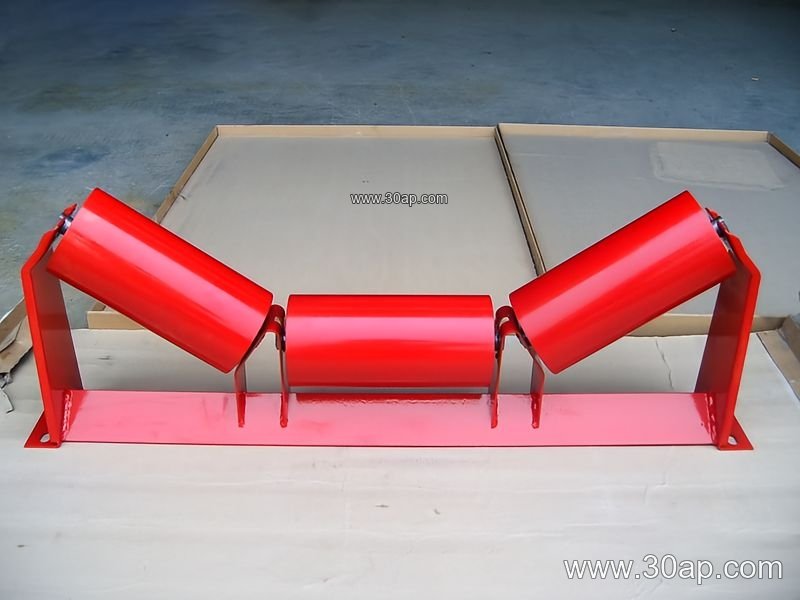
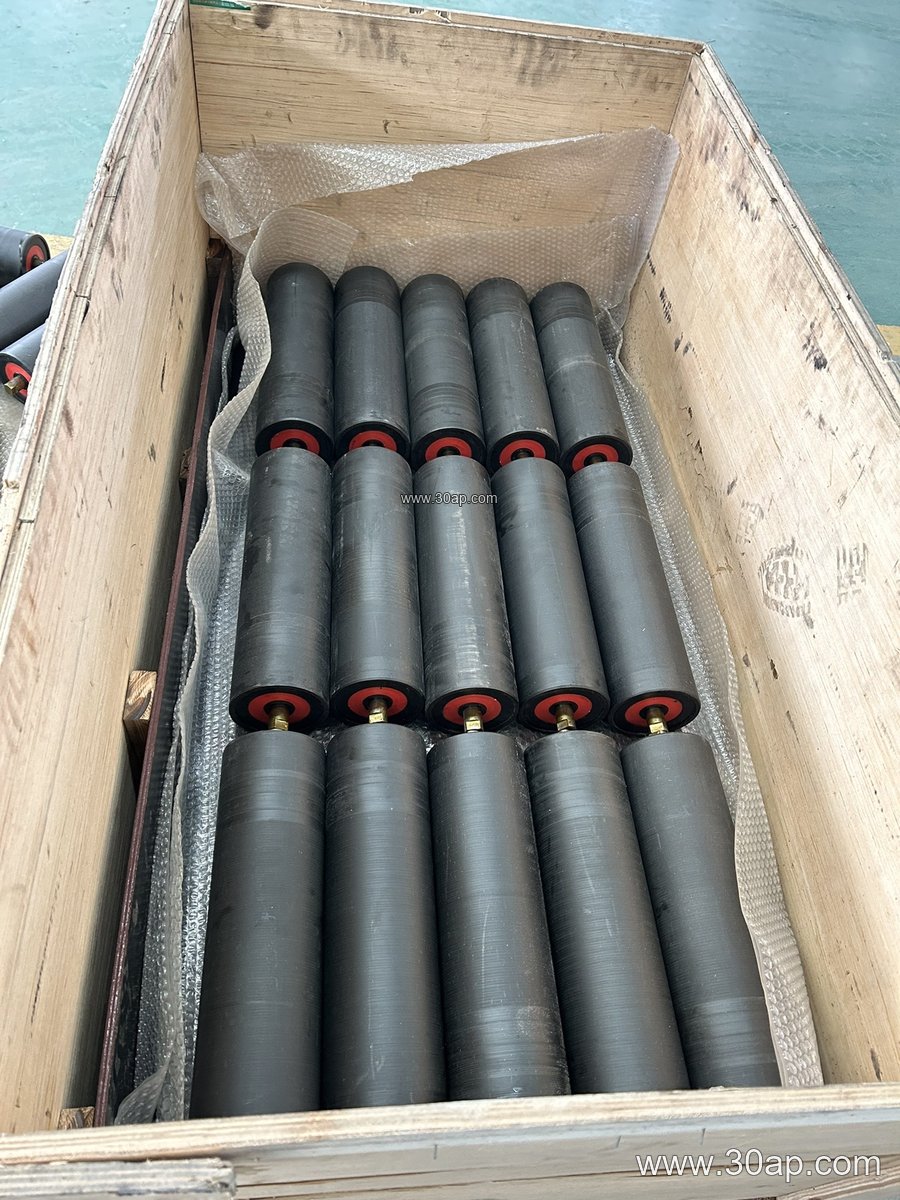
Construction and Common Configurations
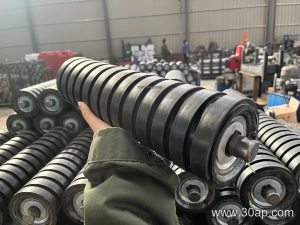
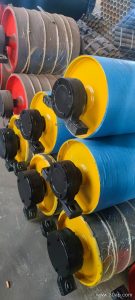
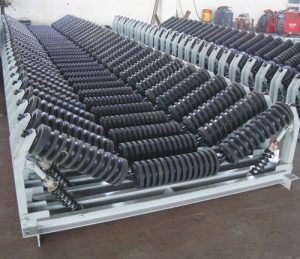
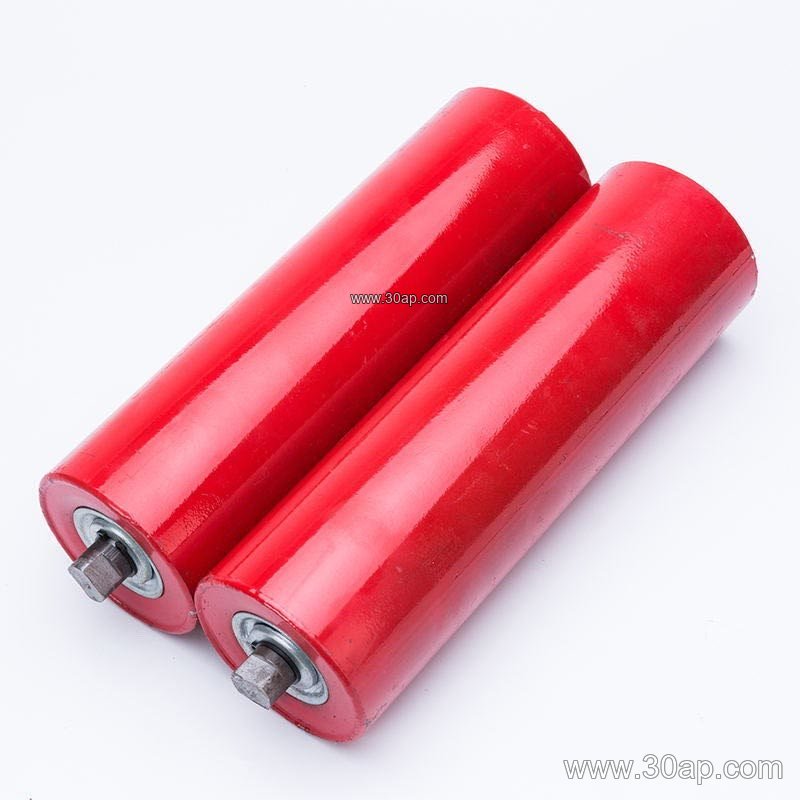
A terminal conveyor idler usually follows the same basic build as a standard idler roller: a steel tube shell, bearing housings, a shaft, and a sealing arrangement. The roller surface may be plain steel, nylon, ceramic, or rubber-covered depending on the duty. In dusty terminals such as a coal mining conveyor belt transfer house, sealed bearings and effective labyrinth seals matter more than a fancy surface finish.
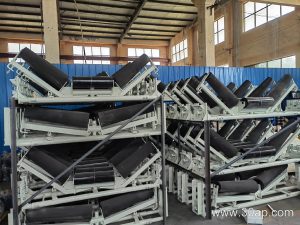
Common roller diameters include Ø89, Ø108, Ø127, Ø133, Ø159, and Ø178 mm. Bearing sizes often seen are 6204, 6205, 6305, 6306, 6308, and 6310, but bearing selection should follow the actual load and speed rather than a fixed rule. The idler length depends on belt width, trough angle, and the idler set form. For a three-roll troughing set, common roll lengths may be around 200 mm for B500, 250 mm for B650, 315 mm for B800, 380 mm for B1000, 465 mm for B1200, 530 mm for B1400, 600 mm for B1600, 670 mm for B1800, and 750 mm for B2000. These are examples, not mandatory matches, and side rolls can differ from the center roll.
Typical terminal idler set reference
| Item | Common example | Note |
|---|---|---|
| Roll diameter | Ø108, Ø127, Ø133, Ø159 mm | Select by load and belt speed |
| Belt width | B650, B800, B1000, B1200, B1400 mm | Width range for reference only |
| Trough angle | 20°, 30°, 35°, 45° | Affects material containment |
| Bearing | 6205, 6305, 6306, 6308 | Confirm with duty conditions |
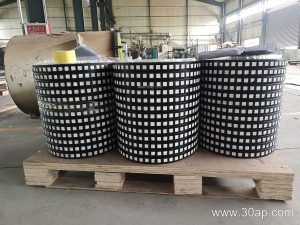
| Surface | Steel tube, nylon, rubber ring | Rubber ring for impact zones |
Where Terminal Idlers Fit in the Plant
In a limestone quarry or stone crushing line, a terminal conveyor idler may sit just before the discharge chute to support the belt as it opens from a trough to a flatter profile. In a cement plant, the same component helps guide the belt at the end of a clinker or raw material conveyor. At a power plant coal handling system, terminal idlers are often part of the belt path near the transfer tower, where a flame retardant conveyor belt may be used for safety. The terminal idler also appears in port ship loading conveyors, where stable belt tracking at the boom tip reduces spillage.
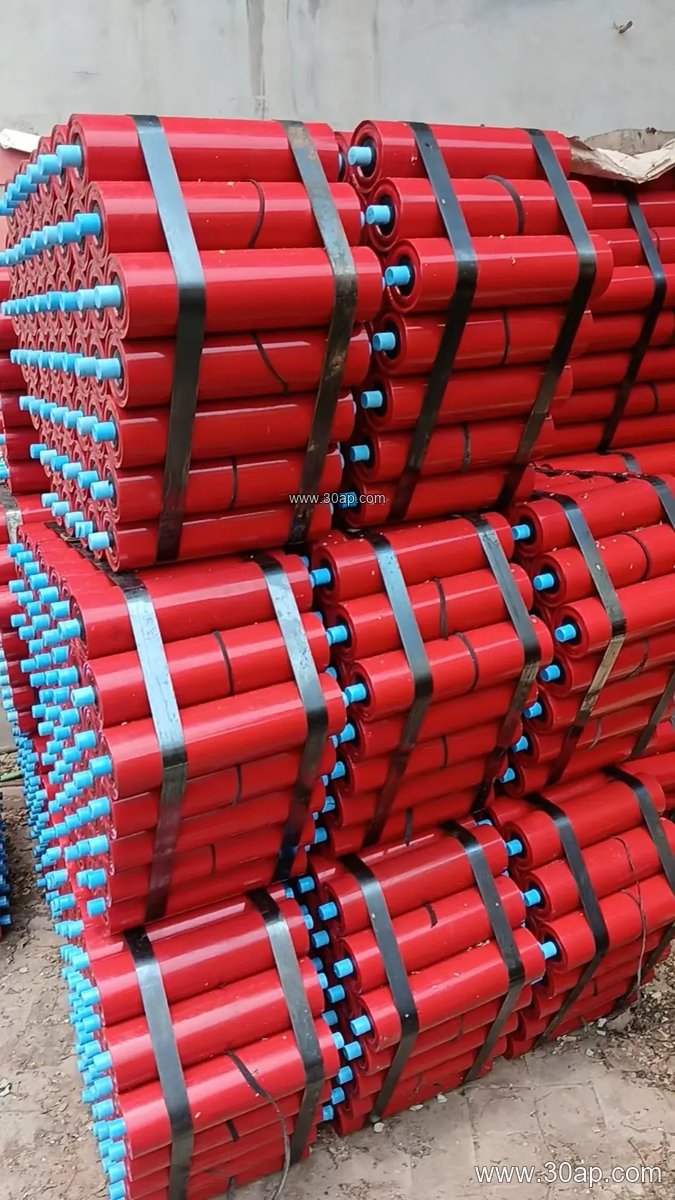
The surrounding equipment matters. A worn conveyor pulley or a misaligned conveyor bracket can overload the terminal idler and cause edge wear. When the belt is an EP conveyor belt, NN conveyor belt, or steel cord conveyor belt, the terminal idler should be matched to the belt’s stiffness and load profile. For abrasive ore, an abrasion resistant conveyor belt paired with well-sealed idlers can extend service life in iron ore or copper ore operations.
Buyer Checklist for Terminal Conveyor Idlers
Before ordering, confirm the belt width, trough angle, idler set form, roll diameter, shaft size, bearing type, and mounting dimensions. Check whether the terminal position needs a standard carrying idler, a transition idler, or a rubber-disc impact idler for a load zone. Ask for the sealing method and lubrication arrangement, especially for dusty coal mining or underground mining conveyor systems. If the belt is a pipe conveyor belt or corrugated sidewall conveyor belt, the terminal idler geometry may need special review. Do not assume one roller diameter fits every belt width; the load, speed, and idler spacing determine the final choice.
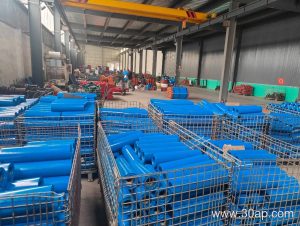
For spare parts planning, keep a small set of common terminal idlers on hand. Record the roller mark, bearing number, and roll length so replacements match the existing conveyor bracket. Properly selected terminal conveyor idlers help maintain belt alignment, reduce spillage, and protect the belt at the end of the carrying run.