What a V-Type Idler Bracket Does
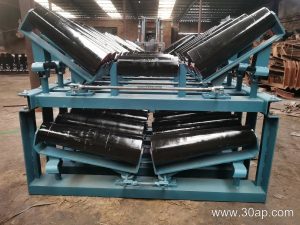
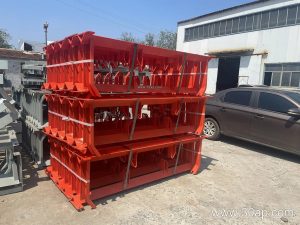
A V-Type Idler Bracket is a support frame that holds two idler rollers in a V shape beneath the return strand of a conveyor belt. Instead of letting the belt sag between distant supports, the bracket cradles it in a shallow trough, guiding the belt and helping shed loose material that would otherwise stick to the surface. Maintenance teams in coal handling, cement plants, and aggregate quarries often favor this design because it improves belt tracking on the return run without adding complex hardware.
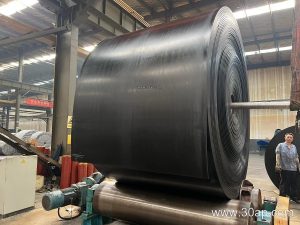
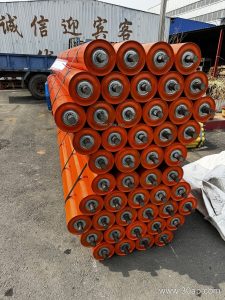
In practice, the bracket works together with the conveyor belt and the idler roller set. The two rollers sit at an angle to each other, forming the V, and the belt rests in the pocket. This arrangement is sometimes called a V-return bracket or V-type return idler frame, and it is distinct from the carrying-side troughing brackets that support the loaded strand.
Construction and Typical Materials
Most brackets are fabricated from angle steel, channel steel, or folded steel plate, then drilled for mounting and finished with a protective coating. The frame usually includes two inclined arms, a base or cross member, and mounting holes that match the conveyor stringer spacing. Because the arms carry the full weight of the return belt and any clinging material, the steel thickness and weld quality matter more than cosmetic details.
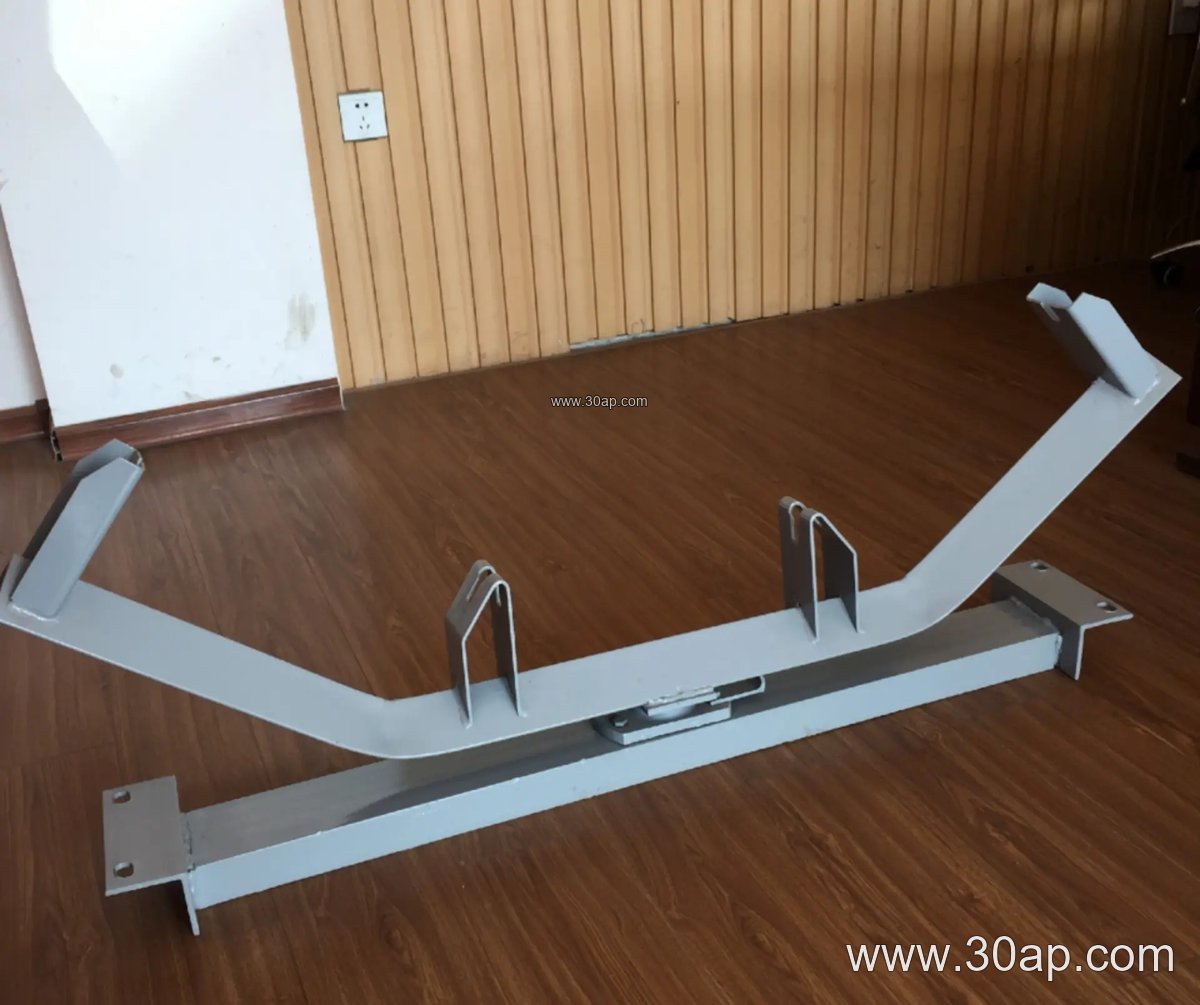
- Angle steel frames for lighter duty and simpler fabrication
- Channel steel frames for wider belts and heavier return loads
- Folded plate designs that save weight while keeping stiffness
A related design, the fixed V-return bracket, has a set angle. An adjustable version lets crews change the V angle to suit belt width and operating conditions. That flexibility can be useful where a plant runs several belt sizes or expects future modifications.
Where It Fits on the Conveyor
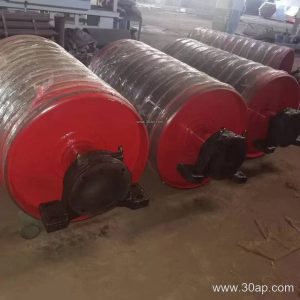
The bracket is mounted on the return side, usually at intervals between the drive pulley and tail pulley. It is not a substitute for a bend pulley or a tail pulley; those components redirect the belt, while the V-Type Idler Bracket simply supports and guides it. On a long overland conveyor at a quarry or a coal yard, a series of these brackets keeps the return belt from flapping and reduces spillage near transfer points.
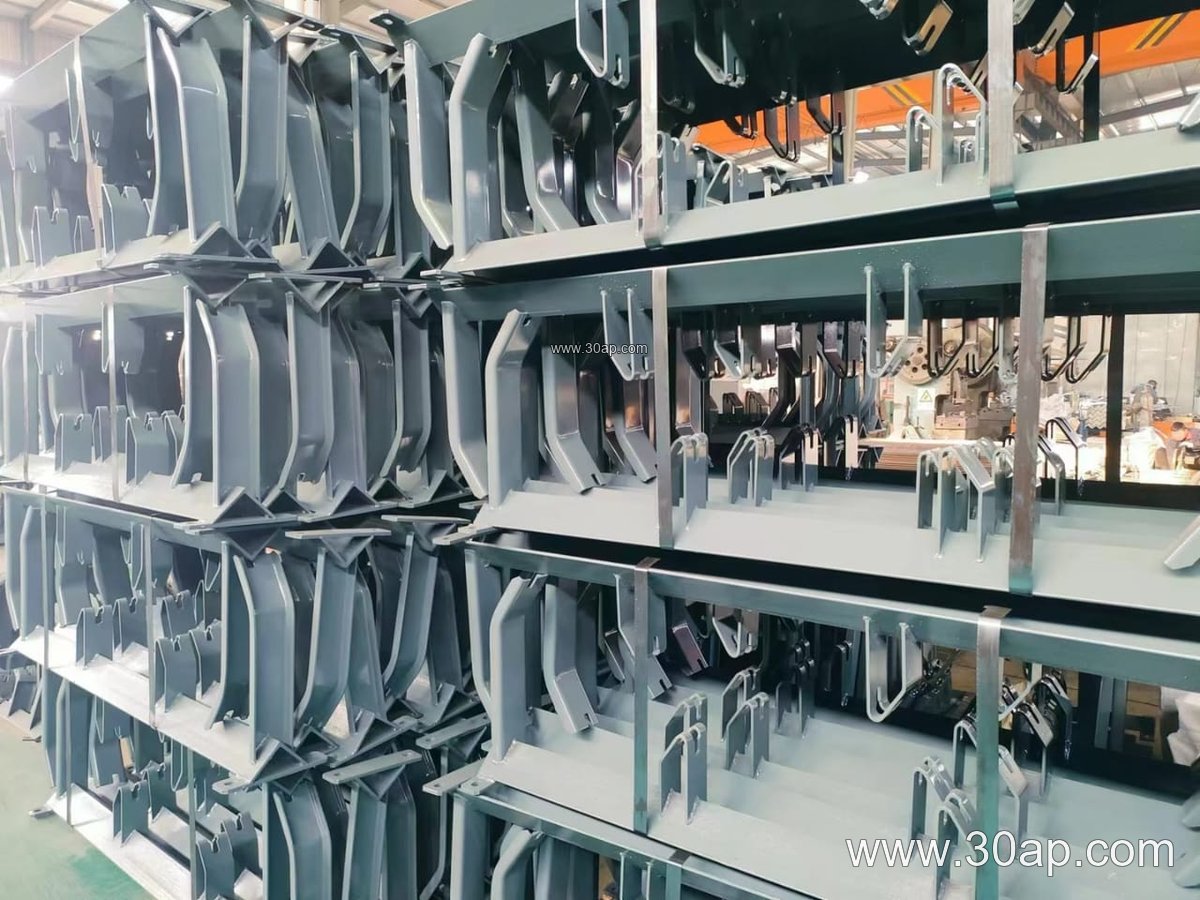
Typical installation sites include:
- Return runs in cement plants and power station coal handling
- Aggregate and sand production lines with dusty, abrasive material
- Iron ore and limestone operations where belt cleaning is critical
- Port and ship loading conveyors that handle bulk material at high capacity
Matching Bracket, Belt, and Roller Size
Buyers should match the bracket to the belt width, the idler roller diameter, and the expected return load. Common belt widths range from B500 up to B2200, and typical roller diameters include Ø89, Ø108, Ø133, Ø159, and Ø194. These are reference ranges, not fixed rules; a B800 belt may work with more than one roller diameter depending on load and speed. Mounting hole spacing and cross-member length change with belt width and V angle, so the bracket drawing should always be confirmed against the conveyor structure.
| Belt Width | Common Roller Diameter | Typical V Angle |
|---|---|---|
| B500 | Ø89 | 20°–30° |
| B650 | Ø89–Ø108 | 20°–30° |
| B800 | Ø108–Ø133 | 30°–35° |
| B1000 | Ø108–Ø159 | 30°–35° |
| B1200 | Ø133–Ø159 | 35°–45° |
| B1400 | Ø133–Ø194 | 35°–45° |
| B1600 | Ø159–Ø194 | 35°–45° |
For heavy-duty mining conveyor belt service, a stiffer frame and larger roller diameter usually make sense. On a lighter aggregate conveyor belt line, a standard angle-steel bracket may be sufficient. The key is to avoid treating any single row of the table as a mandatory pairing.
Buyer Checklist Before Ordering
Confirm the belt width and the return idler diameter first, then check the mounting hole pattern on the existing stringers. Ask whether a fixed or adjustable V angle is preferred, and whether the frame needs extra clearance for a skirted conveyor belt or a corrugated sidewall conveyor belt. In dusty coal mining conveyor belt installations, a design that sheds material easily is worth prioritizing.
Also consider the environment. A heat resistant conveyor belt in a sinter plant may need a bracket that tolerates thermal cycling, while a food grade conveyor belt line calls for clean, well-finished surfaces. For abrasive ore conveyor belt duty, check that the bracket arms will not rub against the belt edge.
Finally, request dimensional drawings and confirm that the bracket matches the actual conveyor bracket layout on site. Small differences in hole spacing can turn a simple replacement into a rework job. Related components such as the conveyor pulley and idler roller should be reviewed at the same time so the whole return assembly works as a system.