What the Price of a Conveyor Idler Really Covers
When a maintenance planner asks for a conveyor idler price, the number that comes back is rarely just a number for a steel tube. In a quarry, a coal washing plant, or a cement kiln feed line, the idler is a wearing component that carries the full weight of the belt and the material on it. That is why two rollers that look identical from a distance can sit far apart in cost. The price reflects steel thickness, bearing class, seal design, surface treatment, and the way the roller is assembled and balanced.
In practice, a conveyor idler is one of the cheapest parts on the line and one of the most frequently replaced. Buyers who compare only the headline figure often end up paying more through short service life, belt tracking problems, and unplanned stoppages. The keyword is simple, but the purchase decision behind it is not.
How a Conveyor Idler Roller Is Built
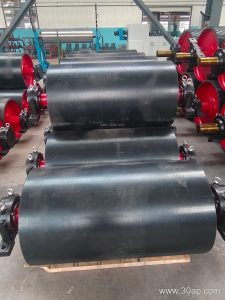
A typical idler roller starts with a steel tube, machined at both ends to hold the bearing housings. Inside, deep-groove ball bearings are fitted, often in the 6204 to 6310 range depending on load and shaft design. A labyrinth seal or a combination of felt and rubber seal keeps fine dust out, which matters greatly in crushing and screening circuits where airborne grit is constant.
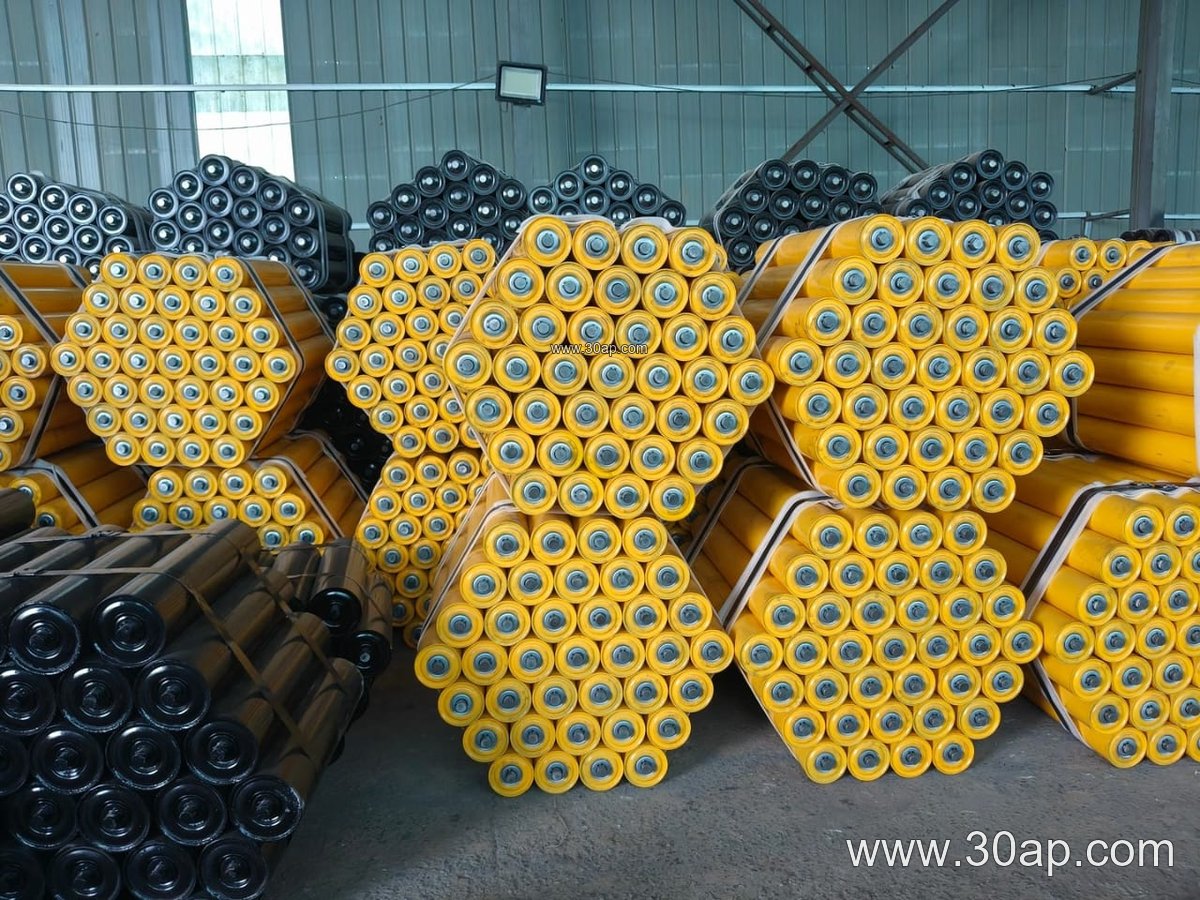
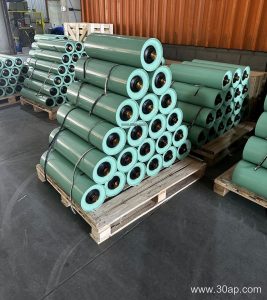
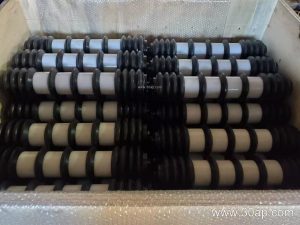
The shaft, bearing housing, and end cap form the structural core. On impact sections, rubber rings are fitted over the shell to absorb the drop energy from coarse rock. On return runs, a flat or V-shaped roller may be used instead of a troughing set. The shell surface can be plain steel, nylon-coated, ceramic-covered, or rubber-covered, and each choice changes both durability and price.
- Troughing sets carry the loaded belt, usually in two or three rolls
- Impact rollers sit under the loading point and cushion falling material
- Return rollers support the empty belt on the lower strand
- Self-aligning rollers correct belt drift on long runs
- Spiral rollers help shed sticky material in wet or clay-rich service
Where Rollers and Their Prices Matter Most
Aggregate plants and stone crushing lines are heavy users because the belt carries sharp, abrasive rock. A quarry conveyor belt may run at high tonnage, so roller failure quickly damages the belt cover. In a coal washing plant, dust and moisture combine, and the seal quality often decides whether the roller lasts one season or several. Power plant coal handling and port ship loading systems run long continuous shifts, where a single seized roller can create friction and heat.
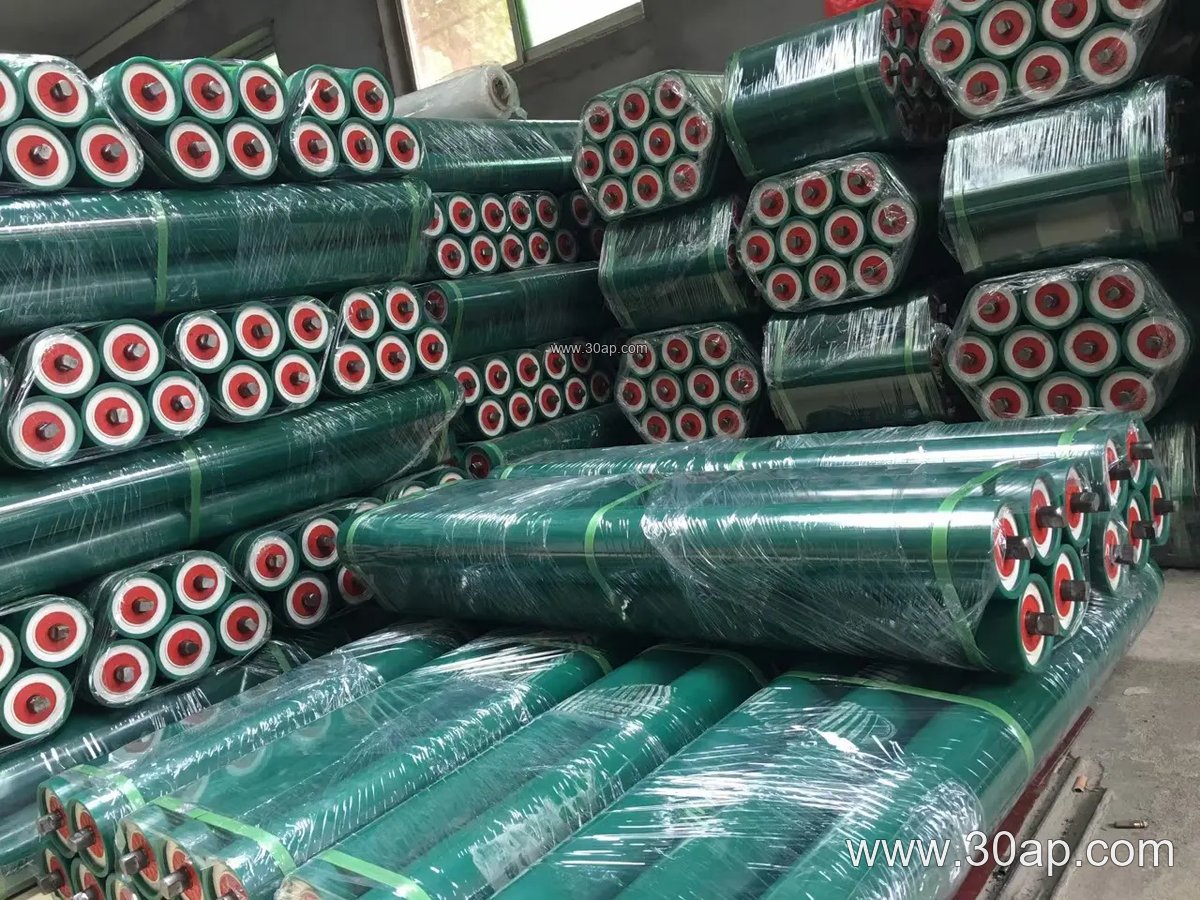
The belt itself is part of the equation. A heavy-duty mining conveyor belt, an abrasion resistant conveyor belt, or a flame retardant conveyor belt for underground service all influence how much load reaches the roller. On a steel cord conveyor belt line, belt tension is high and roller alignment becomes critical. On shorter lines using an EP conveyor belt or a multi-ply fabric core belt, standard troughing idlers are usually sufficient.
Common Sizes and Reference Data
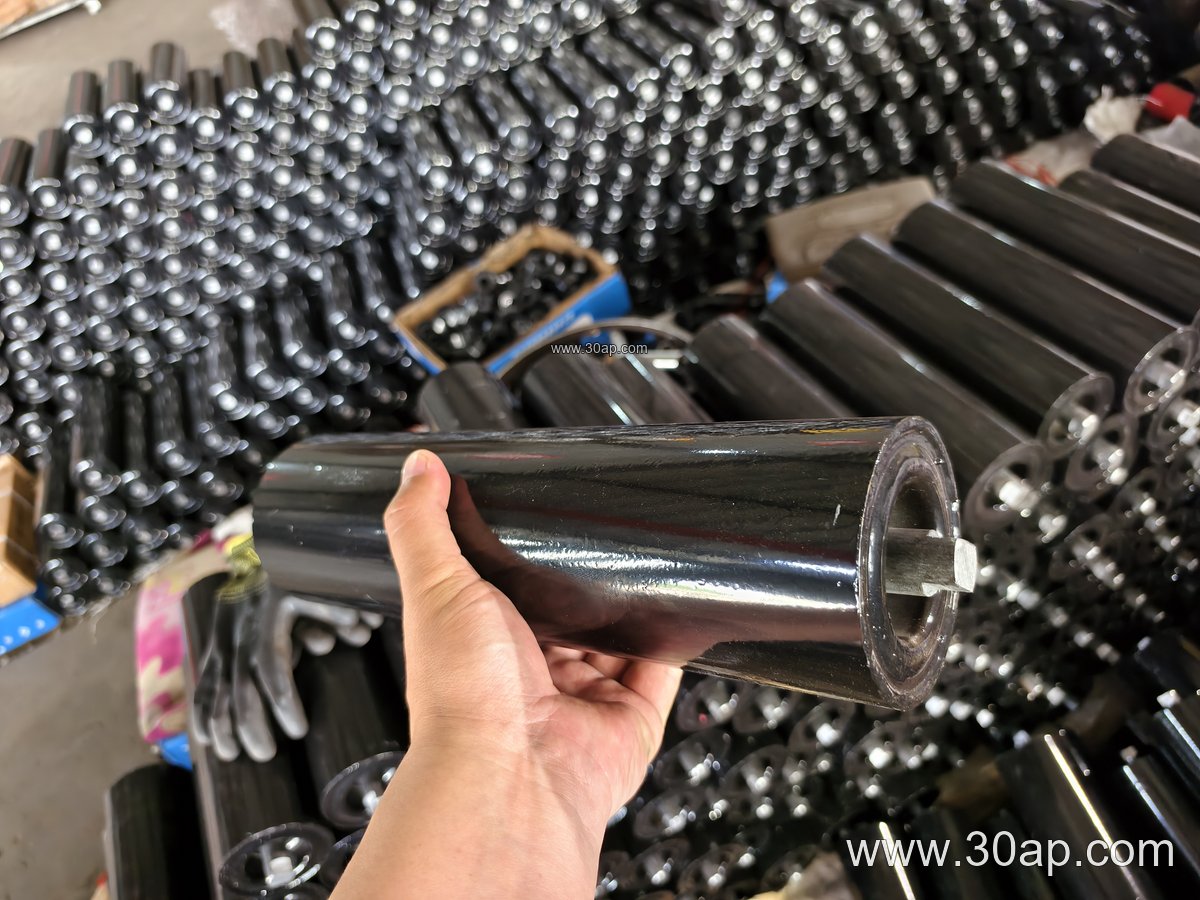
Roller diameter is selected from the belt width, load, and speed, not from a single fixed rule. The table below shows common combinations used in general design work. These are reference values, not a guaranteed supply list, and the final choice should be confirmed by the conveyor designer.
| Belt width | Common roller diameter | Typical three-roll length | Common trough angle |
|---|---|---|---|
| B500 | Ø63, Ø76, Ø89 | about 200 mm | 20°, 30°, 35° |
| B650 | Ø76, Ø89, Ø102 | about 250 mm | 20°, 30°, 35° |
| B800 | Ø89, Ø102, Ø108 | about 315 mm | 30°, 35°, 45° |
| B1000 | Ø102, Ø108, Ø127 | about 380 mm | 30°, 35°, 45° |
| B1200 | Ø108, Ø127, Ø133 | about 465 mm | 30°, 35°, 45° |
| B1400 | Ø127, Ø133, Ø159 | about 530 mm | 30°, 35°, 45° |
| B1600 | Ø133, Ø159, Ø178 | about 600 mm | 35°, 45° |
| B1800 | Ø159, Ø178, Ø194 | about 670 mm | 35°, 45° |
Side rollers and centre rollers may have different lengths within the same set. Bearing size also varies independently, so a Ø108 roller can appear with 6205, 6305, or 6306 bearings depending on load and shaft design. The conveyor bracket and frame dimensions must match the roller shaft ends, so buyers should confirm the shaft end type before ordering.
What to Check Before Accepting a Quote
A useful conveyor idler price comparison should list the tube wall thickness, bearing brand or grade, seal type, and surface finish. Ask whether the roller is balanced for the intended belt speed, and whether the end caps are welded or pressed. For dusty service such as a lime kiln area or a fertilizer handling shed, the seal specification is often more important than a small difference in unit price.
Also consider the total cost of ownership. A slightly higher-priced roller with a proper labyrinth seal may outlast a cheaper one by a wide margin in a coal handling or iron ore application. Keep a small stock of the most common sizes, and record the installation position so that repeat orders match the original specification.
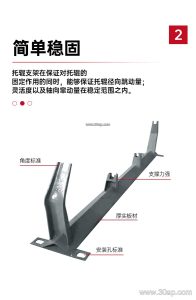
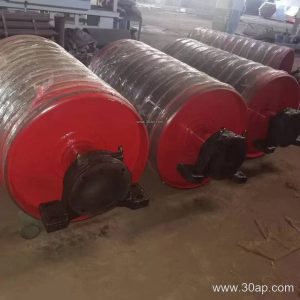
Finally, remember that the idler is only one part of the conveyor system. Matching it with the right conveyor belt, a properly aligned conveyor pulley, and a rigid conveyor bracket keeps the whole line running smoothly. A clear, itemised quotation makes it easier to judge whether the conveyor idler price is reasonable for the duty involved.