What an Ore Conveyor Belt Is
An ore conveyor belt is the load-carrying component of a bulk handling line that moves crushed or raw mineral material between a crusher, a stockpile, a screening station, or a ship loader. In practice it is a heavy-duty rubber conveyor belt built around a tension-bearing carcass, protected by top and bottom cover rubber. Because ore is dense, sharp-edged, and often wet, the belt is usually specified with abrasion-resistant covers and a robust carcass rather than a general-purpose construction. The same product is also called a mining conveyor belt or a bulk material conveyor belt, and those names describe the same item in different project documents.
Construction and Carcass Choices
The carcass carries tension and resists impact, while the covers protect it from cutting and wear. Buyers generally choose between fabric-core and steel-cord designs.
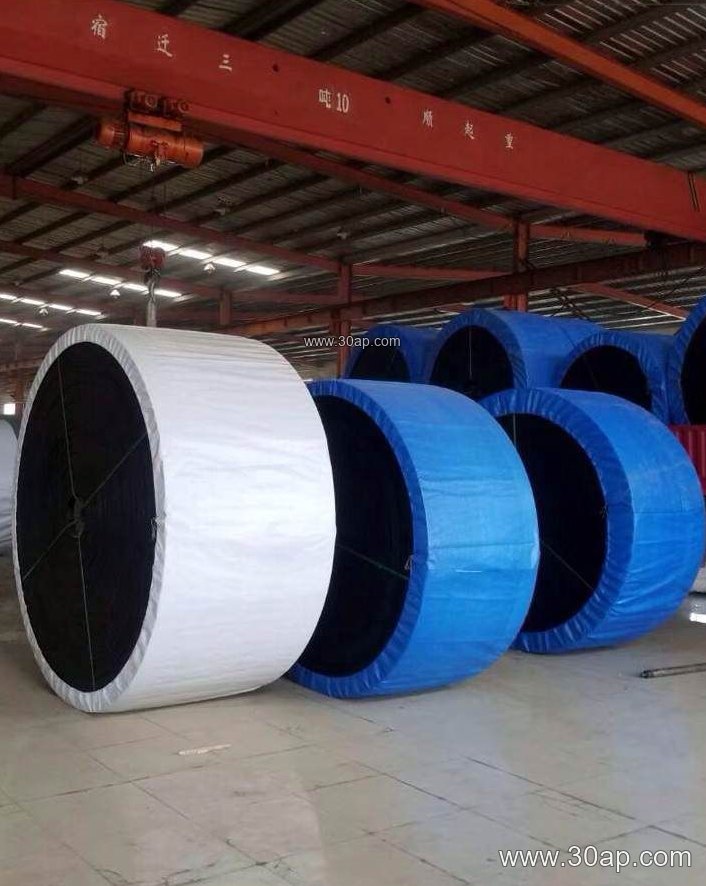
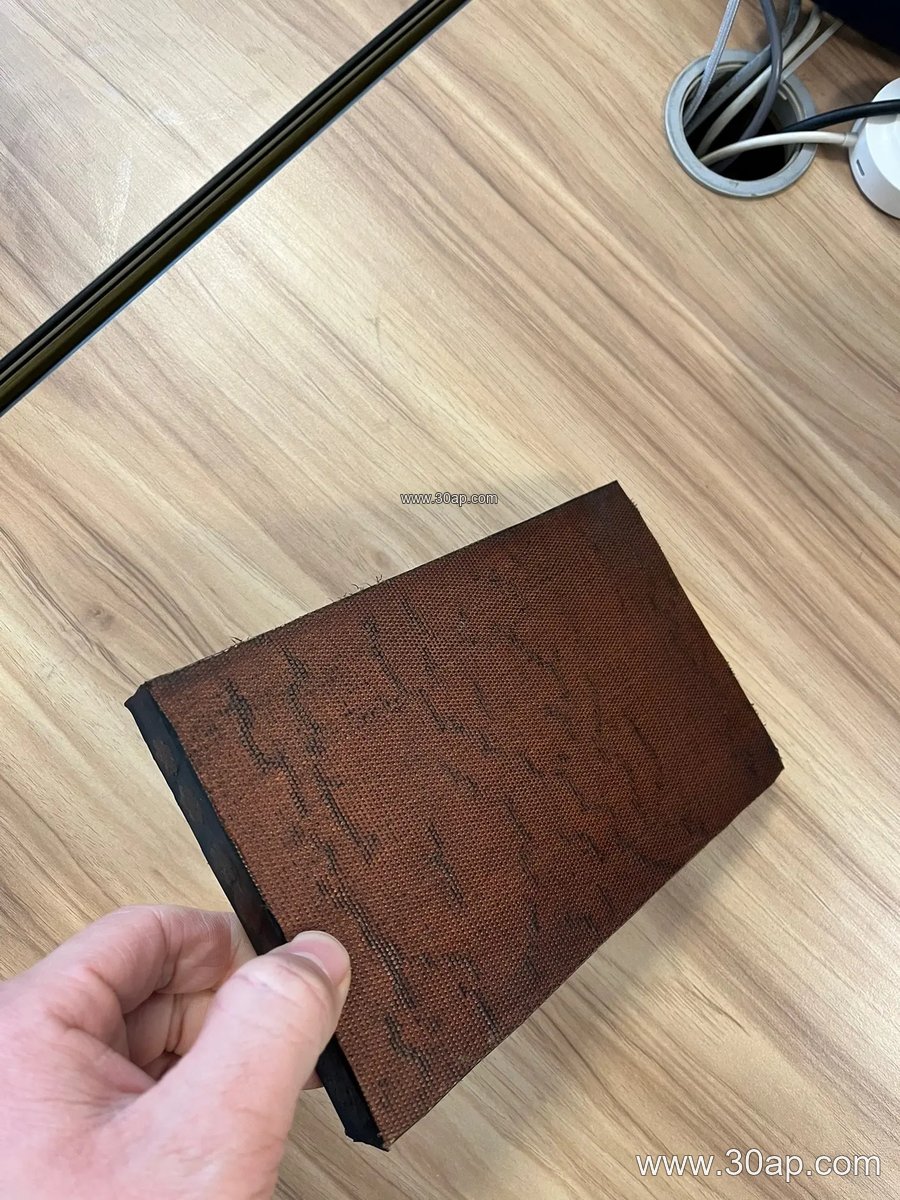
- EP conveyor belt uses polyester-nylon fabric plies. Common strength grades include EP200, EP400, EP630, EP1000, and EP1250, and multi-ply fabric core conveyor belt builds are typical for primary and secondary crushing circuits.
- NN conveyor belt uses nylon-nylon plies and offers good fatigue resistance where the belt runs over many pulleys.
- Steel cord conveyor belt uses brass-plated steel wires for long, high-tension routes. Grades such as ST1000, ST1600, and ST2500 appear in long overland and incline conveying.
- PVG and PVC conveyor belt constructions are common in underground coal mining conveyors where flame retardant behavior is required.
Cover compounds are matched to the duty. Abrasion resistant conveyor belt covers handle sharp, dry ore; heat resistant conveyor belt covers suit sinter or clinker-adjacent duty; oil resistant and flame retardant grades cover special cases. Cover thickness is commonly quoted as top plus bottom, for example 5+2 mm or 6+2 mm, and 8+3 mm for very severe impact zones.
Where the Belt Is Used
These belts appear across mining, coal, cement, power, and aggregate operations. In an iron ore conveyor belt line, the belt may run from a primary crusher to a screening plant. A copper ore conveyor belt often works in wet, abrasive conditions, so cover hardness and splice quality matter. Gold mining conveyor belt installations usually combine short transfer belts with longer stockpile feeds. Quarry conveyor belt and aggregate conveyor belt systems use similar constructions for crushed stone and sand. Port and ship loading conveyor belt routes favor high-strength steel cord belts for long lifts, while cement plant conveyor belt and steel plant conveyor belt lines often need heat or abrasion resistance. A crusher conveyor belt must absorb impact at the loading point, so impact idler roller sets and adequate cover thickness are part of the same design decision.
Key Dimensions and Reference Data
Belt width, strength grade, and cover thickness are selected from the conveyor design, not from a single fixed rule. A wider belt does not automatically dictate one pulley diameter, and shaft size is calculated from torque and load rather than width alone. The table below lists commonly referenced values; treat them as design references only.
| Parameter | Common Reference Values |
|---|---|
| Belt width | B500, B650, B800, B1000, B1200, B1400, B1600, B1800, B2000 |
| EP strength grades | EP200, EP315, EP400, EP500, EP630, EP800, EP1000, EP1250, EP1600, EP2000 |
| Steel cord grades | ST1000, ST1250, ST1600, ST2000, ST2500, ST3150 |
| Cover thickness | 3+1.5, 4+2, 5+2, 6+2, 8+3 mm |
| Fabric plies | 2 to 6 layers, depending on grade and width |
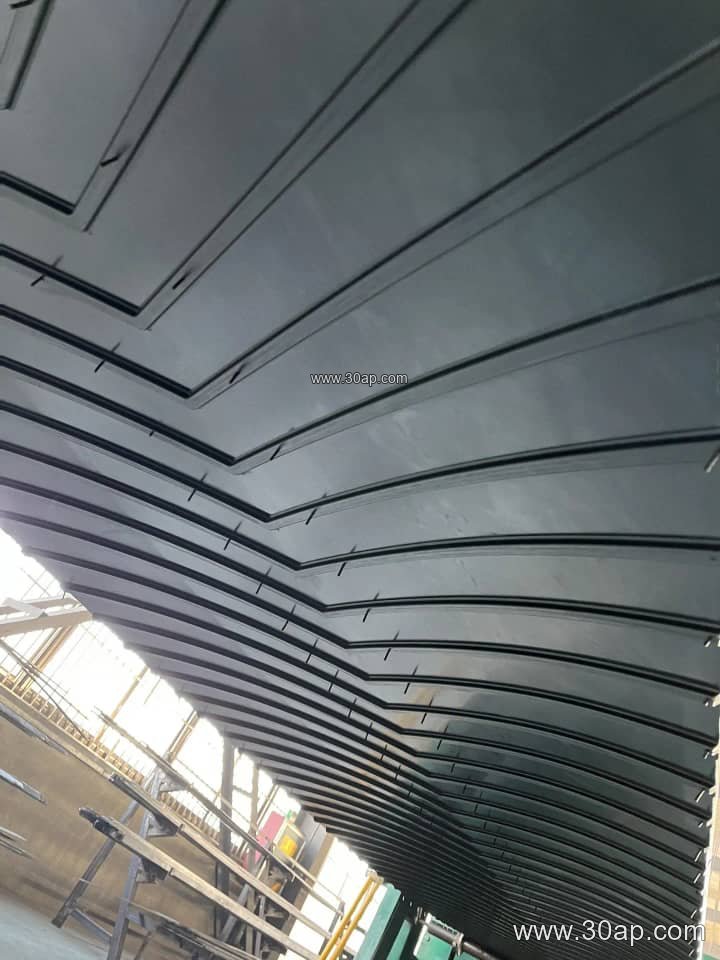
Special profiles change the cross-section rather than the base grade. Chevron conveyor belt and corrugated sidewall conveyor belt designs help on steep inclines, and skirted conveyor belt edges contain material at transfer points. Pipe conveyor belt and endless conveyor belt constructions serve enclosed routing and reduced splice count respectively.
Buyer Checklist
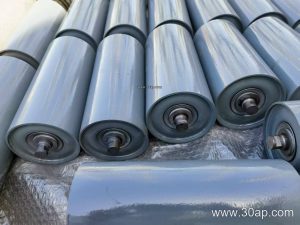
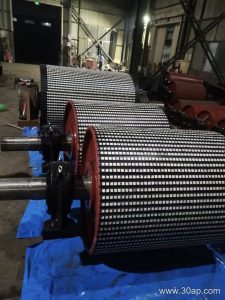
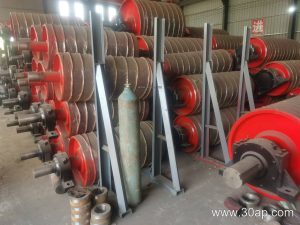
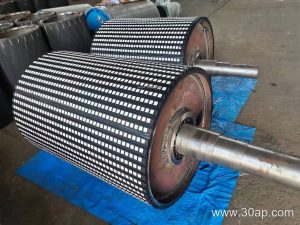
Start with the material: lump size, moisture, temperature, and abrasiveness decide the cover compound and thickness. Then confirm the duty tension to select the carcass grade, and check whether flame retardant or anti-static properties are required for the site. Review the pulley and idler roller arrangement with the conveyor designer, since drive pulley, tail pulley, and bend pulley each have a different role and are not interchangeable. Confirm the belt is supplied as an endless conveyor belt or as open length for field splicing, and ask for the splice method. Finally, match the conveyor bracket and frame dimensions to the belt width so clearance and troughing angles are correct.
For a smooth commissioning, keep spare belt sections, idler roller sets, and pulley lagging consistent with the original specification. A well-matched ore conveyor belt, combined with correct pulley alignment and regular inspection, keeps crushing and stockpile circuits running with fewer unplanned stops.