What a Galvanized Conveyor Bracket Does on the Line
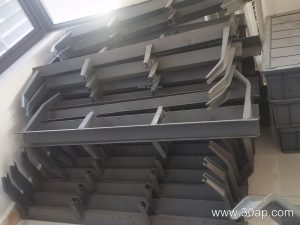
A galvanized conveyor bracket is the steel support that holds idler rollers at the correct angle and height along a conveyor frame. In a quarry, a cement plant, or a power plant coal yard, the bracket carries the load of the belt and the material while keeping the idlers aligned. The galvanized finish, usually a zinc coating applied after fabrication, helps the bracket resist rust in damp tunnels, wash-down areas, and coastal ports. The same product is often called a galvanized idler bracket or galvanized roller support bracket, and those names describe the same component.
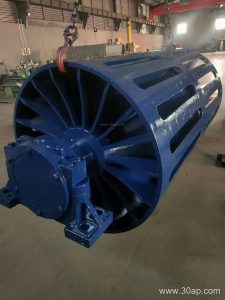
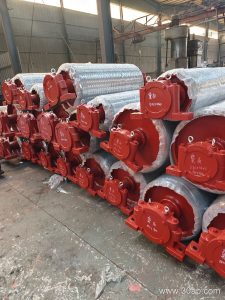
The bracket is a structural part, not a wear part like the belt itself. It works together with the conveyor belt, the conveyor pulley, and the idler roller to keep the line tracking and stable. If the bracket bends or corrodes, the idlers shift, the belt misaligns, and spillage increases.
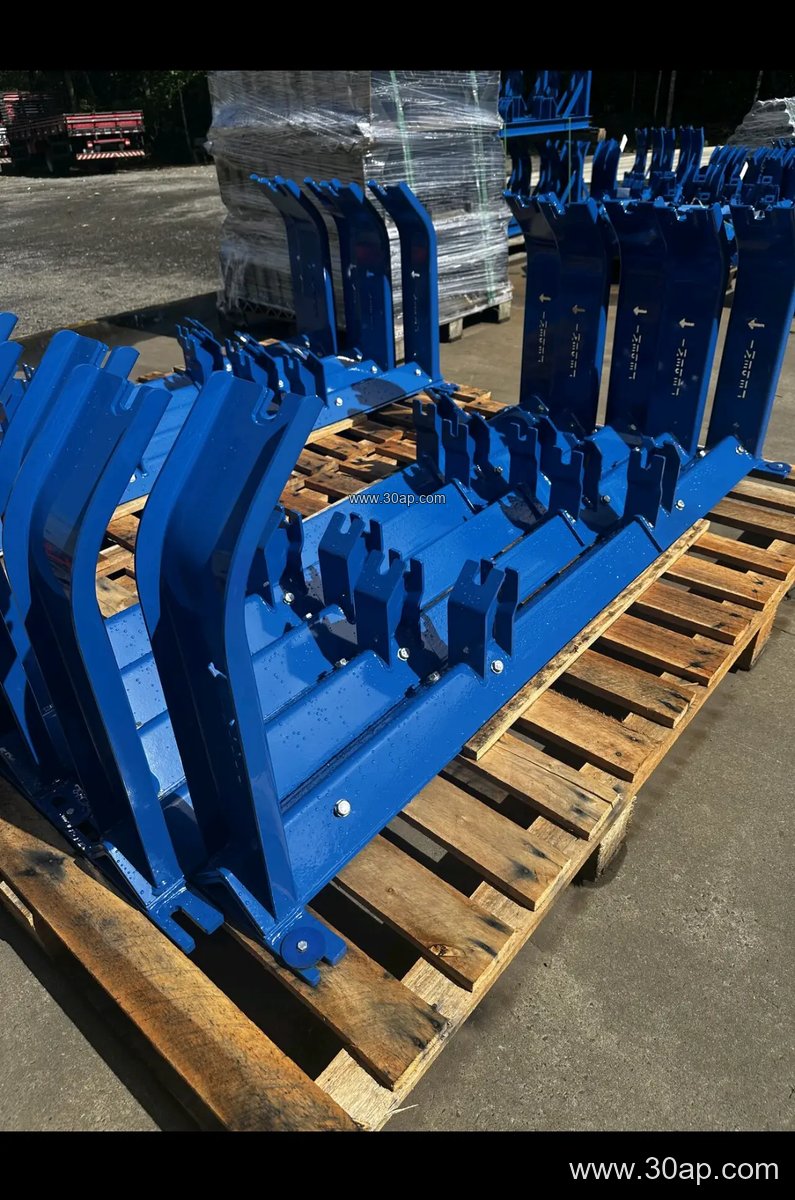
How the Bracket Is Built
Most brackets start as angle steel, channel steel, or folded steel plate. The fabricator cuts, punches, and welds the frame, then sends it through galvanizing so the zinc protects the edges and bolt holes. A well-made bracket has consistent hole spacing so the idlers sit square to the belt. Welds should be clean and the mounting face flat, because a twisted bracket is hard to align later.
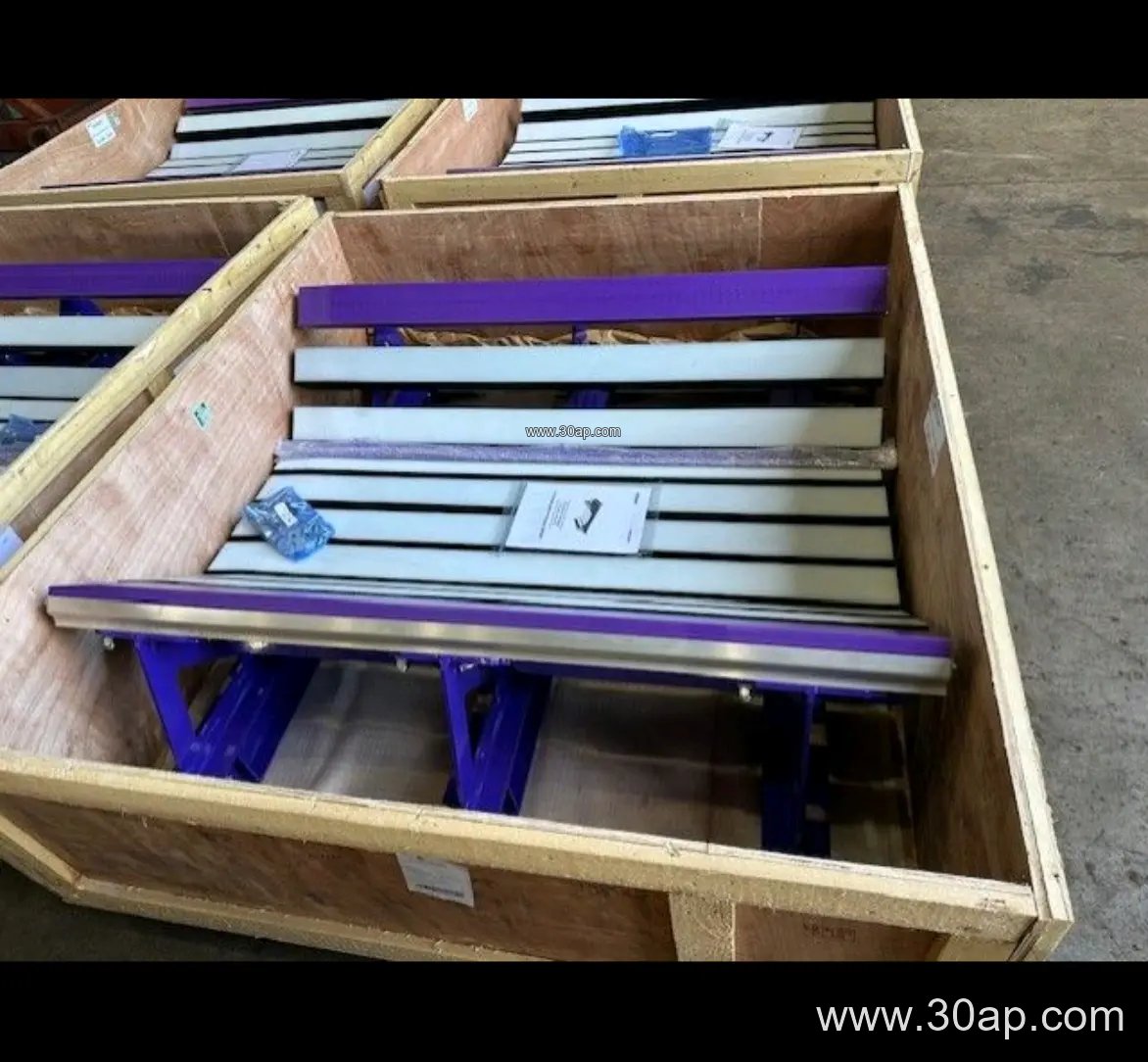
Galvanized conveyor bracket designs vary with the job. Common forms include troughing brackets for the carrying side, return brackets for the lower run, impact brackets under loading points, and self-aligning brackets that correct minor belt drift. Adjustable brackets let maintenance staff change the trough angle without replacing the frame.
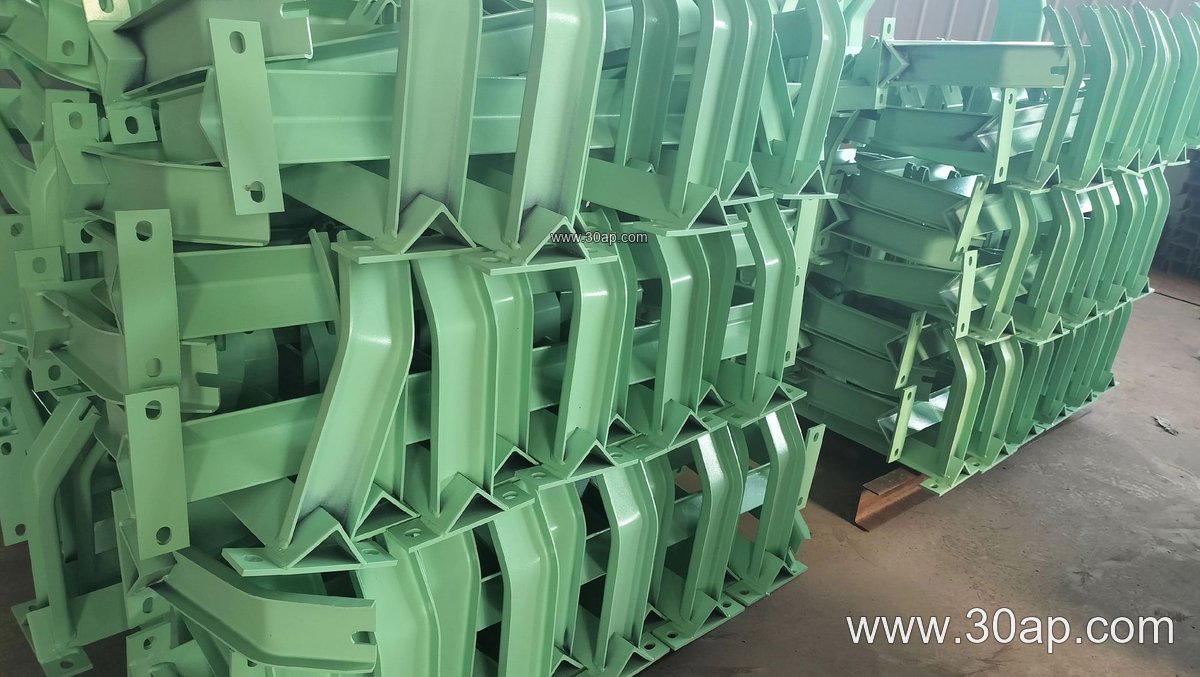
Trough Angle and Roller Diameter Choices
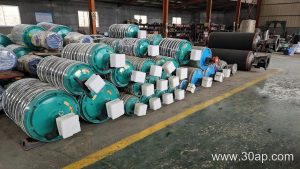
The trough angle controls how deep the belt sits and how much material it can hold. Common angles are 20, 30, 35, and 45 degrees. A wider belt does not force one angle; the choice depends on material, belt stiffness, and capacity. Roller diameter is matched to load and belt speed, with common sizes including Ø89, Ø108, Ø133, Ø159, and Ø194.
The table below shows typical reference combinations. These are examples, not fixed rules, and actual hole spacing and beam length follow the design.
| Belt Width | Common Trough Angle | Typical Idler Diameter | Typical Bracket Use |
|---|---|---|---|
| B500 | 20–30 degrees | Ø89 | Light aggregate, sand lines |
| B650 | 30 degrees | Ø89–Ø108 | Small quarry, mixing plant |
| B800 | 35 degrees | Ø108 | Cement, coal handling |
| B1000 | 35–45 degrees | Ø108–Ø133 | Ore, power plant coal |
| B1200 | 35–45 degrees | Ø133 | Heavy bulk, port loading |
| B1400 | 35–45 degrees | Ø133–Ø159 | Iron ore, large crushing |
| B1600 | 35–45 degrees | Ø159 | Mining and steel plant lines |
| B1800–B2000 | 35–45 degrees | Ø159–Ø194 | High capacity bulk terminals |
Where Galvanized Brackets Fit in the Plant
In a limestone quarry or stone crushing line, galvanized troughing brackets support the belt that carries crushed rock from the crusher to the screen. In a coal-fired power plant, they hold idlers under a flame retardant conveyor belt on the coal yard and transfer houses. In a cement plant, they appear on clinker and raw meal lines where dust and moisture are constant. A ship loading terminal may use them on the jetty, where salt air makes corrosion resistance valuable.
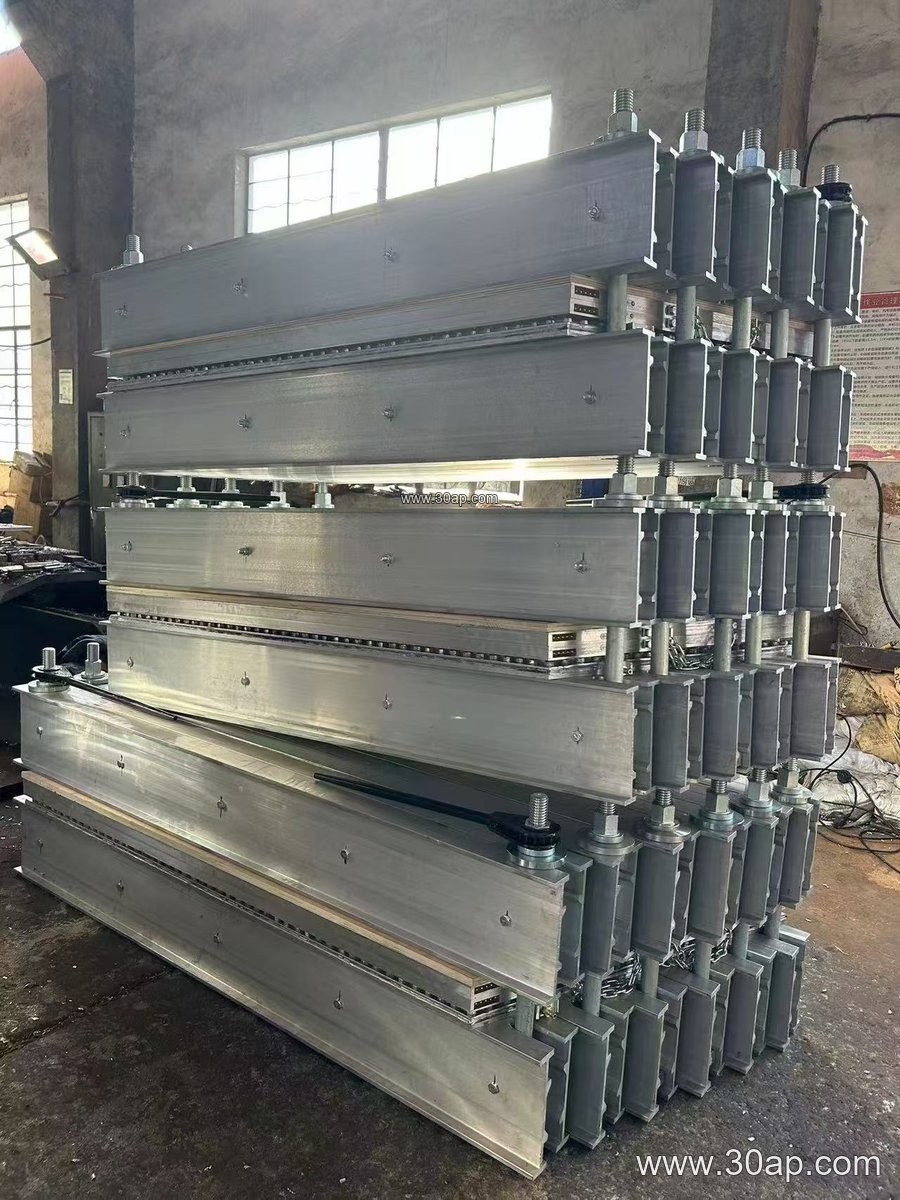
On a wash plant or a fertilizer store, the zinc coating helps the bracket survive damp conditions that would rust plain painted steel. On a heavy-duty mining conveyor, the bracket must be strong enough for a steel cord conveyor belt and large lumps, so plate thickness and weld quality matter more than the coating alone.
Buyer Checklist
- Confirm the belt width and trough angle, then check that the bracket hole pattern matches the idler frame.
- Ask for the steel thickness and galvanizing method; thin brackets deflect under load.
- Check roller diameter compatibility, since the bracket cradle and clamp must fit the idler shaft.
- For impact zones, specify a reinforced impact bracket rather than a standard troughing unit.
- For long overland lines, consider adjustable brackets so trough angle can be tuned after installation.
- Confirm that mounting bolts and frame contact faces are flat and free of excess zinc build-up.
For matching components, buyers often review the conveyor pulley, idler roller, and belt specification together with the bracket drawing. A bracket that fits the conveyor frame but not the idler shaft will slow installation. When ordering, state the belt width, trough angle, roller diameter, and mounting hole spacing, and ask the supplier to confirm the drawing before production.