Why the Conveyor Bracket Demands Precision
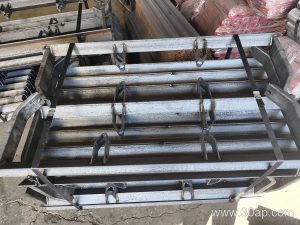
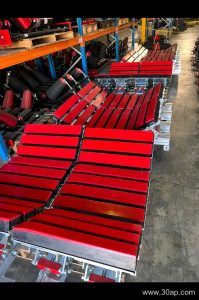
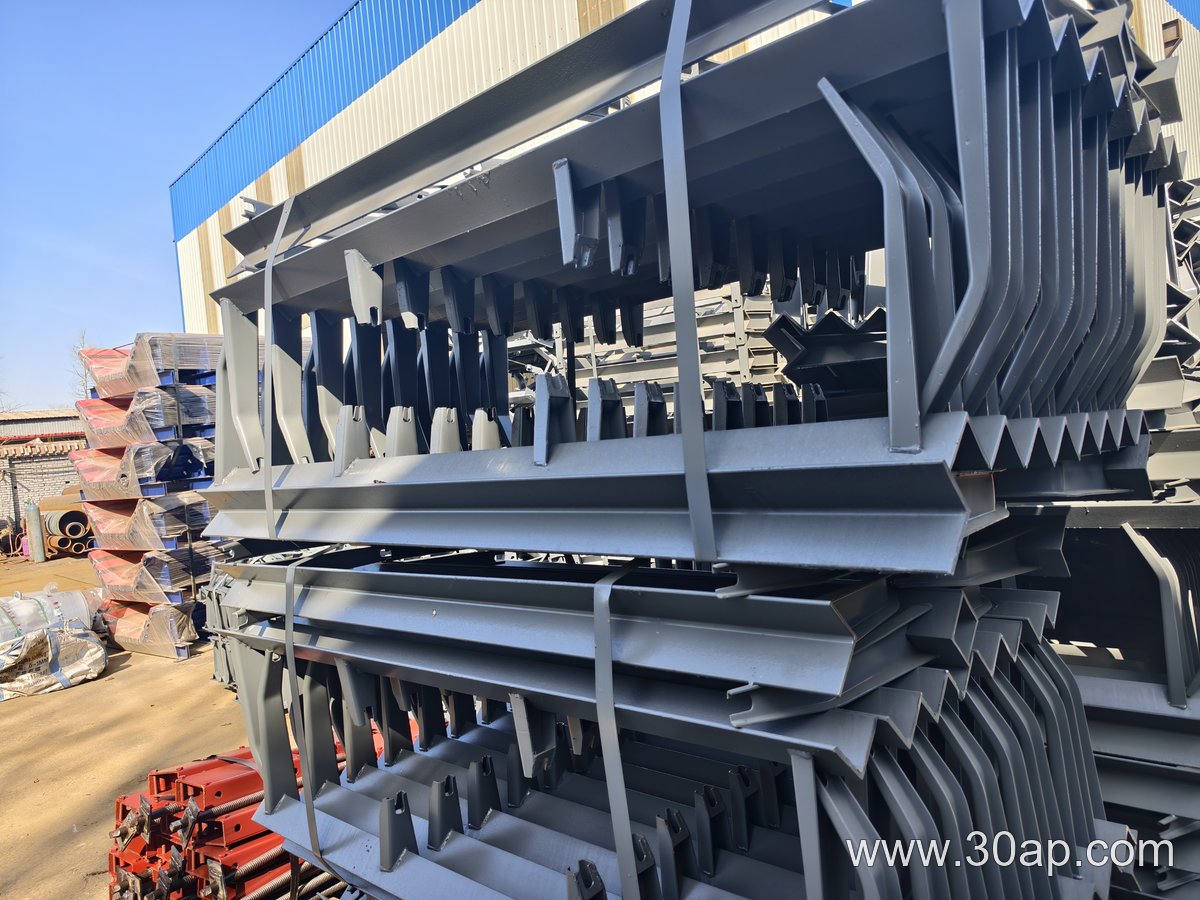
The conveyor bracket is not a passive accessory—it is the structural hinge that aligns rollers, absorbs dynamic shock, and prevents frame sag. A mis-specified bracket leads to belt drift, premature bearing wear, and costly downtime.
Selecting the Right Conveyor Bracket
- Material: Choose galvanized steel for wet or corrosive environments; stainless for food-grade; aluminum for lightweight, low-load lines.
- Slot geometry: Verify slotted holes allow ±5 mm adjustment for belt tracking without re-drilling.
- Load rating: Always match the bracket’s static capacity to 1.5× your maximum dynamic load per roller.
- Weld vs. bolt-on: Bolt-on brackets simplify retrofits; welded types suit fixed, high-vibration stations.
Purchasing Advice
Request a sample and test alignment with your exact roller diameter. Confirm the bracket’s center distance tolerance (typically ±0.5 mm) before bulk ordering. Check for replaceable wear inserts—they extend service life by 300%.
Why the Conveyor Belt Defines Your Material Handling Efficiency
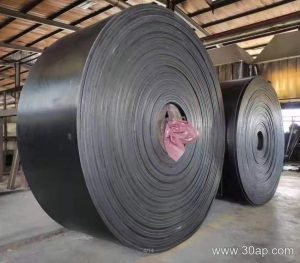
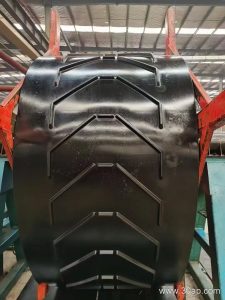
The conveyor belt is the single most critical component in any bulk or unit-load transport system. Its surface, carcass, and cover compound directly determine throughput, maintenance intervals, and energy consumption.
Key Selection Criteria for Conveyor Belts
When specifying a conveyor belt, evaluate these factors against your operational profile:
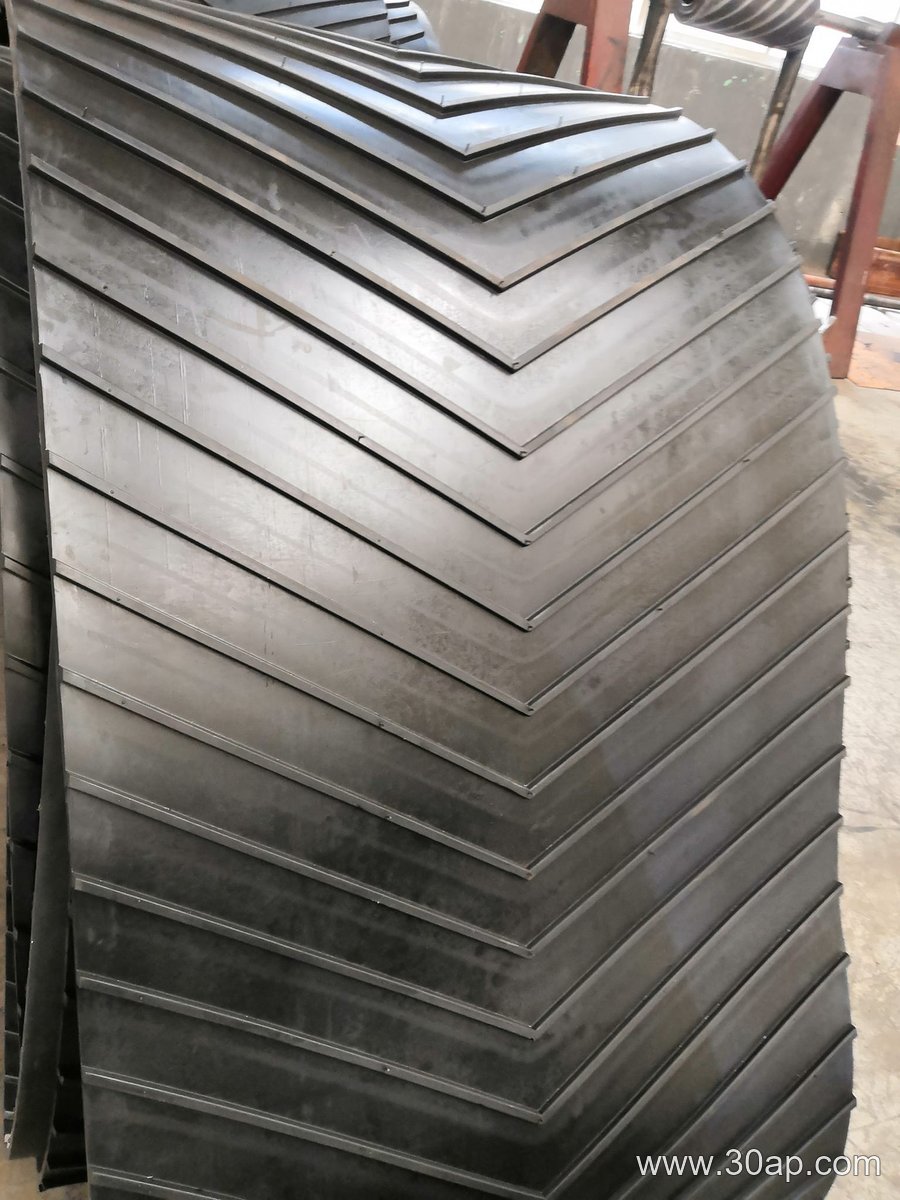
- Material characteristics: Abrasiveness, temperature, oil content, and lump size dictate cover grade (e.g., abrasion-resistant, heat-resistant, or oil-resistant rubber).
- Tensile strength: Match the belt’s breaking strength to the maximum tension from start-up and loaded running conditions, using safety factors per DIN or ISO standards.
- Belt construction: Choose multi-ply or steel-cord reinforcements based on distance and load—steel-cord suits long, high-tension routes, while fabric belts fit shorter, lighter duties.
- Environmental exposure: For outdoor, UV-rich sites or chemical washdowns, specify covers with enhanced weathering and hydrolysis resistance.
Practical Purchasing Advice
Always request a belt sample and technical datasheet before ordering. Verify the belt’s minimum pulley diameter and troughability to avoid premature fatigue. For retrofit projects, measure existing belt thickness, width, and splice type. Finally, consider lifecycle cost over upfront price—a premium conveyor belt with lower rolling resistance often pays back within a year through reduced electricity and fewer replacements.
Why the Idler Roller Dictates System Performance
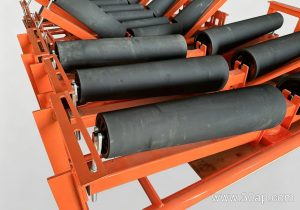
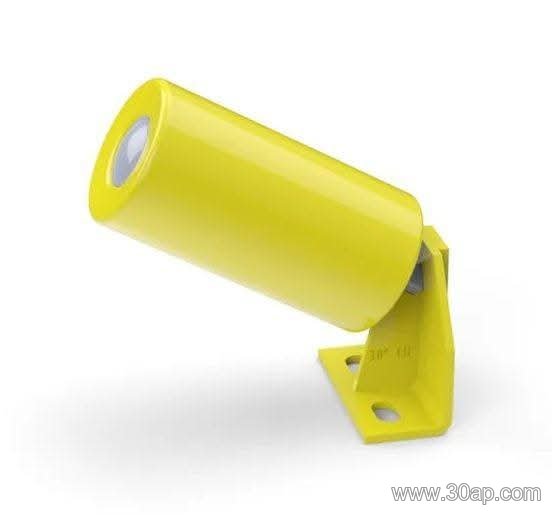
The idler roller is the unsung workhorse of any bulk material handling line. Its job is to support the belt and cargo while minimizing friction and misalignment. A poorly selected roller accelerates belt wear, increases energy consumption, and causes costly downtime.
Key Selection Criteria
- Load rating: Match the roller’s dynamic capacity to your peak tonnage, not just average flow.
- Shell material: Steel for abrasive materials, HDPE for corrosive or sticky loads, and rubber-coated when impact or noise is a concern.
- Bearing type and seal: Choose sealed, greased bearings with labyrinth seals for dusty or wet environments to extend service life.
- Diameter and trough angle: Larger diameters reduce belt sag, while proper troughing (20°, 35°, 45°) ensures centered loading.
Purchasing Advice
Always request the manufacturer’s deflection and runout specifications. Verify that the idler roller’s shaft and frame fit your existing conveyor dimensions. For high-speed lines, insist on dynamically balanced rollers to prevent vibration. Finally, compare total cost of ownership—cheaper rollers often require more frequent replacement and belt repair.
Why the Conveyor Pulley Defines System Reliability
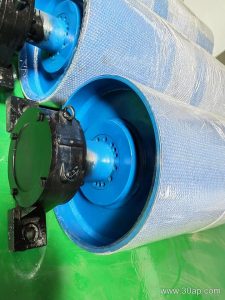
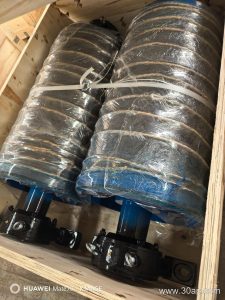
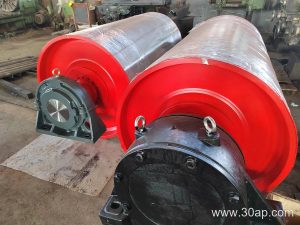
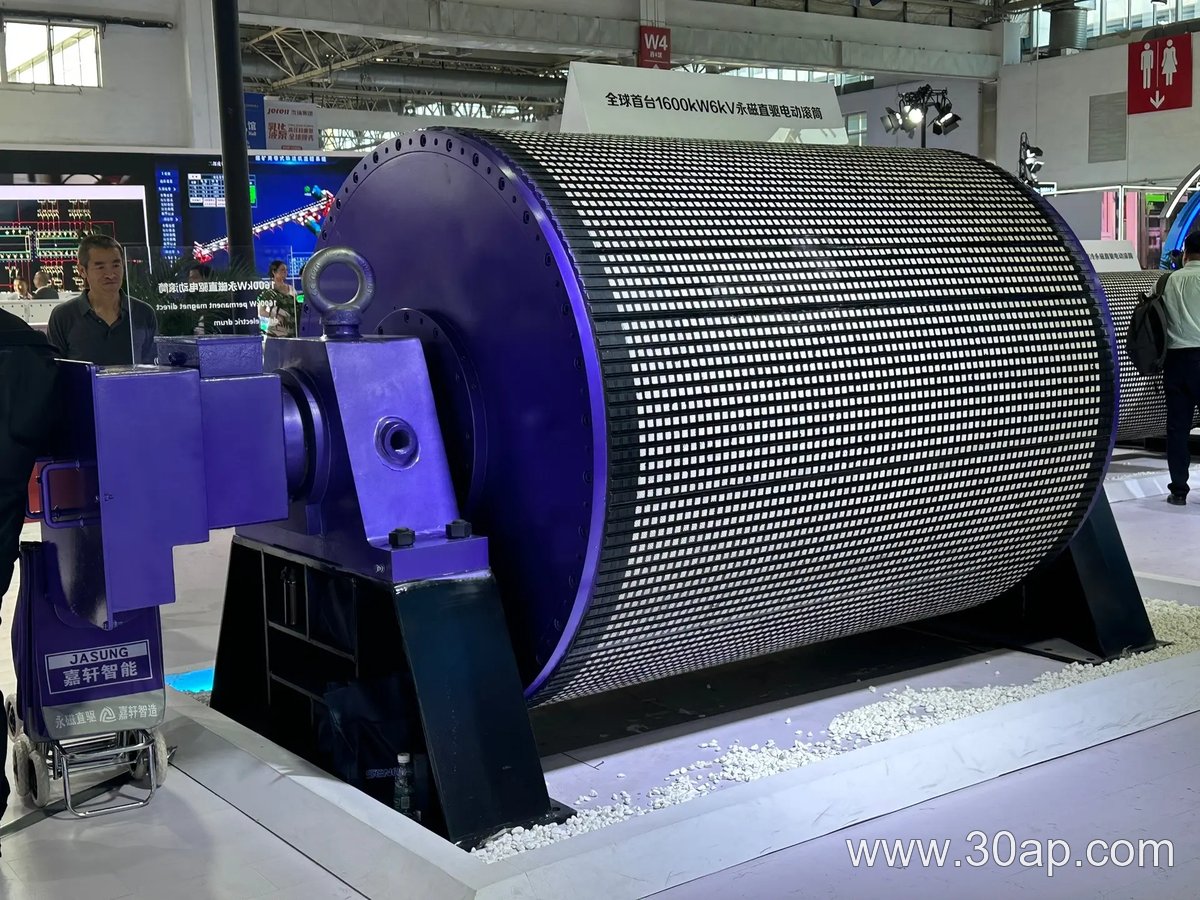
The conveyor pulley is far more than a simple cylinder; it is the engineered component that drives belt tension, tracking, and torque transfer across the entire material handling line. A poorly selected pulley causes slippage, belt misalignment, and premature bearing failure.
Key Selection Criteria for Industrial Buyers
- Load & diameter: Match pulley diameter to belt speed and tension to avoid flex fatigue.
- Lagging type: Choose ceramic lagging for high-grip wet conditions or rubber for standard abrasive environments.
- Shaft & hub design: Verify keyed or locking-element hubs against starting torque and shock loads.
- Crowning: Ensure crowned face profiles on drive pulleys to maintain self-centering of the belt.
Purchasing Advice for Long-Term Value
Always request a pulley with balanced weldments and certified concentricity. Inspect the shell thickness and end disc weld quality. For heavy-duty applications, specify a pulley with a live shaft or bore-mounted design that simplifies maintenance. Finally, buy from a supplier that offers finite element analysis (FEA) reports—this confirms the pulley will withstand your specific belt tension without deflection.