What an 800mm Diameter Conveyor Pulley Is
An 800mm diameter conveyor pulley is a large-diameter drum used to drive, tension, or redirect a conveyor belt in heavy bulk handling systems. At this size, the pulley is typically found at the head or discharge end of a main haulage conveyor, where high wrap angle and torque transmission are needed. It is not simply a scaled-up small pulley; the shell, shaft, hubs, and lagging are engineered together to handle the belt pull and radial loads of a fully loaded conveyor.
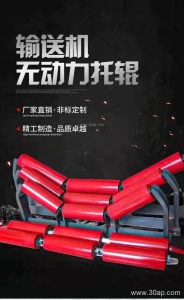
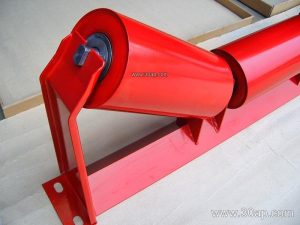
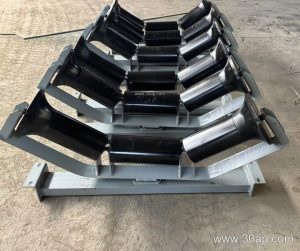
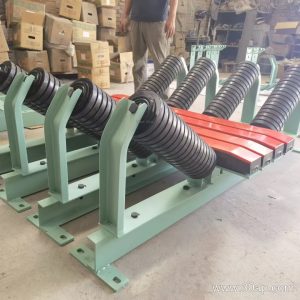
Buyers often search for this size when upgrading a primary crusher discharge conveyor, a plant feed conveyor, or a long overland line. In those positions the pulley works alongside the conveyor belt, idler roller sets, and conveyor bracket assemblies, so its dimensions must match the surrounding structure rather than stand alone.
Construction Details That Matter
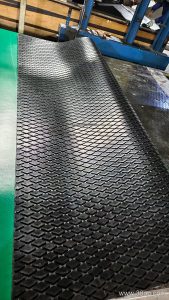
A pulley of this diameter usually has a welded steel shell, with the shaft connected through hubs or end discs. Common surface forms include plain finish, hot-vulcanized rubber lagging, cold-bonded rubber, diamond grooving, herringbone grooving, and ceramic lagging. Lagging thickness is often 8, 10, 12, 15, or 20 mm depending on grip and wear requirements.
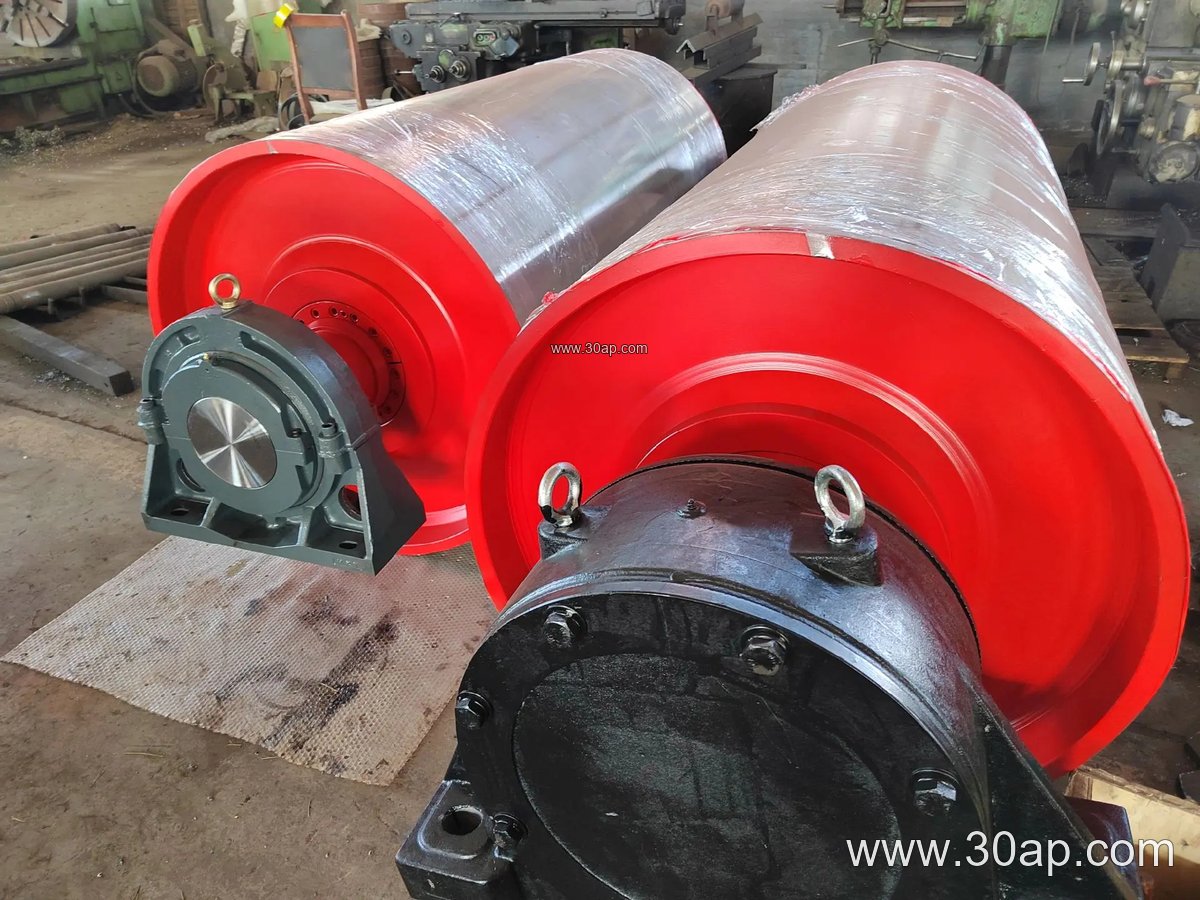
Because the drum is large, the shaft diameter is determined by torque and bearing load, not by belt width alone. Typical shaft sizes in this class may range from Ø120 to Ø200, but the final value must come from the pulley design calculation. The same logic applies to the shell length, which is normally wider than the belt to keep the belt centered.
Where It Fits in a Conveyor
The 800mm diameter pulley is most often used as a head or drive pulley on high-capacity lines. It may also appear as a tension pulley on a long incline or as a bend pulley where the belt path needs a gentle curve. These roles are different: a drive pulley transmits power, a tail pulley returns the belt, and a bend pulley changes direction. They should not be treated as interchangeable, because each has its own load case and lagging requirement.
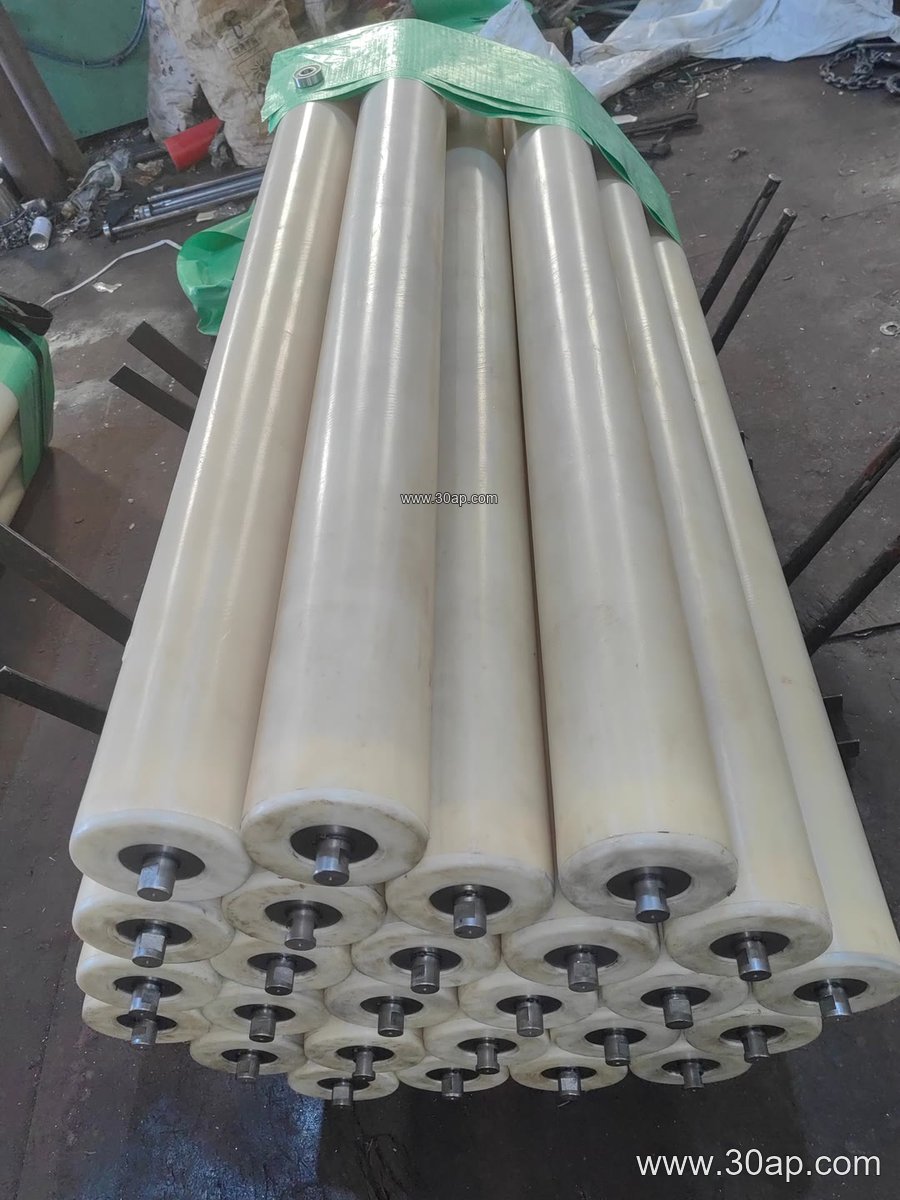
Typical duty locations include a quarry primary crushing station, an iron ore transfer point, a coal washing plant feed line, a cement plant clinker conveyor, and a power plant coal handling system. In these settings, abrasive dust and continuous operation make lagging quality and bearing protection important.
Matching Belt Width and Pulley Size
An 800mm diameter pulley can be paired with several belt widths, and no single belt width is locked to this diameter. The table below shows common reference combinations; actual selection depends on belt tension, speed, and conveyor geometry.
| Belt width | Typical pulley face width | Reference pulley diameter |
|---|---|---|
| B800 | about 950 mm | Ø500 to Ø800 |
| B1000 | about 1150 mm | Ø630 to Ø800 |
| B1200 | about 1400 mm | Ø800 to Ø1000 |
| B1400 | about 1600 mm | Ø800 to Ø1250 |
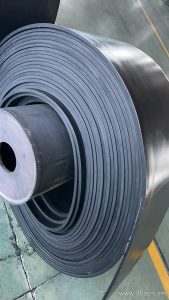
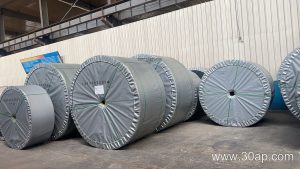
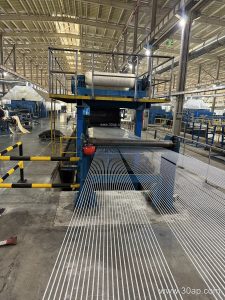
These are reference values, not fixed rules. A B1200 conveyor may use a Ø1000 pulley, while a B1400 line may run a Ø800 pulley at a lower tension. The belt construction also matters: a heavy steel cord conveyor belt or a multi-ply fabric core conveyor belt changes the allowable bend radius and the load on the drum.
Buyer Checklist
- Confirm the pulley role: drive, tail, bend, or tension. Each has a different design focus.
- Provide belt width, belt type, and maximum operating tension so the shell and shaft can be sized correctly.
- Specify lagging form and thickness, for example 12 mm diamond rubber or ceramic lagging for abrasive ore.
- Check bearing size, shaft diameter, and keyway dimensions against the conveyor bracket and drive arrangement.
- Review the interface with the conveyor belt, idler roller spacing, and transition distance to avoid belt tracking problems.
For abrasive service such as a quarry conveyor belt line or a copper ore conveyor, abrasion resistant lagging and sealed bearings are usually worth discussing early. For coal mining conveyor belts, flame retardant and anti-static properties of the belt are separate from the pulley, but the two must work as one system. A pulley supplier should ask about the belt, not just the drum size.
Installation and Maintenance Notes
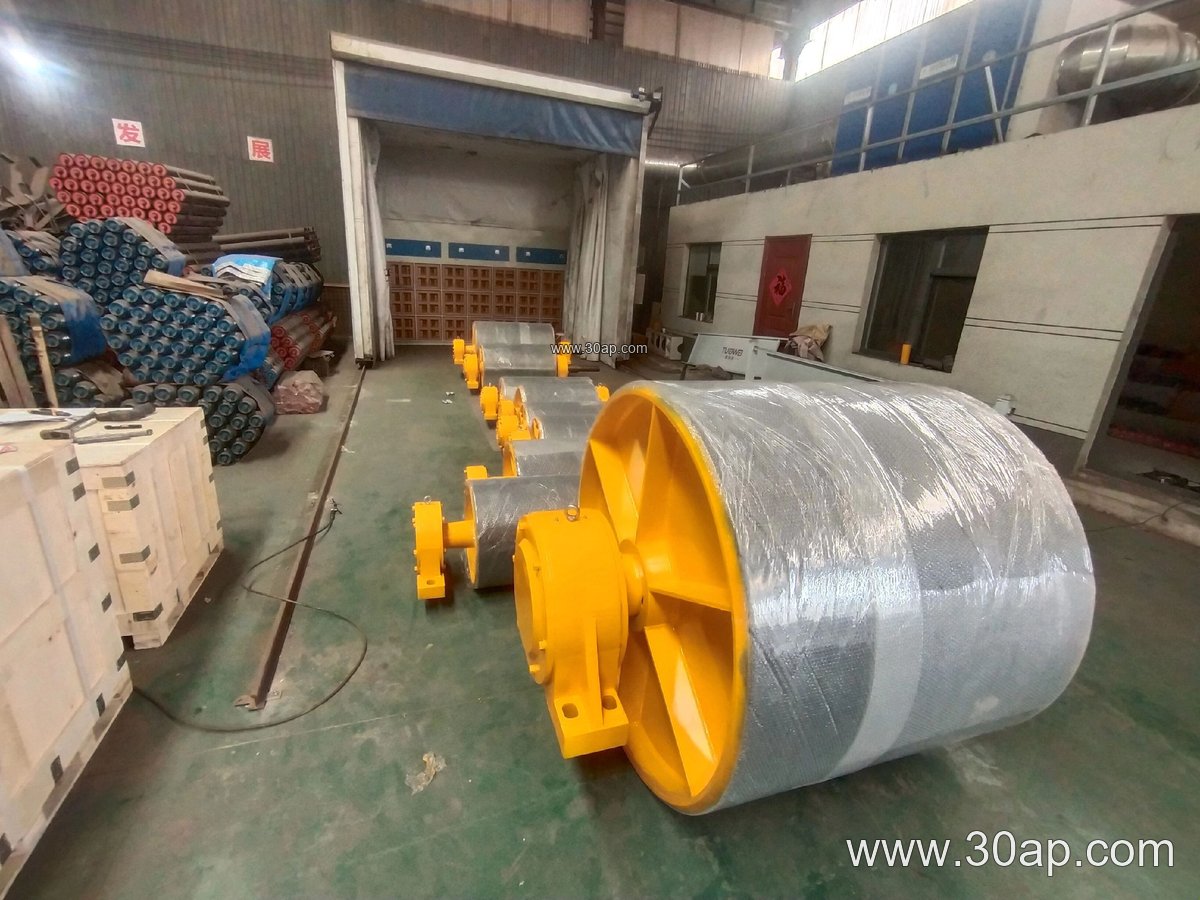
Large pulleys need careful alignment during installation. Check that the shaft is level, the bearing housings sit squarely on the conveyor bracket, and the lagging surface is clean before the belt is tensioned. After the first weeks of operation, recheck bolt torque and lagging wear. Uneven lagging wear often points to belt misalignment or a worn idler roller nearby, not to the pulley alone.
Keep spare lagging sheets and fasteners on hand for high-wear plants. When replacing lagging, match the original groove pattern and thickness so the belt path does not change. Regularly inspect the shell for cracks and the shaft for corrosion, especially in wash plants and port bulk terminals.
Summary
An 800mm diameter conveyor pulley is a heavy-duty drum chosen for high-tension positions on bulk conveyors. Its correct selection depends on belt width, belt type, duty, lagging, and shaft load, not on a single fixed pairing. Used with the right conveyor belt and supporting idler roller and bracket layout, it can deliver reliable service in quarry, mining, cement, and power plant operations.