What an EP100 Conveyor Belt Is
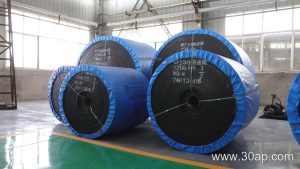
An EP100 Conveyor Belt is a fabric-cored rubber belt built around polyester (E) and polyamide or nylon (P) warp and weft yarns. The “100” refers to the nominal tensile strength of the carcass, commonly expressed as 100 N/mm per ply in the reference data used by many belt makers. It sits at the lighter end of the EP family, so it suits medium-duty conveying rather than the heaviest primary crushing circuits. Buyers who need more headroom often step up to EP200 or EP300, but for many quarry, cement and plant duties the EP100 grade is a sensible balance of strength, weight and cost.
Because the carcass is a Fabric Core Conveyor Belt construction, the belt tracks well, troughs cleanly over idler rollers and tolerates reasonably tight pulley diameters compared with a rigid Steel Cord Conveyor Belt. That flexibility is one reason EP fabric belts remain common on yard and in-plant conveyors.
Carcass, Covers and Build
The belt is usually supplied with 2 to 6 plies, and the ply count is chosen together with the cover grade. Cover rubber is the wearing surface, and typical top and bottom combinations such as 3+1.5 mm, 4+2 mm or 5+2 mm are common reference figures rather than fixed rules. A heavier cover makes sense where lumps, sharp edges or wet abrasive material attack the surface.
- Carcass: EP fabric plies bonded in rubber, giving strength in the warp direction and flexibility across the width.
- Top cover: selected for abrasion, heat, oil, flame or cold service as needed.
- Bottom cover: usually thinner, sized for the pulley side and troughing contact.
- Edges: cut or moulded, depending on the manufacturer and the splice method planned.
For demanding surfaces, an Abrasion Resistant Conveyor Belt cover is often specified on stone and aggregate duties, while a Heat Resistant Conveyor Belt grade is used near clinker or hot sinter. In coal and underground work, a Flame Retardant Conveyor Belt or Anti-Static Conveyor Belt construction may be requested. These are cover and compound choices applied to the same EP carcass family, not different products.
Where It Fits in the Plant
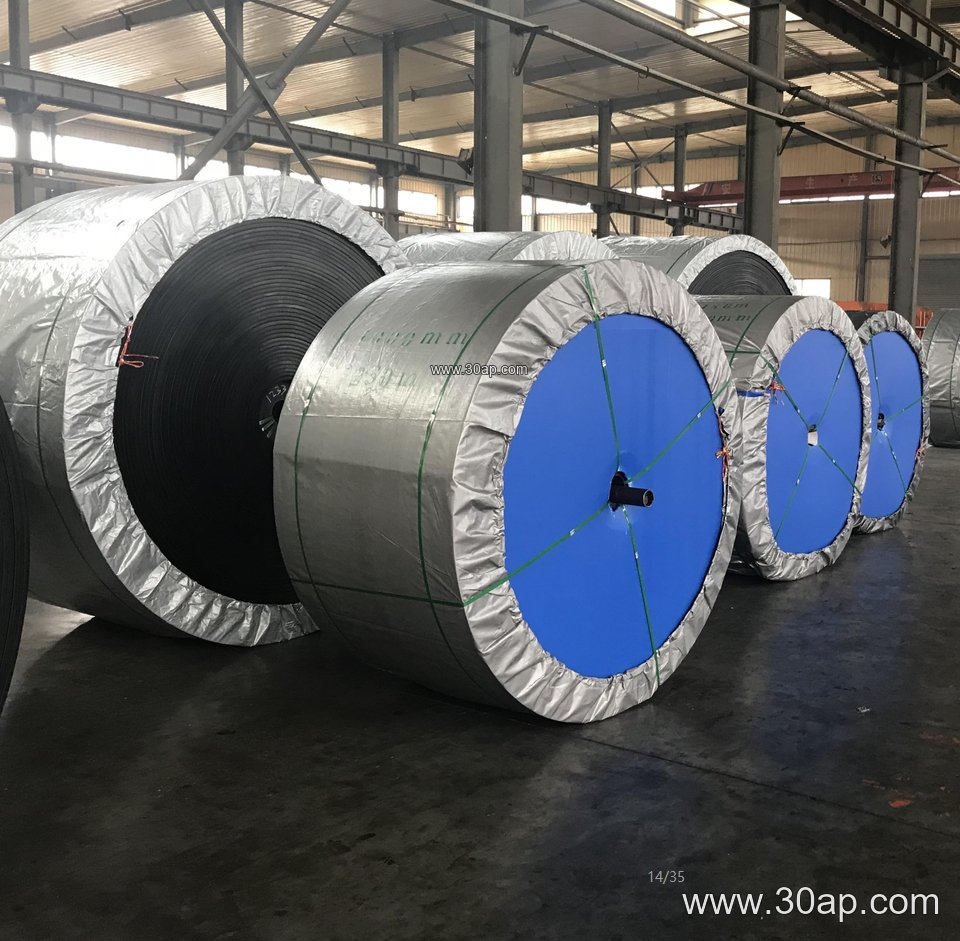
The EP100 Conveyor Belt turns up in a broad spread of industries: mines, coal preparation, cement plants, power stations, sand and gravel yards, and general bulk handling. It is often found on secondary and tertiary conveyors, transfer belts, stockyard feed lines and screen discharge belts where the duty is steady but not extreme. In a quarry, it may carry crushed rock from a screen to a stockpile; in a cement plant, it may move limestone, clay or clinker on a medium-duty line.
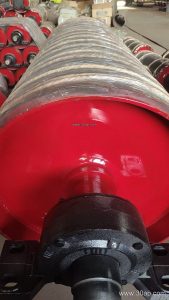
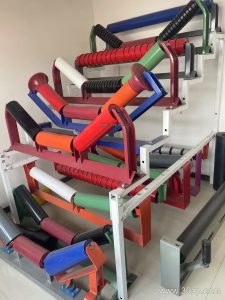
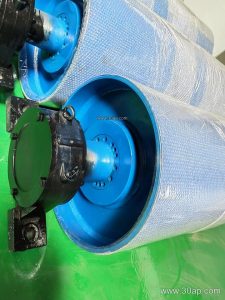
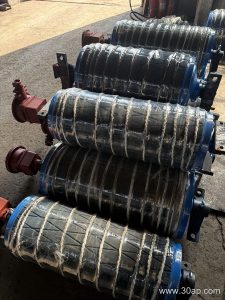
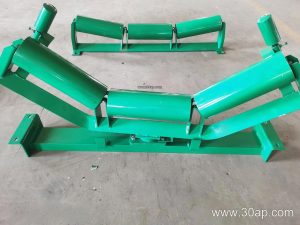
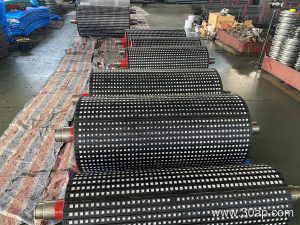
On these conveyors the belt works with conveyor pulleys at the drive and tail positions, a series of idler rollers supporting the load, and conveyor brackets holding the structure together. The belt width should be matched to the load and the troughing arrangement, not chosen in isolation. Common reference widths include B500, B650, B800, B1000, B1200, B1400, B1600, B1800 and B2000, with the final figure set by the conveyor design.
Specification Snapshot
The table below shows reference values often used when discussing an EP100 belt. Treat them as starting points for a specification discussion, since different manufacturers build to their own tolerances.
| Parameter | Common Reference |
|---|---|
| Carcass type | EP fabric, 2 to 6 plies |
| Nominal strength | EP100 grade, about 100 N/mm per ply |
| Belt width | B500 to B2000, selected by design |
| Cover thickness | 3+1.5, 4+2, 5+2, 6+2, 8+3 mm |
| Cover options | Abrasion, heat, oil, flame, cold, anti-static |
| Splice | Mechanical or vulcanised, per belt and site |
Note that belt width and pulley diameter are separate design decisions. A 1000 mm belt does not automatically imply a particular pulley size, and shaft diameter must be calculated from the actual conveyor loads.
Buyer Checklist
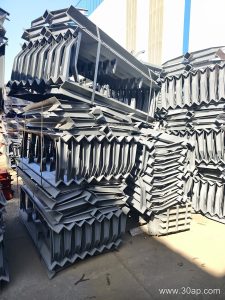
Before ordering, confirm the material being carried, its lump size, temperature and moisture, plus the conveyor length, incline and tonnage. Ask whether the belt will run on a fixed or movable structure, and whether a Chevron Conveyor Belt or Corrugated Sidewall Conveyor Belt is needed for steep sections. The answer affects cover choice and carcass grade far more than the nominal strength figure alone.
Also check the pulley diameters at the drive, tail and bend positions, the idler roller spacing and the take-up arrangement. A belt that is too stiff for the smallest pulley will fatigue early, while one that is too light for the load will stretch and splice poorly. For heavy primary circuits, comparing EP100 against EP200 or a Steel Cord Conveyor Belt is worthwhile; for lighter in-plant runs, the EP100 grade keeps weight and power demand modest.
Finally, plan storage and splicing. Rubber belts should be kept shaded, off damp ground and away from ozone sources, and the splice should match the belt’s intended duty. When the specification is clear, an EP100 belt is a dependable, straightforward choice for many bulk conveying lines.