What a Gold Mining Conveyor Belt Has to Handle
A gold mining conveyor belt moves more than rock. In hard rock operations it carries coarse blasted ore from the crusher discharge to the mill feed, and in heap leach circuits it stacks crushed material onto pads where chemical solutions later percolate through. The belt also handles concentrate, tailings, lime, cement, and reagent solids. Each stream brings its own challenges: sharp freshly fractured rock, abrasive silica dust, occasional oil drips from loaders, and in some underground workings the need for flame retardant and anti-static properties.
The working environment is rarely gentle. Ambient temperatures swing from cold mornings to hot afternoons, stockpiles shed grit onto the return strand, and impact at transfer points punishes the carcass. A belt specified for a quarry or a coal mine may look similar, but the duty on a gold plant is often a mix of high abrasion, heavy impact, and moderate heat, so the cover compound and carcass design deserve close attention.
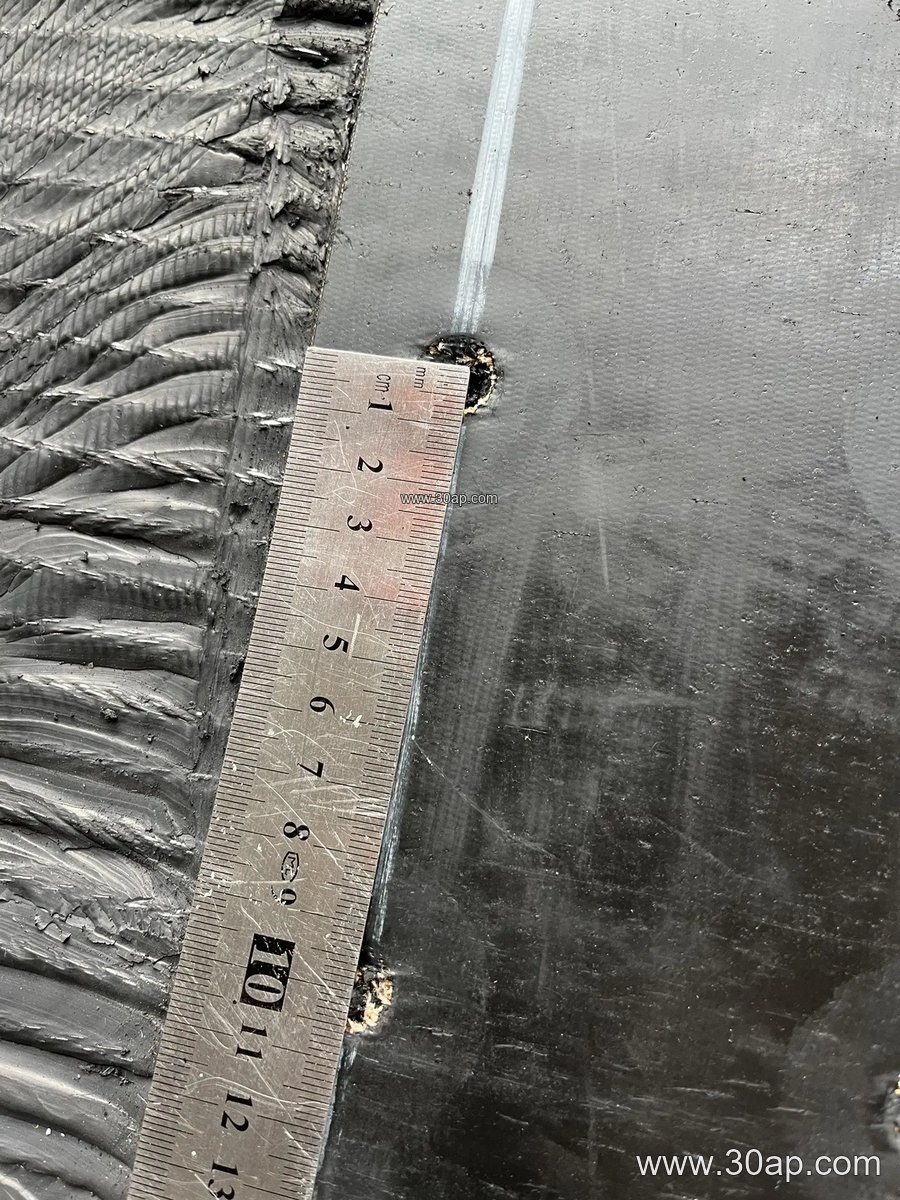
Construction of the Belt
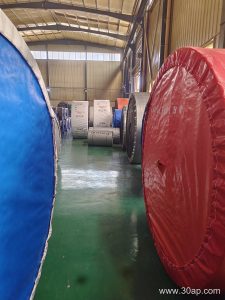
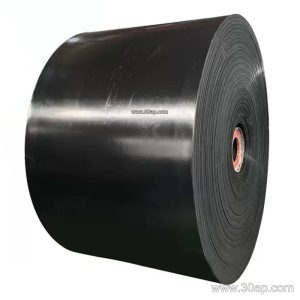
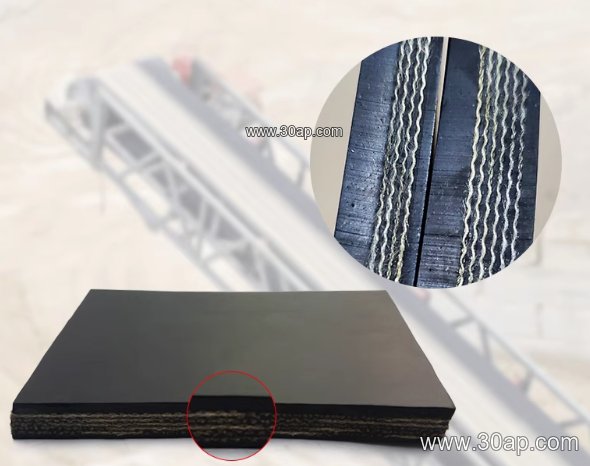
Most gold mining conveyor belts are fabric-reinforced or steel cord constructions. The carcass provides tensile strength and resistance to elongation, while the top and bottom covers protect it from cutting, abrasion, and moisture. Common carcass options include EP conveyor belt (polyester warp, nylon weft), NN conveyor belt (all nylon), and steel cord conveyor belt for long overland runs and high tonnage.
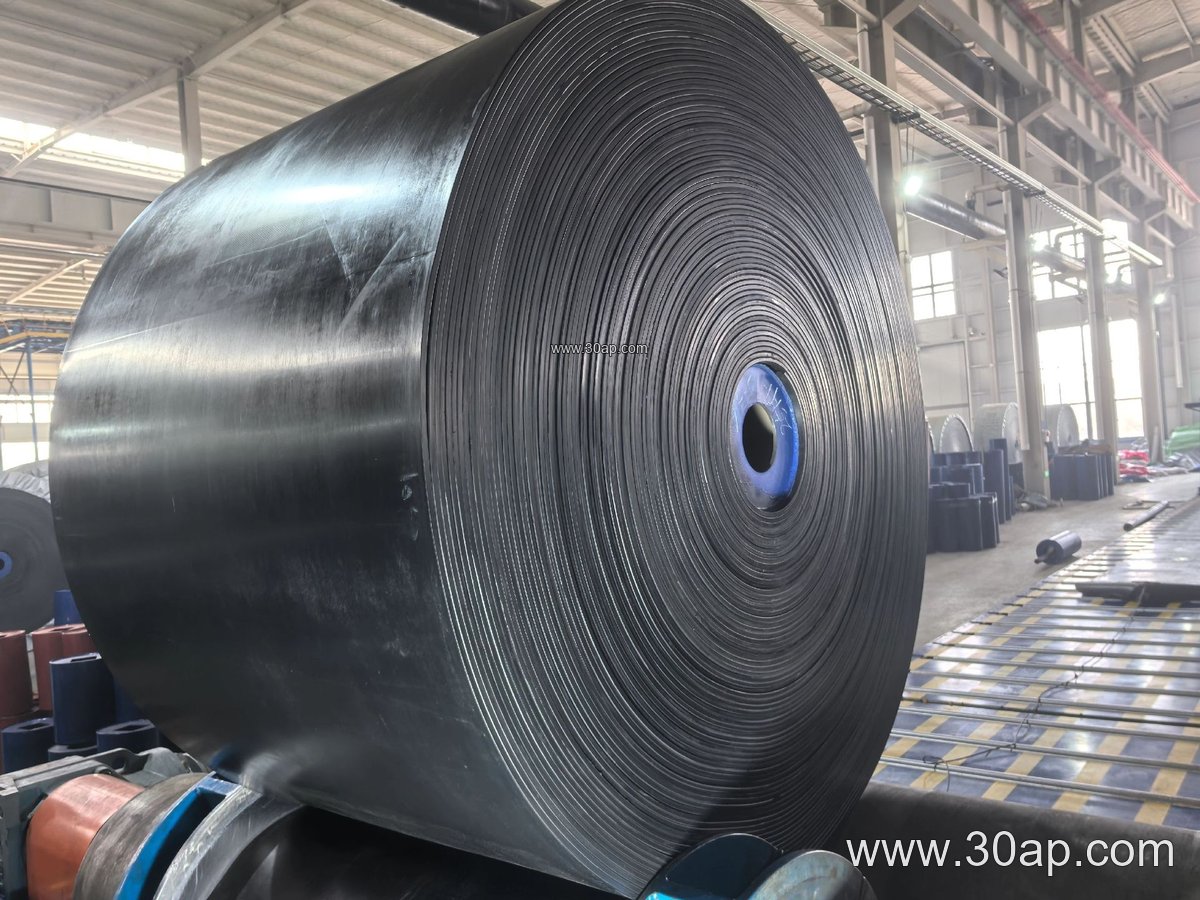
- Fabric core conveyor belt — usually 2 to 6 plies, well suited to medium-duty plant conveyors and flexible layouts.
- Multi-ply fabric core conveyor belt — used where extra puncture resistance and splice strength matter at crusher discharges.
- Steel cord conveyor belt — preferred for long centre distances, steep lifts, and high capacity where low stretch is important.
Cover grades are selected for the duty. An abrasion resistant conveyor belt is the default for ore and waste rock. A heat resistant conveyor belt may be needed after dryers or in areas near kilns and calciners. Oil resistant conveyor belt covers help where lubricants or hydraulic fluid can drip. Flame retardant conveyor belt and anti-static constructions are typical for underground mining conveyor belt applications, where fire risk and static discharge must be controlled.
Typical Specifications and Size Ranges
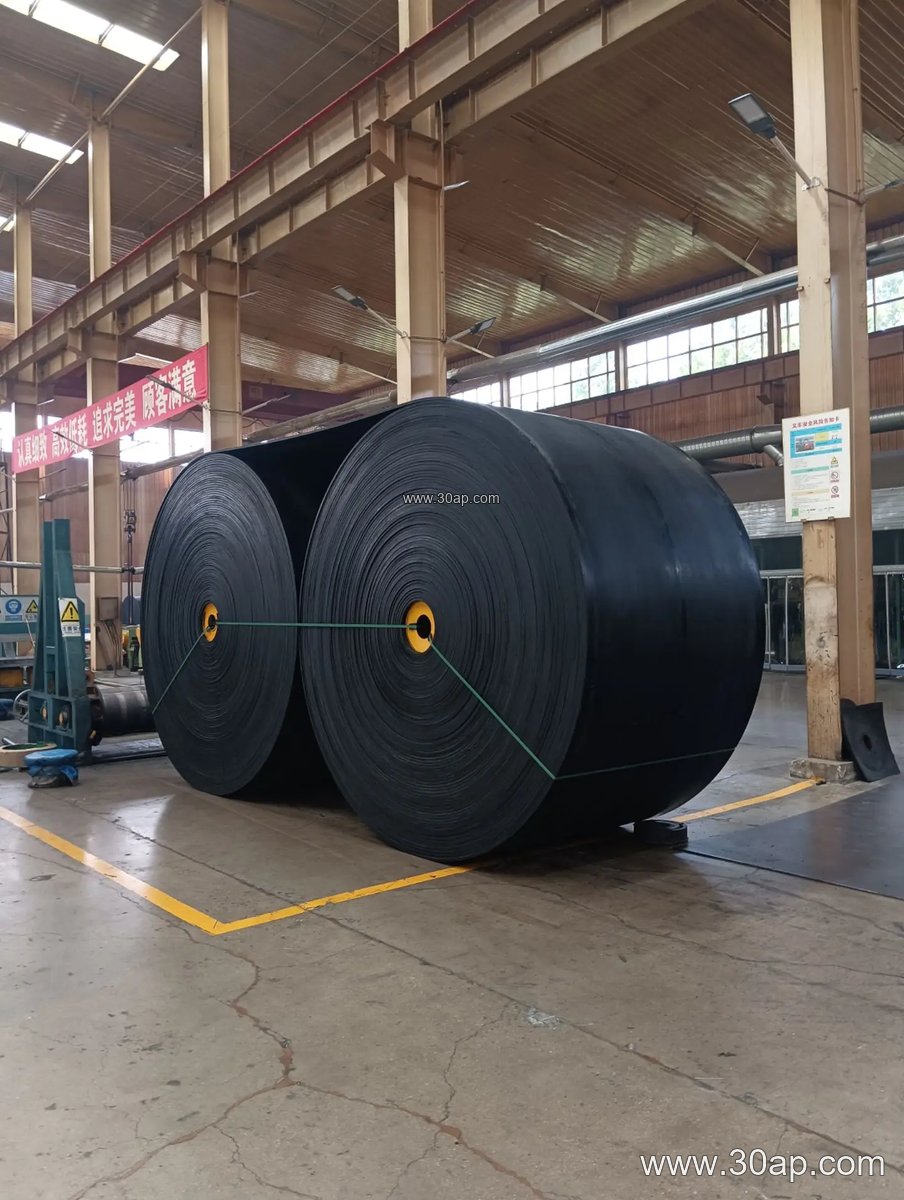
The values below are common reference ranges, not fixed rules. Final selection depends on the conveyor design, tonnage, lump size, and site conditions.
| Parameter | Common Reference Range |
|---|---|
| Belt width | B500, B650, B800, B1000, B1200, B1400, B1600, B1800, B2000 mm |
| Fabric strength grades | EP200, EP315, EP400, EP500, EP630, EP800, EP1000, EP1250, EP1600, EP2000 |
| Steel cord grades | ST1000 to ST3150, selected by tension demand |
| Cover thickness | 3+1.5, 4+2, 5+2, 6+2, 8+3 mm |
| Carcass plies | Usually 2 to 6 layers for fabric belts |
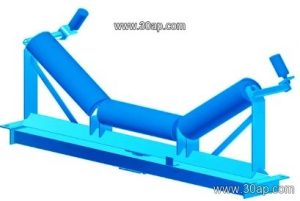
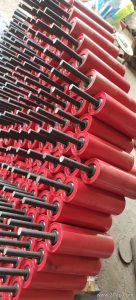
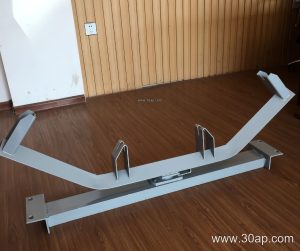
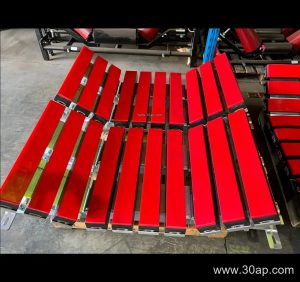
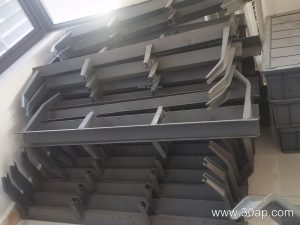
Width and strength are matched to the conveyor, not chosen in isolation. A wider belt does not automatically require a specific pulley diameter, and shaft sizes are determined by the conveyor designer from torque and load, not from belt width alone. Accessories such as the idler roller, conveyor pulley, and conveyor bracket should be reviewed together with the belt specification so that the whole system works as one.
Where It Fits in the Gold Circuit
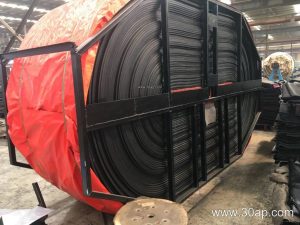
Gold plants use conveyors at several stages. Primary crushing stations feed coarse ore to stockpiles or directly to the mill. Fine crushing and screening circuits use shorter belts with tight transitions. Heap leach stackers and grasshopper conveyors handle crushed ore at relatively high tonnage and often need impact resistant conveyor belt covers at transfer chutes. Concentrate handling may call for a skirted conveyor belt or corrugated sidewall conveyor belt to contain fine, high-value material on steep inclines.
The same product family appears in cement plants, power plants, and aggregate operations, but gold circuits tend to place more emphasis on abrasion and impact. A heavy-duty mining conveyor belt with a thick top cover is often the practical choice at crusher discharge, while a lighter EP conveyor belt may serve reagent and lime feeding lines.
Buyer Checklist
- Confirm the material: lump size, moisture, temperature, oil or chemical exposure, and whether dust is explosive.
- Check whether flame retardant and anti-static properties are required for underground or enclosed galleries.
- Ask for the cover grade and carcass construction in writing, with strength grade and ply count.
- Review splice method and whether an endless conveyor belt is preferred for critical drives.
- Match the belt to the pulley and idler roller arrangement, and confirm the conveyor bracket clearances.
- Plan spare belt, splice materials, and inspection intervals for covers and edges.
For more detail on belt constructions and matching components, visit our site at www.example.com/gold-mining-conveyor-belt and review the conveyor belt, idler roller, and conveyor pulley pages before finalizing the specification.