What a Cement Conveyor Belt Does in a Bulk Handling Line
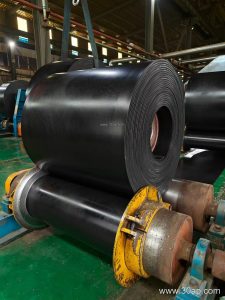
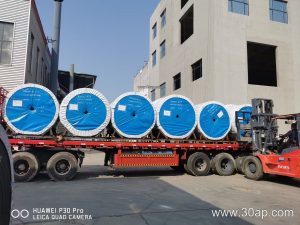
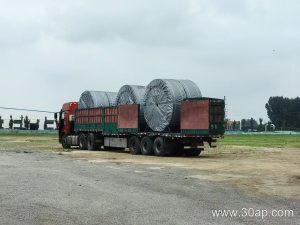
A cement conveyor belt is the load-carrying component of a belt conveyor system used to move clinker, limestone, gypsum, raw meal, and finished cement between processing stages. In cement plants, quarries, and ports, this belt must tolerate abrasive dust, moderate heat, and continuous operation. The same product family also appears in power plants, steel mills, and sand and gravel yards where similar bulk materials are handled.
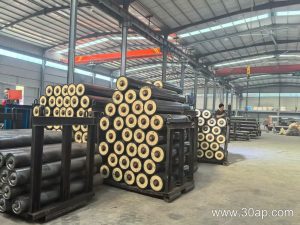
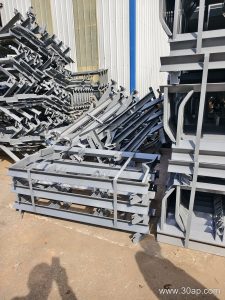
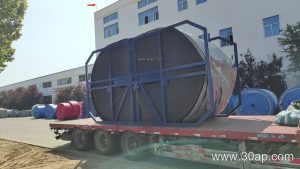
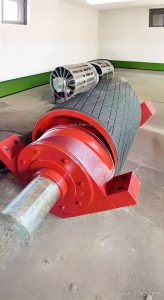
Buyers often specify a rubber conveyor belt with a fabric core for general cement transport, while heavier duty sections may use a steel cord conveyor belt for long distances and high tension. The belt works together with idler rollers, conveyor pulleys, and conveyor brackets, but the belt itself determines the material contact surface and the tensile strength of the system.
Construction and Material Options
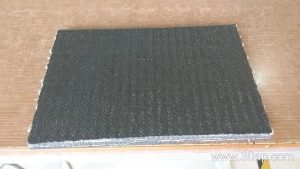
Most cement conveyor belts are built with a carcass of fabric plies or steel cords, covered by rubber layers on the top and bottom. The carcass provides strength and resistance to stretching, while the cover rubber protects against abrasion and impact. Common carcass options include EP conveyor belt (polyester-nylon) and NN conveyor belt (nylon-nylon), both available in multi-ply fabric core conveyor belt constructions.
For hot clinker or preheater discharge, a heat resistant conveyor belt is often selected. In coal handling areas, a flame retardant conveyor belt may be required for safety. Where fine cement dust is present, an anti-static conveyor belt can help dissipate static charge. Oil-resistant grades are used when moving materials contaminated with lubricants or fuels.
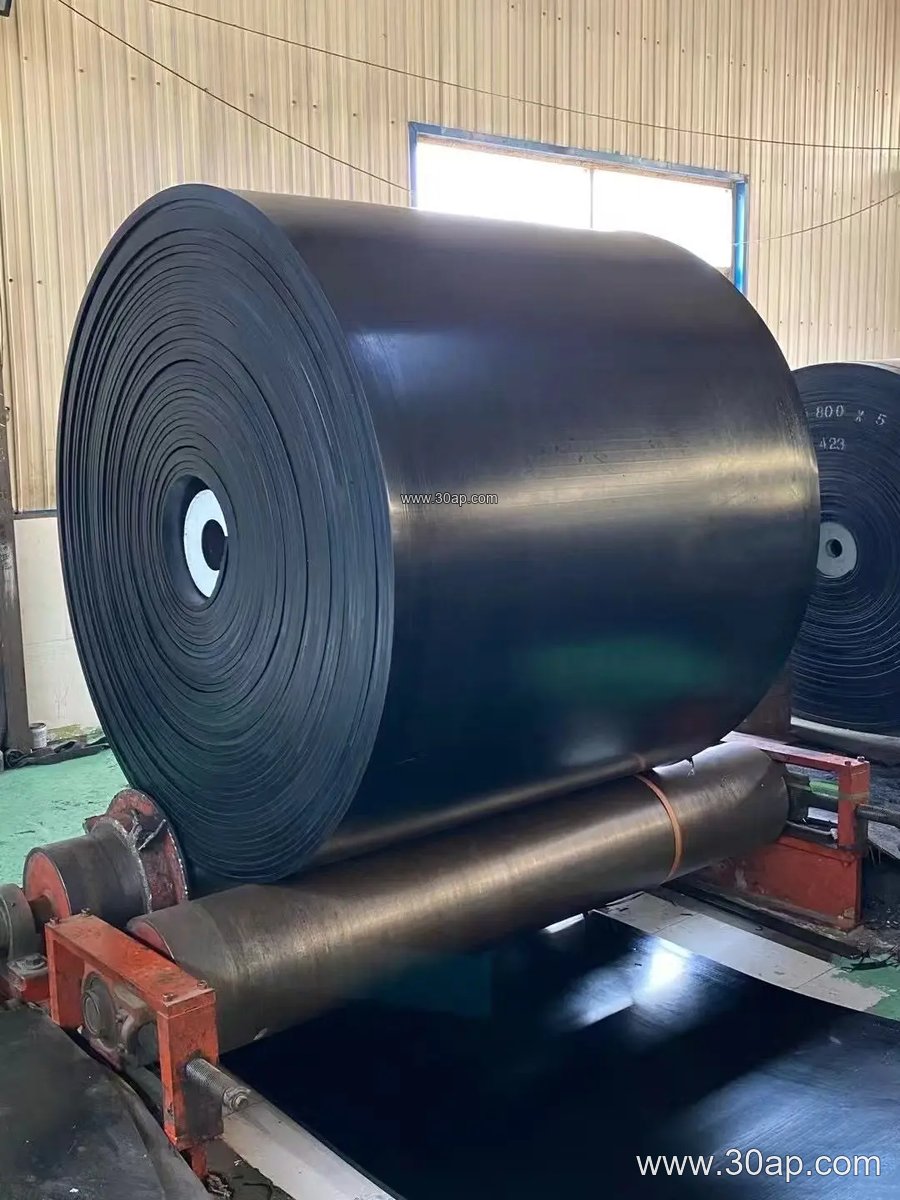
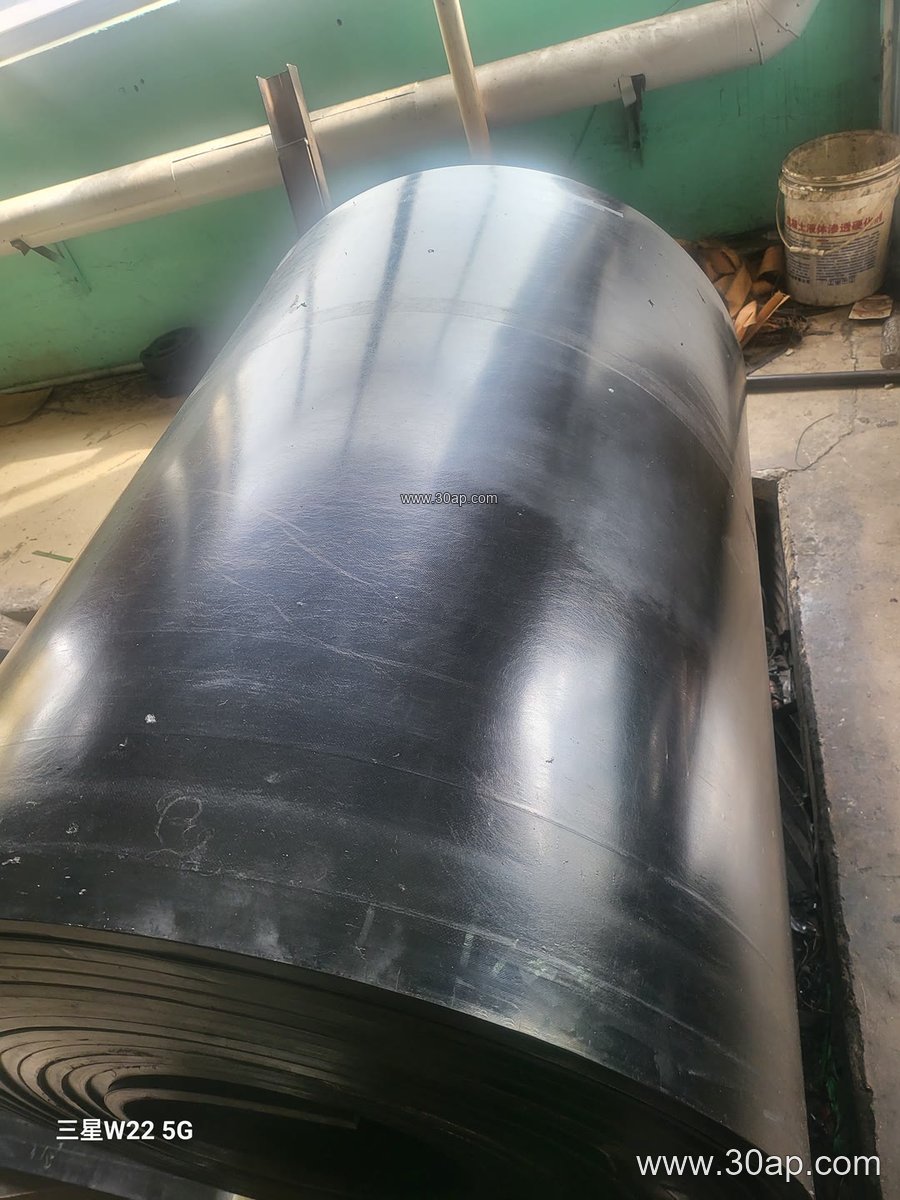
Cover thickness is usually specified as top + bottom, such as 4+2 mm or 6+2 mm, with 3+1.5 mm for lighter duties. Carcass plies commonly range from 2 to 6 layers depending on the required strength. Belt widths from 500 mm to 2000 mm are typical, and the correct width depends on the conveyor design and material lump size, not on a single fixed rule.
Typical Strength Grades and Belt Widths
The table below lists common reference values; actual selection should follow the conveyor design and manufacturer data.
| Strength Grade (EP) | Typical Belt Width Range | Common Cover Thickness |
|---|---|---|
| EP200 | 500–1200 mm | 3+1.5 mm to 4+2 mm |
| EP400 | 650–1600 mm | 4+2 mm to 6+2 mm |
| EP630 | 800–1800 mm | 5+2 mm to 6+2 mm |
| EP1000 | 1000–2000 mm | 6+2 mm to 8+3 mm |
| EP1250 | 1200–2000 mm | 6+2 mm to 8+3 mm |
Steel cord grades such as ST1000 or ST1600 are used for high-tension, long-distance conveying. These are not interchangeable with fabric belts; the pulley diameters and take-up systems must be designed accordingly.
Where It Is Used Across Industries
Beyond cement plants, this belt type serves in mining, coal preparation, power generation, and aggregate processing. A quarry conveyor belt moving crushed stone may use a high abrasion resistant conveyor belt cover. An underground coal mining conveyor belt may require flame retardant and anti-static properties. In ports, a ship loading conveyor belt handles bulk material at high capacity.
For dusty or steep inclines, a chevron conveyor belt or corrugated sidewall conveyor belt can prevent material rollback. These are separate subtypes and should not be used interchangeably with a standard flat cement belt when the application does not require their features.
Buyer Checklist for Cement Conveyor Belts
- Confirm material type, lump size, and temperature to choose cover grade and carcass.
- Check the required tensile strength and belt width against the conveyor design, not against a single pulley size.
- Verify cover thickness and ply count for abrasion and impact resistance.
- For coal or dusty zones, request flame retardant and anti-static verification.
- Ensure idler roller spacing and conveyor pulley diameters match the belt construction.
- Plan for splicing, storage, and inspection to extend service life.
Regular inspection of the belt surface, edges, and splice areas helps prevent unplanned downtime. Keeping idler rollers turning freely and checking conveyor brackets for alignment reduces edge damage. When replacement is needed, match the belt grade and width to the original design or consult the conveyor manufacturer.