What an Iron Ore Conveyor Belt Must Handle
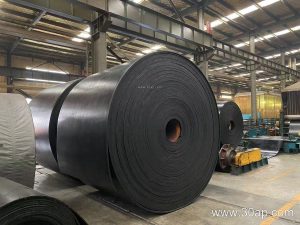
An iron ore conveyor belt is a heavy-duty bulk material conveyor belt built to carry sharp, dense, and often abrasive ore from mine faces to crushers, stockpiles, and ship loaders. In a mining conveyor belt system, the belt is the single largest wear item, so its construction and rubber compound directly affect downtime and maintenance cost. The same platform is used across iron ore, copper ore, and gold mining conveyor belts, but iron ore usually demands higher abrasion resistance and impact resistance because of lump size and weight.
Construction of the Belt
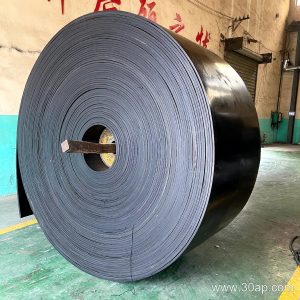
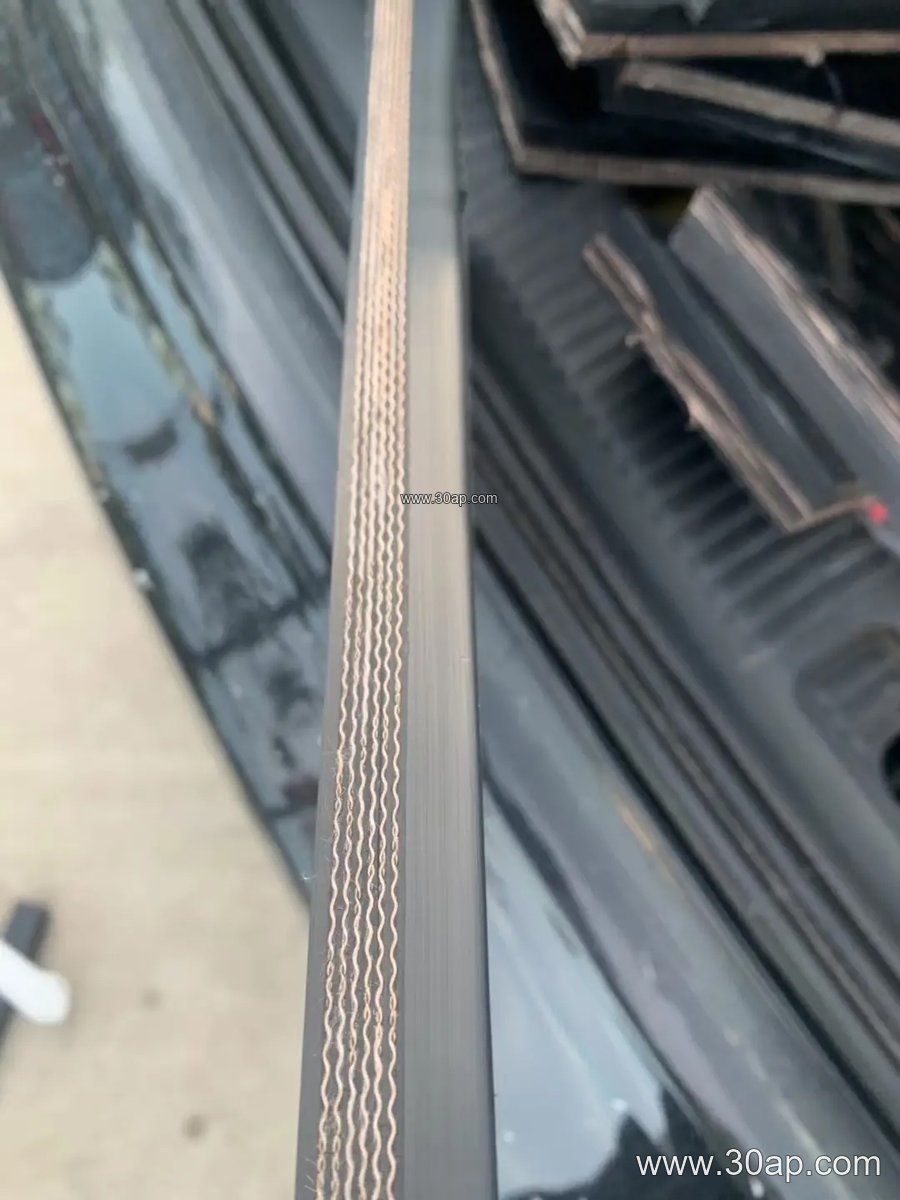
Most iron ore belts use either a fabric core or a steel cord core. Fabric constructions include EP conveyor belt (polyester-nylon) and NN conveyor belt (nylon-nylon), often as a multi-ply fabric core conveyor belt with two to six plies. Steel cord conveyor belt designs are chosen for long overland runs and high tension. The top and bottom covers are rubber, with common thickness combinations such as 5+2 mm, 6+2 mm, and 8+3 mm; the exact cover gauge is selected by the conveyor designer based on lump size and drop height.
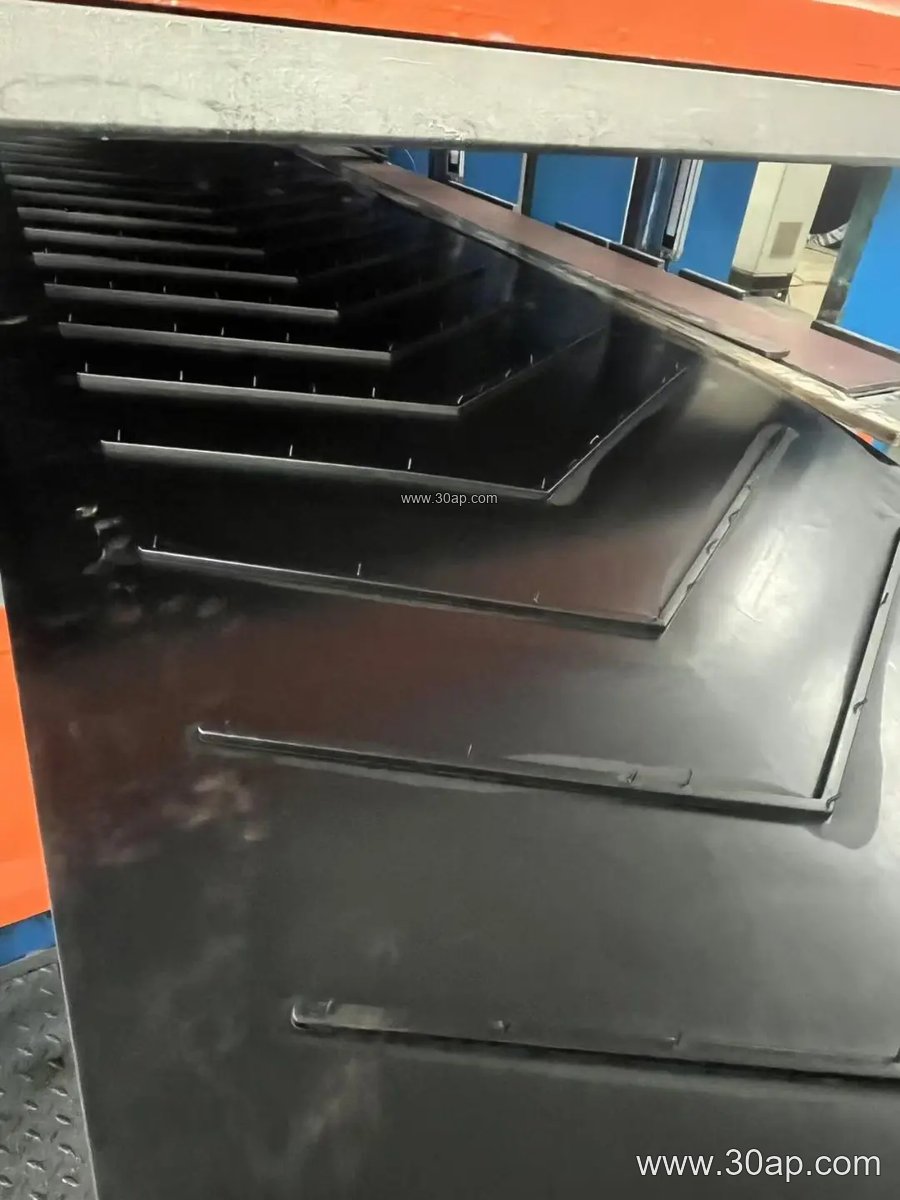
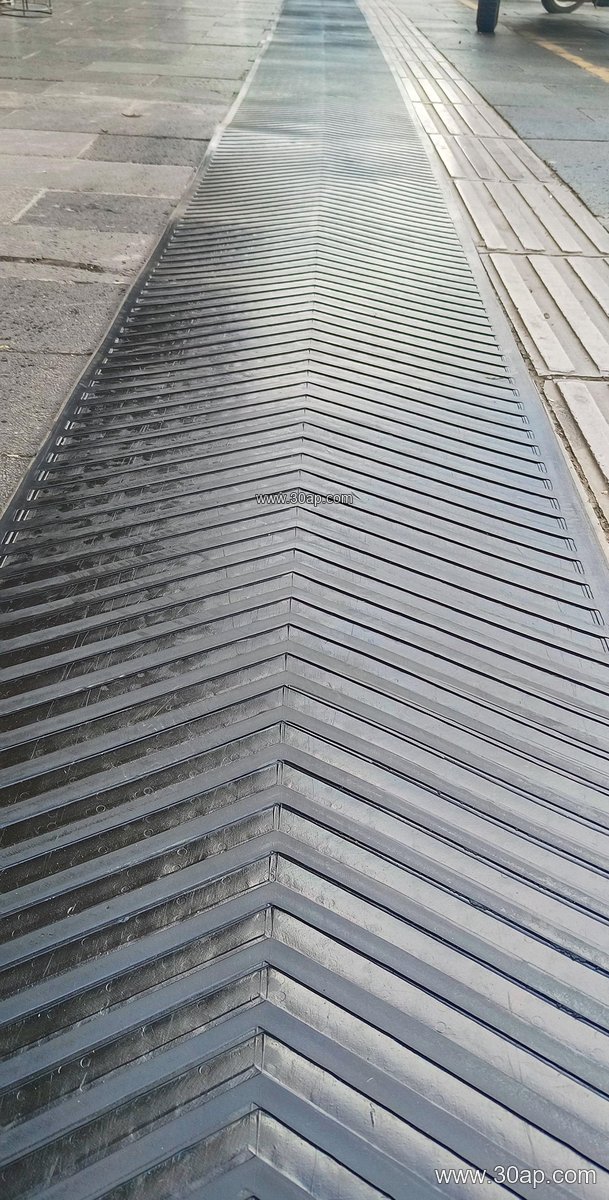
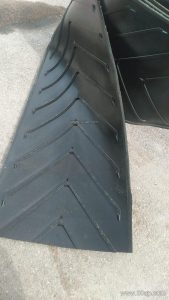
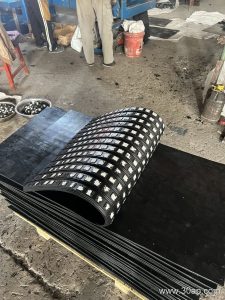
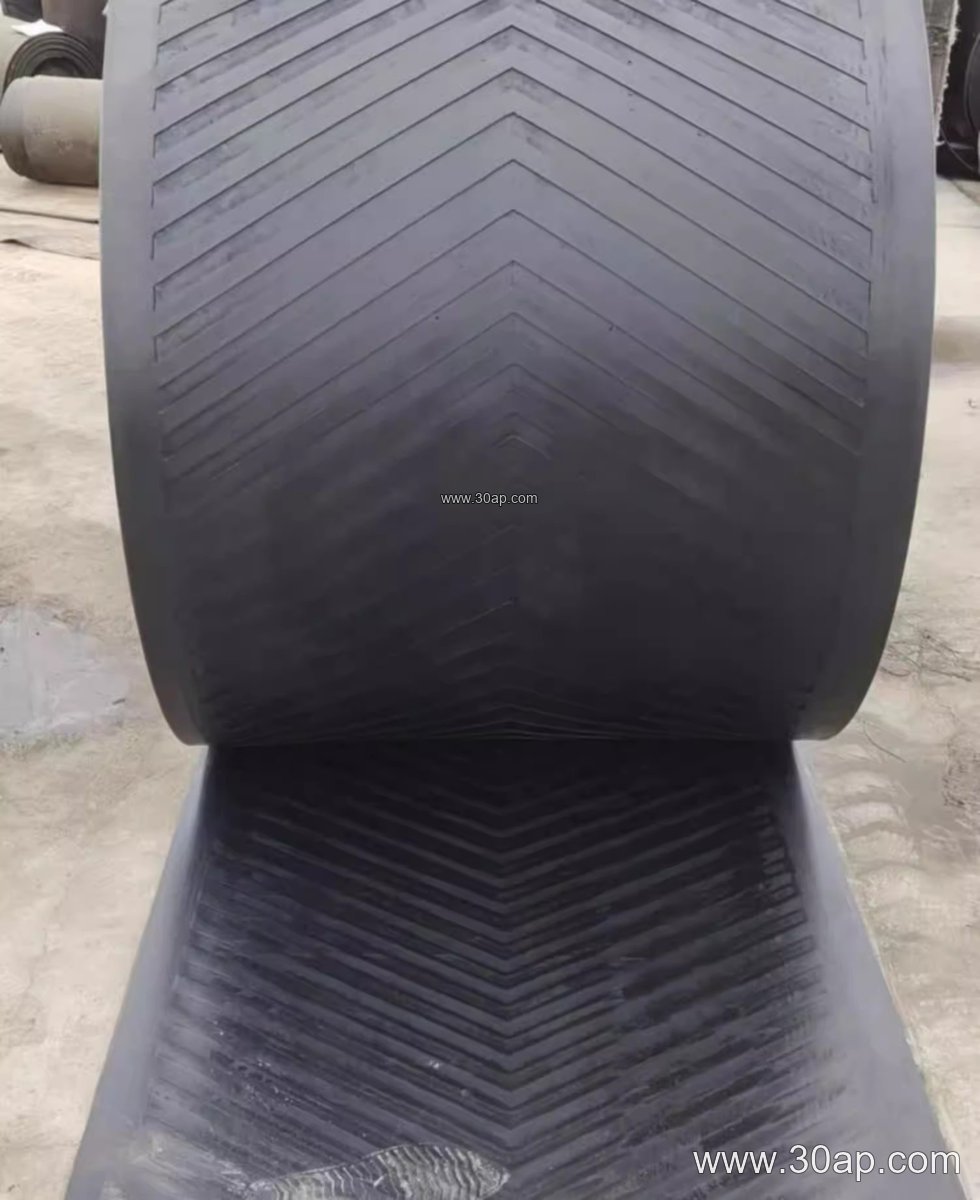
For steep inclines, a chevron conveyor belt or corrugated sidewall belt may be used, but these are different subtypes and are not a direct replacement for a flat iron ore belt on a standard troughed conveyor. A skirted conveyor belt can help contain material at transfer points, while a pipe conveyor belt is sometimes considered where dust control and route flexibility matter.
Common Belt Grades and Reference Data
Belt tension ratings are usually expressed as EP or ST grades. The table below shows typical reference values; actual selection depends on the conveyor profile, tonnage, and safety factor.
| Grade Family | Reference Grades | Typical Use |
|---|---|---|
| EP conveyor belt | EP200, EP315, EP400, EP500, EP630, EP800, EP1000, EP1250, EP1600 | Main haulage, transfer conveyors |
| NN conveyor belt | NN100 to NN400 class | Medium-duty bulk handling |
| Steel cord conveyor belt | ST1000, ST1250, ST1600, ST2000, ST2500 | Long distance, high tension |
Belt widths for iron ore duties commonly include B500, B650, B800, B1000, B1200, B1400, B1600, and B1800. Wider belts such as 2000 mm and 2200 mm appear on high-capacity port and plant conveyors. A belt width does not dictate a single pulley diameter; drive pulley, tail pulley, and bend pulley sizes are calculated from belt tension, wrap angle, and shaft load, not from width alone.
Where These Belts Are Used
Iron ore conveyor belts appear in mine pits, coarse ore stockpiles, crushing plants, pellet plants, and export terminals. In cement plants and power plants, similar heavy-duty mining conveyor belts handle clinker, limestone, and coal, though the compound may change. Quarry conveyor belts and aggregate conveyor belts share the same wear mechanisms: sharp edges, impact at transfer points, and abrasive dust. Underground mining conveyor belt installations may require flame retardant conveyor belt and anti-static conveyor belt properties, while surface iron ore lines focus on abrasion resistant conveyor belt compounds and impact resistant conveyor belt covers at loading zones.
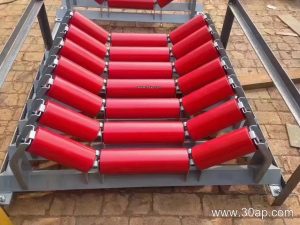
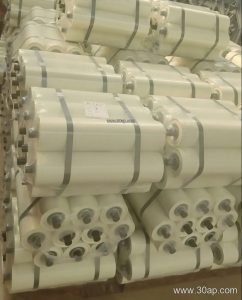
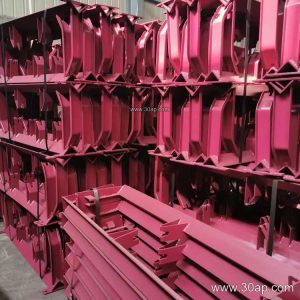
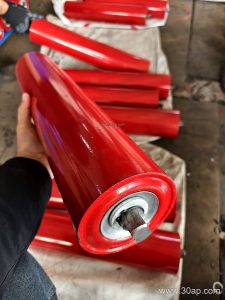
Supporting hardware matters as much as the belt. Idler roller alignment, conveyor pulley condition, and conveyor bracket rigidity affect belt tracking. A worn drive pulley or misaligned bend pulley can cause edge damage that looks like a belt failure but starts at the conveyor structure.
Buyer Checklist
- Confirm the duty: lump size, drop height, throughput, and whether the line is uphill or horizontal.
- Match the core type to tension: EP or NN fabric core for moderate runs, steel cord for long high-tension profiles.
- Select cover grade for abrasion, heat, oil, or flame resistance as needed; do not assume one compound fits all stations.
- Check belt width against the existing conveyor frame, idler roller spacing, and pulley face width.
- Ask for the splice method and edge construction, since these influence belt life on iron ore duty.
For a reliable quotation, provide the conveyor drawing, belt width, grade, cover thickness, and any special requirements such as heat resistant conveyor belt or oil resistant conveyor belt covers. A belt that matches the actual iron ore duty will usually outperform a higher-grade belt chosen without regard to loading conditions.