What a Wear-Resistant Idler Does on the Line
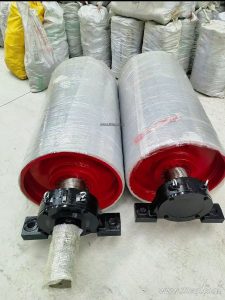
A wear-resistant idler is a carrying or return roller built to hold up where abrasion, dust and heavy loads shorten the life of ordinary rollers. On a quarry conveyor belt or a coal mining conveyor belt, the roller shell and the bearing housing take a constant beating from grit, fines and impact. The wear-resistant idler roller is designed around that reality: a tougher shell surface, tighter sealing and a bearing arrangement that keeps turning smoothly instead of locking up and scoring the belt.
The idler itself does not move material. It supports the belt and lets it run true. That supporting role is why a worn roller quickly becomes a belt problem: a flat spot or a seized bearing drags, heats up and can damage the cover of a rubber conveyor belt or an EP conveyor belt. Choosing the right wear-resistant idler is therefore part of protecting the whole conveyor.
How the Roller Is Built
Most units share a common structure, with the wear package concentrated where it matters.
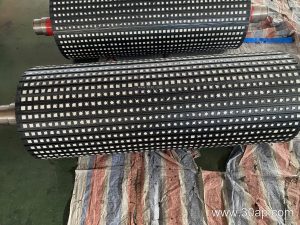
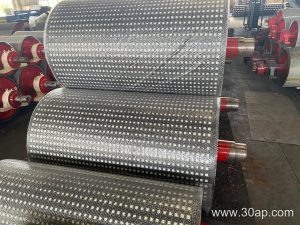
- Shell: steel tube is standard; nylon, ceramic or rubber-covered shells are used where sliding abrasion or build-up is severe.
- Shaft and bearings: common bearing sizes include 6204, 6205, 6305, 6306, 6308 and 6310, matched by the manufacturer to load and speed.
- Seal: labyrinth or multi-stage seals keep out fine dust and water, which is often what decides service life.
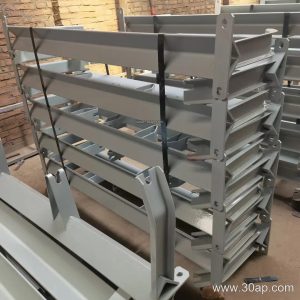
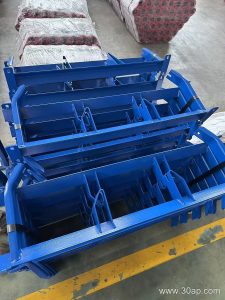
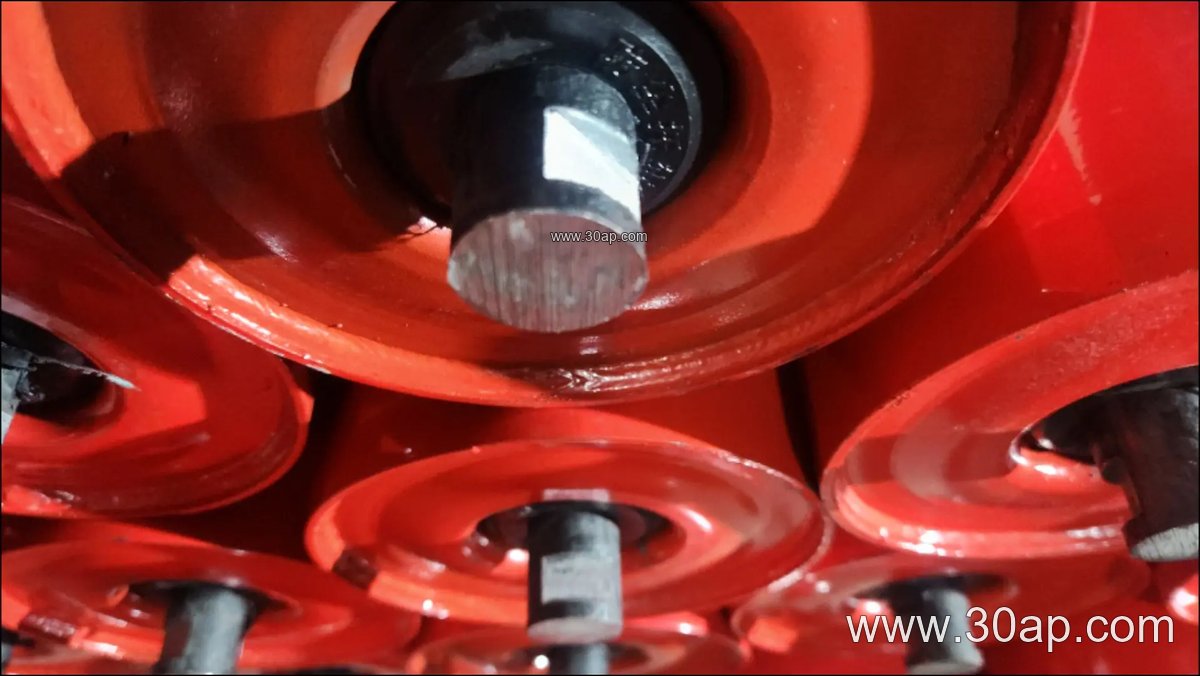
- Mounting: the roller sits in a conveyor bracket or frame, and the assembly form depends on the belt section.
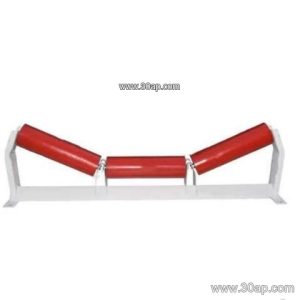
A wear-resistant idler is not one fixed design. It may be a troughing idler in a three-roll set, a return roller, an impact idler under a loading point, or a self-aligning idler on a long run. Each keeps its own role, and none of them replaces a drive pulley, tail pulley or bend pulley, which transmit power and change belt direction rather than support it.
Where It Fits in the Conveyor
Wear is not spread evenly along a conveyor. It concentrates at transfer points, curves and the sections that carry the heaviest lumps. In a limestone quarry or a sand and aggregate line, impact idlers with rubber rings are common under the crusher discharge, while troughing idlers carry the load along the main run. In a coal handling system at a power plant, sealed return rollers help keep dust out of the bearings.
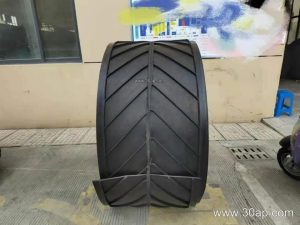
The belt type also shapes the choice. A high abrasion resistant conveyor belt, a heavy-duty mining conveyor belt or a steel cord conveyor belt such as ST1600 or ST2000 carries more weight and needs rollers sized for that load. Where a pipe conveyor belt or a corrugated sidewall conveyor belt runs, the roller layout is different again and should follow the conveyor design rather than a generic pattern.
Diameters, Widths and Common Arrangements
Roller diameter and belt width are related but not locked together. The table below shows typical reference values; final selection depends on load, speed and frame design.
| Item | Common reference values |
|---|---|
| Roller diameter | Ø63, Ø76, Ø89, Ø102, Ø108, Ø127, Ø133, Ø159, Ø178, Ø194, Ø219 mm |
| Belt width | B400, B500, B650, B800, B1000, B1200, B1400, B1600, B1800, B2000 mm |
| Trough angle | 20°, 30°, 35°, 45° |
| Roller surface | Steel tube, nylon, ceramic, rubber ring |
| Bearing | 6204, 6205, 6305, 6306, 6308, 6310 |
Roller length follows belt width and the idler set form. For a three-roll troughing set, common examples are about 200 mm for B500, 250 mm for B650, 315 mm for B800, 380 mm for B1000, 465 mm for B1200, 530 mm for B1400, 600 mm for B1600, 670 mm for B1800 and 750 mm for B2000. Side rollers and centre rollers can differ, so these are examples rather than fixed pairings. A 1200mm wide conveyor belt does not dictate one shaft diameter, and a given belt width can work with more than one roller size.
Selection and Maintenance Notes for Buyers
Start with the duty, not the catalogue. Ask what the belt carries, how fast it runs and where the wear appears. A cement plant conveyor belt handling hot clinker may need a heat resistant conveyor belt and rollers rated for temperature, while a fertiliser line may call for a chemical resistant conveyor belt and rollers with better sealing. In a tunnel or underground coal mining conveyor belt application, flame retardant conveyor belt and anti-static conveyor belt grades often go together with well-sealed rollers.
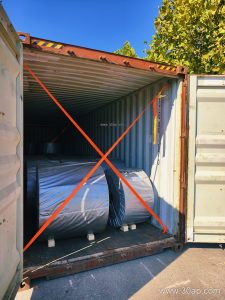
Check the frame: roller diameter, shaft end type and bracket spacing must match the existing conveyor bracket and conveyor pulley layout. Keep spare rollers on hand, because replacing one worn unit early is cheaper than repairing a damaged belt. Rotate stock so seals do not age on the shelf, and inspect return rollers as often as carrying rollers, since a dry return bearing can be just as costly.
For buyers comparing suppliers, ask for the shell material, seal design, bearing size and the load rating for the intended belt width. Those four points tell you more about a wear-resistant idler than a glossy brochure, and they help keep a quarry, port or steel plant conveyor running with fewer stoppages.