What a Welded Pulley Is and Why It Matters
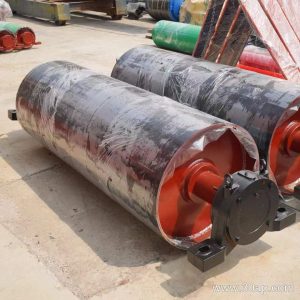
A welded pulley is a conveyor pulley whose shell, end discs, and hub assembly are joined by welding rather than by a bolted or cast construction. In a coal mining conveyor line, a cement plant clinker transport system, or a quarry aggregate belt, this component carries the belt, transfers torque, and keeps the belt path stable. Because the shell and discs form one continuous welded structure, the pulley can handle heavy radial loads and repeated start-stop cycles that are common in bulk material handling.
Buyers often meet this product under the equivalent name welded conveyor pulley. Both terms describe the same item, and neither should be confused with a drive pulley, a tail pulley, or a bend pulley, which are position-based roles rather than a construction type. A welded pulley can serve in any of those positions, but the position itself does not change what the pulley is.
How the Welded Construction Is Built
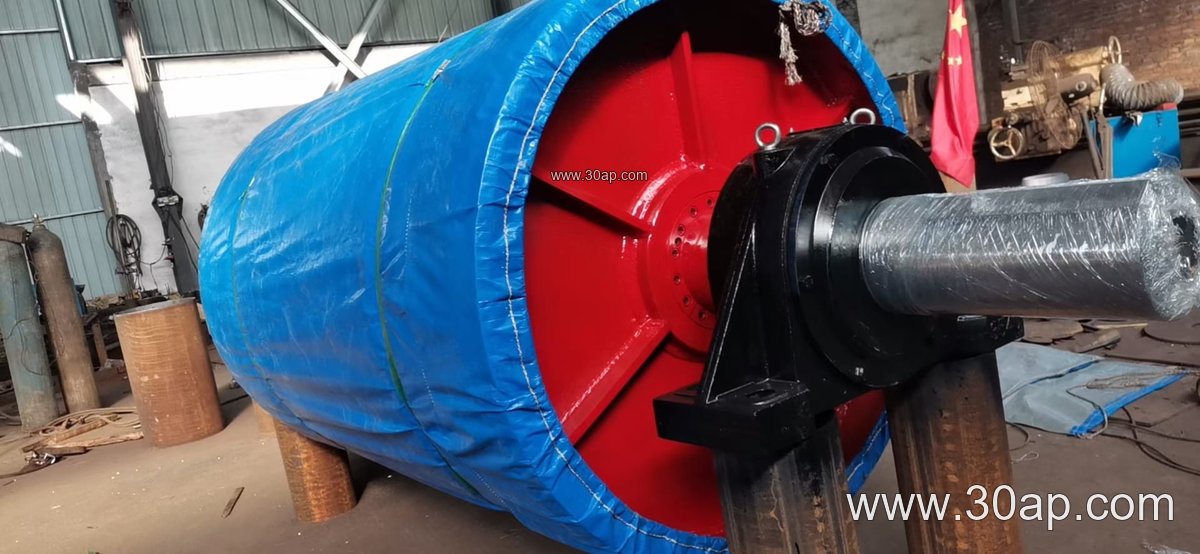
Production usually begins with a rolled steel shell, machined end discs, and a central hub or shaft connection. The discs are welded to the shell, and the hub is welded or keyed to the disc assembly. After welding, the pulley is stress-relieved where required, machined for concentricity, and balanced for smooth rotation. The shaft is then fitted, often with a shrink fit or keyway, and the surface may receive lagging.
Key build details a buyer should confirm include weld quality, shell roundness, runout tolerance, and the balance grade. These details affect vibration, bearing life, and belt tracking. A poorly balanced welded pulley can shorten the life of the conveyor bracket and bearing housings, even when the pulley itself looks sound.
Where Welded Pulleys Are Used
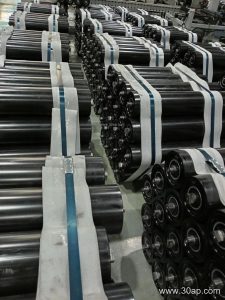
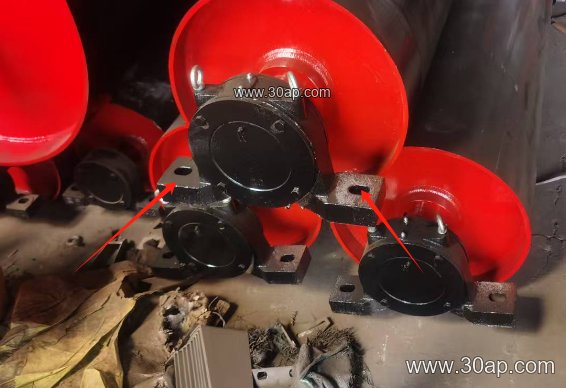
These pulleys appear in a wide range of bulk handling operations. In a limestone mine or iron ore terminal, they guide heavy belts that carry abrasive rock. In a power plant coal yard, they work with a flame retardant conveyor belt and a heat resistant conveyor belt in adjacent zones. In sand and gravel plants, they run alongside idler rollers and conveyor brackets on long inclined belts. They are also found in fertilizer plants, grain silos, and tunnel spoil removal lines.
The working environment matters. Dust, moisture, and temperature swings influence the choice of lagging and bearing protection. A welded pulley in a wet washing plant may need different surface treatment from one in a dry cement kiln feed line.
Surface Options and Belt Interaction
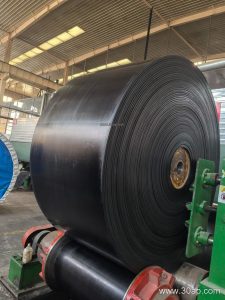
The pulley surface is selected together with the conveyor belt. Plain finish suits clean, low-tension runs. Rubber lagging improves grip and reduces slip on drive positions. Diamond or herringbone grooving helps shed water and fines. Ceramic lagging is chosen for high-abrasion duties where a rubber conveyor belt or an abrasion resistant conveyor belt runs under heavy load.
Common lagging thicknesses include 8, 10, 12, 15, and 20 mm. The right choice depends on torque demand, belt speed, and the presence of water or oil. On a pipe conveyor belt or a corrugated sidewall conveyor belt, the pulley face must be matched to the belt profile so that the cleats or sidewalls do not contact the shell.
Common Sizes and Reference Combinations
The table below gives reference values, not fixed rules. Diameter and shaft size are determined by torque, belt tension, and load, not by belt width alone.
| Belt width | Typical pulley face width | Example diameter range |
|---|---|---|
| B400 | about 500 mm | Ø200 to Ø400 |
| B650 | about 750 mm | Ø315 to Ø500 |
| B800 | about 950 mm | Ø400 to Ø630 |
| B1000 | about 1150 mm | Ø500 to Ø800 |
| B1200 | about 1400 mm | Ø630 to Ø1000 |
| B1400 | about 1600 mm | Ø800 to Ø1250 |
| B1600 | about 1800 mm | Ø1000 to Ø1400 |
| B1800 | about 2000 mm | Ø1250 to Ø1600 |
Face width is normally slightly larger than the belt width. Shaft diameters such as Ø80, Ø100, Ø120, Ø140, Ø160, and Ø180 are common, but the final size must follow the calculated torque and bearing load. A B1200 × Ø1000 combination and a B800 × Ø500 combination can both be valid in different duty levels.
What to Check Before Ordering
- Confirm the pulley role on the conveyor: head, tail, tension, or bend position. Each position has different load and wrap requirements.
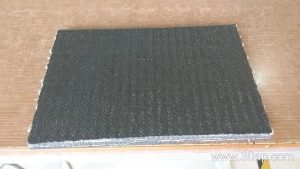
- State the belt type, including whether it is an EP conveyor belt, a steel cord conveyor belt, or a multi-ply fabric core conveyor belt.
- Provide belt width, belt speed, and maximum tension so the diameter and shaft can be verified.
- Specify lagging type and thickness, plus any grooving pattern.
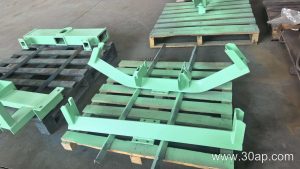
- Confirm the mounting interface with the conveyor bracket and bearing housing.
- Ask for balancing and runout records when the pulley runs at higher speed.
For a welded pulley, maintenance is mostly about bearing lubrication, lagging inspection, and checking for shell cracks near weld seams. Early detection of lagging wear protects both the pulley and the belt, especially on a heavy-duty mining conveyor belt that runs continuously. Matching the pulley to the belt and the duty, rather than to a single size number, is the most reliable way to avoid premature wear.