What a Highly Wear-Resistant Idler Does on a Conveying Line
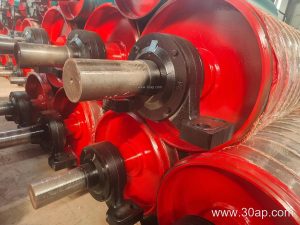
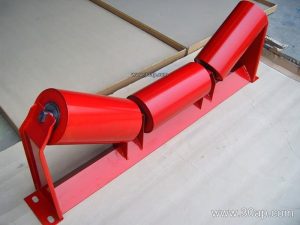
A highly wear-resistant idler is a carrying or return roller built to survive abrasive bulk streams without frequent replacement. In a quarry, limestone mine, or iron ore plant, the belt itself may be an abrasion resistant conveyor belt, yet the rollers still take a beating from dust, grit, and sharp fines. This idler roller uses harder shell materials and tighter sealing so that the rotating surface keeps its profile longer. Unlike a drive pulley, tail pulley, or bend pulley, which transmit or redirect belt tension, the idler simply supports the conveyor belt and controls its trough shape.
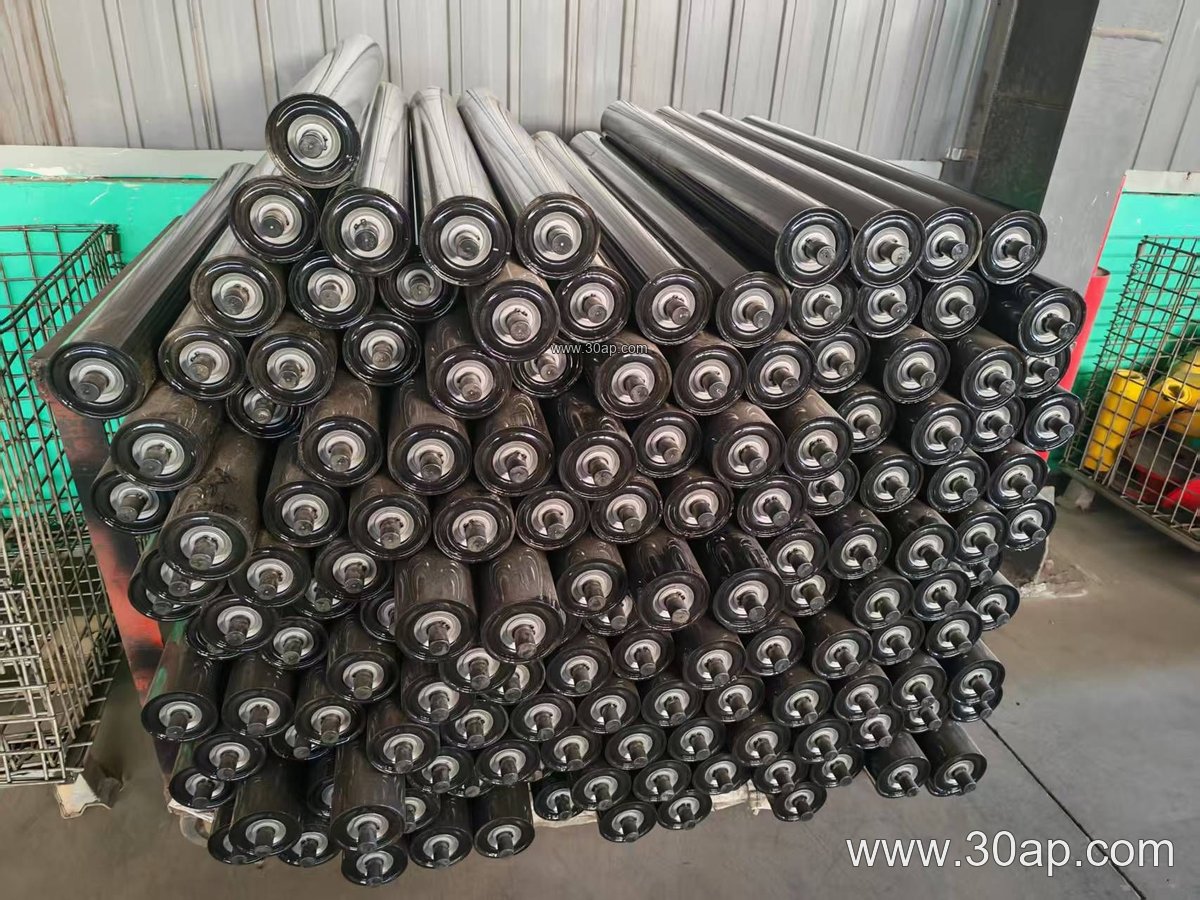
Construction That Resists Abrasion
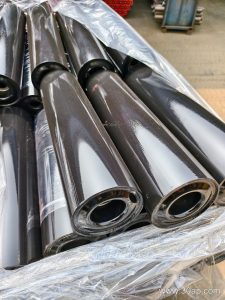
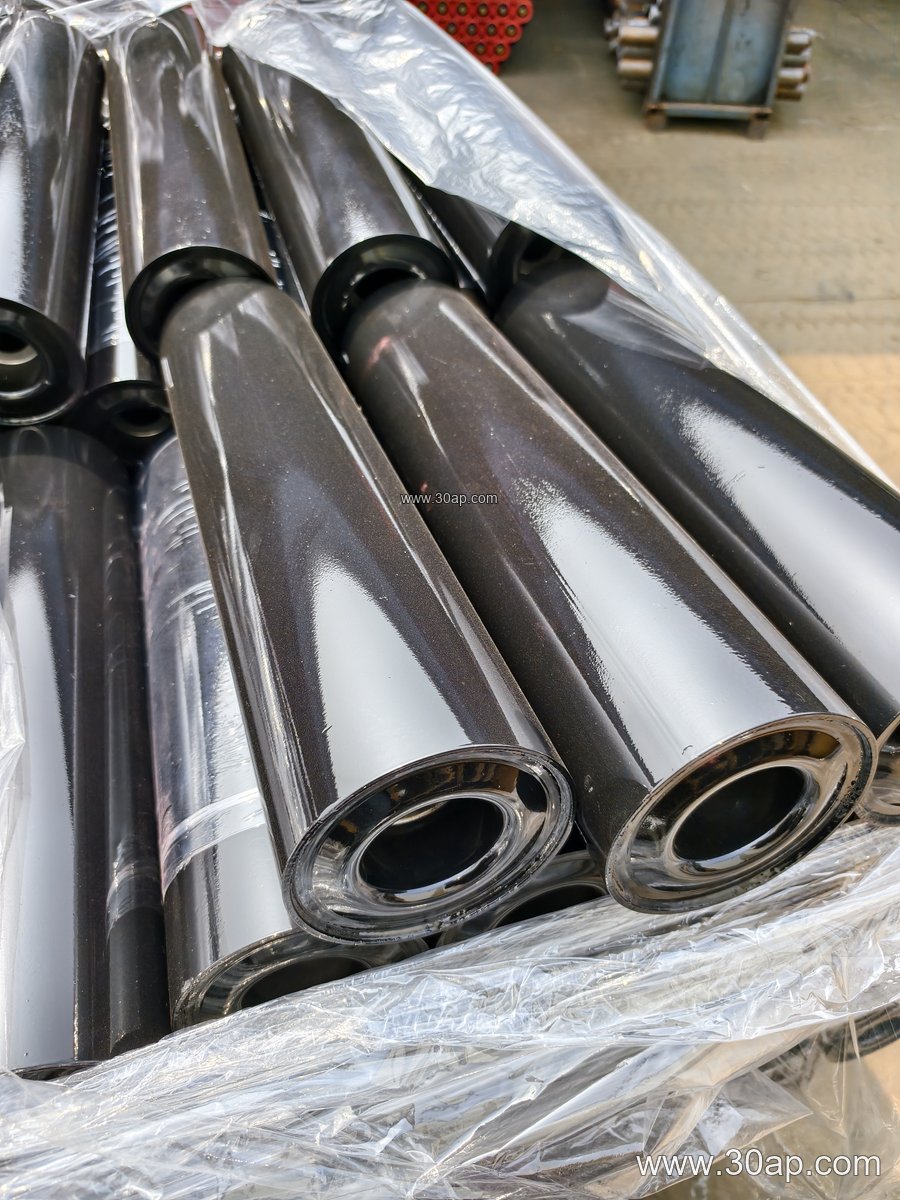
The wear resistance comes from several choices. The roller shell may be a thick steel tube, a nylon sleeve, or a ceramic-faced tube, depending on the duty. Rubber rings are also used where impact and sliding abrasion combine. Bearings such as 6205, 6305, or 6308 are common, with labyrinth seals and grease retention to keep fines out. Shaft ends and bearing housings are machined to fit standard conveyor brackets. A highly wear-resistant idler is not defined by one shell type; the right combination depends on the material being carried and the ambient conditions.
Common idler sizes for reference
| Parameter | Typical range |
|---|---|
| Roller diameter | Ø89, Ø102, Ø108, Ø127, Ø133, Ø159 |
| Belt width | B650, B800, B1000, B1200, B1400 |
| Trough angle | 20°, 30°, 35°, 45° |
| Roller length (three-roll trough, example) | 250 mm for B650, 315 mm for B800, 380 mm for B1000, 465 mm for B1200 |
| Bearing | 6204, 6205, 6305, 6306, 6308, 6310 |
These values are common references, not fixed matches. A B1000 belt can use different roller diameters and lengths according to the conveyor design, load, and speed.
Where Abrasive Duty Calls for This Idler
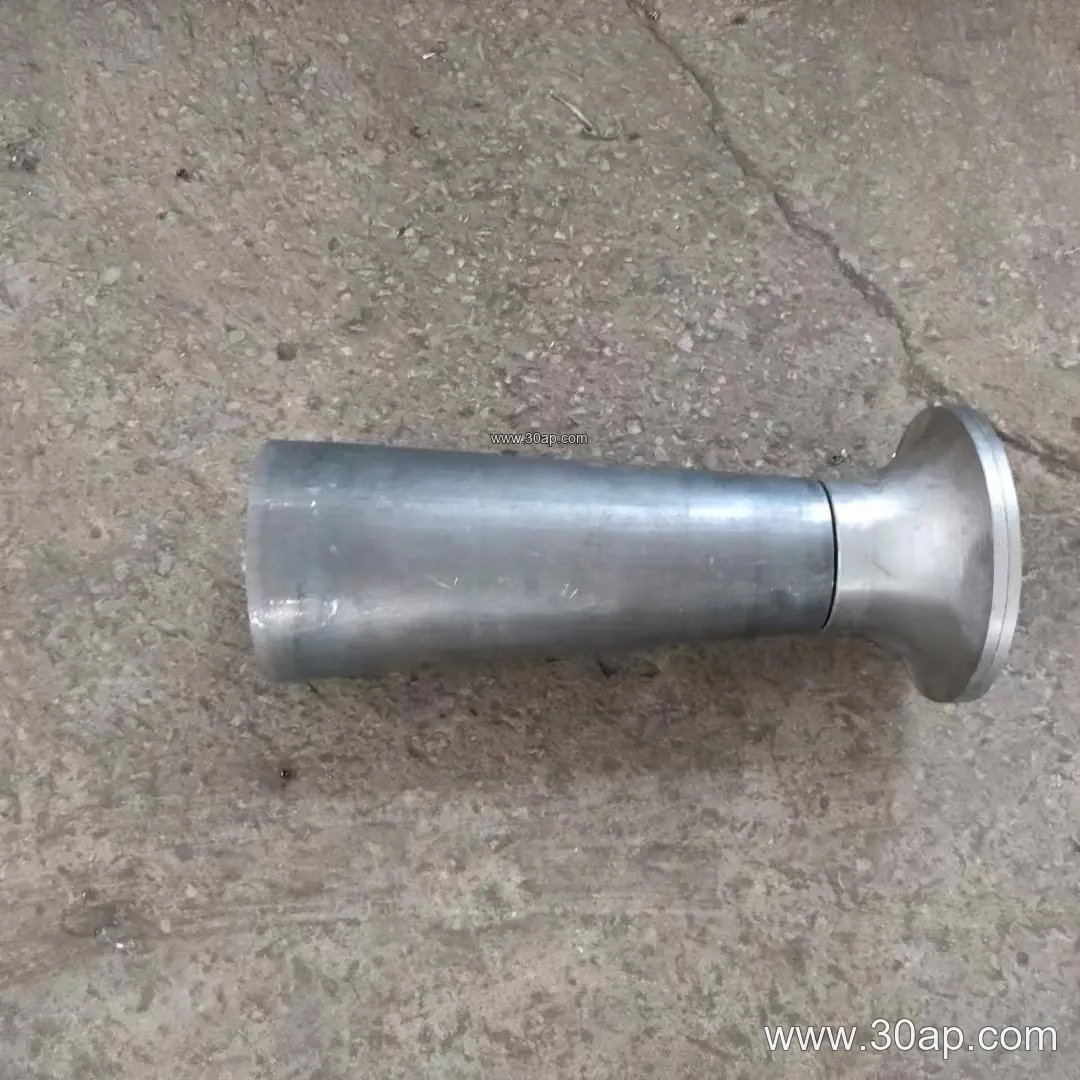
In a sand and aggregate line, a highly wear-resistant idler is often placed on the carrying side after a crusher, where sharp stone chips and dust are present. In a coal washing plant, the same idler roller helps keep the return strand clean and tracking well. Because abrasive fines can migrate into bearings, the sealing system matters as much as the shell. For comparison, a spiral idler may help with sticky material, but it is not a replacement for a wear-resistant carrying roller. Likewise, a rubber-disc impact idler is chosen at transfer points for cushioning, not as a general substitute for the main wear-resistant idler.
Buyer Checklist for a Highly Wear-Resistant Idler
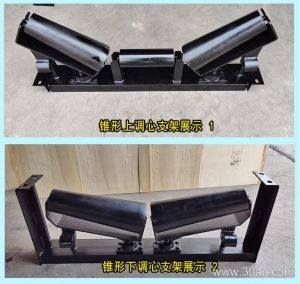
- Confirm the belt width, trough angle, and idler group form (single, two-roll, or three-roll trough) before selecting roller length.
- Match the roller diameter to the conveyor frame and belt speed; do not assume one diameter fits every application.
- Specify the shell material and surface form based on the abrasive: steel tube, nylon, ceramic, or rubber ring.
- Check bearing size and seal type for dust and water exposure.
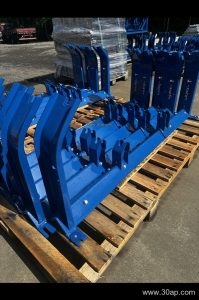
- Consider the full conveyor system, including the conveyor belt, conveyor pulley, and conveyor bracket, so the idler fits without modification.
A highly wear-resistant idler is a practical choice for quarry, mining, and cement plant conveyors where abrasive material shortens roller life. When paired with the right abrasion resistant conveyor belt and a well-aligned frame, it keeps the line running with fewer stoppages.