What a Ship Loading Conveyor Belt Does
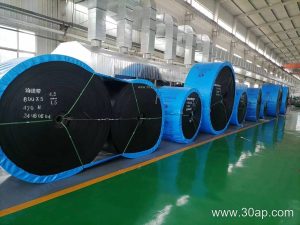
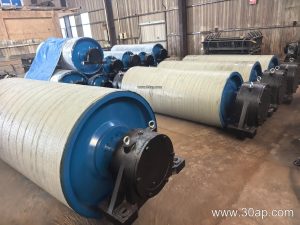
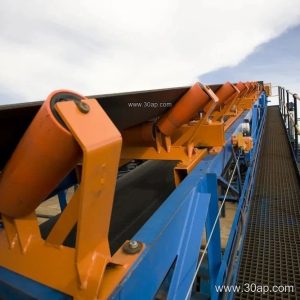
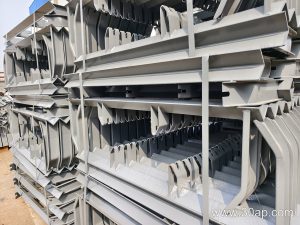
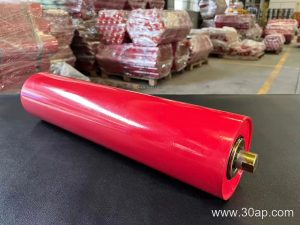
A ship loading conveyor belt is the moving belt inside the conveyor system that carries bulk cargo from a stockpile, silo, or train unloading point to the hold of a vessel. In ports, cement terminals, power plants, and ore export facilities, this belt is the final link in a long material handling chain. The belt itself is a flat, endless loop running over a frame that usually includes a drive pulley at the head, a tail pulley at the loading end, and bend pulleys that route the belt around curves and inclines. It is supported along the carry side by idler rollers and held in alignment by conveyor brackets and return idlers.
The work is demanding. A ship loading conveyor belt may run at high capacity for long shifts, handle abrasive ore or dusty cement, and tolerate salt air and changing weather. That is why belt selection for this duty often leans toward heavy-duty constructions rather than light general-purpose belting.
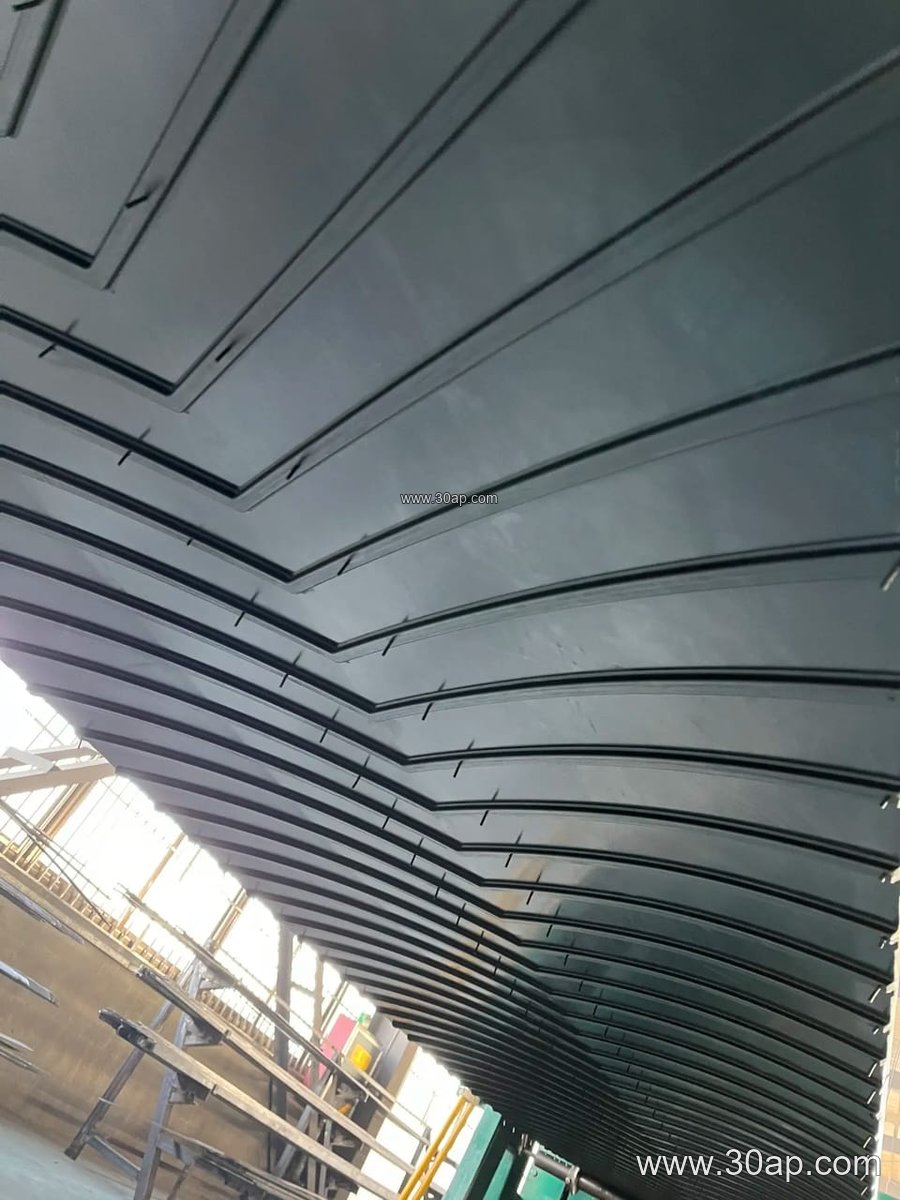
Construction and Common Belt Types
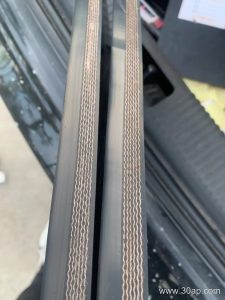
Most ship loading belts are fabric core or steel cord constructions. A fabric core belt uses multiple plies of EP or NN fabric, while a steel cord belt uses brass-plated wires for very high tension and long center distances. The cover rubber protects the carcass from abrasion, impact, heat, oil, or flame exposure, depending on the cargo.
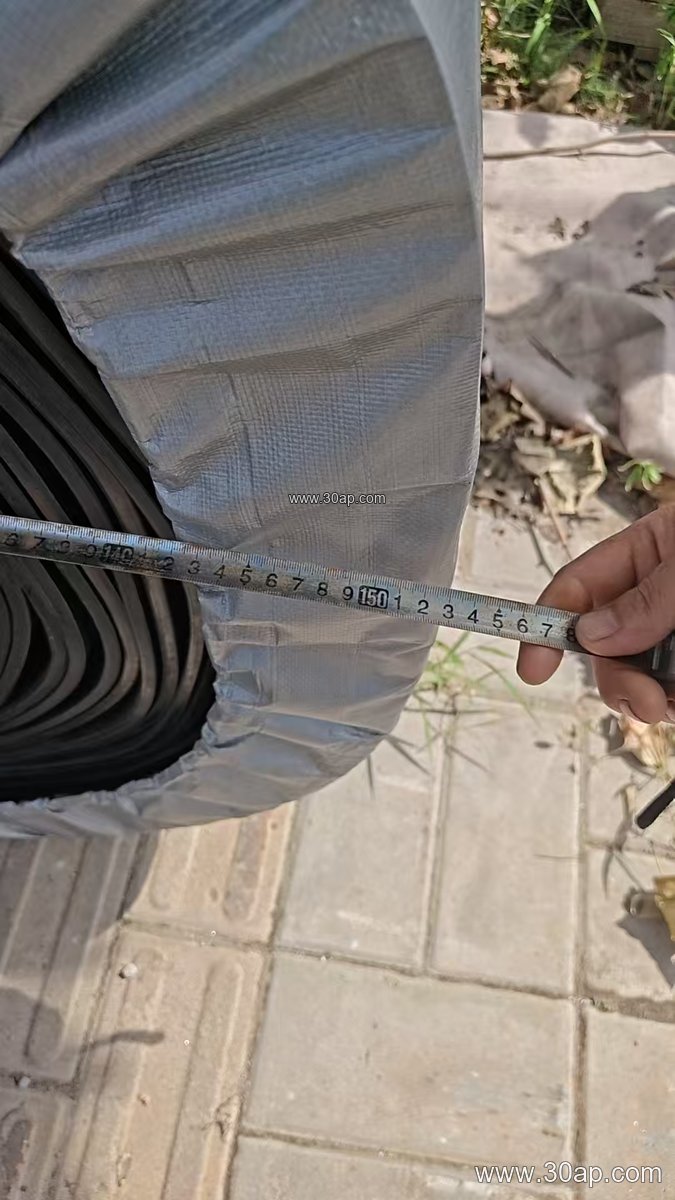
- EP conveyor belt with polyester-nylon plies, common where moderate tension and low stretch are wanted.
- NN conveyor belt with nylon-nylon plies, often chosen for flexibility and impact absorption.
- Steel cord conveyor belt for long booms, high tonnage, and large pulley centers.
- Abrasion resistant conveyor belt for iron ore, copper ore, quarry rock, and sinter.
- Heat resistant conveyor belt for cement clinker or coke, where cargo temperature is elevated.
- Flame retardant and anti-static belt types for coal handling and enclosed transfer points.
Special profiles also appear in ship loading work. A chevron conveyor belt or corrugated sidewall belt can help on steep inclined sections, while a skirted belt keeps material centered during transfer. These are construction choices, not separate duties, and the final decision should follow the conveyor design.
Typical Sizes and Reference Data
Belt width on ship loaders is usually matched to the required capacity and the boom structure. Common widths range from 800 mm to 2000 mm, and wider belts are used on large terminal systems. The table below gives reference values for discussion, not a fixed supply list.
| Parameter | Common reference range |
|---|---|
| Belt width | B800, B1000, B1200, B1400, B1600, B1800, B2000 |
| EP strength grades | EP200, EP315, EP400, EP500, EP630, EP800, EP1000, EP1250 |
| Steel cord grades | ST1000, ST1250, ST1600, ST2000, ST2500 |
| Cover thickness | 4+2 mm, 5+2 mm, 6+2 mm, 8+3 mm |
| Carcass plies | 2 to 6 plies for fabric core |
A 1200 mm wide EP belt with a 6+2 mm cover is a typical heavy-duty arrangement for ore or aggregate, but the actual grade depends on tension calculations, lump size, drop height, and support spacing. Wider is not automatically better, and a single width does not dictate one pulley diameter.
Where It Is Used
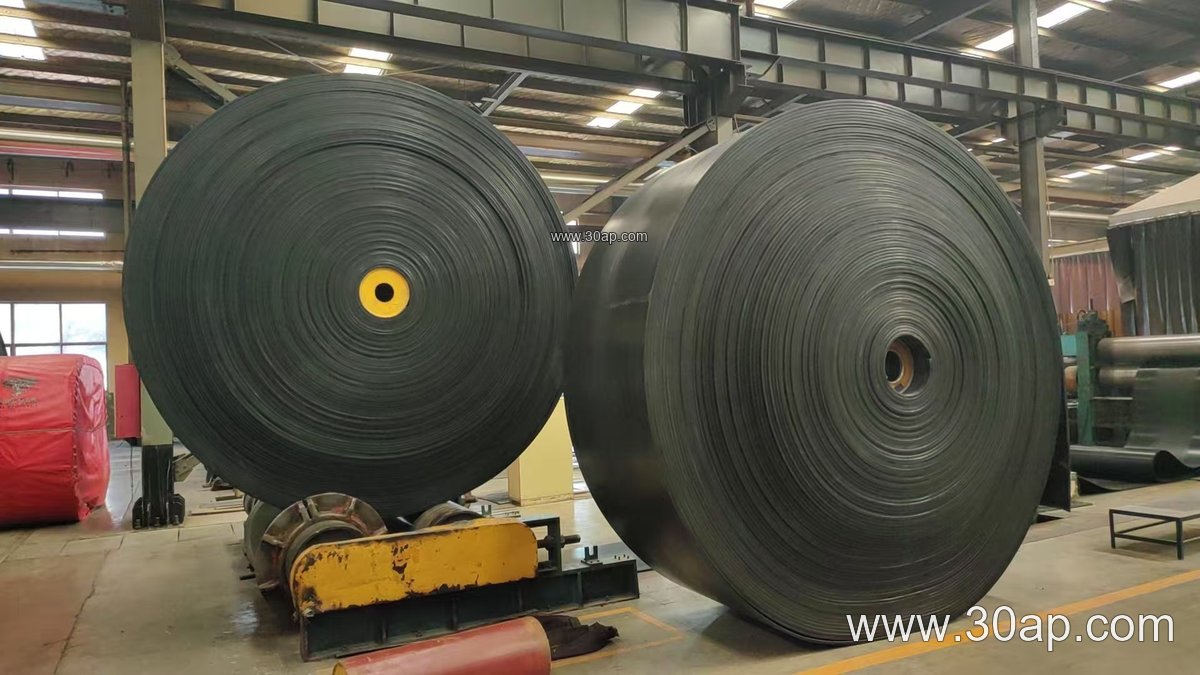
Ship loading conveyors appear in dry bulk terminals, coal ports, cement plants, steel plants, power plant coal yards, and mining export hubs. A coal mining conveyor belt feeding a shiploader may need flame retardant and anti-static properties. A cement plant conveyor belt handling clinker may need heat resistance. An iron ore terminal usually favors high abrasion resistant belting with thick covers. In sand and gravel ports, an aggregate conveyor belt with good impact resistance is often enough. The same belt family serves all these sectors, but the cover compound and carcass grade change with the cargo.
Buyer Checklist
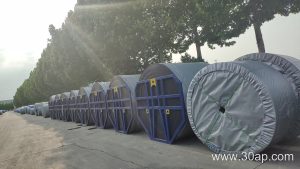
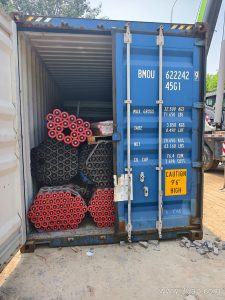
Before ordering, confirm the cargo type, lump size, belt speed, capacity in tonnes per hour, incline angle, and the number and diameter of pulleys. Ask for the tension rating, cover grade, ply count, and whether the belt must be endless spliced on site. Check that the drive pulley, tail pulley, and bend pulleys are specified separately, since they are not interchangeable and each has its own diameter and lagging requirement. Confirm idler roller spacing and the condition of conveyor brackets, because poor support shortens belt life more than many buyers expect. Finally, ask about splice method, delivery length, and storage conditions so the belt arrives ready for installation.