What a Conveyor Pulley Does on a Belt Conveyor
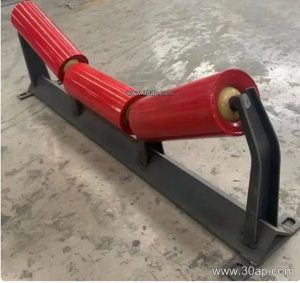
A conveyor pulley is the rotating drum that carries the conveyor belt, transfers drive force, and controls belt path and tension. In a typical bulk handling line it works together with the conveyor belt, idler roller, and conveyor bracket to keep material moving from the loading point to the discharge point. The pulley is not a simple round part; it is a load-bearing assembly that must match belt width, belt tension, shaft torque, and the working environment.
In a quarry or a cement plant, a poorly specified drum can cause belt tracking problems, slippage, or premature cover wear. That is why buyers should treat the drum as an engineered component, not a commodity item.
How the Assembly Is Built
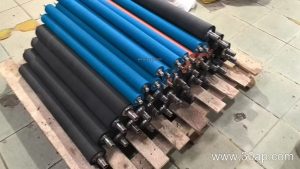
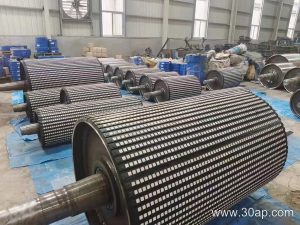
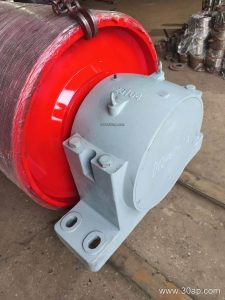
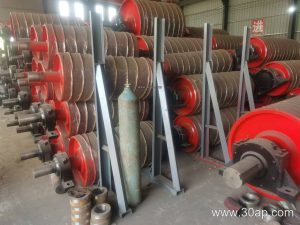
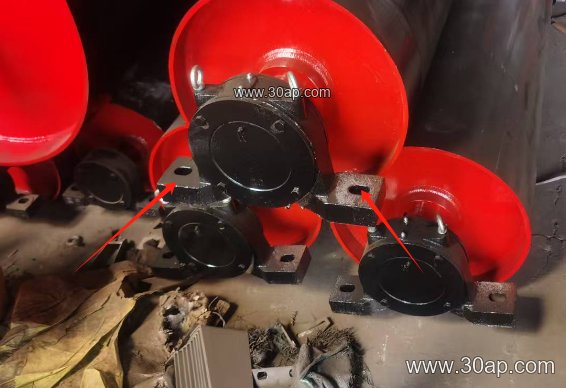
A standard drum consists of a cylindrical shell, end discs, a shaft, and bearing housings. The shell may be seamless or rolled and welded. The shaft is sized by torque and radial load, not by belt width alone. Surface preparation matters as much as the steel structure: a plain finish is common for non-drive positions, while rubber lagging improves grip at the drive and protects the shell in abrasive service.
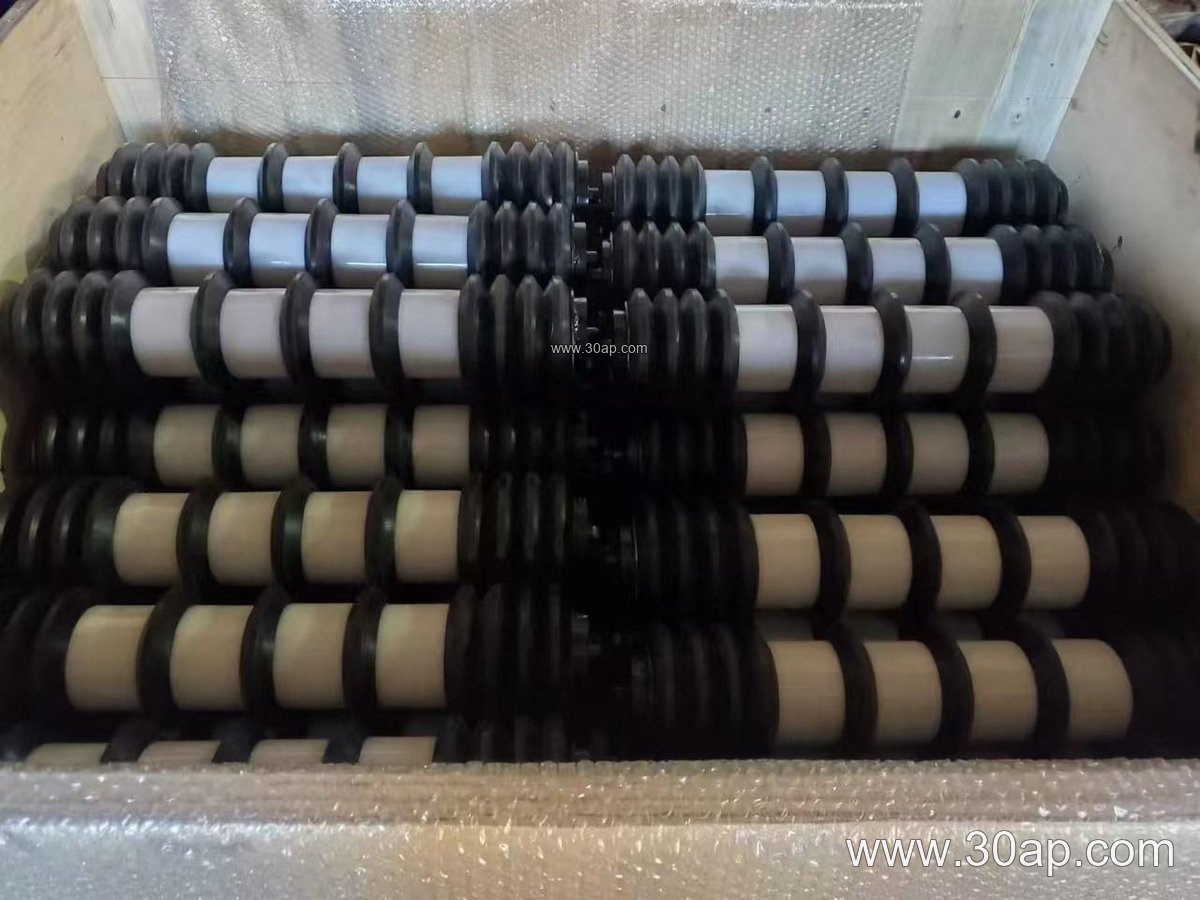
Lagging options include hot vulcanized rubber, cold bonded rubber, diamond grooved rubber, herringbone rubber, and ceramic lagging. Common lagging thicknesses are 8, 10, 12, 15, and 20 mm, selected according to duty and belt speed. Bearings may be grease lubricated or oil lubricated, and the bearing housing design should allow reasonable access for inspection.
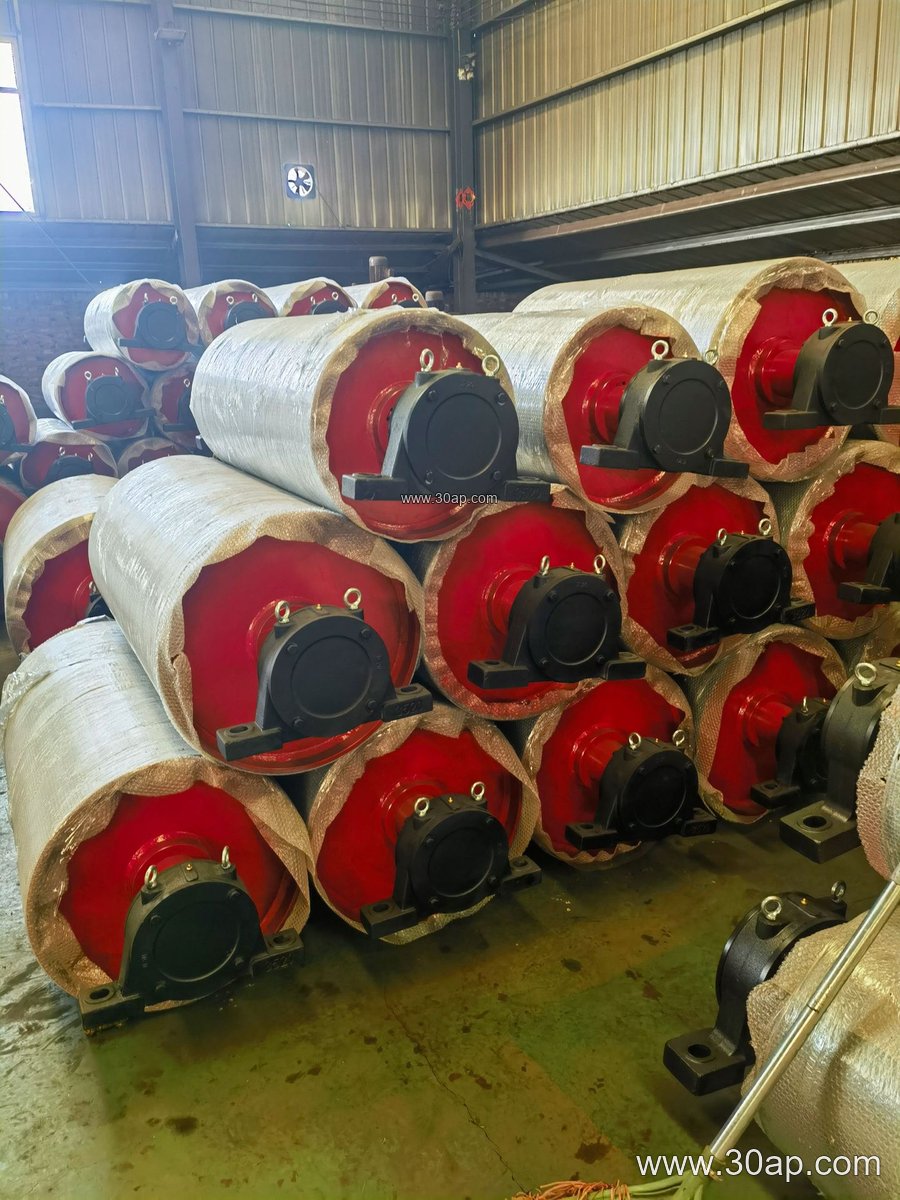
Common Construction Parameters
- Belt width range: B400 up to B2400
- Diameter range: Ø200 up to Ø1800, with larger sizes for high tension drives
- Shaft diameters: Ø50, Ø60, Ø70, Ø80, Ø90, Ø100, Ø120, Ø140, Ø160, Ø180, Ø200
- Face width: usually wider than the belt, for example B800 with about 950 mm face, B1200 with about 1400 mm face
These values are reference data. Final dimensions depend on the conveyor design, and a given belt width can pair with different drum diameters. Mentioning your system data at conveyor pulley selection stage helps avoid mismatches.
Drive, Tail, and Bend Positions Are Not Interchangeable
The drive pulley, also called the head pulley, transmits power to the belt and usually carries the highest tension. It often uses diamond or ceramic lagging to prevent slip. The tail pulley sits at the loading end and supports the belt return; it may be plain or lagged depending on cleanliness and material carryback.
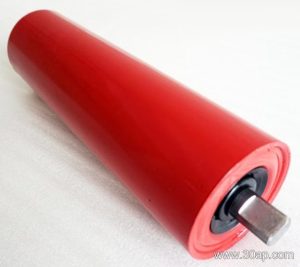
A bend pulley changes belt direction, while a tension pulley maintains take-up. A snub pulley increases wrap angle around the drive. Each position has its own load profile, so a spare from one location should not be moved to another without checking shaft, bearing, and lagging requirements. In a coal mining or power plant coal handling line, mixing positions can shorten bearing life and cause tracking issues.
Where It Fits in Different Industries
In a limestone quarry or aggregate crushing line, drums handle abrasive rock dust and frequent starts. In a cement plant, clinker conveyors demand abrasion resistance and reliable sealing. In a steel plant or sinter plant, heat and fines affect both the conveyor belt and the drum surface. Port bulk terminals use large face widths and heavy-duty lagging for ship loading conveyors.
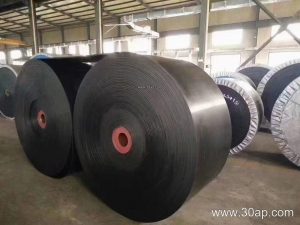
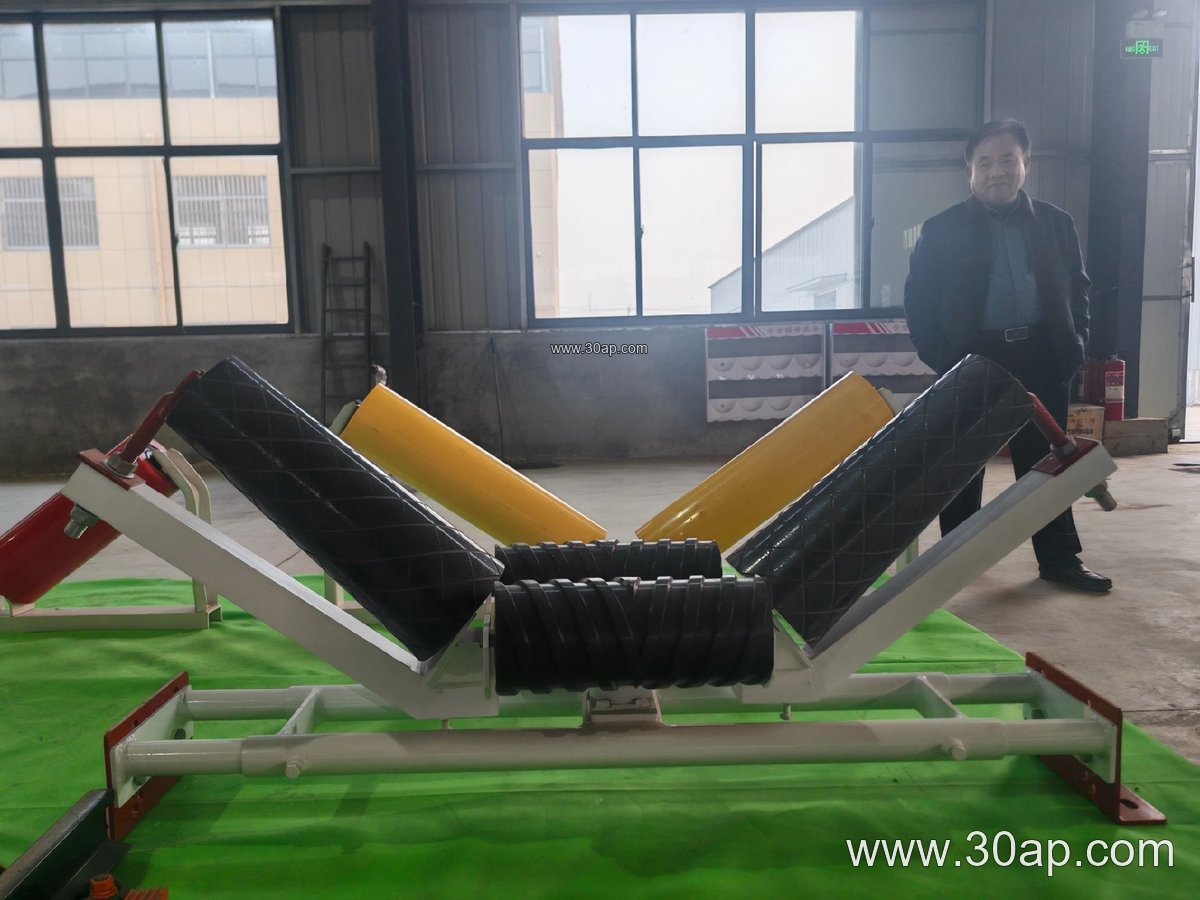
For abrasive ore, pairing a wear-resistant drum cover with a suitable abrasion resistant conveyor belt and well-aligned idler roller sets reduces maintenance. For dusty coal lines, a flame retardant conveyor belt is often specified together with anti-static properties, and the drum bearings should be protected from fine dust.
Specification Examples and Surface Choices
Common combinations include B800 × Ø500 for medium-duty lines, B1200 × Ø1000 for higher tension drives, and B1400 × Ø800 for wide belts with moderate load. These are examples, not fixed rules. Face width is normally greater than belt width, and lagging type should follow the actual contact condition.
- Plain surface: light duty, clean return positions
- Diamond lagging: general drive grip and water drainage
- Herringbone lagging: improved tracking on reversing or misaligned belts
- Ceramic lagging: high abrasion and wet conditions
When the belt is an EP conveyor belt or a steel cord conveyor belt, check the required wrap angle and take-up travel before finalizing drum diameter. For steep inclines, a chevron conveyor belt or corrugated sidewall conveyor belt may need extra clearance and a different pulley face layout.
What Buyers Should Confirm Before Ordering
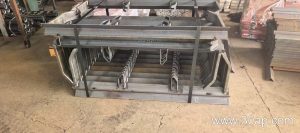
Ask for the belt width, belt speed, motor power, shaft torque, bearing type, lagging thickness, and mounting position. Confirm the shaft diameter and keyway from the drive design, not from belt width alone. Check that the conveyor bracket and bearing housing match the mounting space. Review the drawing for face width, end disc thickness, and surface finish.
For replacement work, record the existing drum diameter, face width, shaft size, and lagging pattern. A conveyor pulley that fits mechanically but is undersized for torque will fail early. Buyers who share complete conveyor data get a more accurate quotation and a drum that works with the rest of the system.