What a Corrosion-Resistant Idler Is
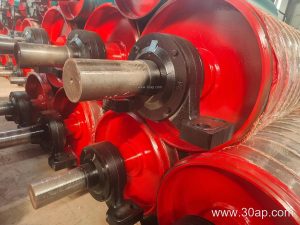
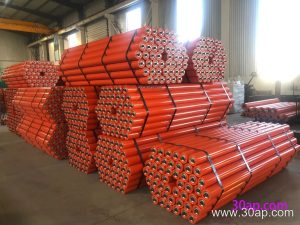
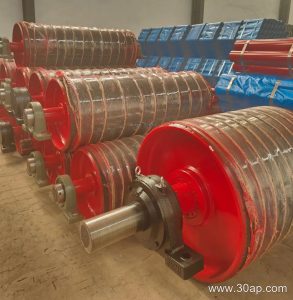
A corrosion-resistant idler is a conveyor idler roller built to resist chemical attack, moisture, and salt-laden air, so it keeps turning smoothly where standard steel rollers would rust or seize. In many plants the conveyor belt carries wet material or operates in a humid, acidic, or coastal atmosphere, and the idler roller becomes the first component to fail. Choosing a corrosion-resistant idler is therefore a direct way to reduce stoppages on a bulk material conveyor belt.
Construction and Materials
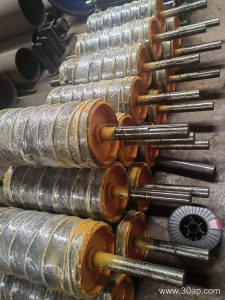
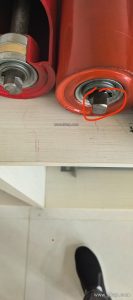
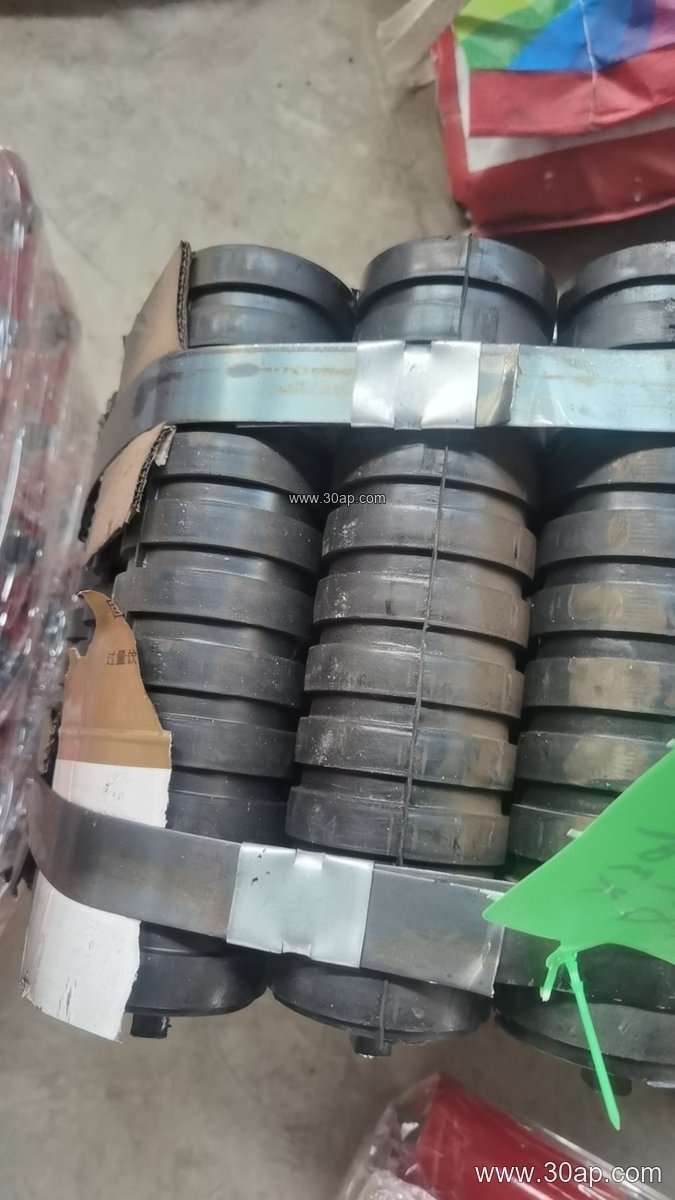
These idlers usually combine a treated steel shell with protective coatings, or use stainless steel, polymer, or rubber-covered surfaces depending on the duty. Seals are a critical detail: a multi-lip seal with grease retention keeps out fine dust and water, protecting the bearing. Common bearing sizes include 6204, 6205, 6305, 6306, 6308, and 6310, and the bearing is matched to the roller diameter and load rather than fixed by belt width alone. Roller diameters commonly range from Ø63 to Ø219, and the roller length follows the conveyor belt width, trough angle, and idler arrangement.
Where It Fits on the Conveyor
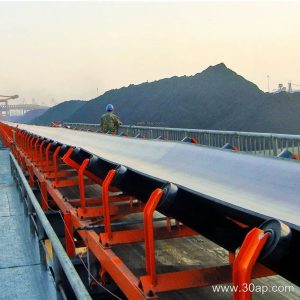
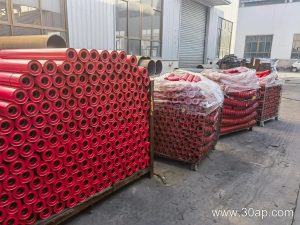
Corrosion-resistant idlers can serve as carrying idlers, return idlers, or impact idlers in the same conveyor line. In a coal mining conveyor belt system, a washed coal stream may leave acidic water, so corrosion-resistant return idlers help keep the return strand running true. In a port or ship loading conveyor belt exposed to salty air, the same protection extends roller life. They are also used in fertilizer plants, cement plants with wet process areas, and power plant coal handling where condensation is common. On a quarry conveyor belt or aggregate conveyor belt, abrasive dust plus rain can attack ordinary painted rollers, making a coated or polymer idler a practical alternative.
Common Sizes and Arrangements
Buyers should match the idler to the belt width, trough angle, and load. The table below gives common reference values; actual roller length depends on the idler group design, and side rollers may differ from the center roller.
| Belt Width | Typical Roller Length (three-roll trough) | Common Roller Diameter Range |
|---|---|---|
| B500 | approx. 200 mm | Ø63 to Ø108 |
| B650 | approx. 250 mm | Ø76 to Ø133 |
| B800 | approx. 315 mm | Ø89 to Ø159 |
| B1000 | approx. 380 mm | Ø102 to Ø178 |
| B1200 | approx. 465 mm | Ø108 to Ø194 |
| B1400 | approx. 530 mm | Ø127 to Ø219 |
| B1600 | approx. 600 mm | Ø133 to Ø219 |
| B1800 | approx. 670 mm | Ø159 to Ø219 |
| B2000 | approx. 750 mm | Ø178 to Ø219 |
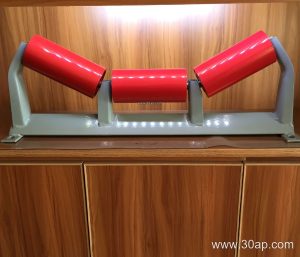
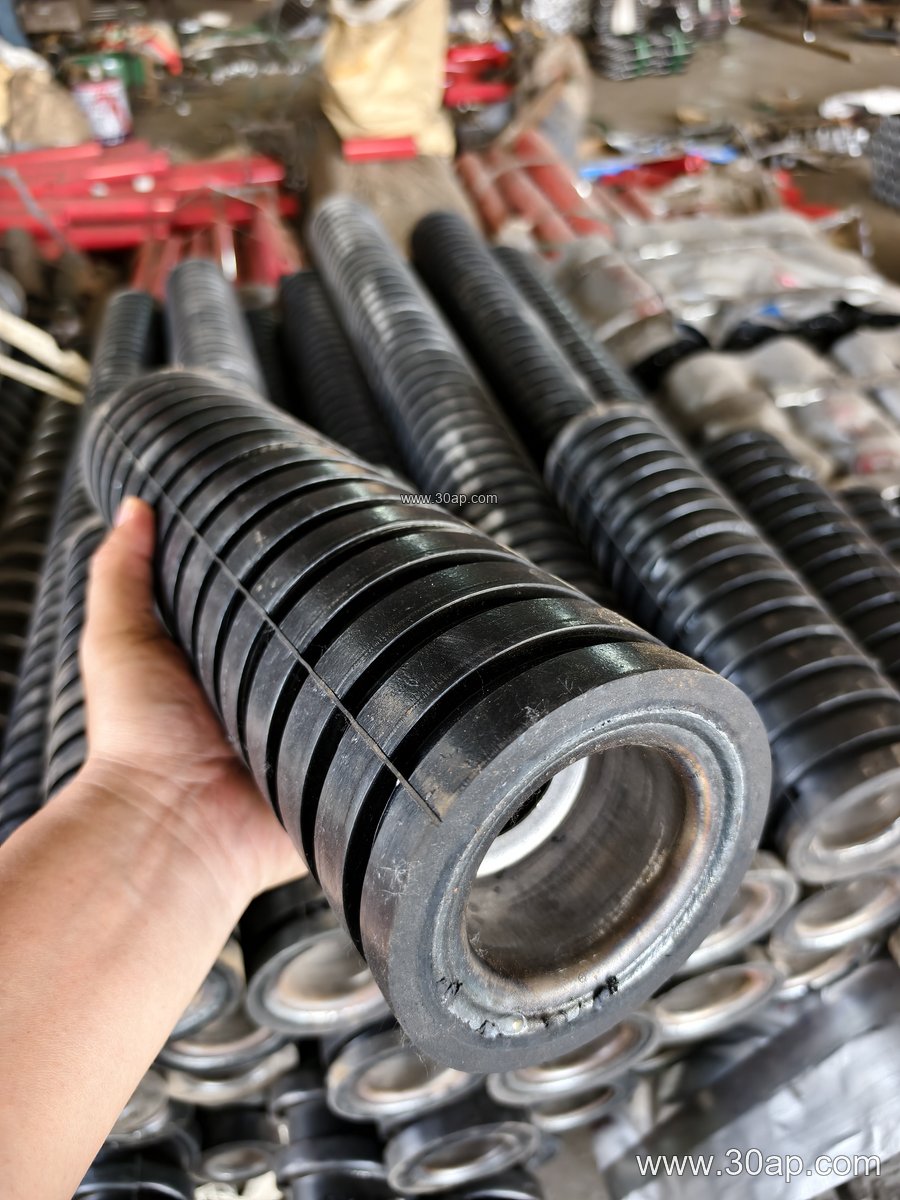
Trough angles are commonly 20, 30, 35, or 45 degrees. When self-aligning or forward-tilted idlers are used, a tilt of about 1.5 to 2 degrees is typical. Available surface forms include steel tube, nylon, ceramic, and rubber rings. For high-abrasion service, a rubber-ring impact idler may be chosen at the loading point, while a ceramic-covered roller can suit sticky or fine wet material. These choices should be confirmed against the actual conveyor bracket and frame dimensions.
Selection and Maintenance Notes
Specify the belt width, material being conveyed, ambient conditions, and expected load when ordering. A corrosion-resistant idler should be paired with a compatible conveyor bracket so the shaft fits the frame without forcing. Grease type and seal design matter in chemical environments, and stainless or coated shafts reduce seizing at the bracket. Routine checks for roller rotation, seal wear, and coating damage help avoid belt tracking problems. For conveyors carrying hot material, a heat resistant conveyor belt may be needed alongside the idler, but the idler itself should be selected for the temperature and chemical exposure of the site. Keep spare rollers on hand for critical lines such as a crusher conveyor belt or an underground mining conveyor belt where downtime is costly.
Buyer Checklist
- Confirm belt width (for example B650, B800, B1000, B1200, B1400) and trough angle.
- State the chemical or moisture exposure so the coating or shell material can be chosen.
- Check bearing size and seal type against the roller diameter and load.
- Verify roller length and shaft end dimensions with the conveyor bracket.
- Ask whether the idler is for carrying, return, or impact duty.
A well-matched corrosion-resistant idler keeps the conveyor belt centered and extends service intervals in wet, salty, or chemically active plants.