What an Anti-Misalignment Idler Does
An anti-misalignment idler is a self-correcting roller assembly installed on a conveyor to stop the belt from drifting sideways. When the belt edges begin to wander, the idler responds by steering the belt back toward the center line instead of letting the drift grow into spillage, edge damage, or a full derailment. This roller is also widely known as a self-aligning idler or training idler, and those names describe the same product. It is not a drive pulley, a tail pulley, or a bend pulley; those components transmit power or change belt direction, while the anti-misalignment idler only manages belt position.
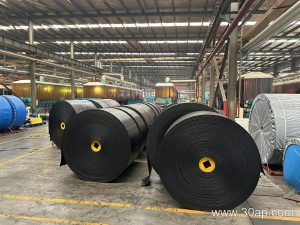
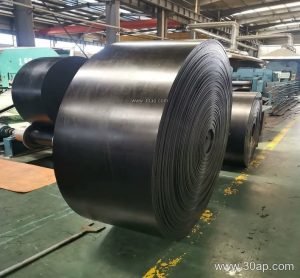
The value of this component shows up wherever long runs and heavy loading make tracking difficult. A quarry conveyor moving crushed stone, a coal mining conveyor feeding a wash plant, or a power plant conveyor carrying fuel all depend on belt stability. Even a small amount of drift on a wide belt can scrub the frame and shorten the life of an abrasion resistant conveyor belt.
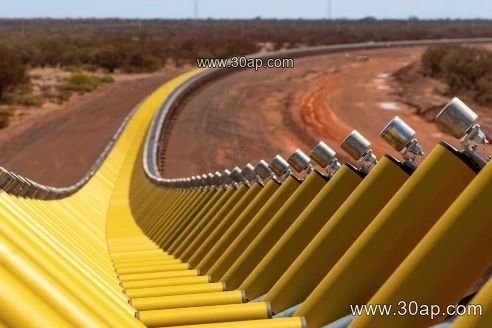
Construction and Working Principle
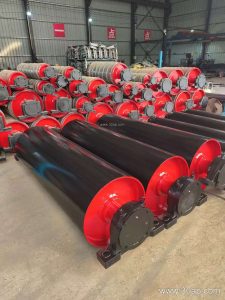
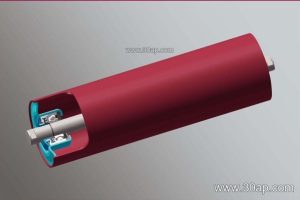
A typical unit is built as a small frame carrying two or three rollers mounted at an angle to the belt path. The frame pivots on a central bearing or a vertical shaft, so when the belt contacts the rollers unevenly, the assembly rotates slightly. That rotation applies a gentle sideways force that guides the belt back on track. Many designs include a slight forward tilt of about 1.5 to 2 degrees on the rollers, which improves the correcting action without aggressive edge contact.
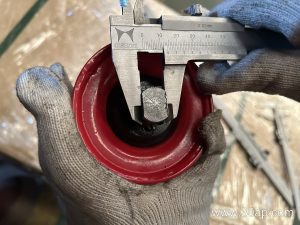
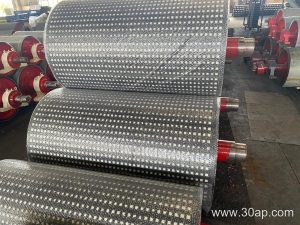
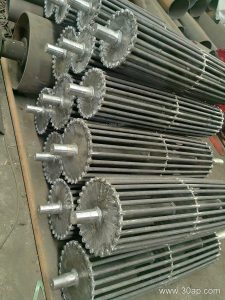
Roller shells are commonly steel tube, and the surface may be plain steel, nylon, ceramic, or rubber rings depending on the duty. Bearings such as 6204, 6205, 6305, 6306, 6308, or 6310 are common, selected by load and shaft design rather than by belt width alone. Sealing matters in dusty plants, because fine material from a crusher conveyor or a cement plant will destroy an unprotected bearing quickly.
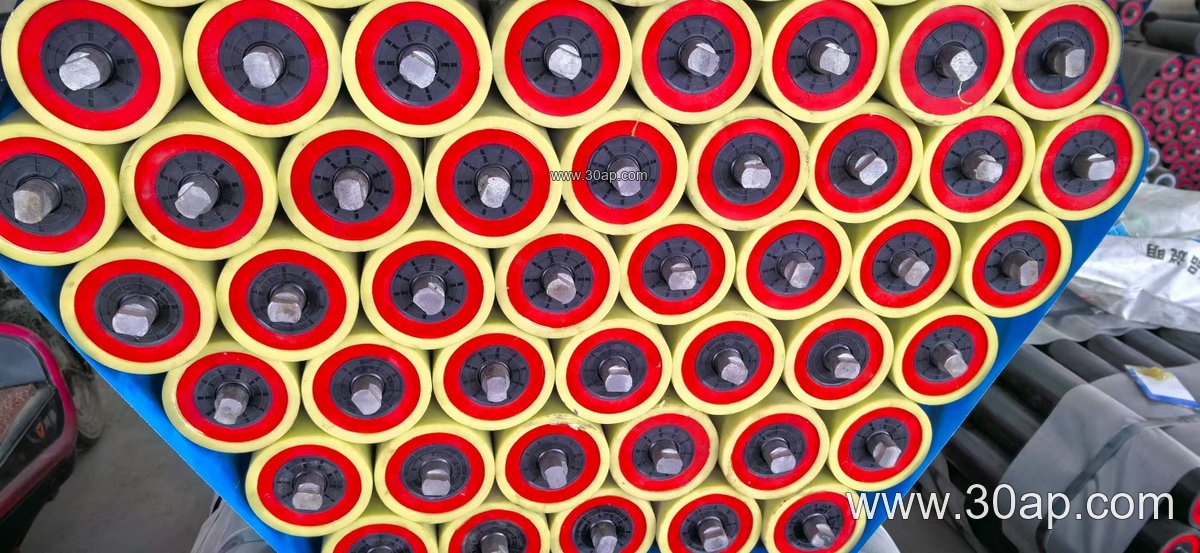
Common Configurations
- Friction self-aligning type, driven by contact with the moving belt
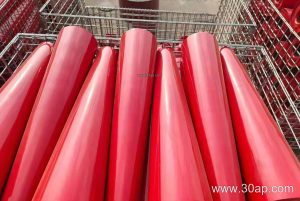
- Tapered roller self-aligning type, using conical rollers to create a centering effect
- Return-side training idler, mounted under the belt to control the return strand
- Two-roller and three-roller frames for different belt widths and trough angles
Sizes and Reference Data
Dimensions are usually matched to the conveyor layout, not chosen from a single formula. Roller diameter options commonly include Ø63, Ø76, Ø89, Ø102, Ø108, Ø127, Ø133, Ø159, Ø178, Ø194, and Ø219 mm. Belt widths range from B400 through B2400, and trough angles of 20, 30, 35, and 45 degrees are standard choices. The table below gives indicative figures that are useful for early planning only.
| Belt width | Typical three-roll length example | Common trough angle |
|---|---|---|
| B500 | about 200 mm | 20 to 35 degrees |
| B650 | about 250 mm | 20 to 35 degrees |
| B800 | about 315 mm | 30 to 35 degrees |
| B1000 | about 380 mm | 30 to 45 degrees |
| B1200 | about 465 mm | 30 to 45 degrees |
| B1400 | about 530 mm | 35 to 45 degrees |
| B1600 | about 600 mm | 35 to 45 degrees |
| B1800 | about 670 mm | 35 to 45 degrees |
| B2000 | about 750 mm | 35 to 45 degrees |
These values are common examples, not fixed pairings. Side rollers and center rollers can differ in length, and the final size depends on the bracket, frame, and belt load. A 1200mm wide conveyor belt on a heavy-duty mining conveyor will usually need a larger roller diameter than a light aggregate line of the same width.
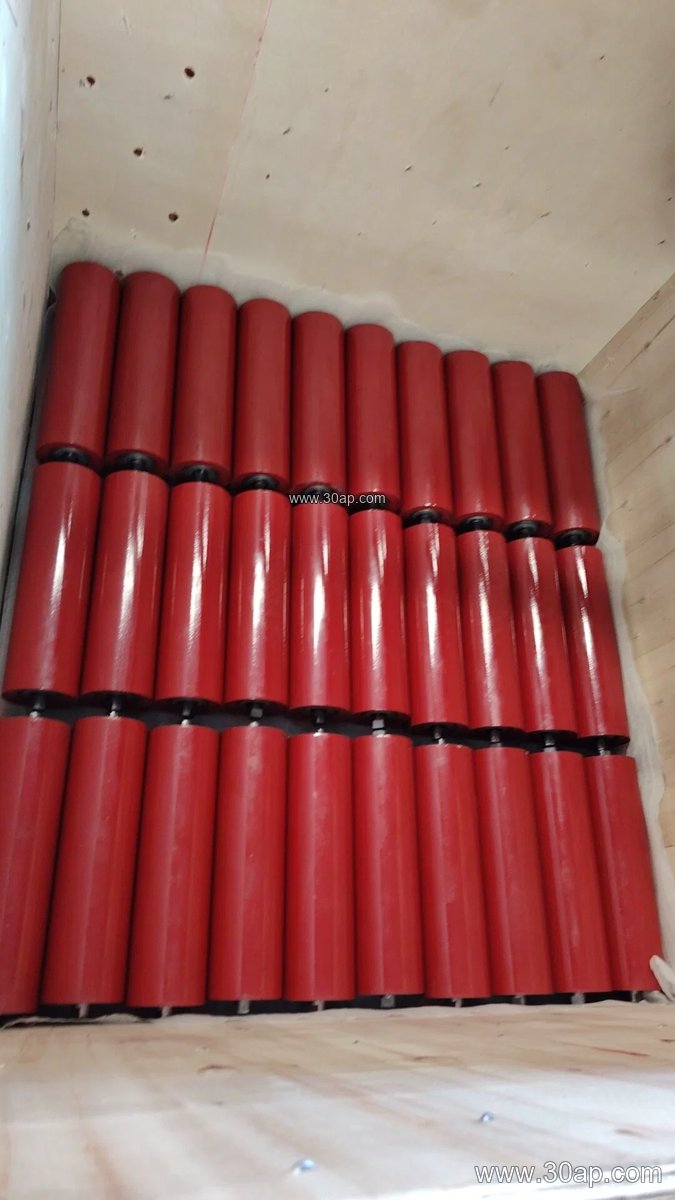
Where It Fits on the Conveyor
Training idlers are most often placed on the carrying side at intervals along the run, and on the return side where the belt has little support. They are especially useful near transfer points, after curves, and on inclined sections where material shifts to one side. In a limestone quarry or a sand making plant, a self-aligning idler after the crusher discharge helps keep the belt centered despite uneven lump loading. In a steel plant or sinter line, heat and dust make robust sealing and a stable frame essential.
The surrounding hardware matters too. A weak conveyor bracket allows the whole assembly to flex, which defeats the correcting action. The idler should sit square to the belt center line and be checked together with the conveyor pulley alignment, since a crooked bend pulley or tail pulley can cause drift that no training idler will fully fix.
Buyer Checklist
- Confirm belt width, trough angle, and whether the unit is for the carrying or return side
- Match roller diameter and bearing class to the load and speed of the line
- Choose the roller surface for the environment: rubber rings for impact, ceramic or nylon where buildup is a concern
- Check that the pivot and seals suit dusty service in a cement plant, coal handling system, or ore conveyor
- Verify frame dimensions against the existing conveyor bracket before ordering
- Plan a inspection routine, because a worn pivot bearing reduces correcting force over time
For more conveyor components and matching belts, visit blconveyorbelt.com to review idler roller and conveyor pulley options. A well-chosen anti-misalignment idler is a low-cost way to protect an expensive EP conveyor belt or steel cord conveyor belt from edge damage and premature replacement.