What the Ø89 Conveyor Idler Is
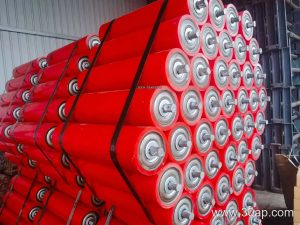
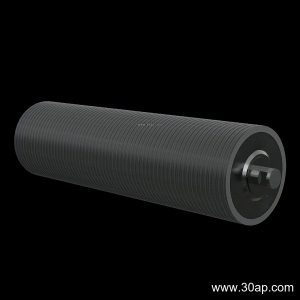
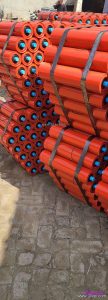
The Ø89 conveyor idler is a carrying or return roller with an 89 mm outside diameter, widely used in medium-duty belt conveyor lines. In daily plant language it is often called an 89 mm idler roller or simply an 89 idler. It sits under or over the conveyor belt, supports the loaded belt, and lets it run with low rolling resistance. Because the diameter is moderate, this idler suits many aggregate, cement and power plant conveyors where the belt is not extremely wide and the load is steady rather than extreme.
The “Ø” symbol simply marks the roller diameter. Buyers should treat 89 mm as a reference dimension, not a rule that fixes every other part of the assembly. Roller length, shaft size, bearing type and bracket arrangement are chosen from the conveyor design, belt width and load conditions.
How an 89 mm Idler Roller Is Built
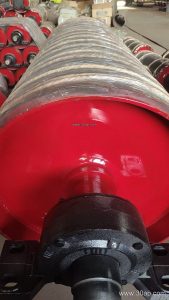
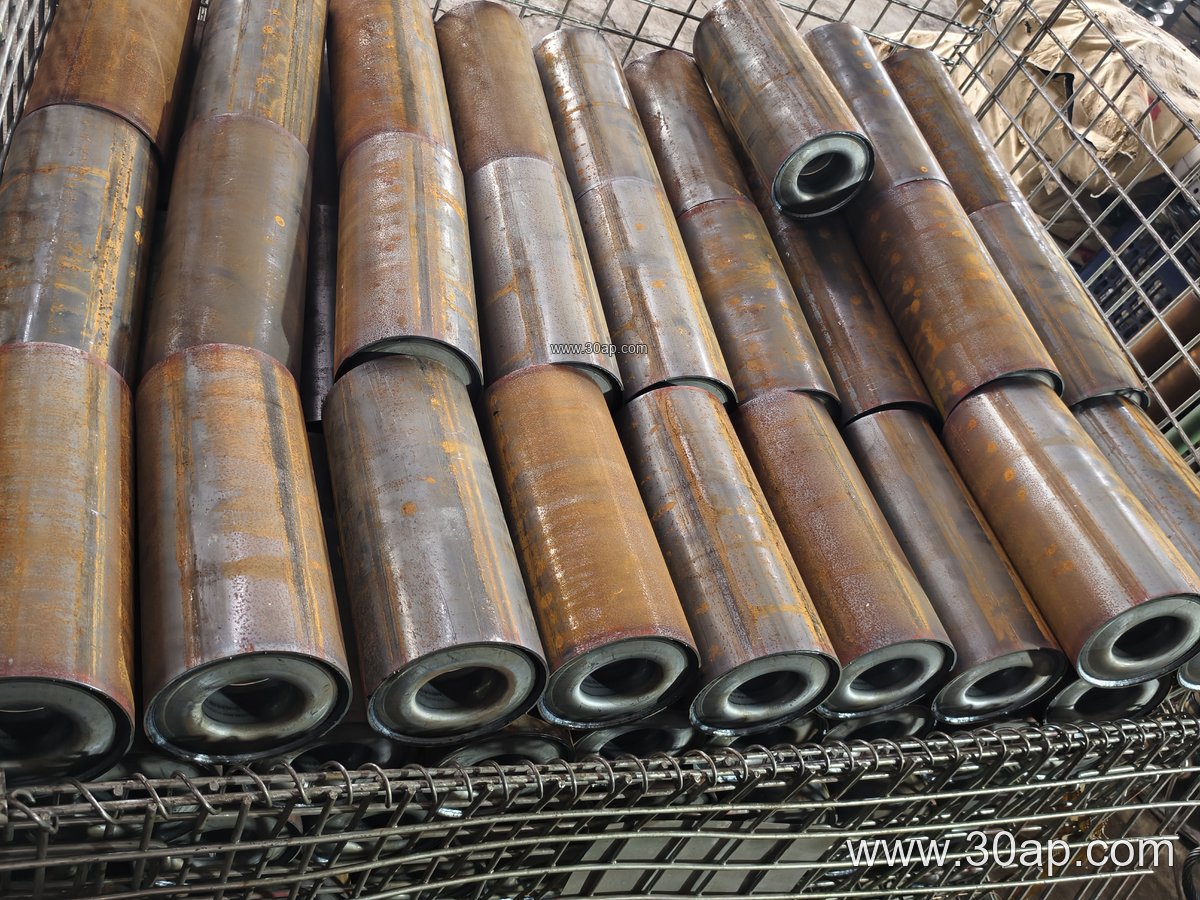
A typical unit has a steel tube shell, welded end caps, a shaft, bearing housings and a sealing system. The shell may be plain steel, nylon-coated, ceramic-covered or fitted with rubber rings for impact absorption. Bearings are commonly selected from sizes such as 6204, 6205, 6305 or 6306, but the correct bearing depends on load and speed rather than on the 89 mm diameter alone.
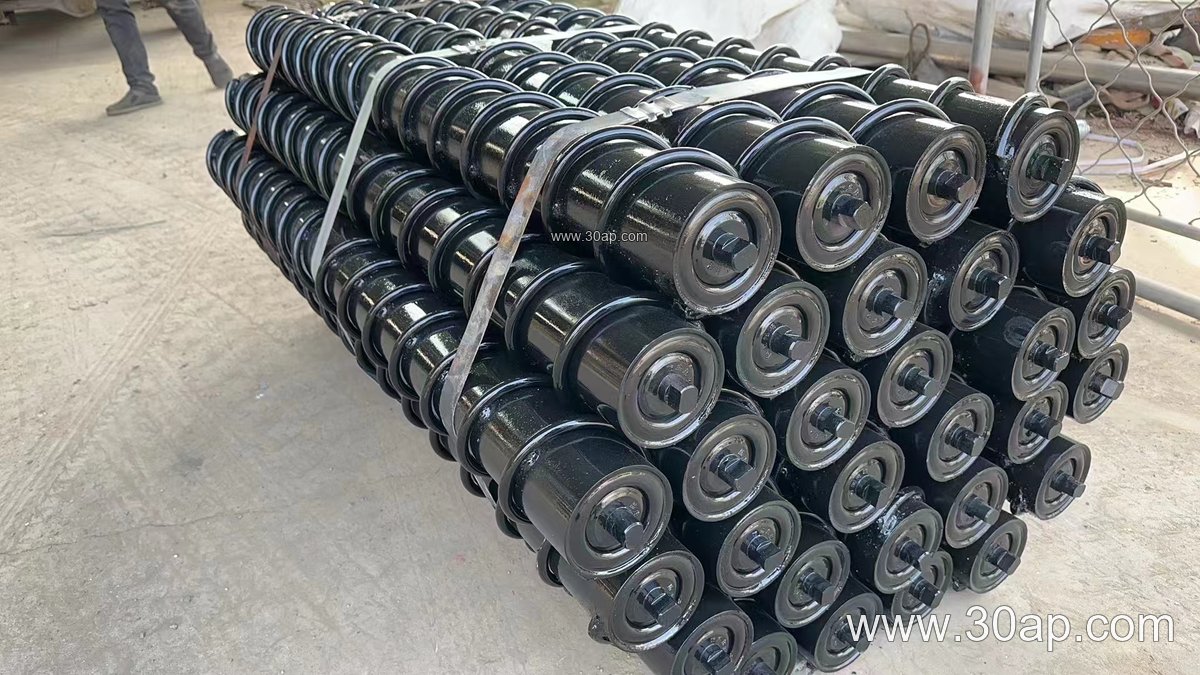
Sealing matters as much as the tube. Dust, grit and water are the usual causes of early idler failure in a quarry or a coal handling plant. Labyrinth seals, felt seals and grease retention features are common ways to protect the bearing cavity. A well-sealed idler roller keeps spinning freely and protects the conveyor belt from unnecessary drag and edge wear.
Where It Fits on the Conveyor
The Ø89 conveyor idler appears in several positions. Three-roll troughing sets carry the loaded belt, with side rollers inclined at a trough angle such as 20, 30, 35 or 45 degrees. Transition idlers ease the belt from flat to troughed. Return idlers support the empty belt underneath, and V-type return sets help with belt tracking. Impact idlers with rubber rings are used below loading points where lumps drop onto the belt.
Common roller lengths vary with belt width and set design. For reference only, a three-roll troughing set might use rollers around 200 mm long on a B500 belt, 250 mm on B650, 315 mm on B800, 380 mm on B1000, 465 mm on B1200 and 530 mm on B1400. Side rollers and centre rollers can differ, so these figures are examples rather than fixed matches.
| Reference Item | Typical Range |
|---|---|
| Roller diameter | Ø89 mm |
| Belt width examples | B500 to B1400 |
| Trough angles | 20°, 30°, 35°, 45° |
| Bearing examples | 6204, 6205, 6305, 6306 |
| Roller surface options | Steel, nylon, ceramic, rubber rings |
Industries That Use This Size
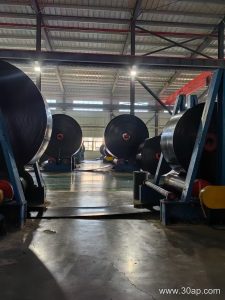
You will see the Ø89 conveyor idler in sand and gravel lines, crushing and screening plants, cement works and power station coal yards. It also appears in fertilizer handling and some port transfer conveyors. In these settings it usually works alongside a rubber conveyor belt or an EP conveyor belt, and the whole line depends on smooth roller rotation to keep energy use and belt wear under control.
Heavier duties may call for larger diameters, and abrasive duties may call for a high abrasion resistant conveyor belt combined with well-sealed rollers. The idler and the belt should be selected together rather than in isolation.
Buyer Checklist
- Confirm the actual roller length and shaft end detail, not only the 89 mm diameter.
- State the belt width, trough angle and whether the set is single, two-roll or three-roll.
- Specify the duty: carrying, return, impact or training.
- Describe the environment, especially dust, moisture and temperature.
- Ask about seal design and bearing size rather than assuming a standard fit.
- Check that the conveyor bracket and frame match the shaft ends.
A correct Ø89 conveyor idler is a small component with a large effect on uptime. Matching diameter, length, bearing, seal and surface form to the actual conveyor duty is the practical way to avoid repeat failures.